Attractions and Places To See around Erquinghem-Lys - Top 20
Best attractions and places to see around Erquinghem-Lys include a blend of historical sites, cultural experiences, and natural beauty. Situated within the Lys plain, the area features flat terrain, wet meadows, and the meandering Lys river. Visitors can explore significant historical landmarks and enjoy outdoor activities like hiking and cycling along towpaths. The region offers a variety of attractions, from industrial heritage to war memorials.
Best attractions and places to see around Erquinghem-Lys
- The most popular attractions is Mesen,…
Last updated: May 26, 2026
Mesen
Highlight • Settlement
Translated by Google •
Tip by

Australian Memorial Park Fromelles
Highlight • Monument
Translated by Google •
Tip by

Sign up now to discover places like this
Get recommendations on the best single tracks, peaks, & plenty of other exciting outdoor places.
Sign up for free
Le Trou Aid Post Cemetery
Highlight • Other
Translated by Google •
Tip by
Pont Rouge
Highlight • Bridge
Translated by Google •
Tip by

Irish Peace Park
Highlight • Monument
Memorials to Irish fallen soldiers. Impressive peace tower, visible from far away!
Translated by Google •
Tip by

Sign up for free to discover even more attractions around Erquinghem-Lys.
Sign up for free
Already have an account?
Start today with a free account
Your next adventure awaits.
Login or Signup

Tips from the Community

The battle of Fromelles on 19 July 1916 was a bloody initiation for Australian soldiers to warfare on the Western Front. Soldiers of the newly arrived 5th Australian Division, together with the British 61st Division, were ordered to attack strongly fortified German front line positions near the Aubers Ridge in French Flanders. The attack was intended as a feint to hold German reserves from moving south to the Somme where a large Allied offensive had begun on 1 July. The feint was a disastrous failure. Australian and British soldiers assaulted over open ground in broad daylight and under direct observation and heavy fire from the German lines. Over 5,500 Australians became casualties. Almost 2,000 of them were killed in action or died of wounds and some 400 were captured. This is believed to be the greatest loss by a single division in 24 hours during the entire First World War. Some consider Fromelles the most tragic event in Australia’s history. https://www.awm.gov.au/articles/encyclopedia/fromelles
0
0

Beautiful bridge, beautiful views and border.
0
0

Near the front line in 1916, a fierce battle was fought between the British (Australians) and the Germans. To commemorate 'la bataille' and the wounded who were brought back from the battlefield, a monument/statue was erected here.
1
0

Anecdote: During the battle, Sergeant Simon Fraser heard a wounded soldier cry out, "Don't forget me, cobber!" Despite the danger, Fraser returned to the battlefield to save the man, an act of bravery that was later immortalized in the statue. This event emphasizes the sacrifice and strong bond between soldiers during the horrors of war.
7
0
The Cobbers Australian Memorial is located in the Australian Memorial Park near Fromelles. This memorial commemorates the Australian soldiers who died during the Battle of Fromelles on 19-20 July 1916. The statue, designed by Peter Corlett, shows Sergeant Simon Fraser carrying a wounded comrade out of no man's land. The name "Cobbers" comes from a letter Fraser wrote, describing the bravery and camaraderie of the soldiers.
7
0
Le Trou Aid Post Cemetery was established in October 1914 by British soldiers of the 19th Infantry Brigade during the First Battle of Ypres. The cemetery initially contained 123 graves, but was expanded after the war. It now contains over 350 graves, of which over 200 are unknown. The cemetery commemorates soldiers who died in a number of battles, including Le Maisnil (October 1914), Aubers Ridge (May 1915), Loos (September–October 1915), and Fromelles (July 1916). A special feature of the cemetery is its rural setting, surrounded by a narrow moat and sheltered by a grove of weeping willows. Visitors reach the cemetery via a footbridge and enter through a delicate cottage-style gate.
7
0
Mesen (also called Messines) is the smallest city in Belgium with only about 1075 inhabitants. Mesen has a rich history dating back to Roman times and played an important role in medieval trade, especially in the cloth and leather industry . The town is best known for the Battle of Mesen during the First World War, where it was a strategic location . Today, Mesen is home to several monuments and memorials, such as the New Zealand Division Memorial and the Irish Peace Tower, which commemorate the history and sacrifices of the soldiers during the war .
8
0

Be careful in freezing weather, the climb before the bridge is generally slippery and impassable.
6
0
Frequently Asked Questions
What historical landmarks can I explore in Erquinghem-Lys?
Erquinghem-Lys offers several historical landmarks. You can visit Mesen, officially the smallest town in Belgium, which holds significant historical importance and features St. Nicholas Church. Within Erquinghem-Lys itself, the 13th-century La Motte Féodale du Château is a significant historical landmark, and the Saint-Martin Church, reconstructed in Gothic style, is also notable. The Former Mahieu Bleaching Factory provides a glimpse into the region's industrial past.
Are there any museums or cultural sites in the area?
Yes, the Musée de la Cité d'Ercan (Local History Museum) is located near the British cemetery and the church in the town center. It offers insights into the history of Erquinghem-Lys through various documents and objects, with some exhibits dating back to 1347. You can find more information about the museum here.
What natural features define the landscape around Erquinghem-Lys?
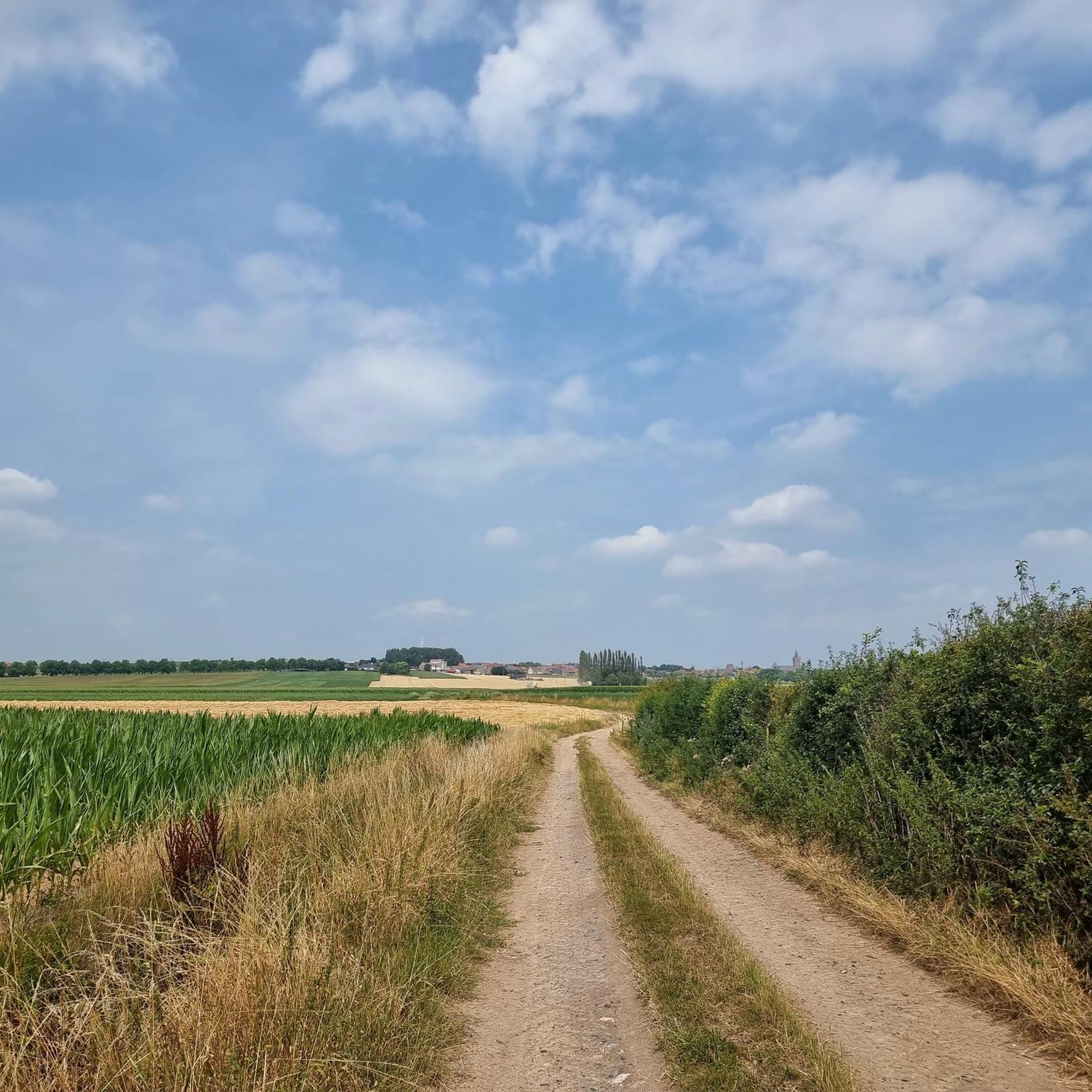
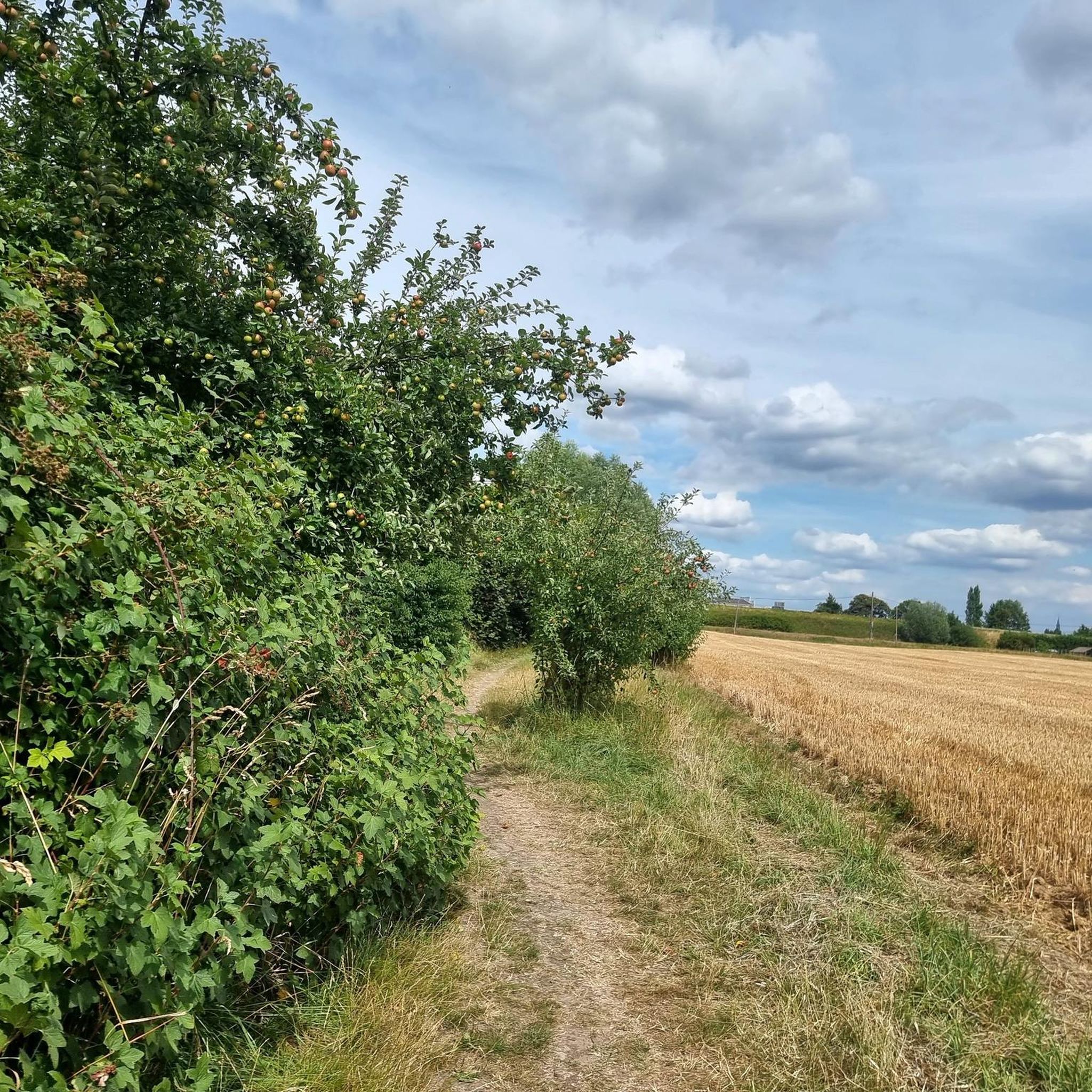
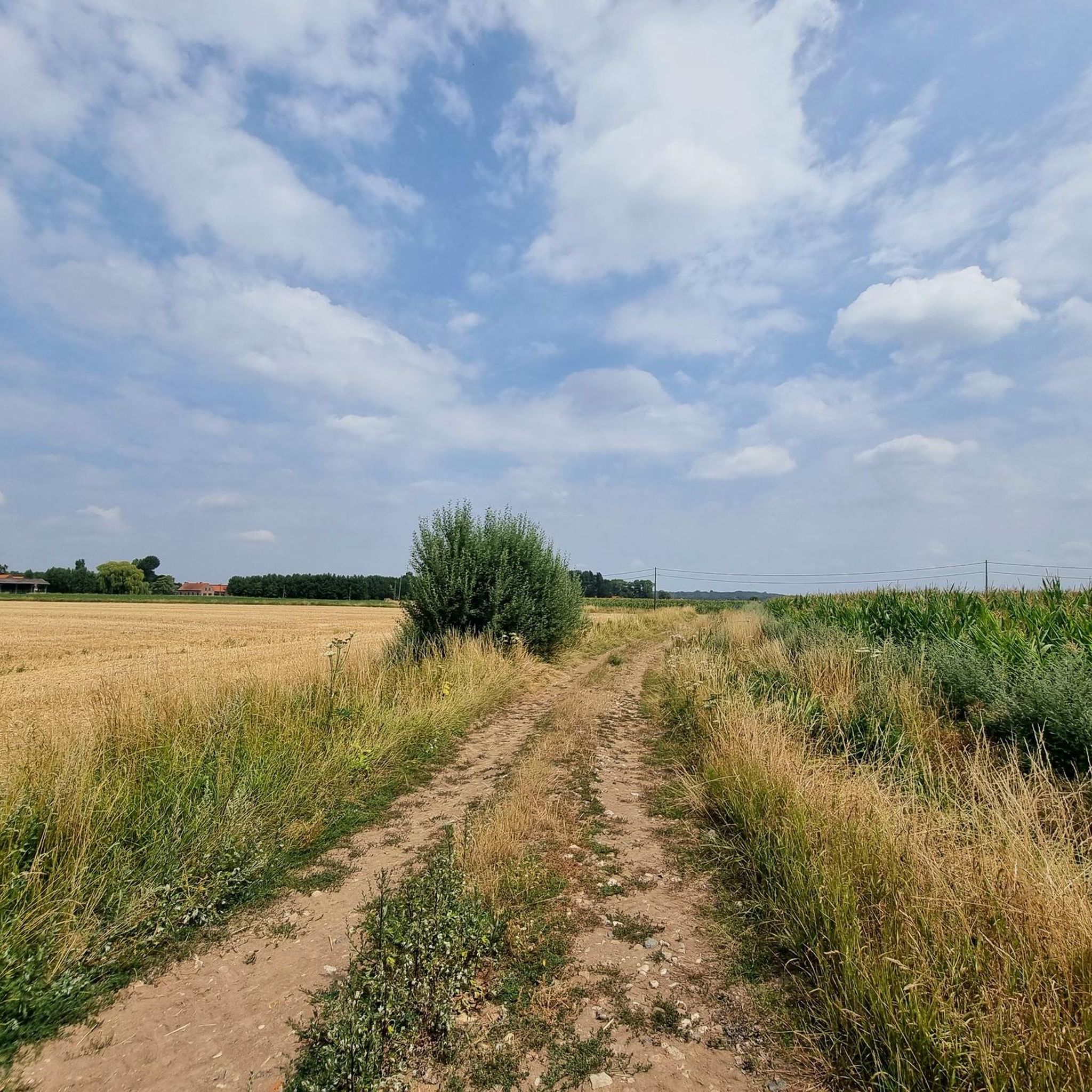
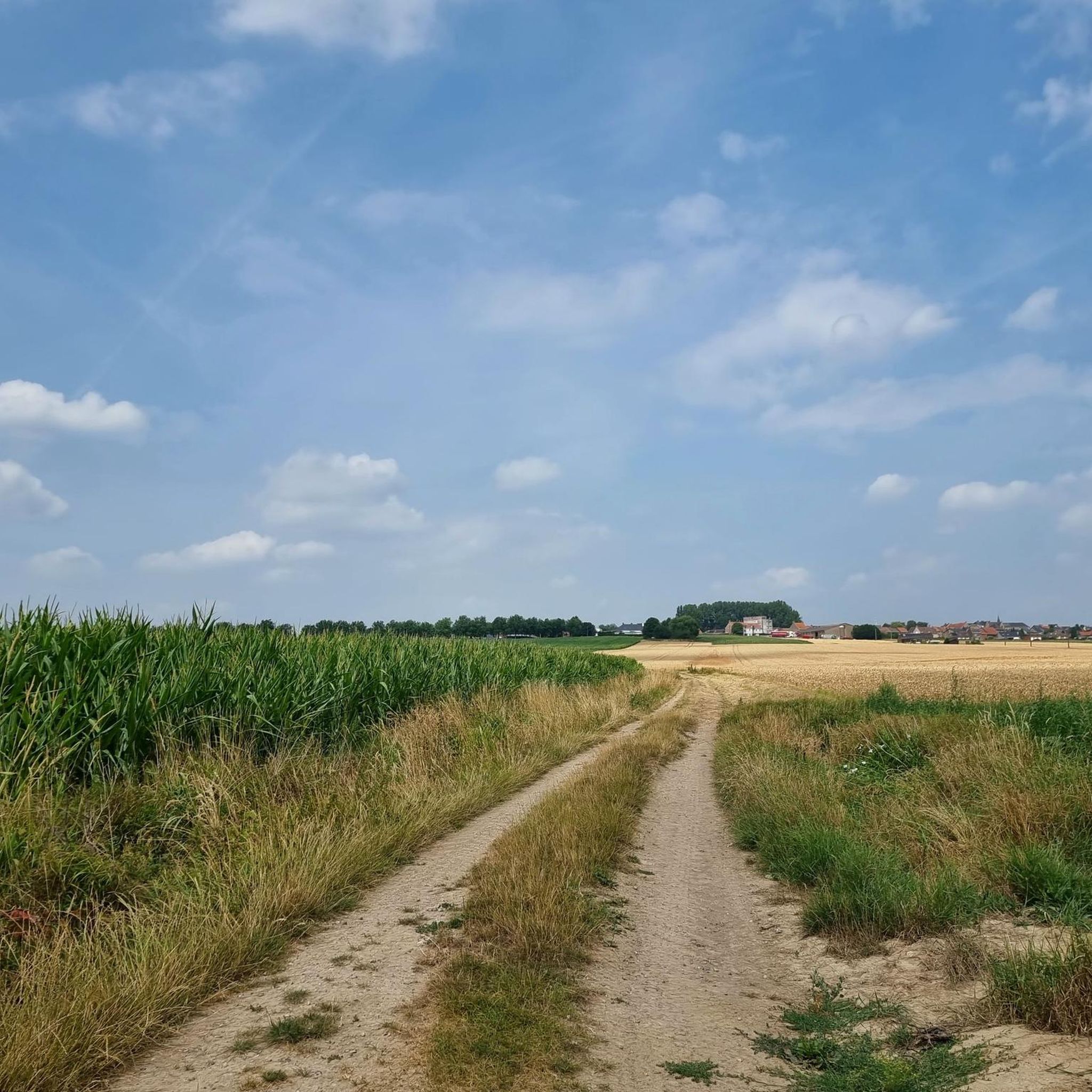
Erquinghem-Lys is situated within the Plaine de la Lys, a distinctive landscape characterized by its flat terrain, wet meadows, and the meandering Lys river. This area is ideal for observing diverse flora and fauna. Just 4 km away, Les Prés du Hem offers another natural site for recreational activities.
What outdoor activities are available for visitors?
The region around Erquinghem-Lys is excellent for outdoor activities. You can enjoy hiking and cycling along the towpaths of the Lys river, or explore routes through nearby Parc Deliac and ZAC du moulin. For specific routes, you can find options like the 'Wetland loop from Erquinghem-Lys' for hiking or the 'Towpath of the Lys – Pont Rouge loop from Armentières' for gravel biking. More routes are available in the hiking guide, road cycling guide, and gravel biking guide for the area.
Are there family-friendly attractions near Erquinghem-Lys?
Yes, several attractions are suitable for families. Mesen, with its historical significance and panoramic views, is considered family-friendly. The Australian Memorial Park Fromelles, commemorating Australian soldiers, is also listed as family-friendly. Additionally, Pont Rouge offers pleasant views and is part of an accessible trail, making it suitable for families.
Where can I find memorials related to the World Wars?
The area is rich in World War memorials. You can visit the Australian Memorial Park Fromelles, featuring the 'Cobbers' statue. The Le Trou Aid Post Cemetery is a moving military cemetery established in 1914. Further afield, the Irish Peace Park, with its impressive Peace Tower, commemorates Irish soldiers. The English War Memorial within the local cemetery also pays tribute to fallen soldiers.
Can I go cycling along the Lys river?
Absolutely. The towpaths along the Lys river are ideal for cycling. The flat terrain of the Plaine de la Lys makes for enjoyable rides. You can find various cycling routes, including gravel biking options like the 'Towpath of the Lys – Pont Rouge loop from Armentières', in the gravel biking guide for the area.
What are some notable viewpoints in the region?
For panoramic views, climb the tower of St. Nicholas Church in Mesen, which offers a wonderful vista over the hills of Heuvelland towards Lille. Pont Rouge provides pleasant views over the canal and surrounding countryside. The Irish Peace Park also offers a peaceful setting with a beautiful view.
What do komoot users enjoy most about the attractions in Erquinghem-Lys?
Komoot users appreciate the blend of historical sites, cultural experiences, and natural beauty. They particularly enjoy the panoramic views from St. Nicholas Church in Mesen and the historical significance of the town. The peaceful and moving atmosphere of military cemeteries like Le Trou Aid Post Cemetery is also highly valued. The pleasant views from Pont Rouge over the canal are frequently mentioned.
Are there any UNESCO World Heritage sites accessible from Erquinghem-Lys?
Yes, several impressive belfries, recognized as UNESCO World Heritage sites, are located within a reasonable distance. These include the Beffroi d'Armentières (3km), Beffroi de Bailleul (10km), and the Beffroi de Lille (17km), making them easily accessible for a day trip.
What is the best time of year to visit Erquinghem-Lys for outdoor activities?
The region's flat terrain and wet meadows are enjoyable throughout the warmer months. Spring and autumn offer pleasant temperatures for hiking and cycling along the Lys river towpaths, with vibrant natural scenery. Summer is also suitable, though it can be warmer. For specific routes, check the hiking guide and cycling guides for details on terrain and difficulty.
Are there any nature reserves or bird sanctuaries nearby?
Yes, the Ploegsteert Nature and Bird Sanctuary is located about 13 km away. This sanctuary covers approximately 130 hectares and is a haven for over 220 bird species, offering an exceptional natural heritage experience for birdwatchers and nature lovers. You can find more information about natural sites here.
Most popular routes around Erquinghem-Lys
Most popular attractions around Erquinghem-Lys

Get inspired with the komoot mobile app


Explore more
Still not found the Highlight you’re looking for? See guides of the top attractions in other regions:
