Top 10 Castles around Kunheim
Best castles around Kunheim are found in the broader Alsace region, located in France's Haut-Rhin department. While Kunheim itself does not host castles, the surrounding landscape is characterized by the Rhine plain and hills, where numerous medieval fortifications are situated. These sites offer insights into the region's rich history and strategic importance, with the area's geography influencing the placement and design of these historic structures.
Best castles around Kunheim
- The most popular castles is Burkheim Castle Ruins, a castle…
Last updated: October 4, 2026
Sponeck Castle
Highlight • Castle
Translated by Google •
Tip by

Schwendi Castle Ruins (Burkheim)
Highlight • Castle
Translated by Google •
Tip by
Sign up now to discover places like this
Get recommendations on the best single tracks, peaks, & plenty of other exciting outdoor places.
Schlossberg Pavilion and the Höhingen Castle Ruins
Highlight • Castle
Translated by Google •
Tip by

Old Town of Breisach am Rhein
Highlight • Historical Site
Translated by Google •
Tip by

Zur Limburg Inn
Highlight • Restaurant
Translated by Google •
Tip by

Sign up for free to discover even more castles around Kunheim.
Already have an account?
Start today with a free account
Your next adventure awaits.
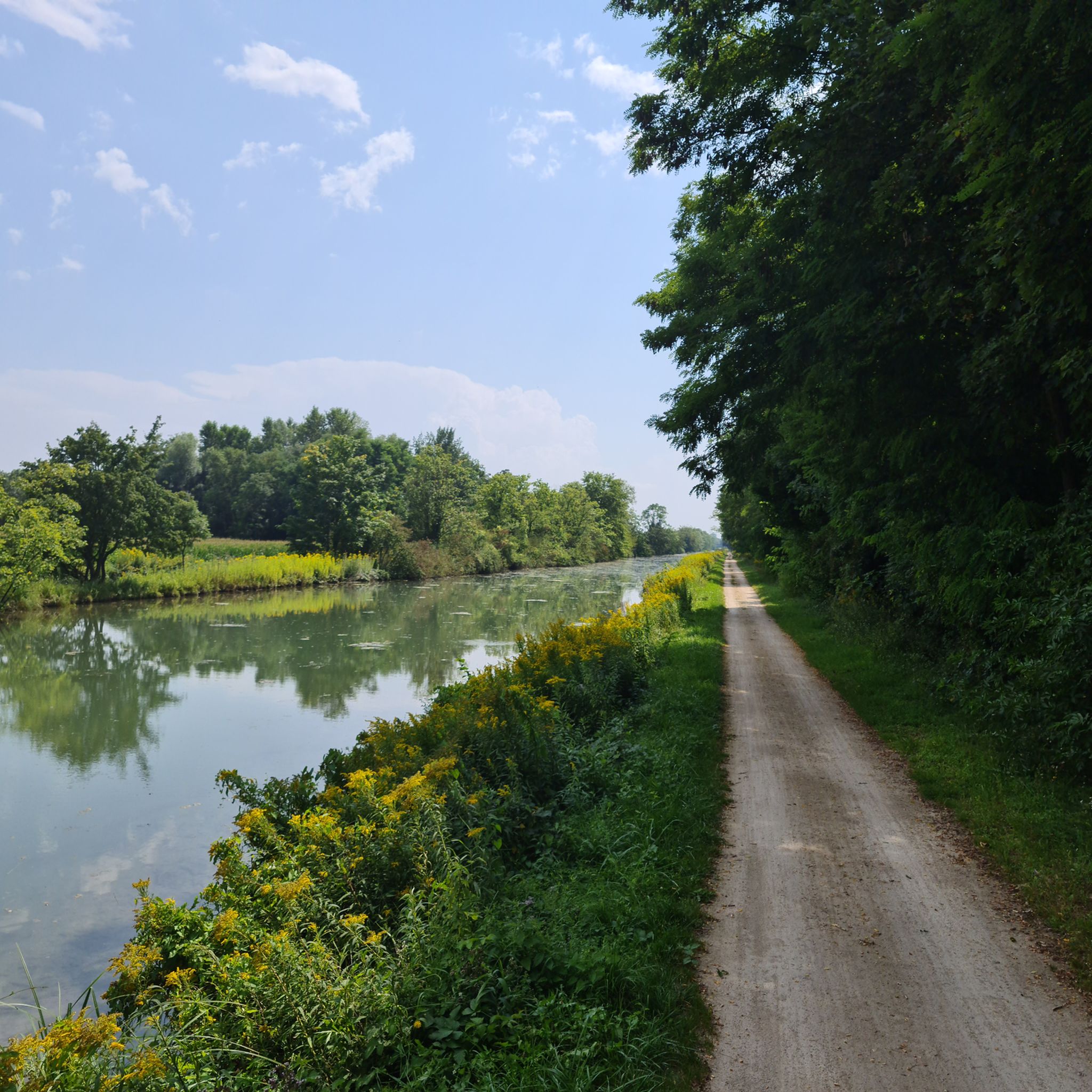
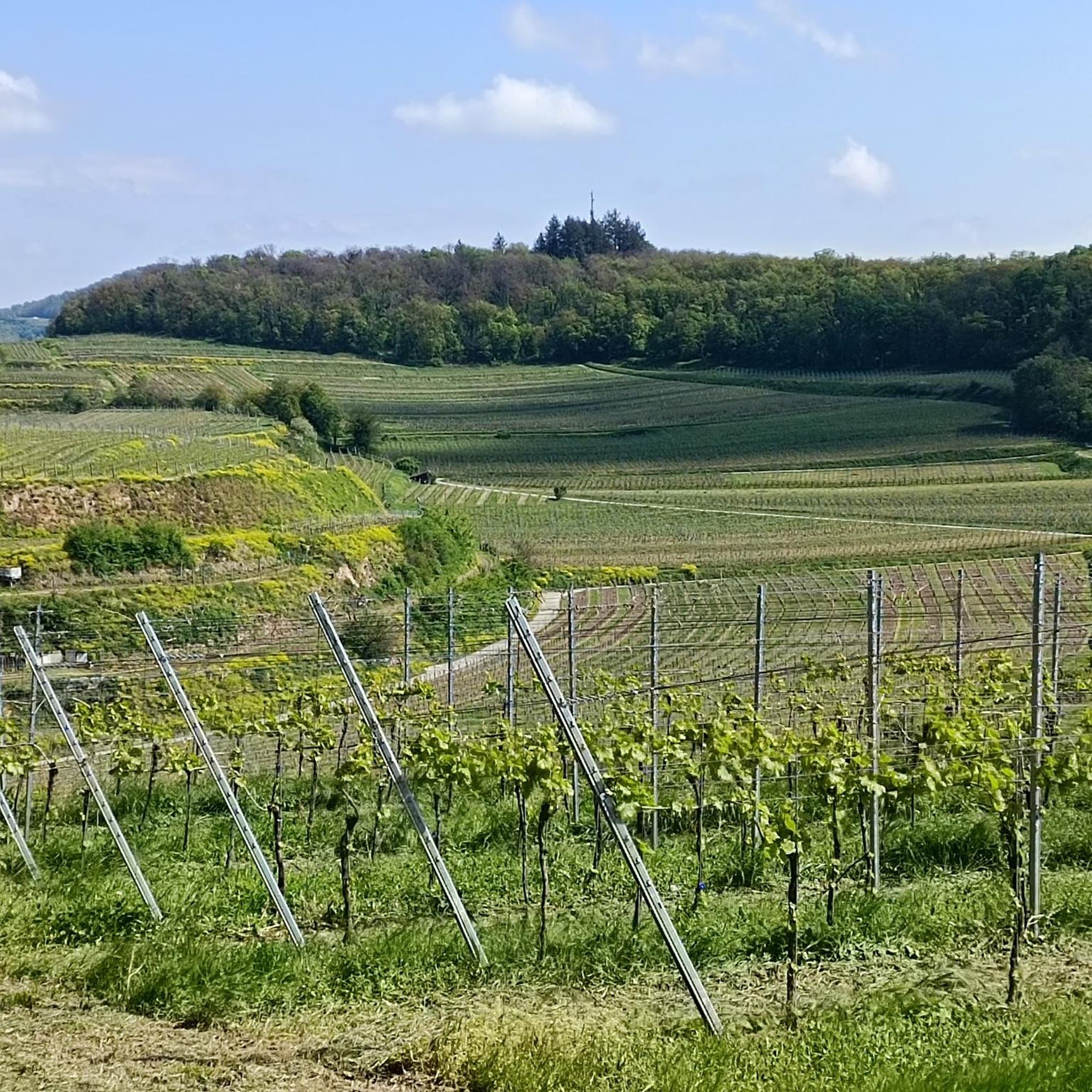
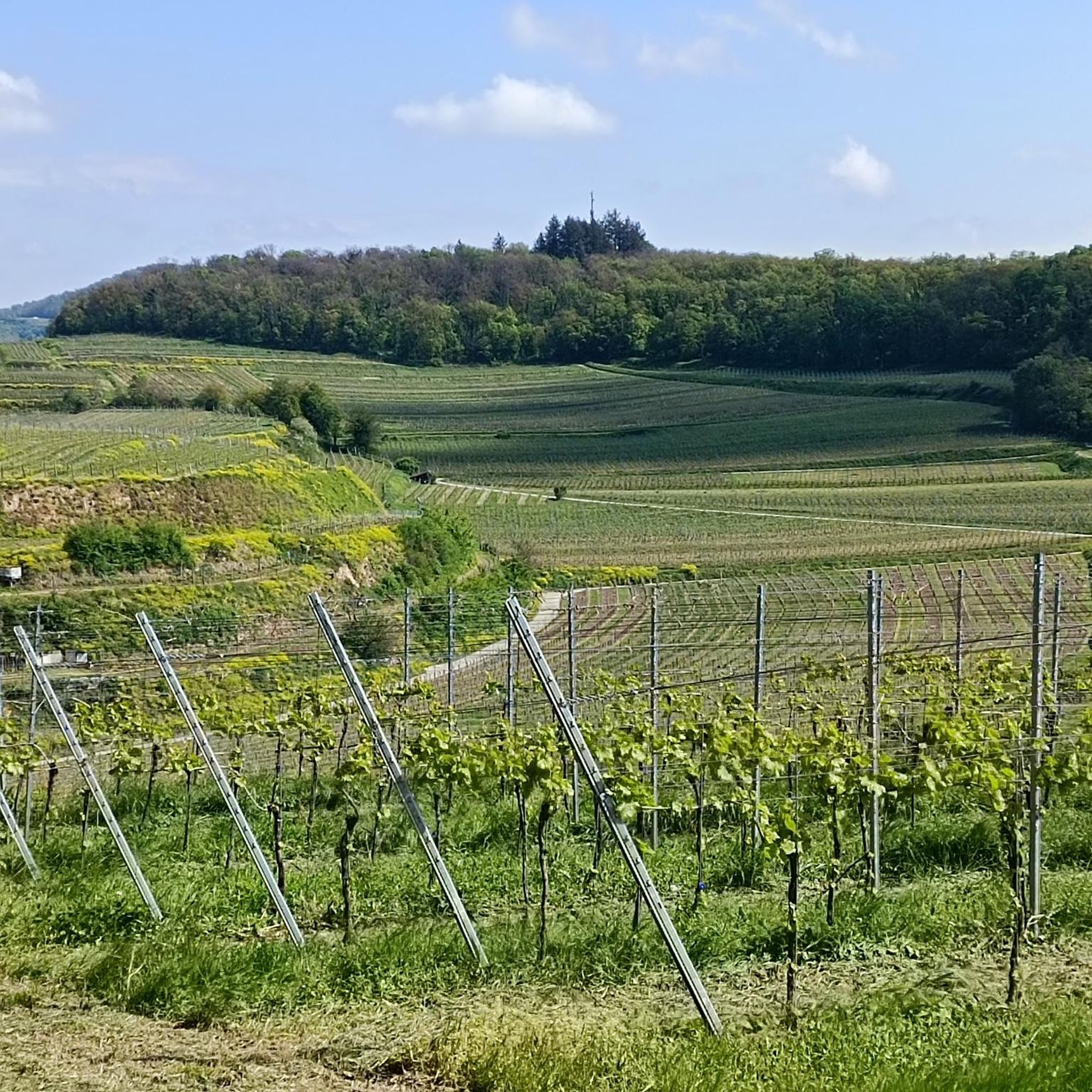

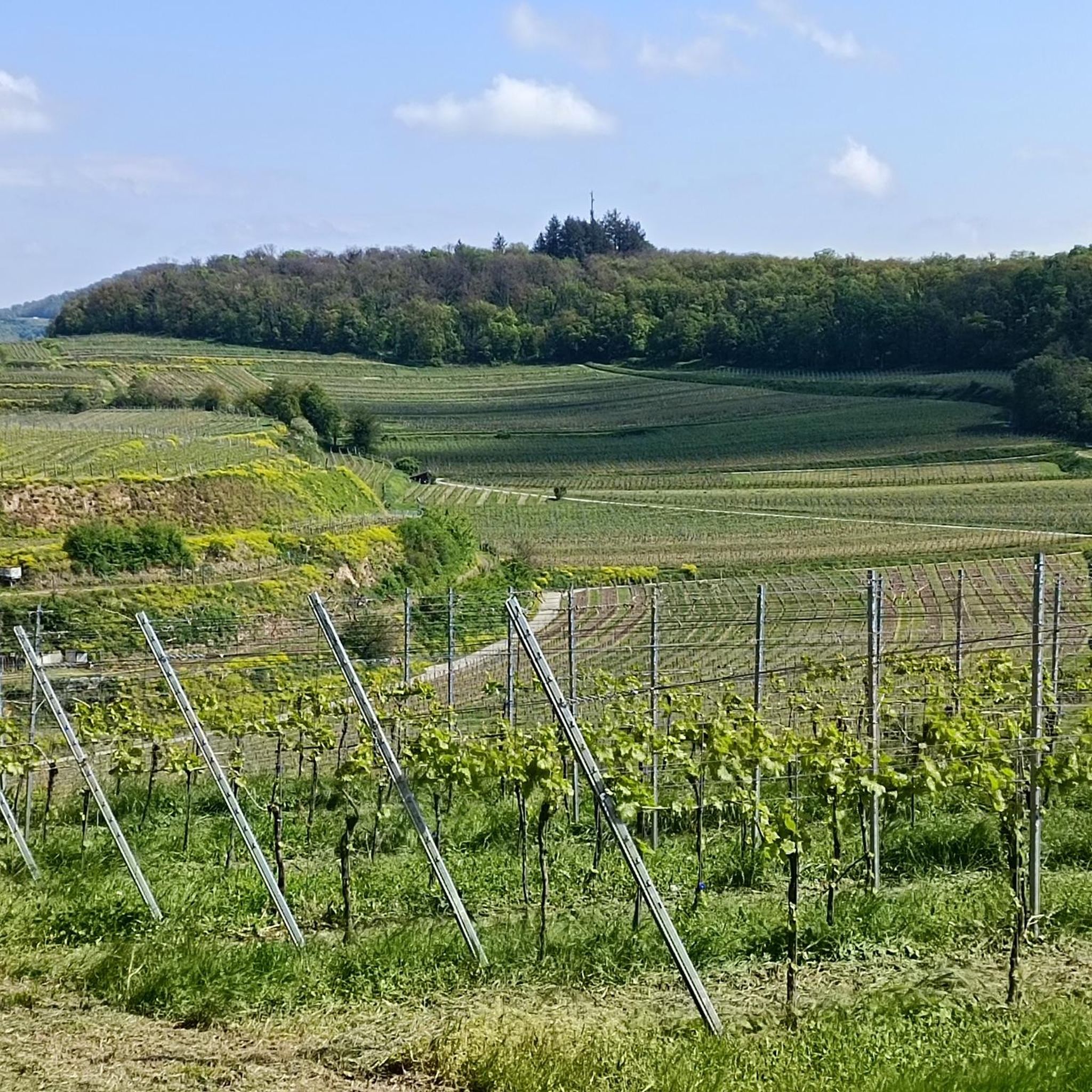
Tips from the Community

The first lord of the castle was Hildebrand Spenlin from Breisach. The word "Spenlin" means "little shavings" (from a plane). In Alemannic usage, Spenlin is called "Spänle." Without the diminutive, Span = Spon. The castle is mentioned in documents as Spenlins Eck, Span-Egge, or the Sponeck.
10
0

You can see my bike tour pictures and recommendations on instagram #bikers.ben
0
0

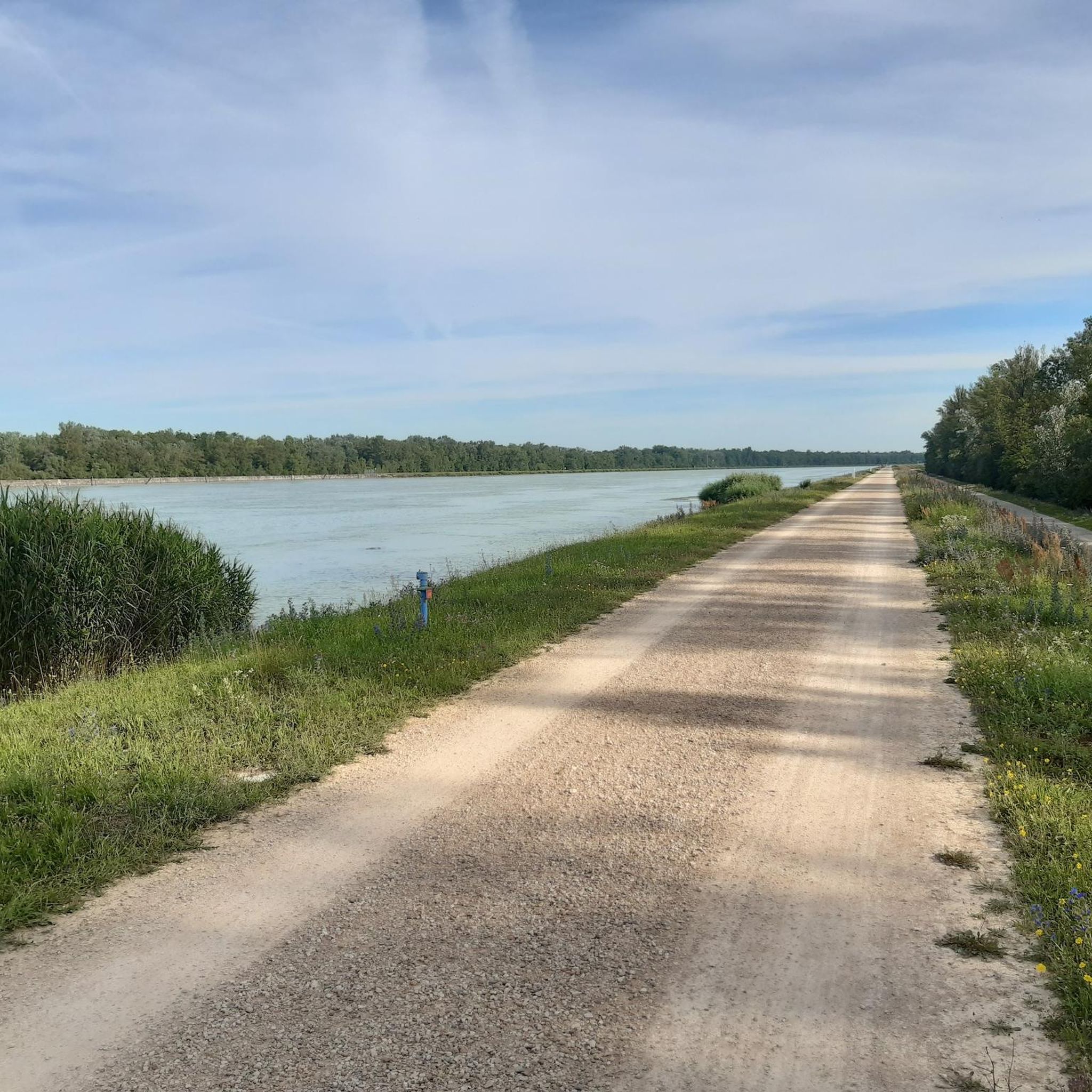
Be careful, the pavement feels like soap when it rains. In the end I had to get off because it was too slippery.
1
0

Welcome to the beer garden when the weather is nice. Of course, there are also French guests.
0
0

Nice rest area, nice view. Well attended.
0
0

Insect hotel
0
1

The view from Münsterplatz is definitely worth a detour, especially at sunset in the summer months.
1
0

Frequently Asked Questions
Are there any castles directly in Kunheim?
No, Kunheim itself does not host any historic castles. However, the broader Alsace region, where Kunheim is located, is renowned for its impressive medieval castles, many of which are significant tourist attractions.
What are some of the most notable castles to visit near Kunheim?
While Kunheim doesn't have castles directly, the surrounding region offers several remarkable sites. These include the iconic Château du Haut-Koenigsbourg, known for its panoramic views and extensive reconstruction, and the Éguisheim Castles (Dagsbourg, Wahlenbourg, and Weckmund), which are ancient ruins offering a glimpse into medieval strategic positioning. Other highlights include Sponeck Castle, with its accessible garden and Roman fort remains, and the picturesque Schwendi Castle Ruins (Burkheim).
What kind of historical experience can I expect from castles near Kunheim?
The castles around Kunheim offer a rich historical experience, ranging from well-preserved and rebuilt fortresses like Château du Haut-Koenigsbourg, where you can explore imposing towers and decorated rooms, to ancient ruins such as the Éguisheim Castles, which tell tales of sieges and medieval life. Sites like Sponeck Castle also feature remains of Roman forts, highlighting the region's long strategic importance.
Are there family-friendly activities at castles near Kunheim?
Yes, some castles offer family-friendly attractions. For example, Château de Kintzheim is home to the 'Volerie des Aigles' (Eagle Park), which provides impressive free-flying bird of prey shows, making it an engaging visit for all ages. Exploring the grounds of ruined castles like Schwendi Castle Ruins (Burkheim) can also be an adventurous outing for families.
What are the best times of year to visit castles in the Alsace region?
The best time to visit castles in the Alsace region is generally during spring (April-May) and autumn (September-October) when the weather is pleasant for exploring and the landscapes are particularly scenic. Summer (June-August) is also popular, though it can be warmer and more crowded. Visiting in winter might offer a unique, quieter experience, but some attractions or parts of the castles might have reduced hours or be closed due to weather.
Are there hiking trails near the castles around Kunheim?
Yes, many castles in the region are situated on hillsides or in scenic areas with nearby hiking opportunities. For instance, you can find trails around Sponeck Castle and the Schwendi Castle Ruins (Burkheim). For more detailed hiking routes in the area, you can explore the Hiking around Kunheim guide, which includes routes like the 'Sponeck Castle – Burkheim Old Town loop'.
What kind of views can I expect from the castles near Kunheim?
Many castles in the region offer spectacular panoramic views due to their strategic hilltop locations. Château du Haut-Koenigsbourg provides breathtaking views of the Alsace plain, while Hohlandsbourg Castle offers vistas of the Munster Valley vineyards and surrounding mountains. Even smaller sites like the Schlossberg Pavilion and the Höhingen Castle Ruins are noted for their great views and inviting resting spots.
What do visitors particularly enjoy about the castles around Kunheim?
Visitors frequently appreciate the historical significance and the scenic beauty of the castles. Many enjoy the accessible gardens and Roman fort remains at Sponeck Castle, and the picturesque setting of the Schwendi Castle Ruins (Burkheim). The panoramic views from hilltop castles are also a major draw, providing excellent photo opportunities and a sense of the region's strategic past.
Are there options for dining or refreshments near these castles?
Yes, you can often find dining options in towns and villages near the castles. For example, the Zur Limburg Inn is a popular spot with a large beer garden, offering meals and drinks, especially convenient if you're cycling along the Rhine Valley. Many villages also have local restaurants and cafes.
Can I combine a castle visit with other outdoor activities?
Absolutely. The region around Kunheim is excellent for combining castle visits with outdoor activities. You can find numerous hiking trails that lead to or past castle ruins, offering scenic walks. There are also road cycling routes and running trails that allow you to explore the beautiful Alsatian landscape and its historic sites.
Are there any lesser-known or 'hidden gem' castles worth visiting?
While the major castles are well-known, exploring the smaller ruins can offer a unique experience. The Burg Limberg Ruins, for instance, are a nice little facility ideal for resting, offering views across the Rhine to the Vosges Mountains. These less crowded sites provide a more intimate connection with the region's history.
Most popular routes around Kunheim
Most popular attractions around Kunheim

Get inspired with the komoot mobile app


Explore more
Looking for the best castles somewhere else? Discover other guides around Kunheim:
