Attractions and Places To See around Saint-Restitut - Top 20
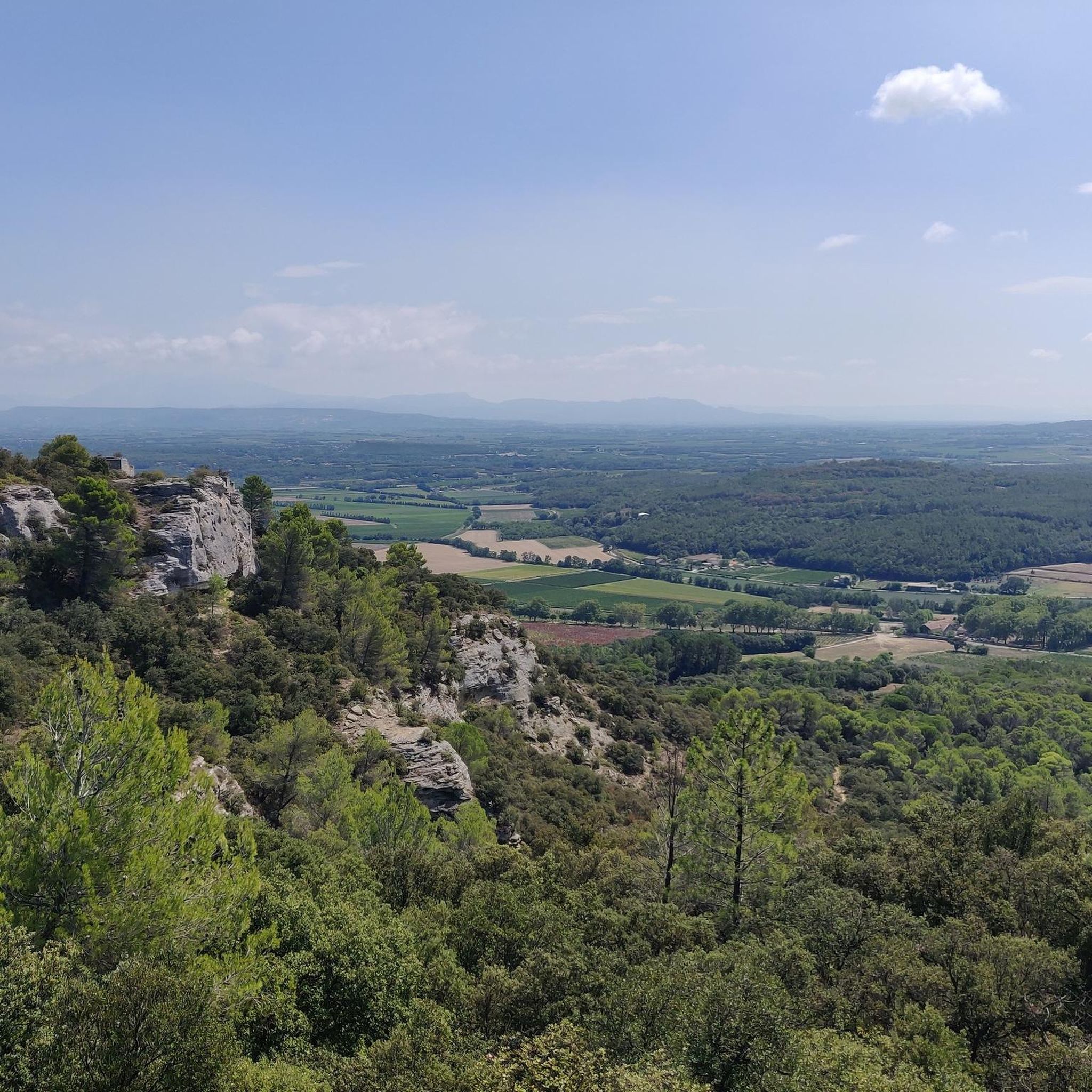
Best attractions and places to see around Saint-Restitut include a variety of historical landmarks and natural features. This charming hilltop village in the Drôme department of France is situated on a rocky promontory, offering views of the surrounding plain, garrigues, vineyards, and olive groves. The area is known for its rich heritage, including ancient defensive structures and unique geological formations.
Best attractions and places to see around Saint-Restitut
- The most popular attractions is Troglodyte Village of Barry, a historical site known for its cave dwellings. This impressive village was continuously inhabited from the Early Stone Age until after the Second World War, featuring structures entirely dug into the rock.
- Another must-see spot is Suze-la-Rousse Castle, a 12th-century medieval fortress. It features a 15th-century Renaissance courtyard and houses the University of Wine.
- Visitors also love Val des Nymphes Chapel, a Romanesque chapel built in the 13th century. It is located near a spring and among century-old oak trees, offering a natural and historical experience.
- Saint-Restitut is known for its historical sites, religious buildings, and unique settlements. The area offers a variety of attractions to see and explore, from ancient quarries to picturesque villages.
- The attractions around Saint-Restitut are appreciated by the komoot community, with more than 120 upvotes and 137 photos shared by visitors.
Last updated: May 10, 2026
Troglodyte Village of Barry
Highlight • Historical Site
Translated by Google •
Tip by

Suze-la-Rousse Castle
Highlight • Castle
Translated by Google •
Tip by

Sign up now to discover places like this
Get recommendations on the best single tracks, peaks, & plenty of other exciting outdoor places.
Sign up for free
La Garde-Adhémar
Highlight • Settlement
Translated by Google •
Tip by

Val des Nymphes Chapel
Highlight • Religious Site
Translated by Google •
Tip by

A jewel of Romanesque art
Highlight • Other
The Church of St. Michael, listed as a Historic Monument, is a jewel of Romanesque art from the second half of the 12th century. Thanks to the support of Prosper Merimée, inspector of Historic Monuments, the church was restored in 1849-50. The second floor and the bell tower pyramid were erected at the same time.
It is remarkable for the interior perfection of its stonework and the balance of its volumes. The elevation of the nave lends elegance and lightness to the whole, with its decoration remaining very sober. A notable feature: it is distinguished by the presence of a double apse opposite the entrance. The north chapel houses a polychrome wooden Romanesque Virgin Mary, "Our Lady of Good Help."
Translated by Google •
Tip by

Sign up for free to discover even more attractions around Saint-Restitut.
Sign up for free
Already have an account?
Start today with a free account
Your next adventure awaits.
Login or Signup

Tips from the Community

Listed among the "Most Beautiful Villages of France," La Garde-Adhémar offers a unique panorama of the Rhône Valley. La Garde-Adhémar proudly overlooks the Rhône Valley from its limestone spur and has preserved its medieval past with its ramparts, cobbled streets, castle ruins, and old houses. The village, with its dazzling white stones, captivates with its typically Provençal atmosphere. Its cobbled streets, stone houses bathed in the golden light of the South, and its remarkably preserved medieval heritage make it a truly postcard-perfect setting and invite discovery. Between history, nature, and magnificent panoramas, this hilltop village invites you to a timeless getaway.
0
0
The Renovation Project Saint Michel Church is an emblematic building of the Garde Adhémar. The restoration project involves the roof, which will be completely maintained (cleaning, replacement of slabs) to prevent water infiltration that currently damages the vaults and works of art. The restoration project also includes the complete replacement of the louvers to protect the dome and bells from rain and runoff. The urgent restoration of the various southern and western doors dating from the 1850 restoration is also underway. Exteriorly, a study is also underway to create a small gutter to channel rainwater, which would protect the nave, apses, and sacristy from water infiltration. The project will also include landscaping around the church using natural materials, repairing the joints in the church walls, and finally, installing interior lighting to enhance the pillars, vaults, domes, and numerous works of art. December 2024: Launch of the fundraising campaign Summer 2025: Expected start of construction The site and its history About twenty kilometers south of Montélimar, the white stones of La Garde-Adhémar dazzle in the Drôme Provençale sunshine. From the top of its limestone spur, the village, labeled one of the Most Beautiful Villages in France, has preserved its medieval structure: ramparts, castle remains, and old residences, offering breathtaking views of the Rhône Valley and the Vivarais Mountains. The Saint Michel Church is a fine example of Provençal Romanesque art from the second half of the 12th century. Located in the heart of the village on a rocky spur and surrounded by walls, it stands like a sentinel overlooking the Rhône Valley. Listed as a Historic Monument in 1862, the church impresses visitors with its slender proportions, the balance of its forms, and the subtle interplay of its horizontal and vertical lines. The distinctive features of the Church of Saint Michael include a western counter-apse of Carolingian origin, a remarkable Romanesque axial window, a three-headed capital, and the barrel-vaulted nave, impressive for its grand interior elevation. Finally, an eight-sided dome dominates the sobriety of the dressed stone walls. Below, the botanical garden, classified as a remarkable site, is an integral part of the site. The mobilization The inhabitants of Lagardère are very attached to their church; this heritage site embodies a social and historical bond. They remember the imprint of the successive priests who have enlivened parish life over time. It is also a very strong draw for tourists and visitors. The town's cultural and heritage associations will support the project by scheduling sacred music concerts, exhibitions (including a Provençal nativity scene), guided tours of the town's heritage using QR codes, and the celebration of a midnight mass for Christmas.
0
0
A Provençal Romanesque-style church, characterized by two opposing apses, one east and one west. The Church of St. Michael, listed as a Historic Monument, is a jewel of Romanesque art from the second half of the 12th century. Thanks to the support of Prosper Merimée, inspector of Historic Monuments, the church was restored in 1849-50. The second floor and the bell tower pyramid were erected at the same time. It is remarkable for the interior perfection of its stonework and the balance of its volumes. The elevation of the nave lends elegance and lightness to the whole, with its decoration remaining very sober. A notable feature: it is distinguished by the presence of a double apse opposite the entrance. The north chapel houses a polychrome wooden Romanesque Virgin Mary, "Our Lady of Good Help."
0
0

Beautiful castle on a mountain top, constant view of Mont Ventoux
2
0

Here – in the "Val des Nymphes" – a Christian church meets figures from pagan mythology. Nymphs were considered nature spirits or goddesses in the religious understanding of the time, but by no means as significant as, for example, Mars, Neptune, or even Zeus. They were a popular motif in the visual arts, offering the opportunity to depict naked or scantily clad female figures. The church found here, with the title "Notre Dame" (in German "Our Dear Lady"), which is widely used in France, is also dedicated to a special woman who, although not a goddess herself, according to Christian understanding participated in the divine plan of salvation through her unconditional "yes" to the angel's message: Mary, the Mother of God.
0
0

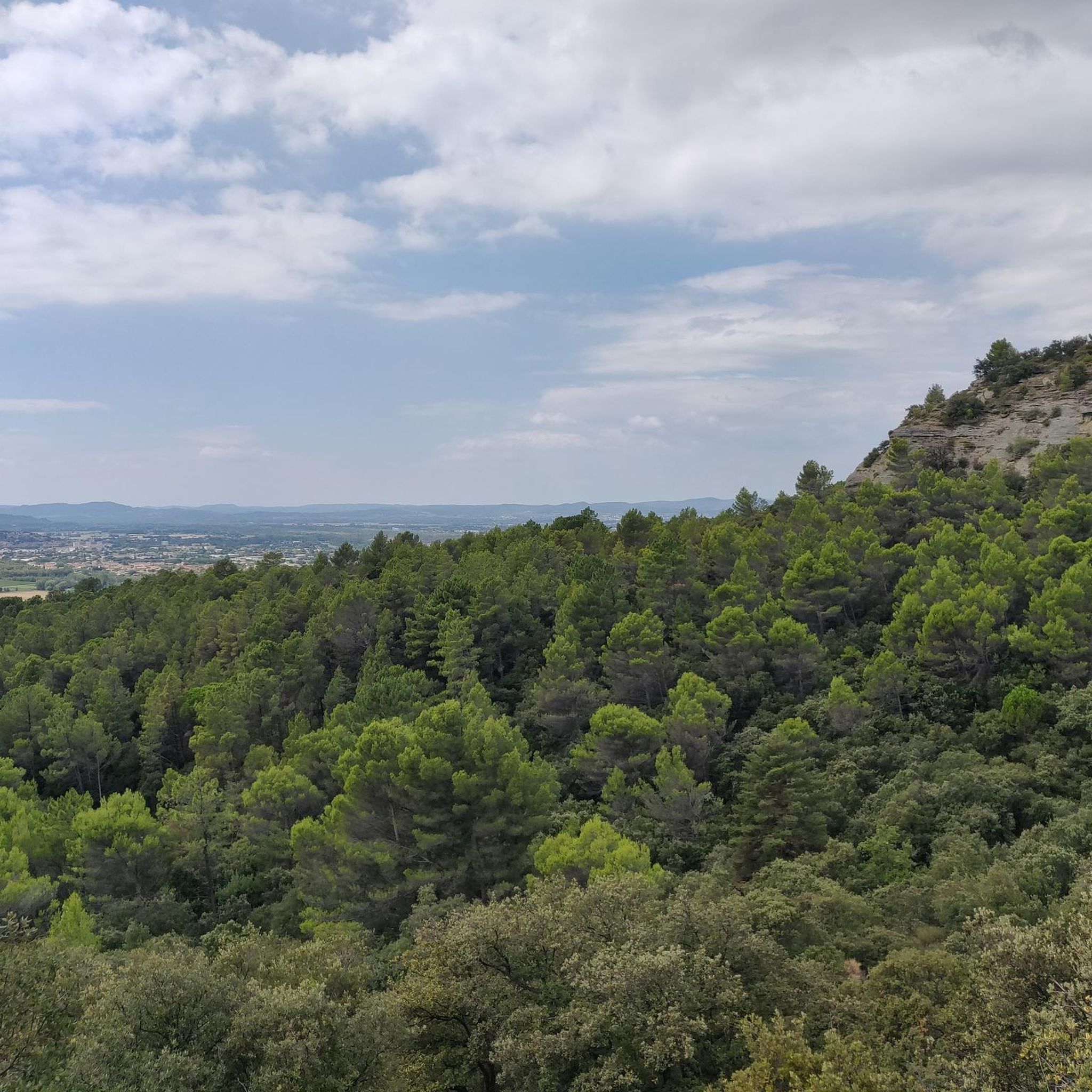
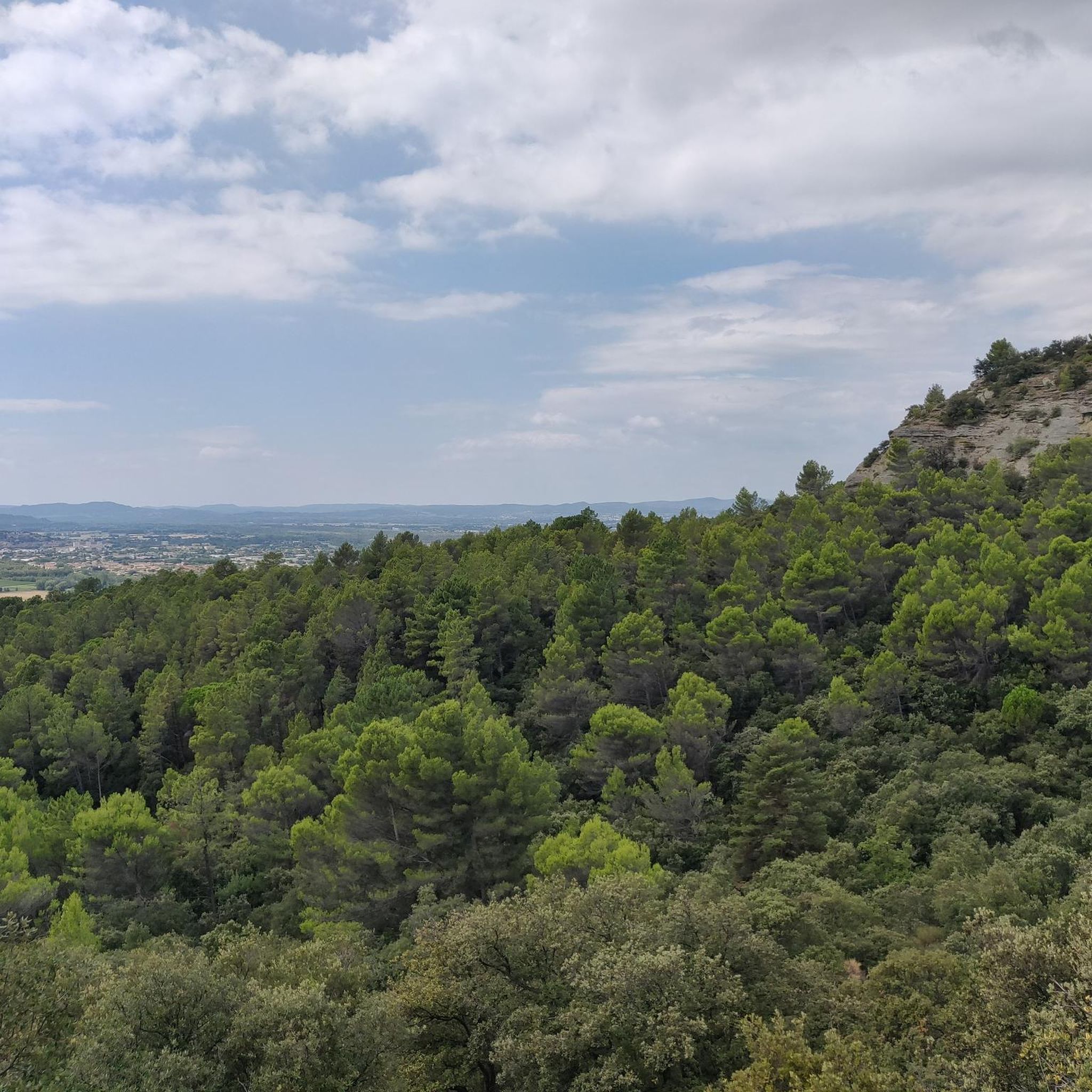
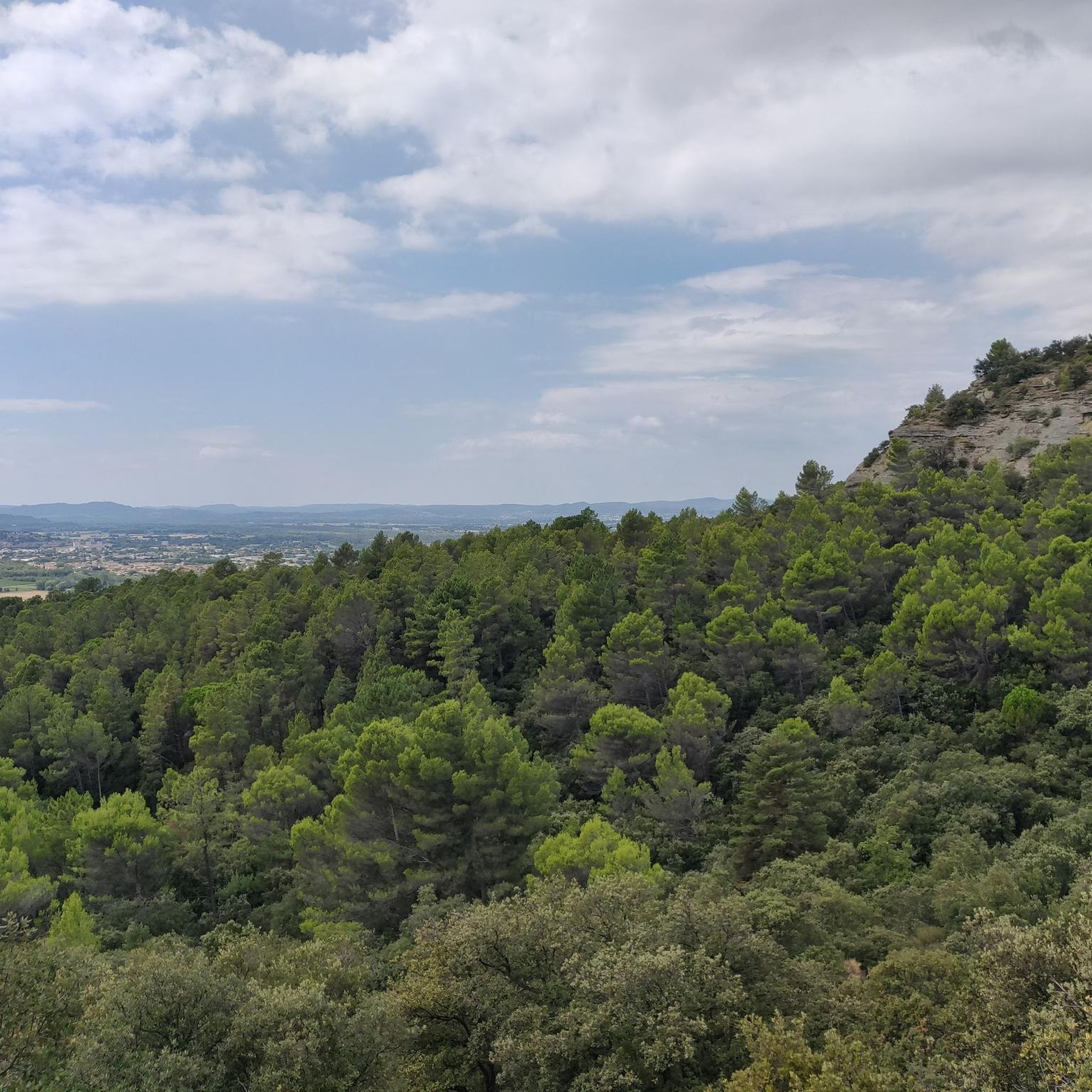
As you venture into the enchanting Valley of the Nymphs, near La Garde-Adhémar, you will discover a hidden oasis of natural beauty. This picturesque valley, nestled among rolling hills and lush vegetation, is a haven for nature lovers.
1
0

Fortunately, it is now a listed building
2
0
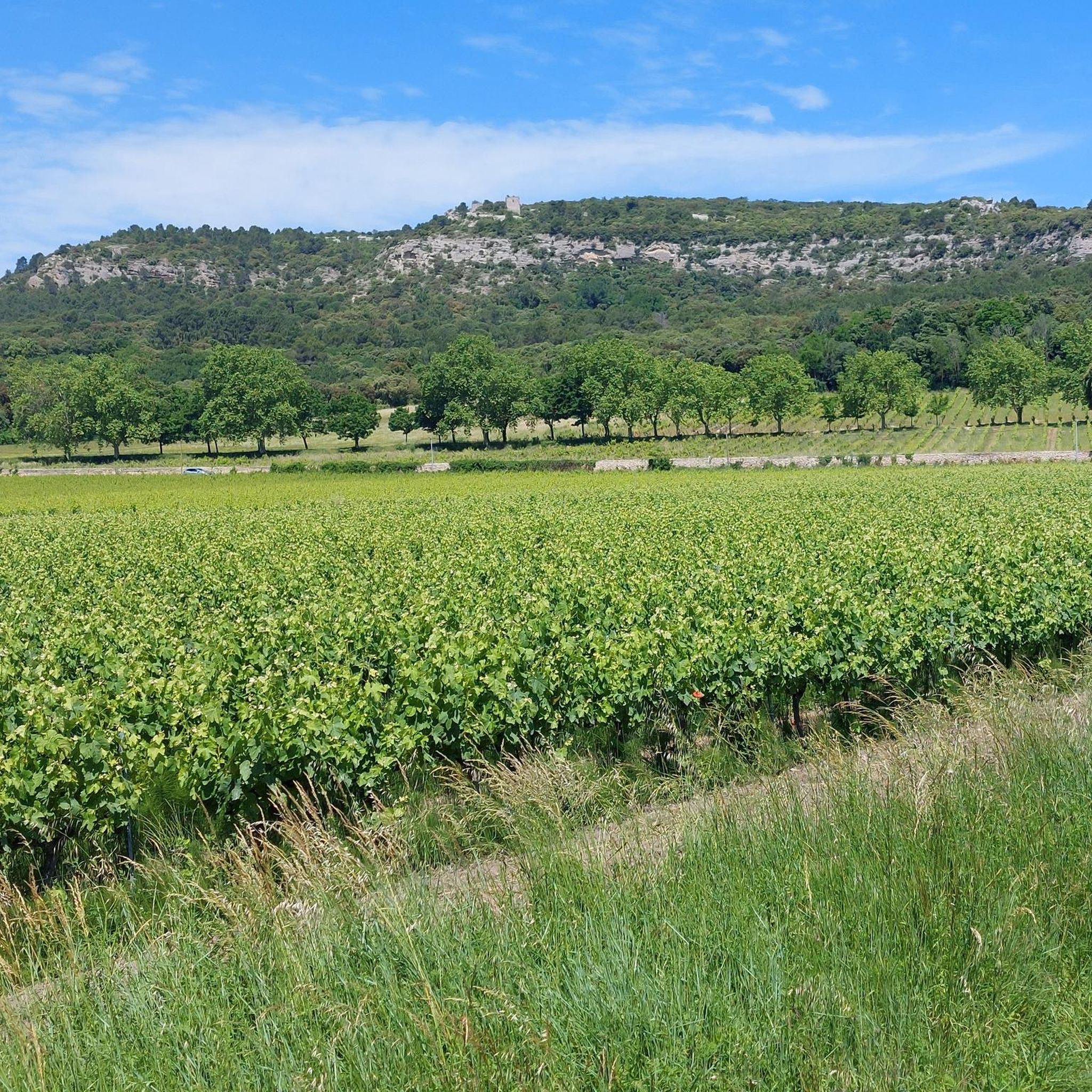
Absolutely worth seeing cave village
4
0
Frequently Asked Questions
What historical sites can I explore in Saint-Restitut?
Saint-Restitut is rich in history. You can visit the 12th-century Church of Saint-Restitut, a prime example of Provençal Romanesque art, featuring an 11th-century funeral tower and unique bas-relief friezes. Don't miss the 16th-century Chapel of the Holy Sepulchre, inspired by its Jerusalem namesake, and the remains of the old ramparts. The village also boasts a Renaissance Turreted House and the Maison de la Tour, all contributing to its rich heritage.
Are there any unique natural or geological features to see near Saint-Restitut?
Yes, the disused stone quarries, famously known as the 'cathedral cellars,' are a unique feature. These ancient subterranean spaces, from which stone was extracted for buildings like the Popes' Palace in Avignon, are now used for aging 'Cellier des Dauphins' wines, offering a unique wine-tasting experience. The village itself is nestled on a rocky promontory, providing scenic views of the Rhône, the Baronnies, and Mont Ventoux, surrounded by garrigues, vineyards, olive groves, and oak woods.
What are some popular historical attractions recommended by komoot users?
Komoot users highly recommend the Troglodyte Village of Barry, an impressive site with cave dwellings continuously inhabited from the Early Stone Age. Another favorite is Suze-la-Rousse Castle, a 12th-century medieval fortress with a 15th-century Renaissance courtyard, which also houses the University of Wine. The Val des Nymphes Chapel, a 13th-century Romanesque chapel near a mysterious spring and ancient oak trees, is also a must-see.
Are there family-friendly activities or attractions around Saint-Restitut?
Yes, several attractions are suitable for families. Suze-la-Rousse Castle is a great option, offering a glimpse into medieval history. The charming perched village of La Garde-Adhémar, classified as one of the 'Most Beautiful Villages of France,' provides beautiful views and a pleasant environment for a family stroll. Exploring the unique Troglodyte Village of Barry can also be an engaging experience for all ages.
What kind of outdoor activities can I do near Saint-Restitut?
The area around Saint-Restitut is excellent for outdoor activities. You can enjoy hiking, mountain biking, and cycling. For specific routes, check out the guides for Hiking around Saint-Restitut, Cycling around Saint-Restitut, and Road Cycling Routes around Saint-Restitut.
Are there hiking trails near the attractions?
Absolutely! There are several hiking trails that allow you to explore the natural and historical sites. For instance, you can find routes like the 'Troglodyte Village of Barry – Troglodyte Village of Barry loop from Saint-Restitut' or the 'Sainte-Juste Chapel – The quarries loop from Saint-Restitut.' These trails offer varying difficulties and are a great way to experience the region. Find more options in the Hiking around Saint-Restitut guide.
What is the best time to visit Saint-Restitut for sightseeing and outdoor activities?
The spring and autumn months are generally ideal for visiting Saint-Restitut. During these seasons, the weather is pleasant for exploring historical sites, walking through the villages, and enjoying outdoor activities like hiking and cycling. The landscapes are also particularly beautiful with blooming garrigues or autumnal colors in the vineyards and oak woods.
Where can I learn about the local agriculture and wine production?
For insights into the region's agricultural history, particularly viticulture, you can visit the Musée des Vignerons in Saint-Restitut. Additionally, the disused stone quarries, known as the 'cathedral cellars,' offer a unique experience where you can learn about and taste local wines aged in these atmospheric subterranean spaces.
What kind of views can I expect from the villages and attractions?
From Saint-Restitut, perched on its rocky promontory, you can enjoy remarkable panoramas of the Rhône Valley, the Baronnies, and even Mont Ventoux on clear days. The village of La Garde-Adhémar also offers breathtaking views over the Rhône valley. Many historical sites, like Troglodyte Village of Barry and Suze-la-Rousse Castle, are situated to provide excellent viewpoints of the surrounding landscape.
Are there any cultural centers or art installations in the area?
Yes, Saint-Restitut has a Cultural and Craft Center that hosts various interesting exhibitions showcasing local arts and crafts. You can also discover 'Les Sentinelles,' a contemporary art installation made of limestone blocks, which serves as a poignant memorial to the quarrymen who shaped the village's history.
How long should I plan to spend visiting the attractions around Saint-Restitut?
To fully appreciate the historical sites, natural beauty, and perhaps enjoy some outdoor activities or wine tasting, planning at least a full day, or even a weekend, is recommended. This allows ample time to explore the village of Saint-Restitut, visit the 'cathedral cellars,' and venture out to nearby highlights like the Troglodyte Village of Barry or Suze-la-Rousse Castle at a relaxed pace.
Is there a specific walking tour available to discover Saint-Restitut's heritage?
While specific guided walking tours are not detailed in our data, you can follow a self-guided discovery tour of Saint-Restitut to explore its heritage. The village's peaceful atmosphere, sloping streets, and traditional stone houses make for a beautiful walk, allowing you to discover landmarks like the Church of Saint-Restitut, the Chapel of the Holy Sepulchre, and the old ramparts at your own pace. For more information on a discovery tour, you might check resources like drome-tourism.com.
Most popular routes around Saint-Restitut
Most popular attractions around Saint-Restitut

Get inspired with the komoot mobile app


Explore more
Still not found the Highlight you’re looking for? See guides of the top attractions in other regions:
