Attractions and Places To See around Vauxrezis - Top 20
Best attractions and places to see around Vauxrezis include historical landmarks and natural landscapes. This small commune in the Aisne department of France offers insights into historical and rural French heritage. The area features significant historical sites and a pleasant rural environment. Visitors can explore ancient monuments and enjoy outdoor activities in the surrounding countryside.
Best attractions and places to see around Vauxrezis
- The most popular attractions is Coucy Castle, a castle built in the 13th century. Its ruins…
Last updated: July 2, 2026
Coucy Castle
Highlight • Castle
Translated by Google •
Tip by

Saint-Jean-des-Vignes Abbey, Soissons
Highlight • Other
Translated by Google •
Tip by

Sign up now to discover places like this
Get recommendations on the best single tracks, peaks, & plenty of other exciting outdoor places.
Sign up for free
Laon Gate (Coucy-le-Château-Auffrique)
Highlight • Other
Translated by Google •
Tip by

Saint-Sauveur Church of Coucy-le-Château-Auffrique
Highlight • Religious Site
Tip by
Le fond Guesot
Highlight • Cave
Translated by Google •
Tip by
Sign up for free to discover even more attractions around Vauxrezis.
Sign up for free
Already have an account?
Start today with a free account
Your next adventure awaits.
Login or Signup


Tips from the Community

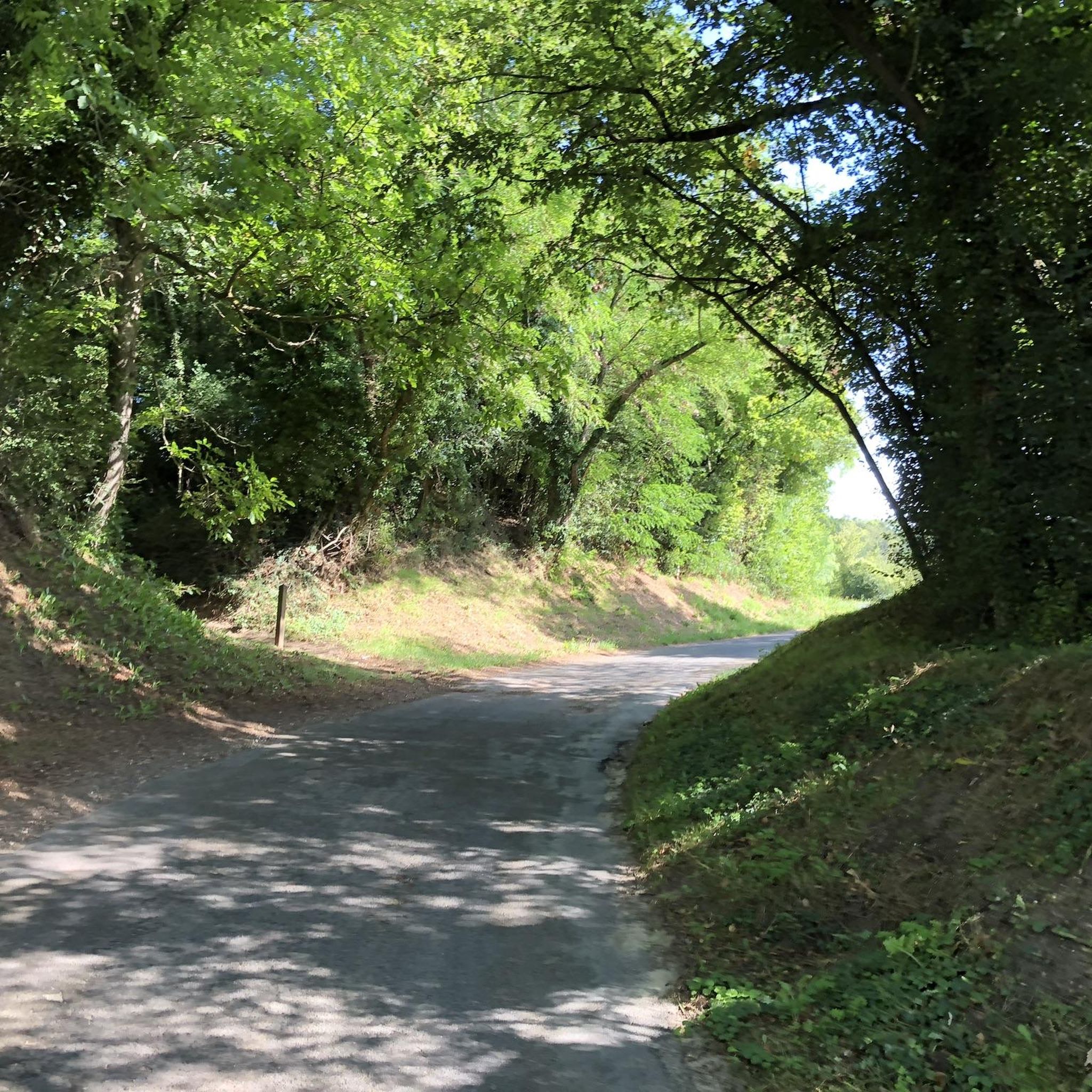
Great place to discover in the forest
0
0
Possibility to sit on the steps for a meal or a break. Lamp recommended
0
0


The Abbaye Saint-Jean-des-Vignes is a former abbey of Augustinian canons in Soissons, France. It was founded in 1076 by Hugues le Blanc, lord of the region, and was one of the richest abbeys in the Middle Ages at the time. The abbey is located on the Saint-Jean hill, southwest of the city center of Soissons and has a Gothic architecture. It is currently a historical monument and is open to visitors. It includes a beautiful facade, a refectory, a cloister and outbuildings. The former abbot's house houses the Center for the Interpretation of Architecture and Heritage.
9
0

The caves at the bottom of Guesot in Fontenoy are part of a natural site which includes the slopes of Port-Fontenoy and the Ru de Vaux valley. The caves are home to rare bats that hibernate there in winter, and also contain prehistoric carvings on the walls. The caves are not open to the public, so you will need to obtain special permission from the Conservatory of Natural Sites of Picardy before you can visit them. On the other hand, you can admire them from the outside while running.
2
0
Coucy Castle is a magnificent castle built in the 13th century by Enguerrand III, Lord of Coucy. It was one of the largest and most impressive castles in Europe, with a massive keep and four towers dominating the landscape. The castle was partially destroyed during the First World War, but its ruins still bear witness to its past glory. You can discover the castle and its history by participating in the Trail Enguerrand, a running race that takes you around the castle and its surroundings. The race is 30 km long, with 700 m of altitude difference, and it offers breathtaking views of the castle and the countryside. You can also opt for a shorter distance of 15 km, with 370 m of elevation gain. The race takes place in April and you can register online on the official website. By hiking this trail, you will not only get a good workout, but also a cultural and historical experience.
2
0
The Guesot bottom caves in Fontenoy are part of a natural site which includes the slopes of Port-Fontenoy and the Ru de Vaux valley. The caves are home to rare bats that hibernate there in winter, and also contain prehistoric carvings on the walls. The caves are not open to the public, so you will need to obtain special permission from the Conservatoire des Sites Naturels de Picardie before you can visit them.
2
0
This medieval gate, built in the 13th century, was part of the impressive fortifications of Coucy-le-Château, a town once famous for its castle and its motto: "I am neither king, nor prince, nor count, I am the lord of Coucy ". The Porte de Laon is a massive structure with two round towers and an arched passage, defended by a drawbridge, a double portcullis and a barbican. You can admire the architecture and military devices of this ancient bastion, as well as the panoramic view of the city and the surrounding countryside.
3
0
Frequently Asked Questions
What historical sites can I visit directly in Vauxrezis?
Within Vauxrezis itself, you can explore the fascinating Dolmen de la Pierre Laye, a Neolithic monument classified as a Historic Monument. Additionally, the Church of Saint-Maurice, an 11th or 12th-century Romanesque church rebuilt after WWI, offers a glimpse into the region's cultural heritage.
Are there any medieval castles or fortifications near Vauxrezis?
Yes, a prominent medieval site is Coucy Castle, a magnificent 13th-century castle whose ruins still stand as a testament to its past glory. Also nearby is the Laon Gate in Coucy-le-Château-Auffrique, another 13th-century medieval gate that was part of impressive fortifications.
What religious landmarks are there to see around Vauxrezis?
Beyond Vauxrezis, you can visit Saint-Jean-des-Vignes Abbey, Soissons, an ancient abbey of Augustinian canons founded in 1076, known for its Gothic architecture. Another significant religious site is the Saint-Sauveur Church of Coucy-le-Château-Auffrique, with origins dating back to the 12th century and remarkable Romanesque baptismal fonts.
What kind of outdoor activities can I do around Vauxrezis?
The rural landscape around Vauxrezis is ideal for outdoor activities. You can explore numerous hiking and cycling routes. For specific cycling adventures, check out the Road Cycling Routes around Vauxrezis or the MTB Trails around Vauxrezis for detailed tour suggestions.
Are there any natural attractions or unique geological features nearby?
Yes, you can find Le fond Guesot, a natural site featuring caves in Fontenoy. These caves are known for housing rare hibernating bats and prehistoric carvings. While not publicly accessible without special permission, you can admire them from the outside.
Are there any family-friendly attractions in the Vauxrezis area?
Yes, Coucy Castle is considered a family-friendly attraction. Its impressive ruins and historical significance can be an engaging experience for visitors of all ages, offering a glimpse into medieval history.
What do visitors enjoy most about the attractions around Vauxrezis?
Visitors frequently appreciate the historical depth and architectural beauty of the sites. For instance, Coucy Castle is praised for its magnificent ruins and the opportunity to participate in running races around its grounds. The Saint-Jean-des-Vignes Abbey is noted for its Gothic architecture and preserved structures like the facade and cloister.
How long should I plan for visiting the main historical sites?
To fully appreciate the historical sites like the Dolmen de la Pierre Laye and the Church of Saint-Maurice in Vauxrezis, allow at least a few hours. If you plan to include nearby attractions like Coucy Castle and Saint-Jean-des-Vignes Abbey, a full day or even two days would allow for a more relaxed exploration.
Are there any specific cycling routes for touring bicycles near Vauxrezis?
Yes, there are several touring bicycle routes available. You can find detailed options in the Cycling around Vauxrezis guide, which includes routes like the 'Suspension Bridge over the Aisne – Nécropole Nationale de Crouy loop from Soissons' and the 'Chateau du Fief Champėtre – Pernant Castle — 700 years loop from Pasly'.
What is the significance of the Dolmen de la Pierre Laye?
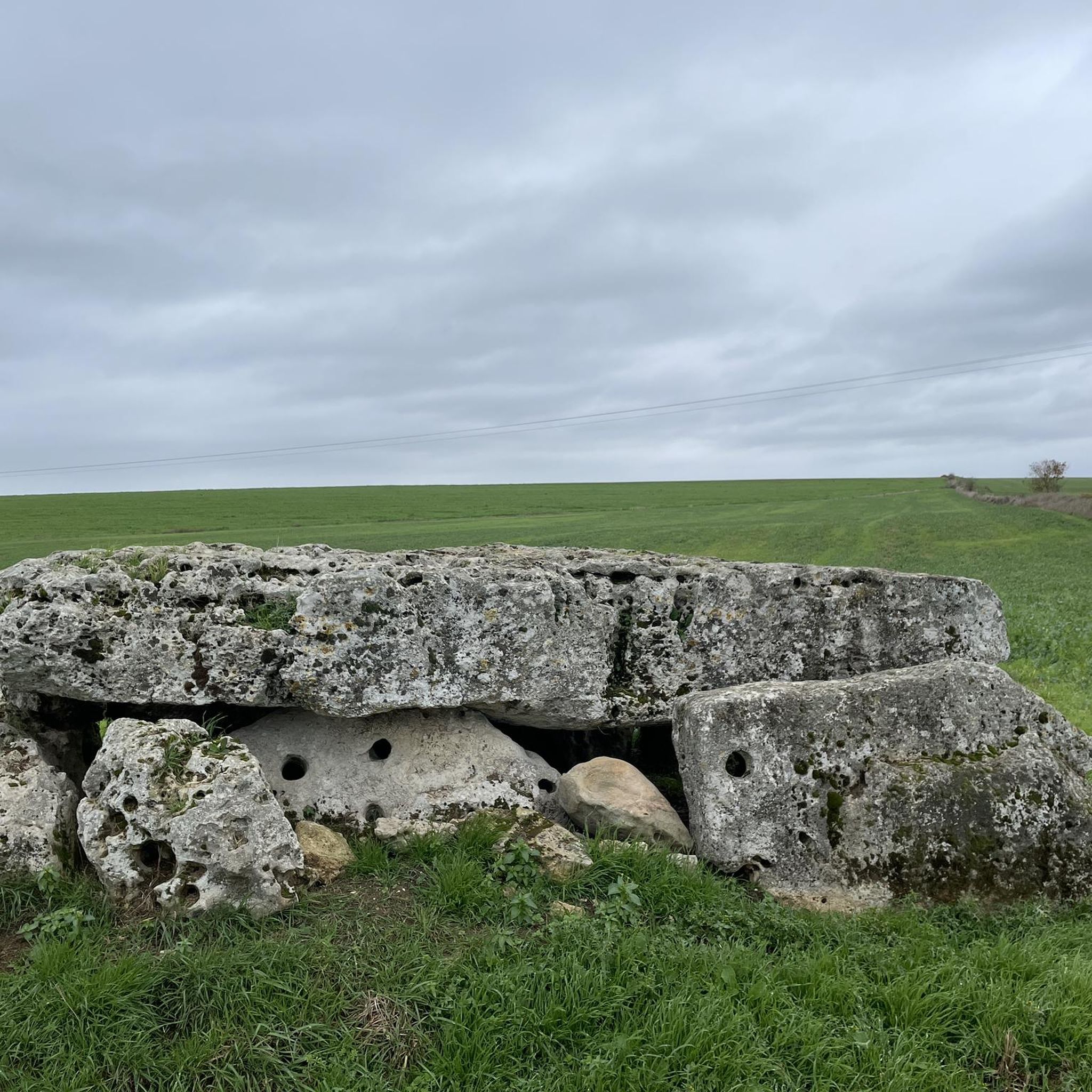
The Dolmen de la Pierre Laye is a significant Neolithic monument in Vauxrezis, discovered in 1841. It features a large triangular capstone resting on eleven support stones, forming a burial chamber. It is a classified Historic Monument and provides valuable insight into the early human settlements and spiritual activities of the region.
Can I find information about the history of Vauxrezis beyond the main landmarks?
Yes, beyond the prominent landmarks, Vauxrezis has archaeological vestiges dating back to the Neolithic period. These provide insights into the original human colony, its economic development, and spiritual activities, indicating a long history of human presence in the commune.
What is unique about the Church of Saint-Maurice in Vauxrezis?
The Church of Saint-Maurice, dating from the 11th or 12th century, is notable for its Romanesque architecture and its meticulous reconstruction in the 1930s after being destroyed in WWI. It features distinctive Art Deco stained-glass windows from 1939 and an apse with rich 12th-century iconography, including unique human figures and foliage.
Most popular routes around Vauxrezis
Most popular attractions around Vauxrezis

Get inspired with the komoot mobile app


Explore more
Still not found the Highlight you’re looking for? See guides of the top attractions in other regions:
