The best cycling routes around Ensuès-La-Redonne
4.3
(764)
6,194
riders
26
rides
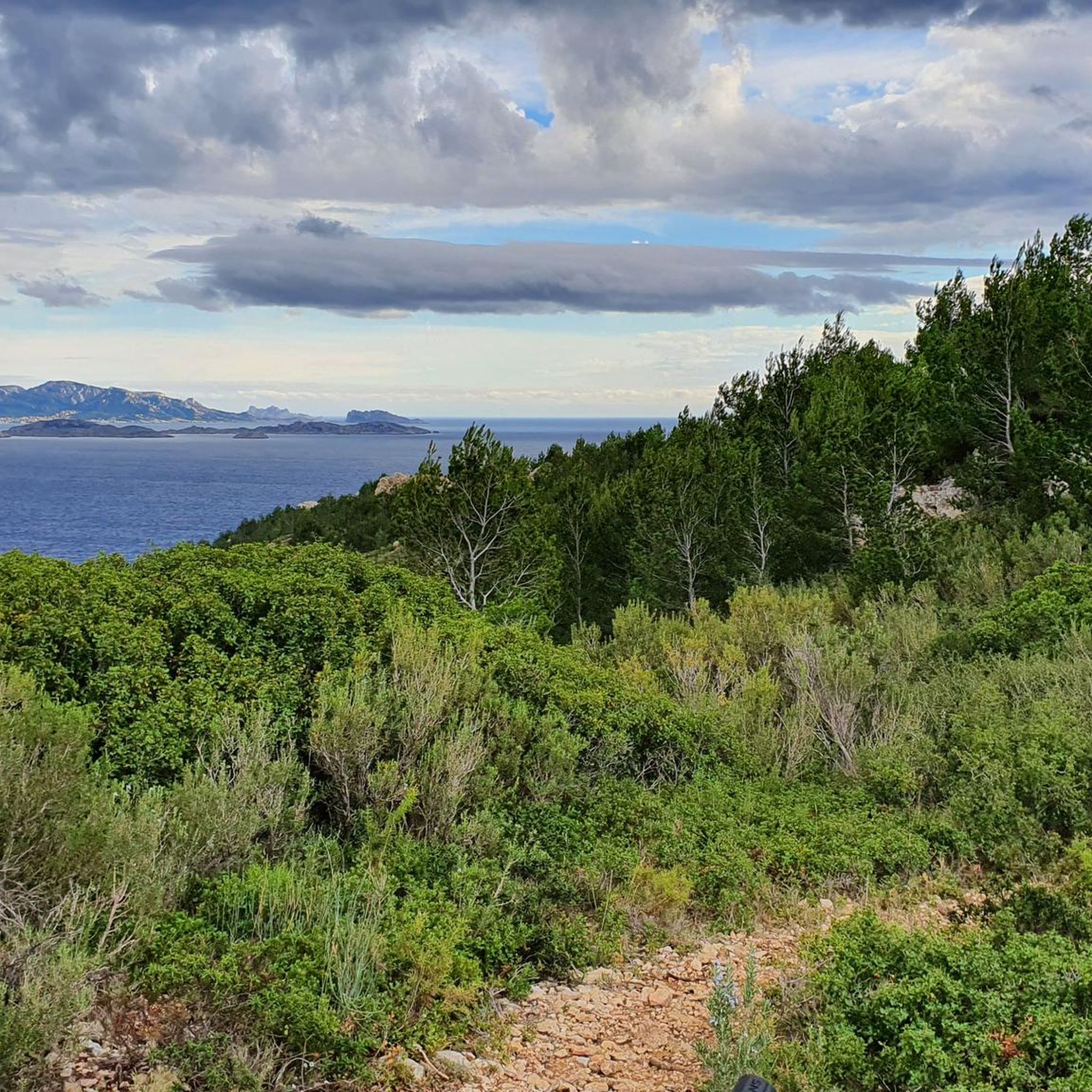
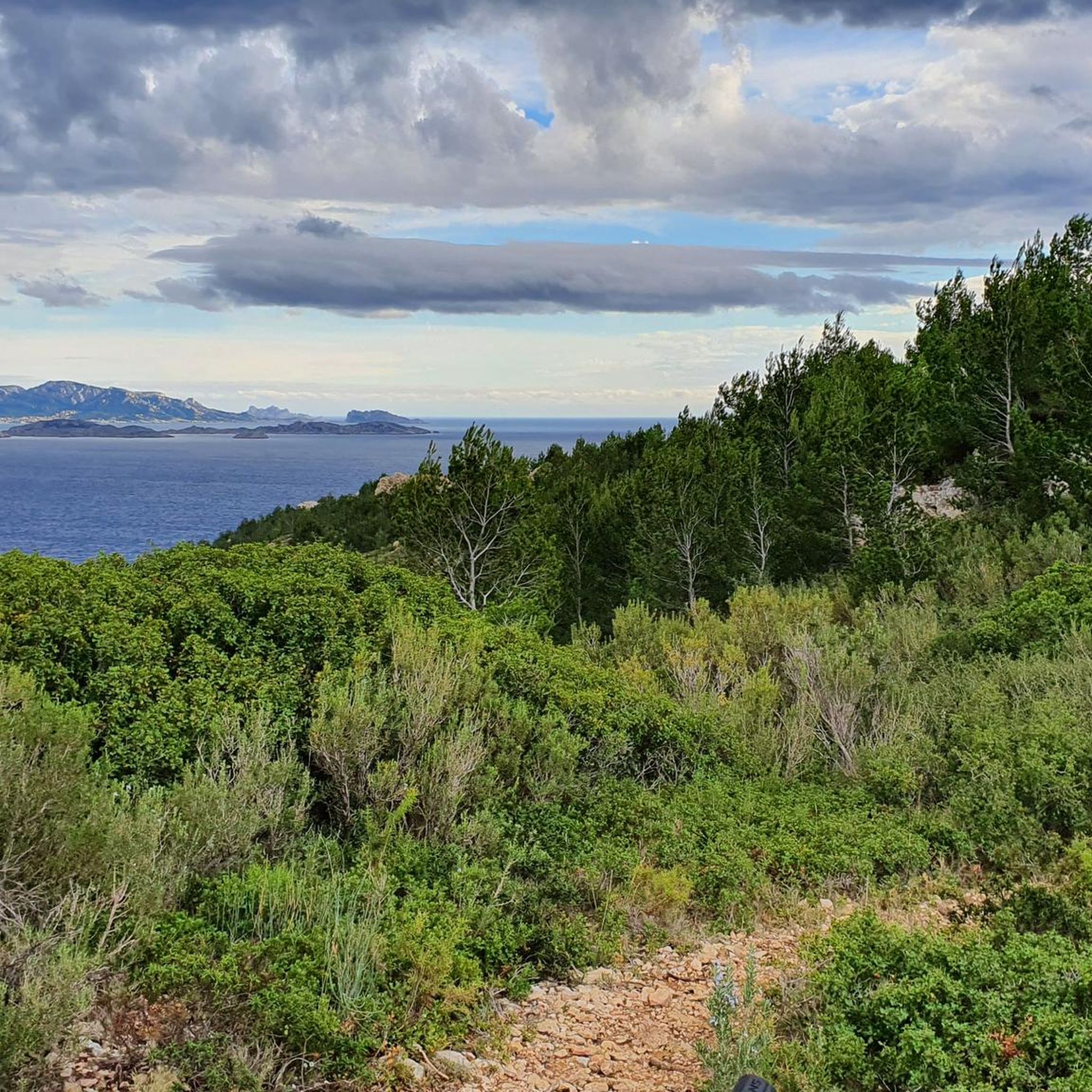
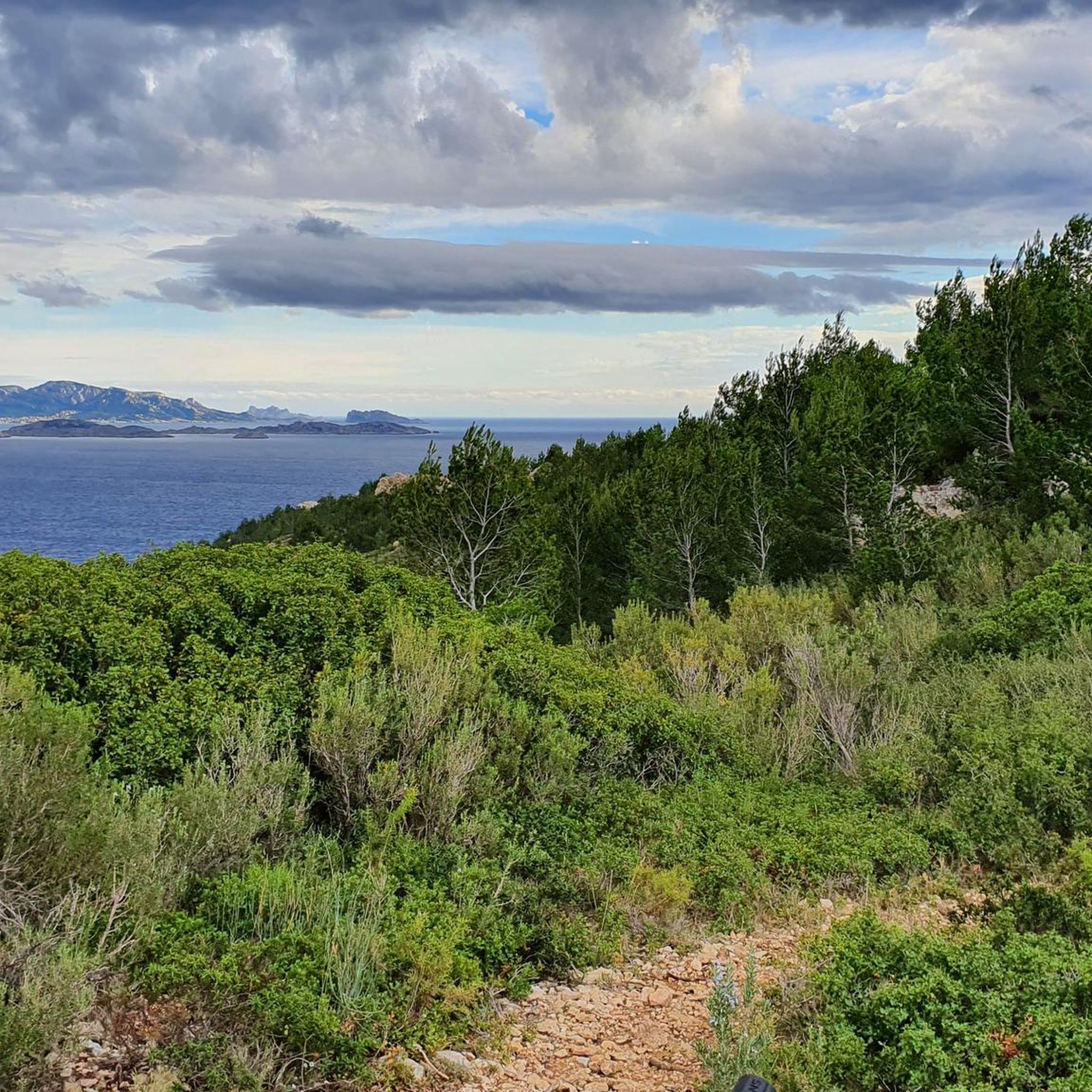
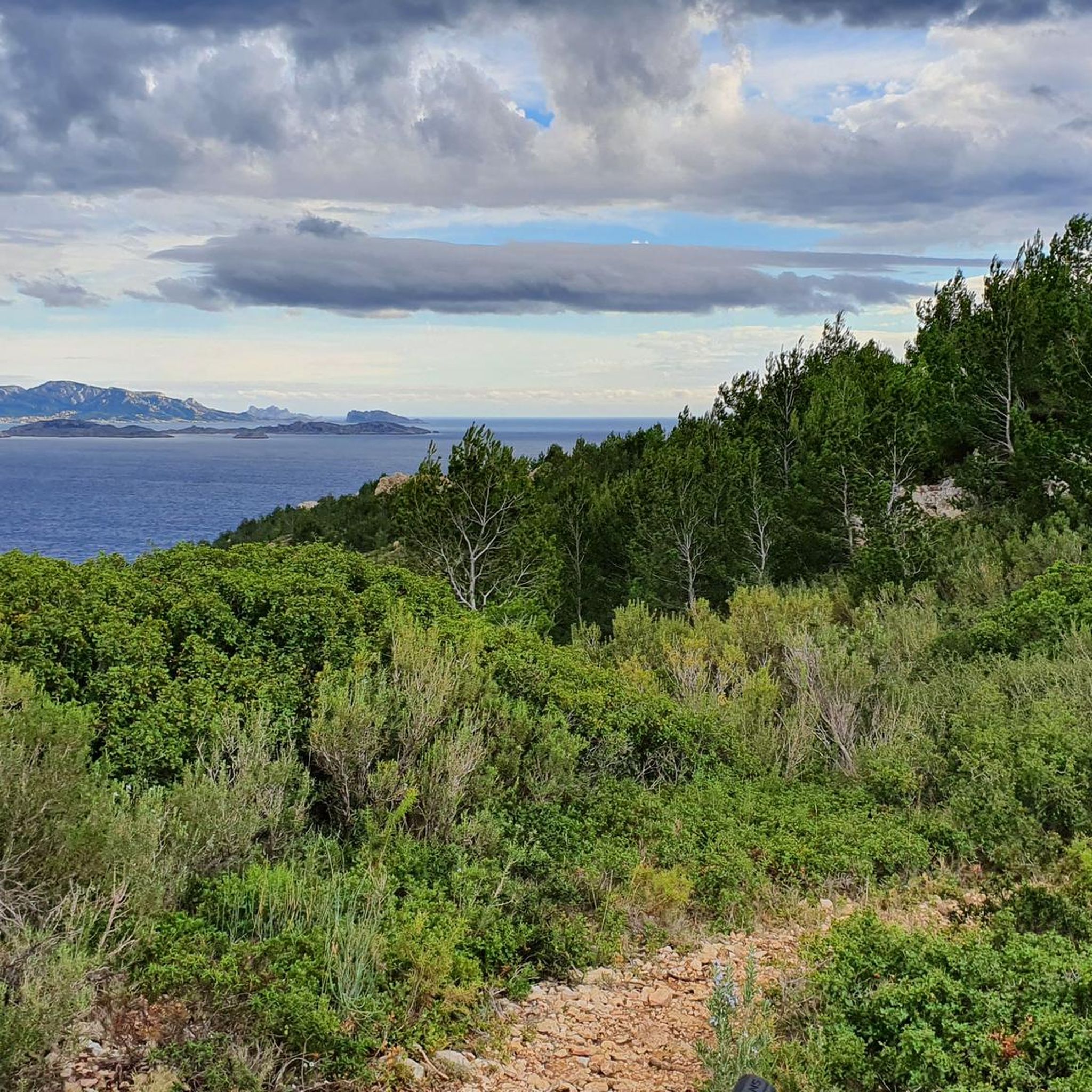
Touring cycling routes around Ensuès-La-Redonne traverse a landscape characterized by limestone cliffs, calanques, and varied Mediterranean vegetation. The region features arid scrubland (garrigue) and pine forests, particularly on the wooded Graffian plateau. Coastal routes offer views of the Mediterranean Sea and the Frioul islands, while inland paths wind through ochre rocks and forests. This diverse topography provides a range of terrain for touring cyclists.
Best touring cycling routes around Ensuès-La-Redonne
- The most popular touring cycling route is Beautiful view of…
Last updated: July 5, 2026
4.2
(19)
196
riders
42.9km
02:58
610m
600m
Hard bike ride. Very good fitness required. Mostly paved surfaces. Suitable for all skill levels.
4.2
(9)
58
riders
78.5km
05:08
1,020m
1,010m
Hard bike ride. Very good fitness required. Mostly paved surfaces. Suitable for all skill levels.

Sign up for free
4.1
(15)
60
riders
82.9km
05:21
1,000m
1,000m
Hard bike ride. Very good fitness required. Mostly paved surfaces. Suitable for all skill levels.
3.7
(10)
99
riders
Moderate bike ride. Good fitness required. Mostly paved surfaces. Suitable for all skill levels.
5.0
(4)
33
riders
20.9km
01:55
360m
360m
Moderate bike ride. Good fitness required. Mostly paved surfaces. Suitable for all skill levels.
Get access to more routes and recommendations from other explorers.
Sign up for free
Already have an account?
Our route recommendations are based on thousands of hikes, rides, and runs completed by other people on komoot.
Start today with a free account
Your next adventure awaits.
Login or Signup

Tips from the Community

Well-maintained cycle path always near the sea.
0
0

The Mucem is one of the most important urban planning projects that reshaped the city's face for Marseille - European Capital of Culture 2013. Dedicated to the Mediterranean, the museum is located on the J4 pier and is connected to the nearby 15th-century fortress of Fort St. Jean by a suspended walkway. Designed by architect Rudy Ricciotti, it is a monolith 72 meters per side. Inside, a smaller square forms the heart of the museum with exhibition and conference rooms. The internal structure, made of steel and glass, is covered by a delicate ornamental skin of filigree concrete that opens the building to natural light and the surrounding panorama, creating intricate plays of light and shadow. The Museum is organized on three levels with a series of rooms, an auditorium, and a bookshop. The roof constitutes a peculiar feature, freely accessible to visitors. https://mucem.org/
1
0


Several beautifully laid-out pétanque courts overlooking the port of Carro invite you to take a short break.
1
0

A truly beautiful path along the coast, which is full of walkers, at least on Sundays.
0
0

This district dates back to the beginning of the 19th century, a period in Marseille marked by strong economic growth and major urban developments. Show less The water area of the Old Port then reached saturation, particularly due to the appearance of steamships. In 1842, a project to extend the port towards Joliette was therefore approved. Work was completed in 1853. At the junction of the land and sea routes, a new port tool was taking shape, with, among other things, the founding of the Compagnie des Docks et Entrepôts. Built by Gustave Desplaces from 1858 to 1863, these docks extended over more than 400 meters with four warehouse buildings linked together and ending with a magnificent administration building (in the Louis XIII style). Each warehouse is organized around a central courtyard with six floors of store spaces... Comparable to those in London from which Desplaces was undoubtedly inspired, they constitute the most modern and most expensive Marseille achievement of the Second Empire after the Nouvelle Major and the Prefecture. After a period of near abandonment, the Docks have regained their splendor thanks to the masterful rehabilitation of the architect Éric Castaldi. SOURCE MARSEILLE TOURIST OFFICE
1
0
Small port in Sausset-les-Pins with almost 500 berths.
3
0

A beautiful little harbor and a very nice little town.
1
1
Frequently Asked Questions
How many touring cycling routes are available around Ensuès-La-Redonne?
There are 24 touring cycling routes around Ensuès-La-Redonne, offering a variety of experiences for cyclists. These routes cover over 2,500 km in total, showcasing the region's diverse landscapes.
What are the difficulty levels of touring cycling routes in Ensuès-La-Redonne?
The routes in Ensuès-La-Redonne cater to various skill levels. You'll find 3 easy routes, 10 moderate routes, and 11 difficult routes, ensuring there's an option for every touring cyclist.
What do other touring cyclists say about the routes in Ensuès-La-Redonne?
The touring cycling routes in Ensuès-La-Redonne are highly regarded by the komoot community, with an average rating of 4.7 stars from over 70 reviews. More than 500 touring cyclists have explored this area, often praising the stunning coastal views and varied terrain.
What kind of landscapes can I expect to see on touring cycling routes around Ensuès-La-Redonne?
Touring cycling routes in Ensuès-La-Redonne offer a rich tapestry of landscapes. You'll traverse dramatic limestone cliffs, picturesque calanques, arid scrubland (garrigue), and serene pine forests, especially on the wooded Graffian plateau. Coastal paths provide magnificent views of the Mediterranean Sea and the Frioul islands.
Are there any family-friendly touring cycling routes in Ensuès-La-Redonne?
While many routes are moderate to difficult, there are 3 easy touring cycling routes that could be suitable for families or those looking for a more relaxed ride. These routes often stick to flatter sections or well-maintained paths, allowing for a pleasant experience for all ages.
Can I find circular touring cycling routes in the area?
Yes, many of the touring cycling routes around Ensuès-La-Redonne are loops, allowing you to start and finish in the same location. Examples include the Beautiful view of the coast – Port of Sausset-les-Pins loop from La Redonne Ensuès and the Very nice course – Our Lady of the Guard loop from La Redonne Ensuès.
What is the best time of year for touring cycling in Ensuès-La-Redonne?
The Mediterranean climate of Ensuès-La-Redonne makes spring and autumn ideal for touring cycling. The weather is typically mild and pleasant, avoiding the intense heat of summer and the cooler, potentially wetter conditions of winter. This allows for comfortable exploration of both coastal and inland routes.
Are there any notable landmarks or viewpoints along the touring cycling routes?
Absolutely. The region is rich in natural and historical landmarks. You can cycle past stunning calanques like Érevine Cove and Calanque de la Crine, or enjoy views of the Frioul Islands. Other points of interest include the Jonquier Viaduct and the historic Fort de Niolon Haut.
Where can I find parking for touring cyclists in Ensuès-La-Redonne?
Ensuès-La-Redonne, being a typical village, offers various parking options, particularly near its small ports like La Madrague de Gignac, Le Petit Méjean, and Grand Méjean, or in the village center. It's advisable to check local signage for specific parking regulations and availability, especially during peak seasons.
Is public transport accessible to reach touring cycling routes?
Ensuès-La-Redonne is part of the Côte Bleue, which has some public transport links. While direct access to every trailhead might vary, local bus services often connect the village to nearby towns and train stations, which can serve as starting points for your cycling adventures. It's recommended to check current schedules and bike transport policies of local operators.
Are there places to eat or stay near the touring cycling routes?
Yes, Ensuès-La-Redonne and its surrounding coastal villages offer a selection of cafes, restaurants, and accommodations. The village itself hosts a market on Wednesday mornings, providing local produce. You'll find options ranging from casual eateries in the small ports to more established restaurants, perfect for refueling after a ride.
Can I rent a bike in Ensuès-La-Redonne?
While Ensuès-La-Redonne is a smaller village, bike rental services can often be found in larger nearby towns along the Côte Bleue, such as Carry-le-Rouet or Sausset-les-Pins. It's advisable to check with local tourist information centers or search online for current rental options in the vicinity before your visit.
Are touring cycling routes in Ensuès-La-Redonne dog-friendly?
Many outdoor areas in Ensuès-La-Redonne, including some cycling paths and natural spaces, are generally dog-friendly, especially if dogs are kept on a leash. However, specific regulations may apply in protected natural areas or on private land. Always ensure your dog is well-behaved and that you clean up after them to preserve the natural beauty of the region.
Most popular routes around Ensuès-La-Redonne
Most popular attractions around Ensuès-La-Redonne

Get inspired with the komoot mobile app


Explore more
Browse the best Cycling routes in other regions.
