Attractions and Places To See around Allauch - Top 20
Best attractions and places to see around Allauch include a mix of historical landmarks, natural features, and cultural sites. This Provençal village is situated near Marseille, offering access to both urban and natural points of interest. Allauch is nestled at the gateway to the Garlaban massif, providing a rugged landscape with numerous hiking opportunities. The region combines historical architecture with scenic views and local cultural experiences.
Best attractions and places to see around Allauch
- The most popular attractions is Climb…
Last updated: October 9, 2026
Cathedral of Saint Mary Major, Marseille
Highlight • Religious Site
Translated by Google •
Tip by

Notre-Dame de la Garde Basilica
Highlight • Viewpoint
Translated by Google •
Tip by

Sign up now to discover places like this
Get recommendations on the best single tracks, peaks, & plenty of other exciting outdoor places.
Old Port of Marseille
Highlight • Settlement
Translated by Google •
Tip by

Le Panier
Highlight • Restaurant
Translated by Google •
Tip by

Quai de Rive Neuve – Old Port of Marseille
Highlight • Historical Site
Translated by Google •
Tip by

Sign up for free to discover even more attractions around Allauch.
Already have an account?
Start today with a free account
Your next adventure awaits.
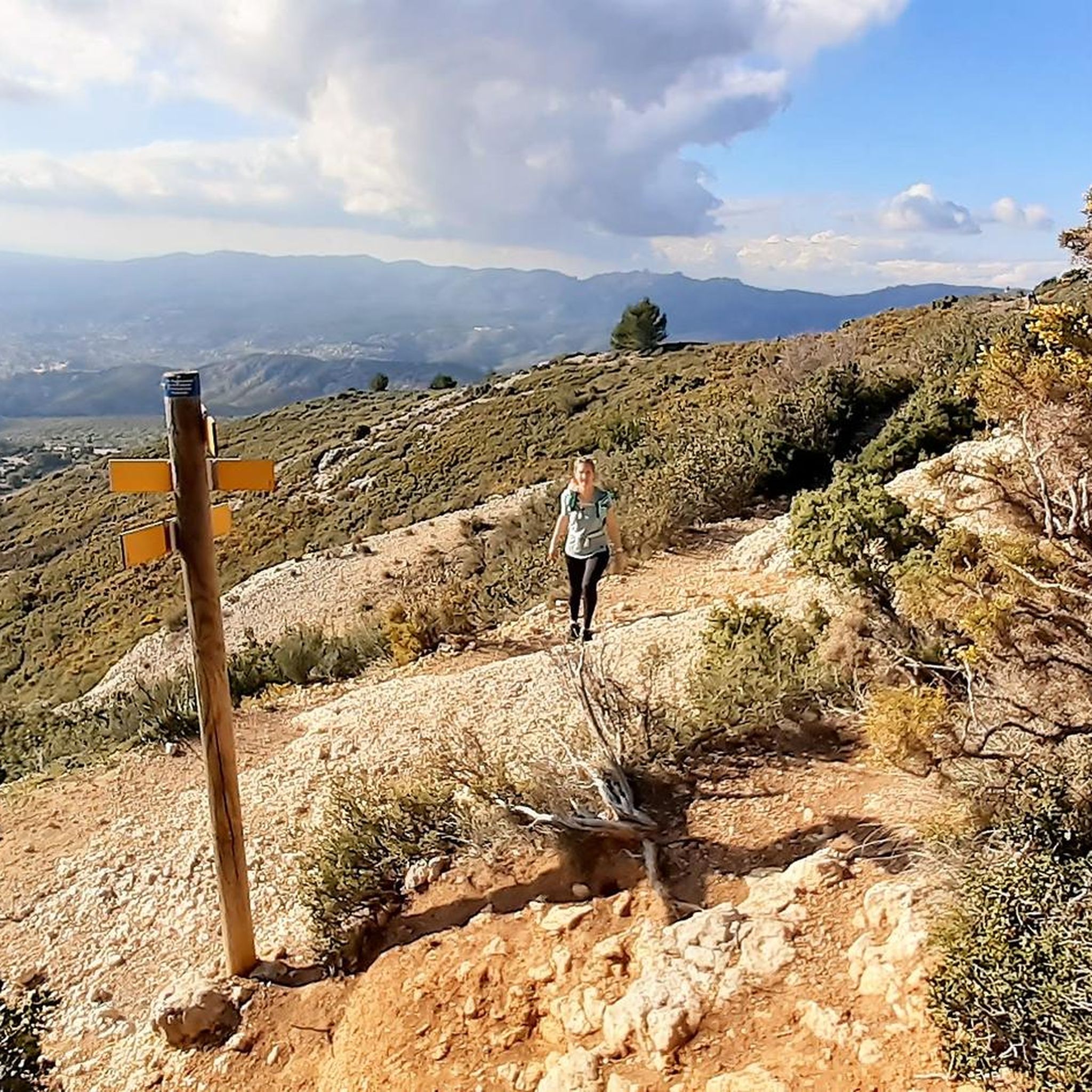
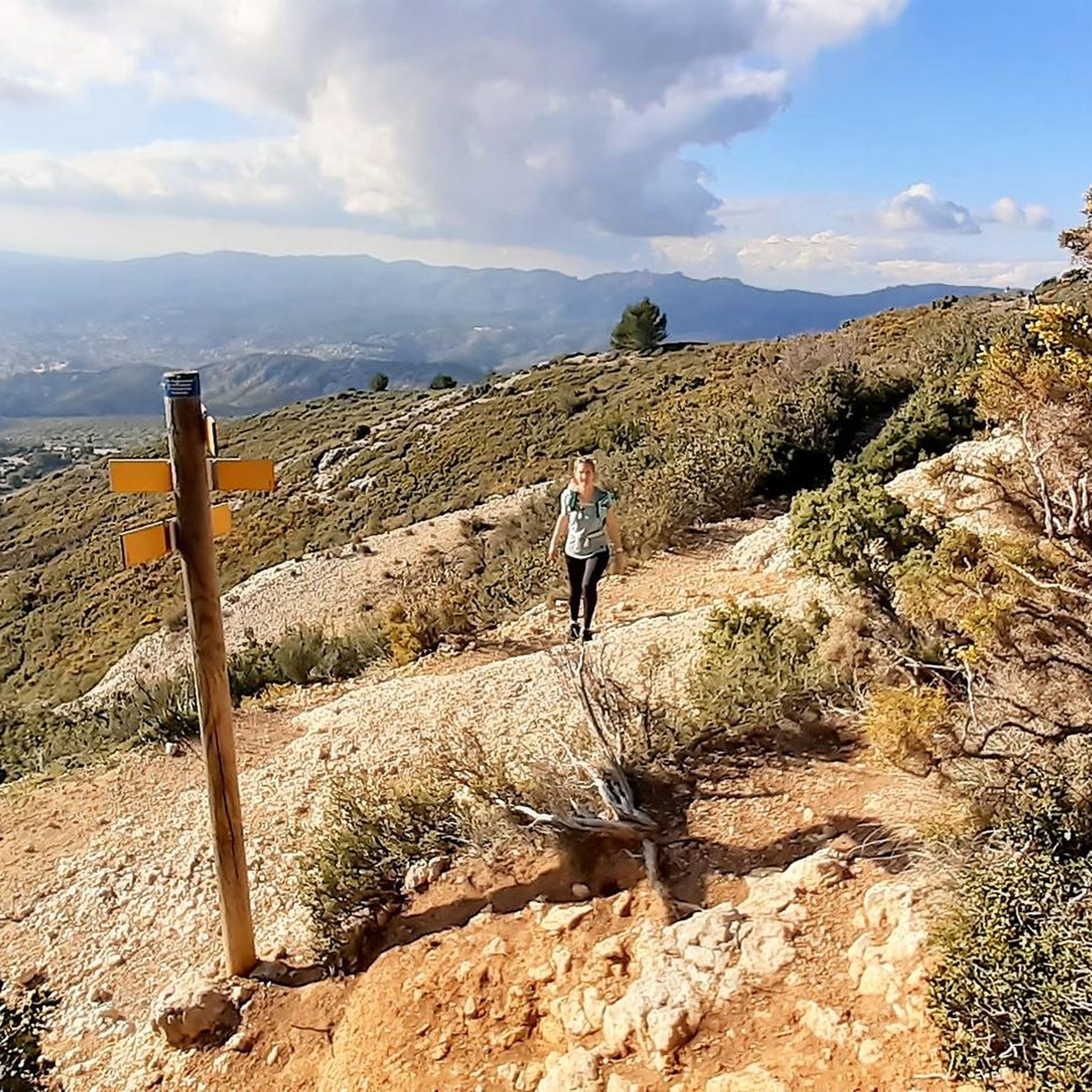
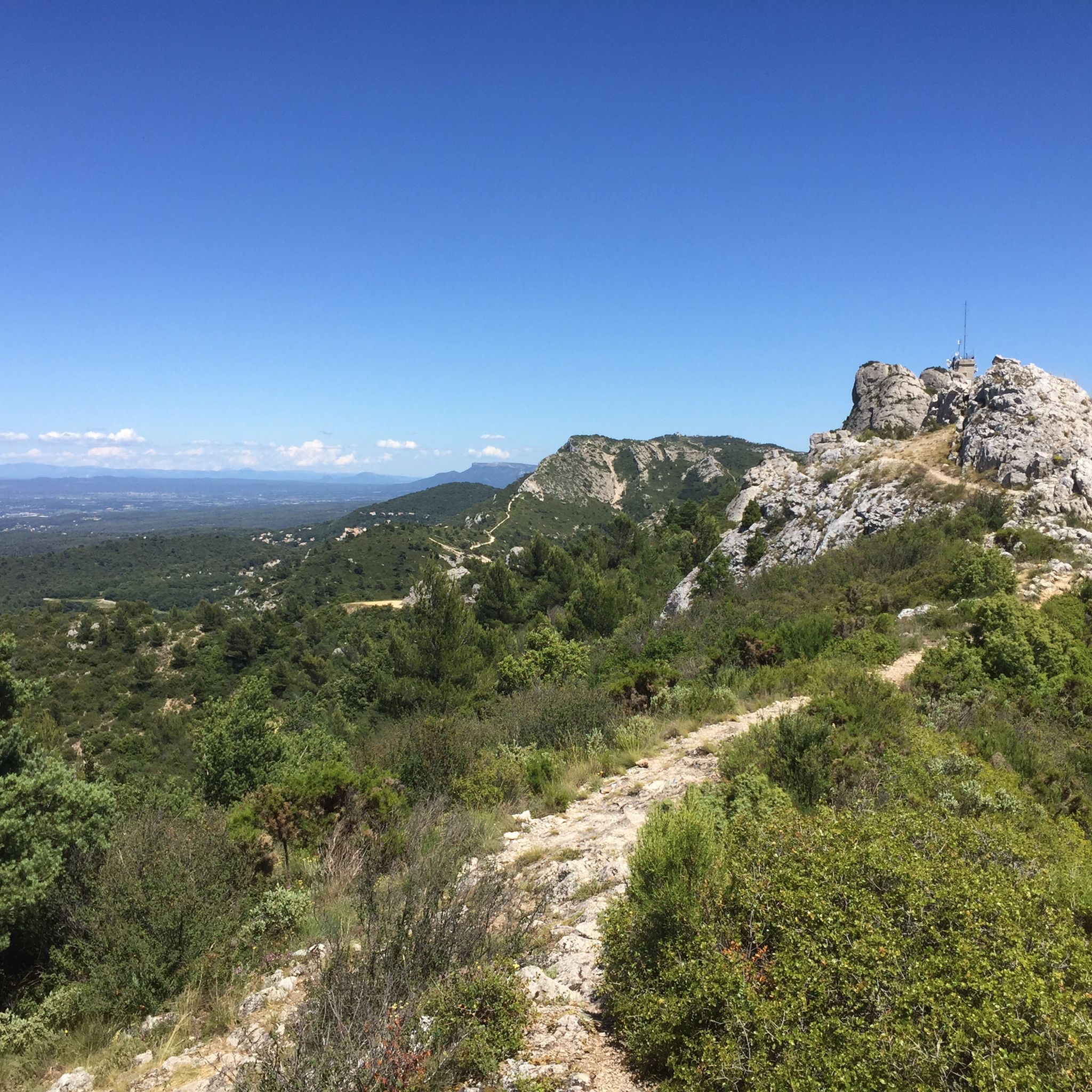
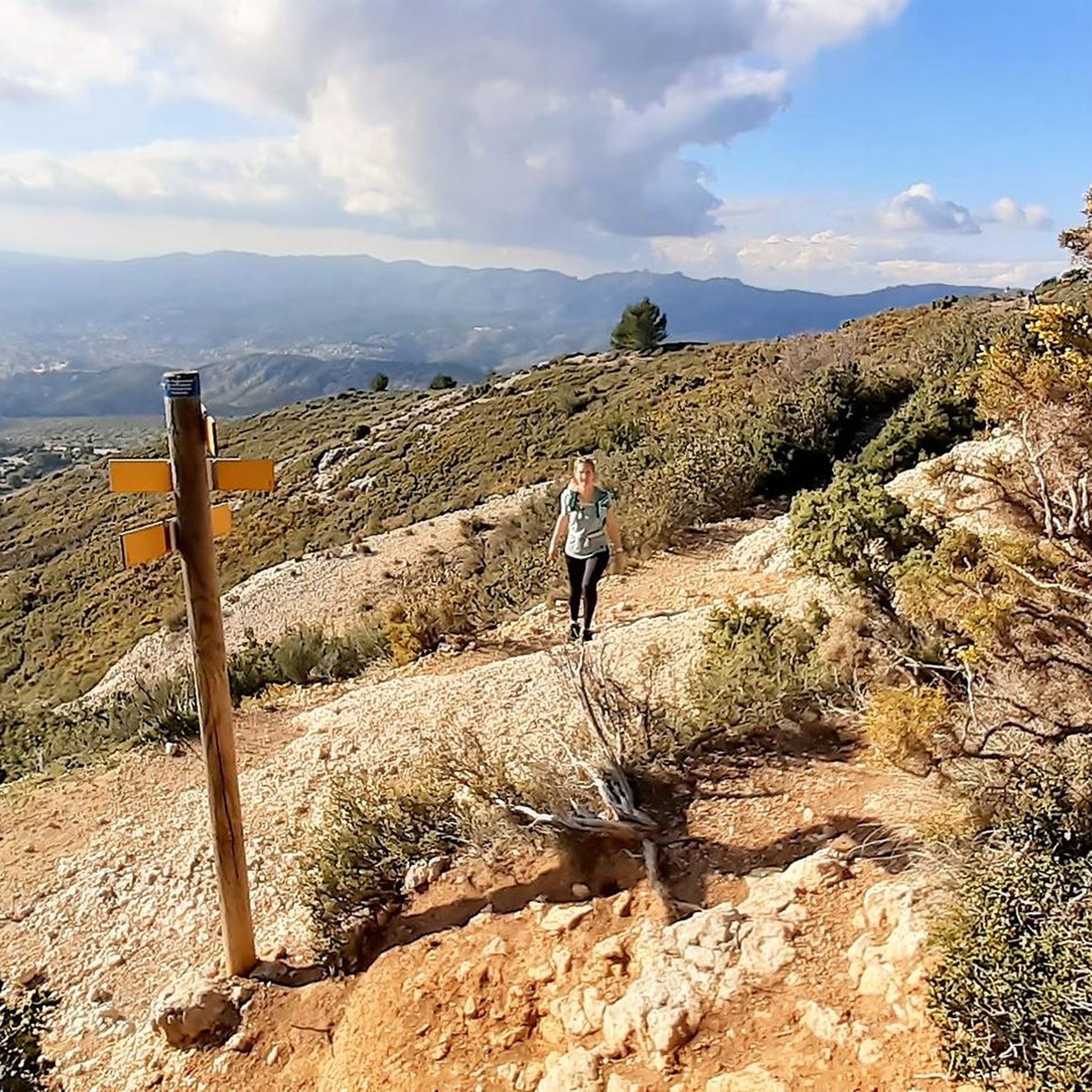

Tips from the Community

Very lively atmosphere with nice places to eat and have coffee, highly recommended
2
0

The Bustling Heart of Marseille For 2,600 years, the historic port has been the bustling heart of the city. The Vieux-Port still stands where the ancient Greek market once stood. Today, it is one of Marseille's most popular neighborhoods.
1
0
Around 620 to 600 BC, Greeks founded a permanently inhabited settlement (Apoikie) at this port thanks to a land donation from the Ligurian princes and called it Massalia (ancient Greek Мασσαλία, Latin Massilia), today's Marseille.
1
0
In the 7th century BC, Greek sea traders from Phocaea in Asia Minor regularly visited the southern coast of France near the mouth of the Rhone to trade with the Ligurian tribes. Tin, a component of bronze, was particularly sought after by the Greeks. In return, fine pottery and jewelry found their way into the homes of local princes. Sheltered landing sites were rare on the rugged and rocky coast, so they headed for the natural harbor of present-day Marseille, where the galleys were protected from wind and waves.
1
0
According to ancient legend, the city was founded when Greek sailors from Phocaea explored the Mediterranean coast. They landed on the shores of present-day Marseille on the day a Celtic king named Nann was seeking a husband for his daughter Gyptis. Gyptis was to offer a chalice to the chosen young man among the assembled men, whom she wished to marry. Surprisingly, it was Protis, the leader of the newcomers, to whom she handed the vessel. The two married, and Greeks and Celts jointly founded the settlement of Massalia.
1
0
Due to its location, Marseille enjoys a Mediterranean climate, which is very sunny and dry. This is also due to the often strong winds, especially the Mistral, which means that the climate can sometimes be harsh despite its southern location.
1
0
Marseille lies between 0 and 652 m above sea level (12 m at the official center of Noailles). The 240 square kilometer urban area (more than twice the size of Paris) encompasses not only built-up areas but also vast natural areas, primarily mountains. The city is bordered to the west by the Mediterranean Sea, to the north by the Chaîne de l'Estaque and Chaîne de l'Etoile mountain ranges (with the peak of l'Etoile as the city's highest point), to the east by the Garlaban Massif, to the southeast by the Saint-Cyr Massif, and to the south by the Massif des Calanques, again bordering the Mediterranean Sea.
1
0

The port area of Marseille is large and there is a lot going on. Lots of cafes, restaurants, boats, shops.
2
0
Frequently Asked Questions
What historical landmarks can I explore in and around Allauch?
Allauch is rich in history. You can visit the 11th-century Notre-Dame du Château Chapel, offering panoramic views, or the 17th-century Church of Saint-Sébastien in the old village. The renovated Mills of Allauch, particularly Moulin Louis Ricard, provide historical insight and photo opportunities. Additionally, the 19th-century Bastide de Fontvieille showcases impressive architectural heritage. Further afield, in Marseille, you can explore the Cathedral of Saint Mary Major and Fort Saint-Jean.
Are there good viewpoints to enjoy scenic vistas near Allauch?
Yes, Allauch offers several stunning viewpoints. The Notre-Dame du Château Chapel provides magnificent panoramic views of Allauch, Marseille, and the Mediterranean Sea. The Mills of Allauch also offer exceptional views. For a broader perspective of Marseille, the Panoramic view of Marseille from the Notre-Dame de la Garde Basilica is highly recommended, standing on a 160-meter high hill with extensive vistas over the city and surrounding area.
What natural areas are there for outdoor activities around Allauch?
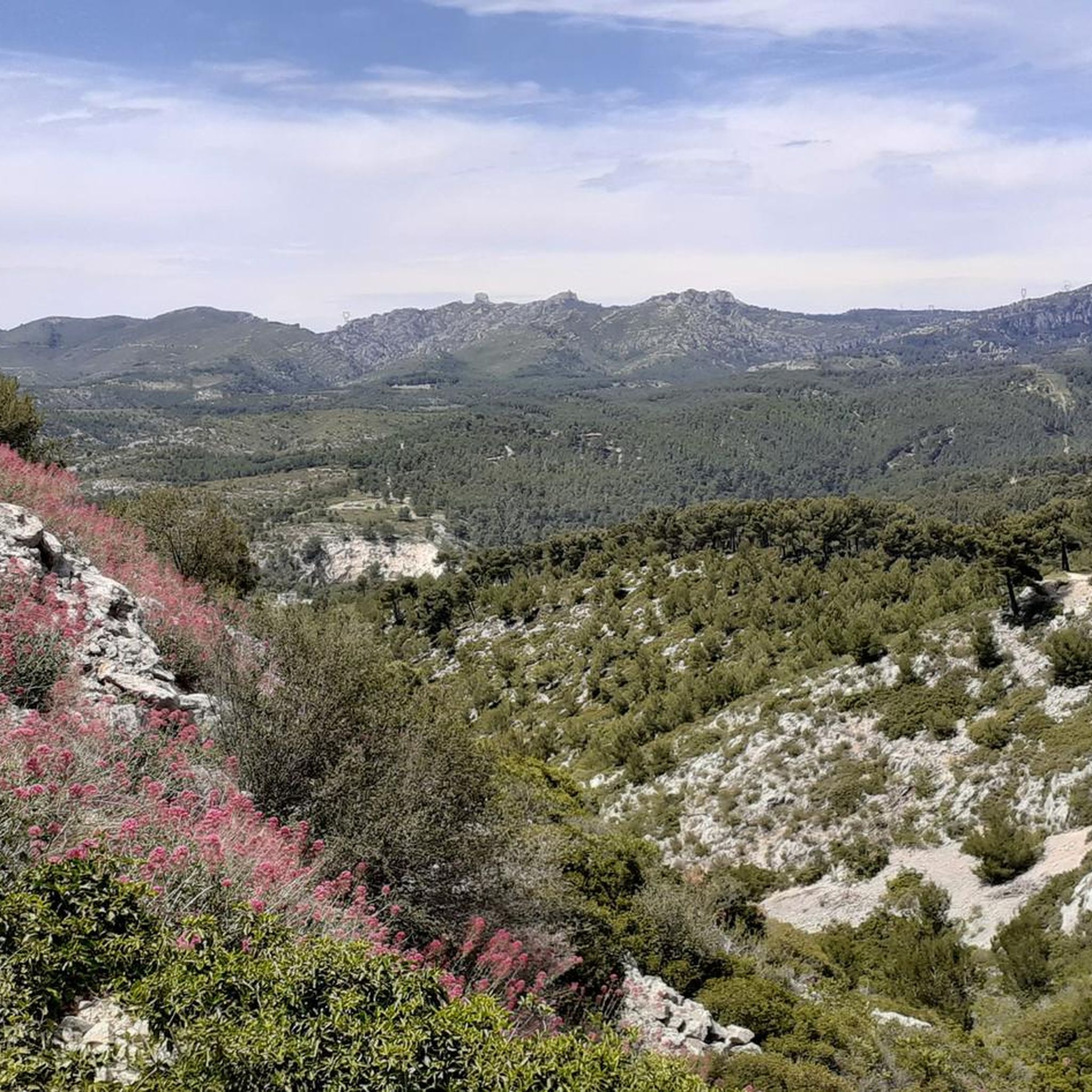
Allauch is nestled at the gateway to the Garlaban massif, a rugged landscape perfect for hiking, immortalized by Marcel Pagnol. You can also visit the Parc Naturel Départemental de Pichauris for serene walks and picnics. The area also features several caves, such as "Grotte du Grosibou," which offer pleasant hiking opportunities. The Climb to Col de l'Espigoulier is a mountain pass with breathtaking views and is popular for cycling.
What cultural experiences can I find in Allauch?
Allauch boasts a rich cultural scene. You can visit the Museum of Sacred Arts Allauch and the Musée d'Allauch to delve into local history and customs. The Galerie du Vieux Bassin and L'Atelier de Marie host art exhibitions. The village also has six historical cultural facilities for shows and performances. Throughout the year, Allauch hosts various festivals, including the Fête de la Saint-Jean and the Pastorale Maurel, and a weekly market every Wednesday and Sunday.
Are there family-friendly activities or attractions in Allauch?
Allauch offers several family-friendly options. The historic Old Village of Allauch with its narrow streets is pleasant to explore. Children might enjoy pony rides and horse riding at the local equestrian centers. Many of the natural areas, like the Parc Naturel Départemental de Pichauris, are suitable for gentle walks and picnics. In Marseille, the Cathedral of Saint Mary Major and the Notre-Dame de la Garde Basilica are also considered family-friendly.
What kind of hiking trails are available near Allauch?
The Garlaban massif, adjacent to Allauch, offers a variety of hiking trails, from easy walks to more challenging routes. You can find trails like the Sentier des Escargots (Snail Trail) with views of the Mediterranean. For specific routes, you can explore options such as the "Le Garlaban – Aubignane Pass loop from La Bastide Neuve" or the "Gros Hibou Cave – Grotte du Grosibou loop from Allauch." Find more details and routes on the Hiking around Allauch guide.
Can I go road cycling near Allauch?
Yes, the region around Allauch is popular for road cycling. The Climb to Col de l'Espigoulier is a notable mountain pass known for its magnificent switchbacks and panoramic views, making it a favorite among cyclists. There are various routes available, including "Peypin Cadolive tour – Le Régage loop from La Rose" and "Le Pigeonnier Climb – Panoramic view loop from Allauch." Discover more routes in the Road Cycling Routes around Allauch guide.
What is the best time of year to visit Allauch for outdoor activities?
The region around Allauch, with its Mediterranean climate, is generally pleasant for outdoor activities for much of the year. Spring and autumn offer mild temperatures ideal for hiking and cycling. Summer can be hot, especially in the Garlaban massif, but early mornings or late afternoons are still enjoyable. Winter is generally mild, making it suitable for walks, though some trails might be less accessible after heavy rain.
Where can I experience the local Provençal atmosphere in Allauch?
The Old Village of Allauch is the heart of its Provençal charm, with narrow, winding streets and traditional stone houses. Place des Cinq Moulins is a lively spot. You can also visit Place du Mistral, a central hub for locals. Don't miss the weekly markets on Wednesday and Sunday mornings to experience local life and find regional products like nougat, honey, and goat cheese from about twenty local artisans.
Are there any running trails near Allauch?
Yes, the natural landscapes surrounding Allauch provide excellent opportunities for running. You can find challenging routes through the Garlaban massif. Examples include the "Cross of Garlaban – Le Garlaban loop from Parking du Parc" and the "Grotte du Grosibou – Falaise de la Parloire loop from Allauch." For more detailed information on routes and their difficulty, refer to the Running Trails around Allauch guide.
What is Le Panier district in Marseille, and why should I visit it?
Le Panier is one of Marseille's historic districts, known for its authentic atmosphere. It features narrow, cobbled streets, colorful facades, and a vibrant mix of boutiques, art galleries, craft shops, and street art. It's an ideal place to experience the city's unique culture, linger in cafes, and enjoy regional cuisine. It's also close to major attractions like the Vieux-Port and Fort Saint-Jean.
Most popular routes around Allauch
Most popular attractions around Allauch

Get inspired with the komoot mobile app


Explore more
Still not found the Highlight you’re looking for? See guides of the top attractions in other regions:
