Top 17 Mountain Passes around Saint-Laurent
Best mountain passes Saint-Laurent traverse a diverse landscape, from the ancient Laurentian Mountains to the expansive Saint Lawrence River. The region features rolling hills, dense forests, and deep glacial valleys, offering a variety of scenic routes. These routes provide access to outdoor recreational areas and charming towns. The terrain includes both smooth roads and more challenging paths, reflecting the area's varied topography.
Best mountain passes around Saint-Laurent
- The most popular mountain pass is Glières Pass, a mountain pass that…
Last updated: June 26, 2026
Glières Pass
Highlight • Mountain Pass
Translated by Google •
Tip by

Col de la Colombière
Highlight • Mountain Pass
Translated by Google •
Tip by

Sign up now to discover places like this
Get recommendations on the best single tracks, peaks, & plenty of other exciting outdoor places.
Sign up for free
Col de Réray
Highlight • Mountain Pass
Translated by Google •
Tip by

Pic de Jallouvre
Highlight • Summit
Translated by Google •
Tip by

Col de la Forclaz
Highlight • Mountain Pass
Translated by Google •
Tip by

Sign up for free to discover even more mountain passes around Saint-Laurent.
Sign up for free
Already have an account?
Start today with a free account
Your next adventure awaits.
Login or Signup
Tips from the Community

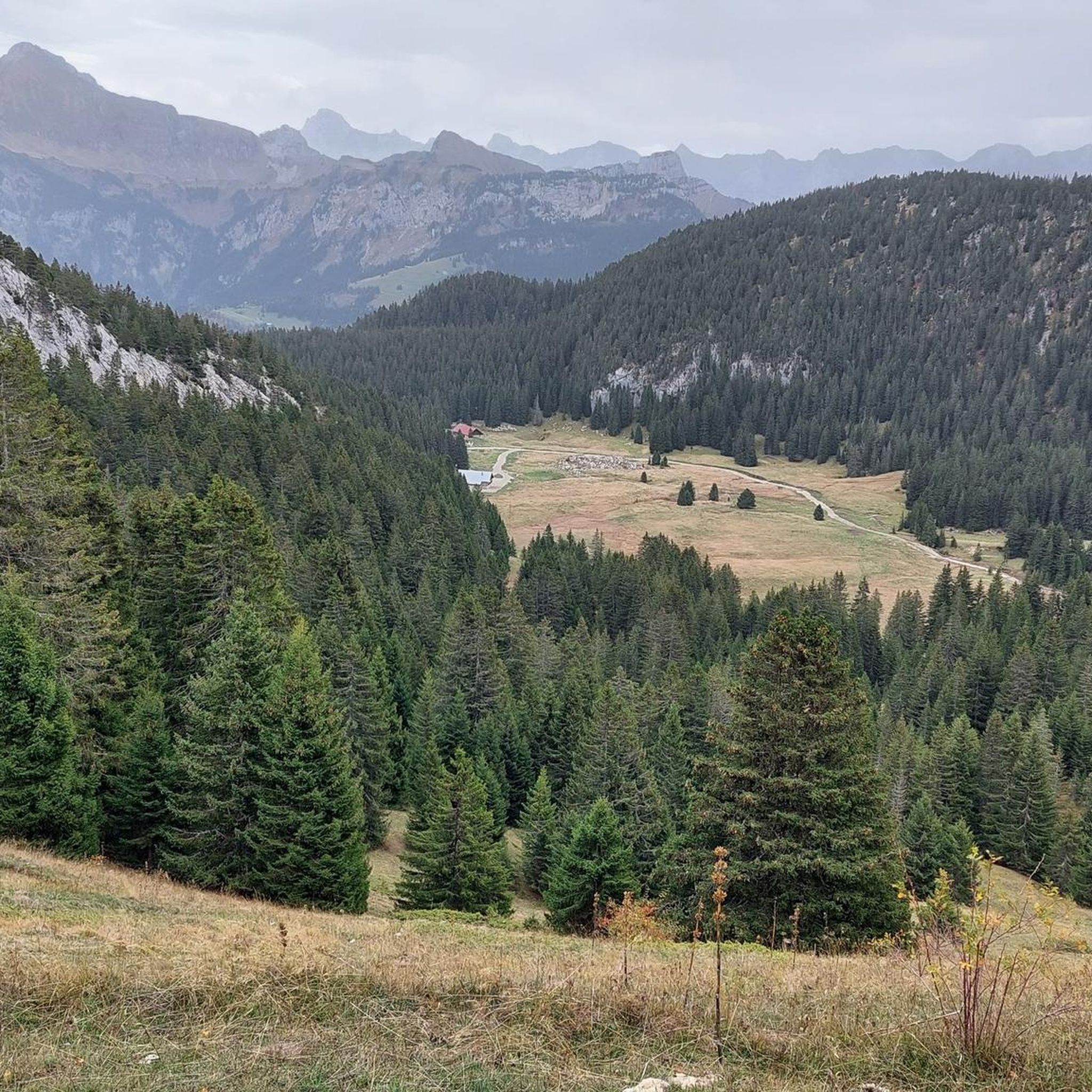
A majestic summit resembling a pyramid from the Cenise side, the Jallouvre - or Jalouvre - is a mythical summit whose ascent, although not difficult compared to its neighbor Pointe Blanche overhanging it by 30m, remains in the memory like that of a almost epic adventure between grueling scree (on both sides), the mythical Col du Razoir (the aptly named) and the Passage de la Cravate which, in the end, poses no more problem than that when the residual snowfields have disappeared, unless that we are subject to vertigo. In summary, one of the most beautiful hikes in the area in my opinion, for which you still need to be sure-footed and in good shape, but which can be tamed quite easily. Do not miss !
1
0

The tour certainly includes portions of pushing, particularly when it comes to reaching the Ecutieux chalets, but the landscapes are magnificent (view of Lake Geneva, wild mountain pastures) Once you arrive at the summit it is almost 8km descent, technical and varied to go back down to Bonneville
0
0
Nice pass on a “ridge” path (even if you don’t really realize it). Bel AR to the Môle (and the head of the ecutieux) for the brave
0
0

The gravel section is easy to do with a racing bike
0
0

The Col de la Colombière is a pretty Alpine pass, connecting the Borne valley to the Avre valley. It was climbed more than 23 times by Tour de France riders between 1960 and 2021. It is an essential part of the sporting event.
3
0

The Col de la Forclaz allows you to go to the refuge and the Lac de Lessy but also to the chalet de Mayse as well as the Rocher de Salin leading to the Paradis car park.
0
0

Le Col des Glières is a picturesque mountain pass located in the French Alps. Nestled at an elevation of 1,450 meters, it is renowned for its natural beauty and historical significance. The col gained prominence during World War II as a key location for the French Resistance, serving as a clandestine base and supply route. Today, visitors can explore the tranquil surroundings, hike through pristine alpine landscapes, and discover the memorial sites that pay homage to the brave individuals who fought for freedom in this mountainous sanctuary.
1
0
Nice pass to discover but the view is not incredible. I recommend continuing the hike to the big castle (the mountain right next to it). It's a bit uphill but from the top the view is much better
0
0
Frequently Asked Questions
What types of 'mountain passes' can I expect to find in the Saint-Laurent region?
In the Saint-Laurent region, 'mountain passes' refer more to scenic drives and mountainous routes rather than high-altitude passes like those in the Alps. These routes traverse ancient, eroded mountains, offering picturesque journeys through rolling hills, dense forests, and charming towns. You'll find routes like Autoroute 15 North and Route 117 in the Laurentians, or coastal routes like Route 132 in Bas-Saint-Laurent where mountains meet the sea.
What are some popular scenic drives in the Laurentian Mountains?
The Laurentian Mountains offer several popular scenic drives. Autoroute 15 North (Autoroute des Laurentides) and Route 117 are primary arteries with beautiful forest views, leading to areas like Mont-Tremblant. For a more agricultural and cultural experience, the Chemin du Terroir winds through country backroads, farmlands, and quaint villages, highlighting local producers.
Are there any challenging mountain routes for experienced cyclists or hikers?
Yes, for those seeking a challenge, the Saint-Laurent region offers routes with significant elevation changes. For instance, the Glières Pass features a gravel section and a steep climb, rewarding with views of the plateau. Similarly, the Col de la Colombière is a legendary pass known for its challenging ascent, often featured in cycling events.
What natural features can I see along these mountain routes?
The region is rich in natural beauty. Along the routes, you can expect to see dense forests, rolling hills, and deep glacial valleys. Coastal routes like Route 132 offer marine panoramas, lighthouses, and opportunities for whale and seabird observation. Inland, areas like Parc national du Bic feature rocky hills and coves, while Parc National de la Jacques-Cartier boasts a spectacular glacial valley.
What outdoor activities can I do near these mountain passes?
The Saint-Laurent region provides numerous outdoor activities. Near these mountainous routes, you can find extensive hiking trails, mountain biking, and skiing opportunities, especially around Mont-Tremblant. For specific routes, you can explore options like Mountain Hikes around Saint-Laurent, Running Trails around Saint-Laurent, or Gravel biking around Saint-Laurent.
Are there family-friendly options for exploring the mountain routes?
Absolutely. Many routes offer easier sections or nearby attractions suitable for families. For example, within Parc National de la Jacques-Cartier, the Les Cascades Trail is an easier loop along a cascading stream. The Chemin du Terroir also provides a relaxed journey through farmlands and villages, perfect for a slower pace with opportunities for local food tastings.
What are some highlights with great viewpoints?
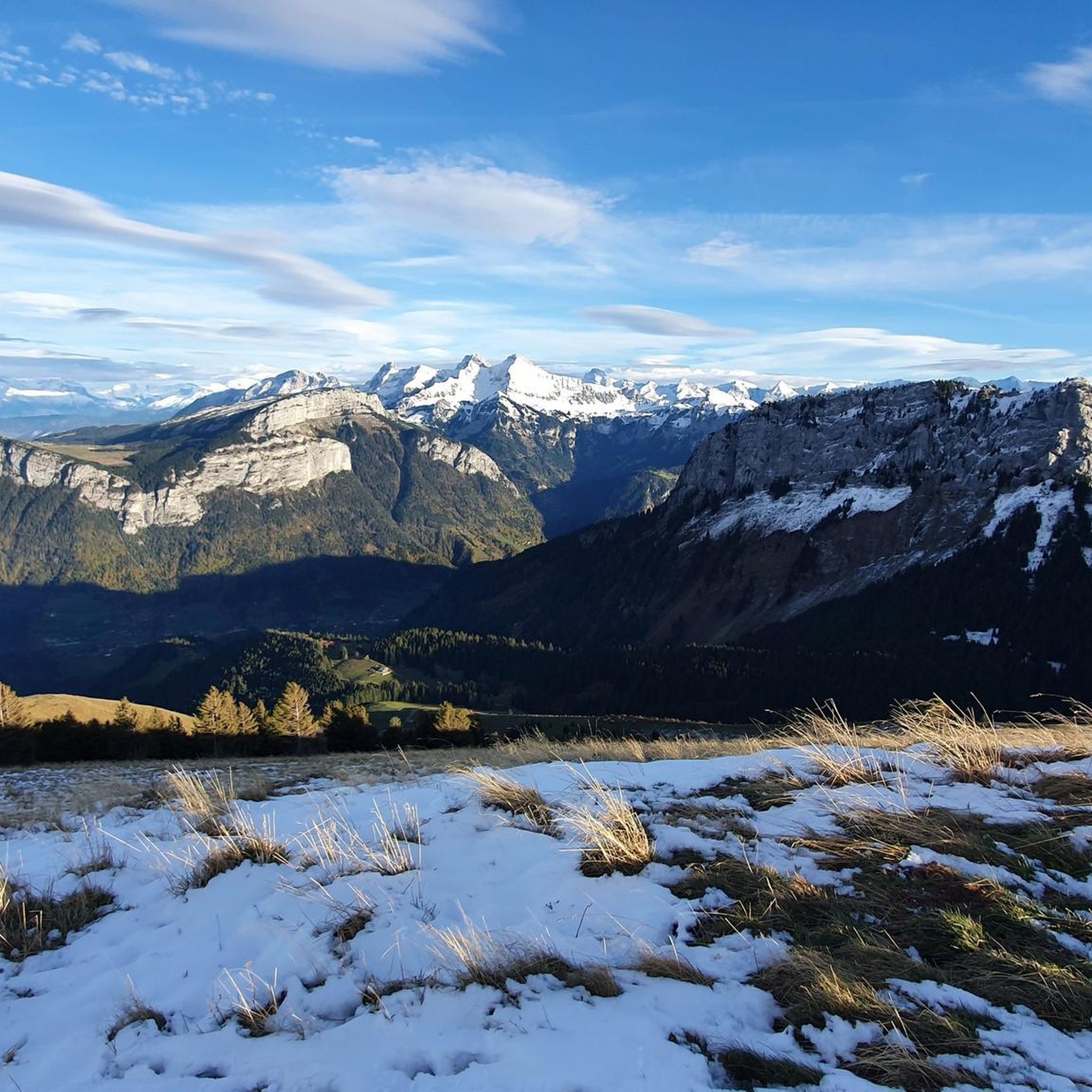
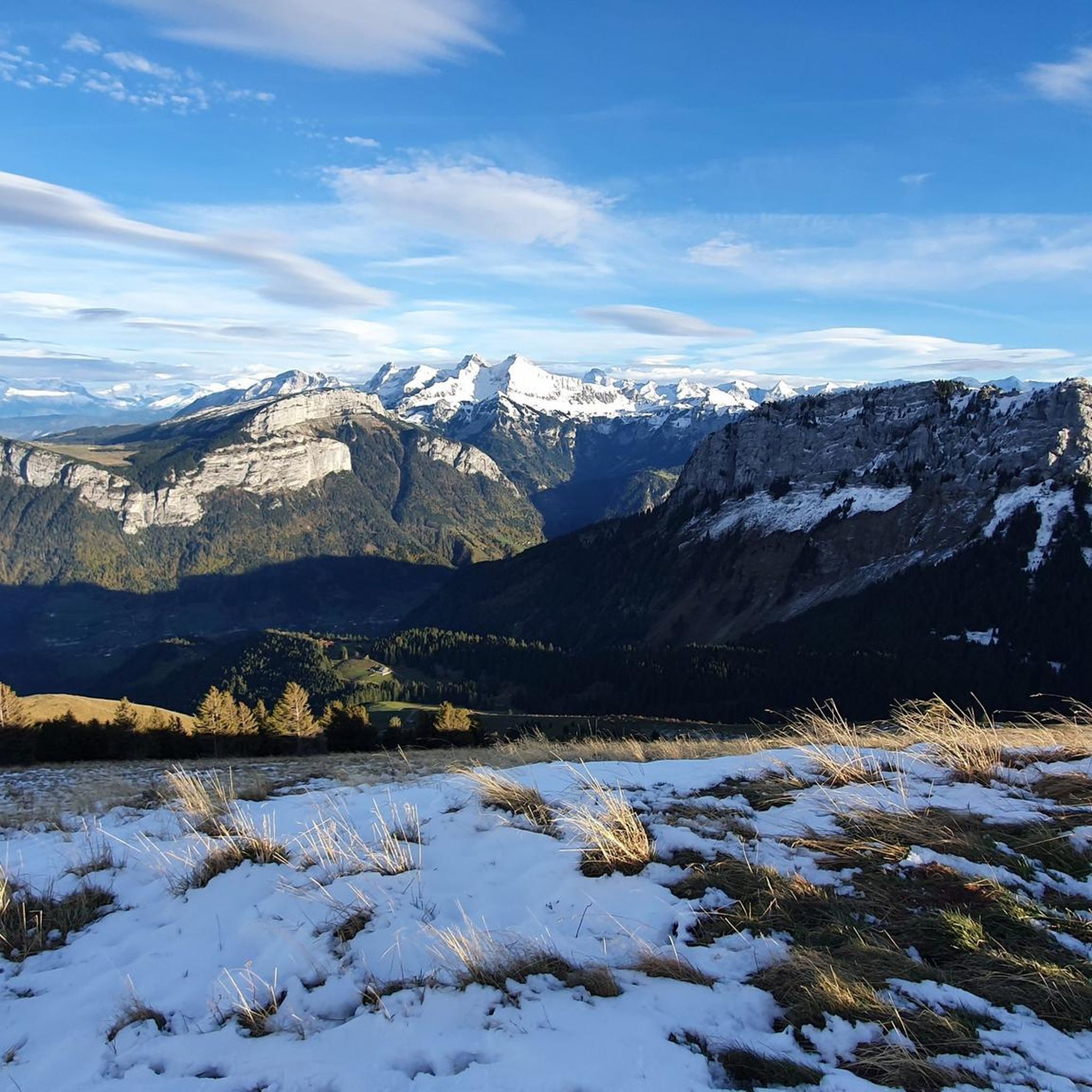
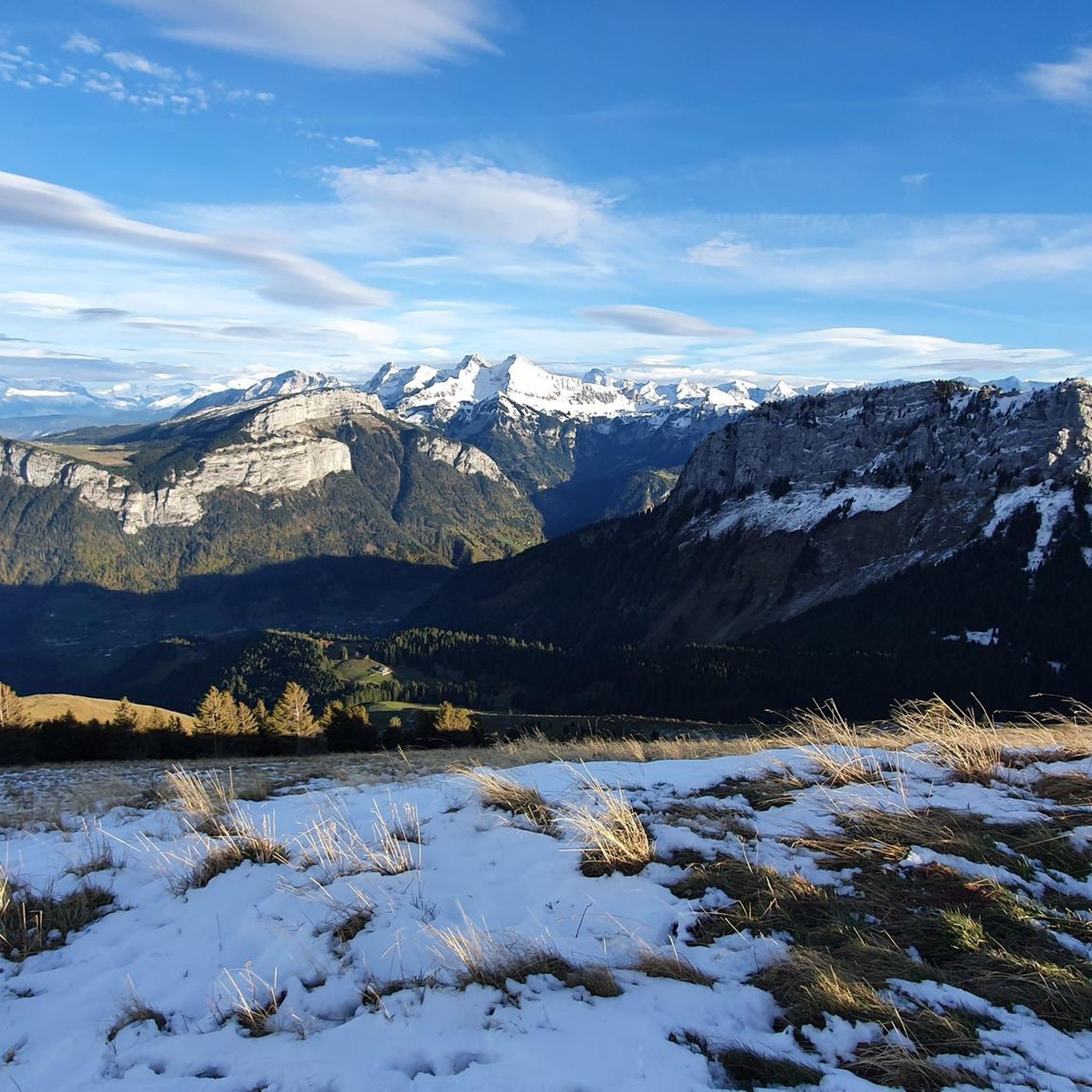
Many mountain passes and routes offer incredible views. The Col de la Forclaz provides an incredible view of Lake Lessy and the surrounding peaks. The Pic de Jallouvre is another majestic summit offering breathtaking panoramas. In Parc National de la Jacques-Cartier, the Sentier des Loups offers stunning views of the glacial valley.
When is the best time to visit the mountain routes in Saint-Laurent?
The best time to visit depends on your preferred activities. Autumn is particularly spectacular when the foliage displays vibrant colors, making scenic drives incredibly beautiful. Summer is ideal for hiking, cycling, and water activities. Winter offers opportunities for skiing and snowshoeing in areas like Mont-Tremblant and Saint-Sauveur.
What do visitors enjoy most about the mountain passes around Saint-Laurent?
Visitors appreciate the diverse landscapes, from rolling hills and dense forests to dramatic coastal views. The opportunities for outdoor activities like hiking, cycling, and wildlife observation are highly valued. The charm of the quaint towns, local culinary experiences, and the vibrant autumn colors are also frequently highlighted by those exploring the region.
Can I find routes that take me away from civilization?
Yes, for a sense of being away from civilization, consider the Route des Monts Notre-Dame in the Bas-Saint-Laurent region. This route delves deep into forested and mountainous interiors, offering a strong connection to nature and abundant wildlife. It's ideal for those seeking a more secluded experience.
Are there any mountain passes that connect different valleys?
Yes, some passes serve as important connectors between valleys. For example, the Col de Réray is a crossing point at 930 meters altitude, linking the Arve valley with the Risse and Giffre valleys. Similarly, the Col de la Colombière connects the Borne valley to the Avre valley.
What kind of wildlife can I expect to see?
The Saint-Laurent region's diverse ecosystems support a variety of wildlife. In forested areas and national parks like Parc National de la Jacques-Cartier, you might spot deer, moose, and various bird species. Along coastal routes, marine wildlife such as whales and seabirds can be observed, especially in areas like Parc national du Bic.
Most popular routes around Saint-Laurent
Most popular attractions around Saint-Laurent

Get inspired with the komoot mobile app


Explore more
See even more epic mountain passes by checking out these guides around Saint-Laurent:
