Attractions and Places To See around Orvilliers - Top 20
Best attractions and places to see around Orvilliers include a variety of historical sites and architectural landmarks. The region offers opportunities for exploration, with many points of interest for those who enjoy discovering local heritage. It is a destination where 20 distinct places are available to be explored.
Best attractions and places to see around Orvilliers
- The most popular attractions is Château de Tilly, a castle that was built in the first third of the 17th century. It features…
Last updated: July 7, 2026
The Donjon of Houdan
Highlight • Castle
Translated by Google •
Tip by

Villa Landru
Highlight • Historical Site
Translated by Google •
Tip by

Sign up now to discover places like this
Get recommendations on the best single tracks, peaks, & plenty of other exciting outdoor places.
Sign up for free
Donjon and Fortified Site of Montchauvet
Highlight • Historical Site
Translated by Google •
Tip by
Château de Tilly
Highlight • Castle
Translated by Google •
Tip by

Fortified Farm of la Troche
Highlight • Historical Site
Translated by Google •
Tip by
Sign up for free to discover even more attractions around Orvilliers.
Sign up for free
Already have an account?
Start today with a free account
Your next adventure awaits.
Login or Signup

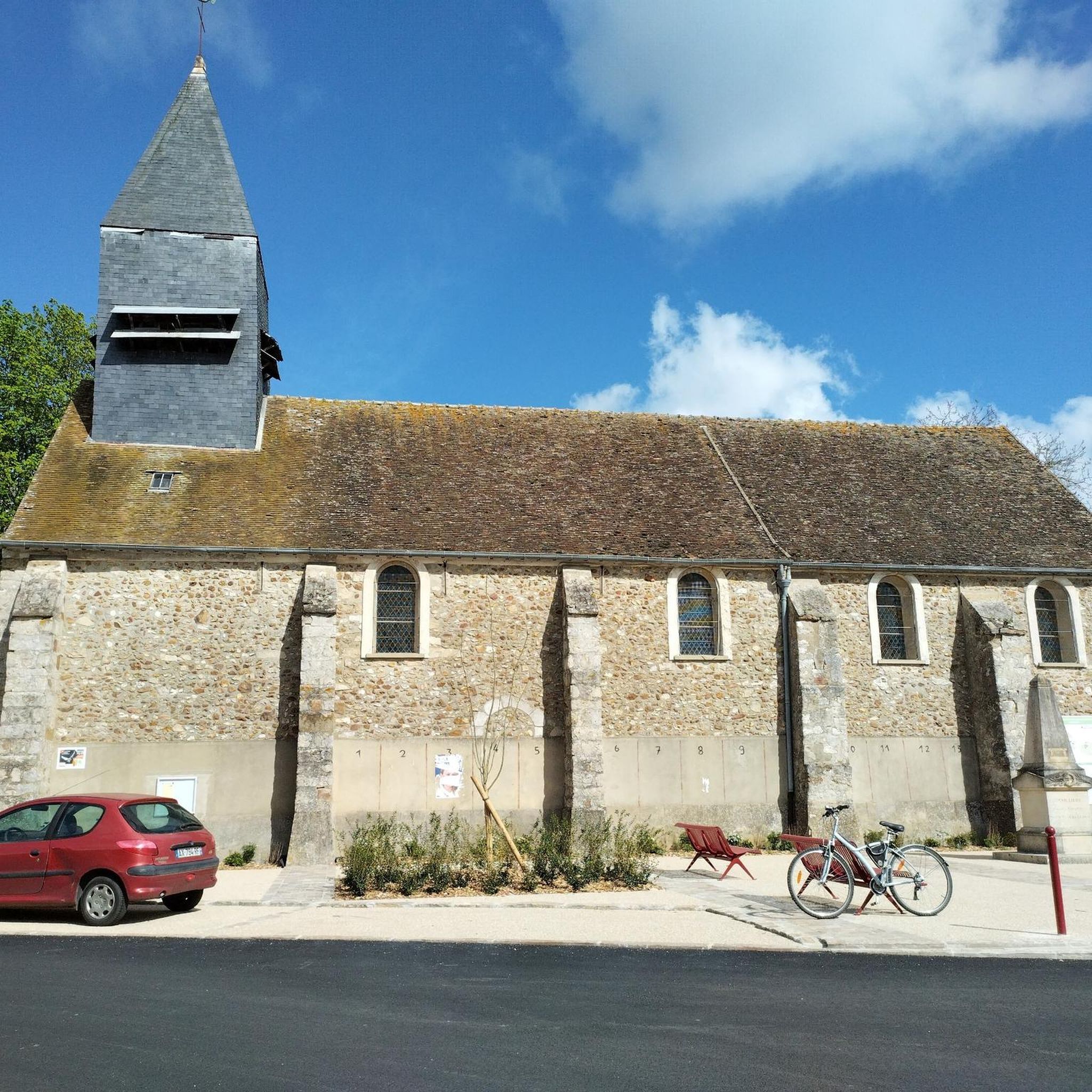
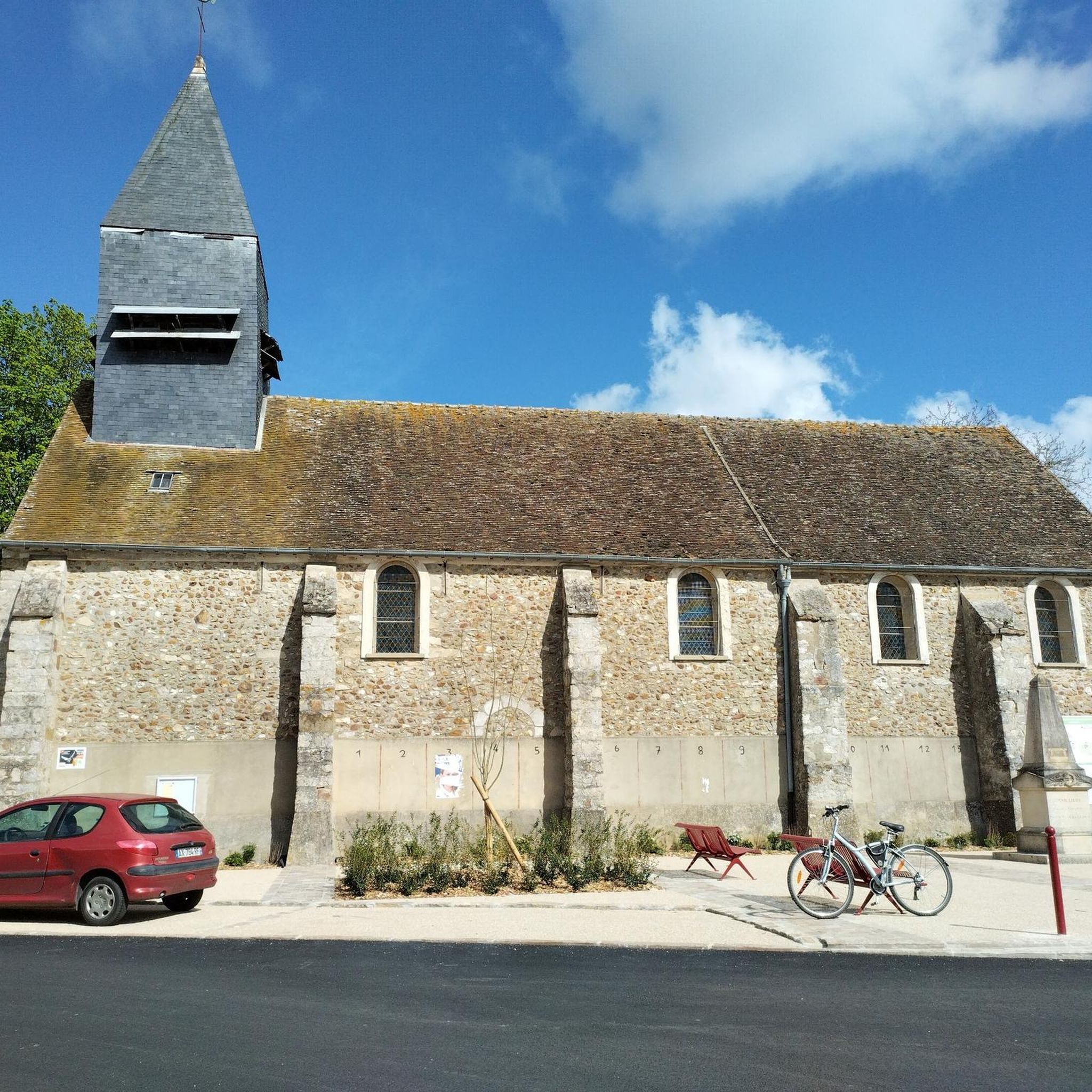



Tips from the Community

Built at the end of the 12th century by the Counts of Montfort and listed as a Historic Monument since 1889, the Houdan Tower was used to watch for enemies and defend the territory. The Keep consists of a 15 m diameter and 21 m high tower, flanked by four turrets of the same height located at the four cardinal points. From the 16th century until the French Revolution, the Keep served as a prison, and executions took place at the foot of the Tower. The first water reservoir was installed in the tower in 1880. The second, built in 1952, is still visible. Tours are available on certain days.
0
0


Monument dating from the end of the 12th century
1
0

Here at 36 rue de l'église, an old house different from the neighboring buildings. This is the "Tric" villa acquired in 1915 by Henri Désiré Landru to commit his macabre crimes. Within these walls, 7 women were murdered between 1915 and 1919 among the 11 officially recorded victims. The choice of the Gambais villa was motivated by its isolation, as it was 300 m from the nearest house (this is obviously no longer the case now), and by its outbuildings and the basement. Here were found supposedly human remains in a heap of ashes discovered in a shed, in the fireplace, and in the stove; one will also find clasps, pins, pieces of corset, partly burnt buttons. In all, the police found 4.176 kg of charred bone debris, including 1.5 kg undoubtedly coming from human bodies, as well as 47 teeth or tooth fragments. The medical examiner will announce to the press that these bones correspond to three heads, five feet and six hands. Having become a famous place on the occasion of the resounding trial, Villa Tric de Gambais was looted by the crowd, then sold to a restorer who renamed it "Au Grillon du Foyer" and converted part of the building into a museum. It even seems that the "Landru" rib steak was served there, grilled over a wood fire... The restaurant closed its doors in 1940 and the house was then sold to private individuals. The famous villa also gave rise to a series of postcards. Somewhat forgotten after several decades, the house came back into the news in 2018 when it was put up for sale with an announcement very discreetly stating "very beautiful house steeped in history"... The cook of the villa after a succession of transactions ended up being bought by Laurent Ruquier. Passionate about the character, he wrote a play on the subject, in 2005, with Régis Laspalès in the main role. No sign, no sign comes to announce the history of this house which undoubtedly wishes to fall back into oblivion.
3
0

Estate built in the first third of the 17th century, having preserved its park, its outbuildings and its alley of lime trees from the end of the 18th century. The castle stands opposite the church of Tilly, it was bought and saved from ruin in 1936 by François Delalande, his daughter still occupies it today. It is a beautiful Louis XIII-style residence, flanked by its two towers with an original domed roof, in a six-hectare park entirely surrounded by walls.
1
0
The Tower (commonly called "The Dungeon"), built in the 12th century under the reign of the Counts of Montfort, and classified as a Historic Monument since 1840, had the function of watching out for enemies and defending the territory. But in reality, it mainly had a dissuasive role since it was reputed to be impregnable. Built on the site of an old Merovingian necropolis, it originally consisted of an enclosure and a main tower. The enclosure, which has now disappeared, had a circular turret intended for the defense of the gate. The access door, located 4 meters from the ground then raised in the 15th century to 6 meters, was the only access to the large room on the 1st floor reserved for the military chief. It was accessed via a drawbridge.
0
0

One of the most beautiful Ile de France villages with its many vestiges.
2
0

Five points to see in this village: the church and its fortifications, the Porte de Bretagne, the wash house, the pink house - which turns out to be a restaurant called 'the green mare', the graves of the six Australian aviators with the messages engraved with their loved ones.
1
0
Frequently Asked Questions
What kind of attractions can I expect to find around Orvilliers?
The area around Orvilliers is rich in historical sites and architectural landmarks. You'll find a variety of castles, fortified structures, and historical sites, offering a glimpse into the region's heritage. Many points of interest are available for exploration.
What historical sites are there to explore near Orvilliers?
You can explore several significant historical sites. The Donjon and Fortified Site of Montchauvet features a 12th and 13th-century church, ruins of a keep, and the arch of the gateway to Brittany. Another notable site is the Villa Landru, known for its unique and somber history. Additionally, the Fortified Farm of la Troche, with buildings dating from the 16th century, offers a glimpse into medieval times, though it is a private property not open for visits.
Are there any castles or fortified structures to visit?
Yes, Orvilliers is known for its castles and fortified structures. The most popular is Château de Tilly, a beautiful Louis XIII-style residence with two towers and a six-hectare park. Another must-see is The Donjon of Houdan, a 12th-century monument that served a defensive role and later as a prison. The Donjon and Fortified Site of Montchauvet also includes ruins of a keep from a castle involved in the Hundred Years War.
What outdoor activities can I do near the attractions in Orvilliers?
The area around Orvilliers offers various outdoor activities, particularly cycling and mountain biking. You can find numerous routes suitable for different skill levels. For more details, explore the Cycling around Orvilliers guide, the Road Cycling Routes around Orvilliers guide, and the MTB Trails around Orvilliers guide.
Are there cycling routes available near Orvilliers' attractions?
Absolutely. You can find a range of cycling routes, from easy to difficult. For instance, an easy route is 'The Caddy of Portugal – Château de Corbeville loop from Septeuil' (14.15 km), while a more challenging one is 'Château and Church of Béhoust – Château de Béhoust loop from Orgerus' (56.47 km). Discover more options in the Cycling around Orvilliers guide and the Road Cycling Routes around Orvilliers guide.
Can I find mountain biking trails in the Orvilliers area?
Yes, there are several mountain biking trails around Orvilliers. Options include the 'Pinardière Pond loop from Orgerus' (17.85 km, easy) or the 'Rompu Pond – Ponts Quentin Stream loop from Tacoignières - Richebourg' (46.72 km, moderate). For a comprehensive list of trails, refer to the MTB Trails around Orvilliers guide.
Are there family-friendly attractions around Orvilliers?
Many of the historical sites and castles can be interesting for families, especially those with an interest in history and exploration. The large park at Château de Tilly offers space for children to enjoy, and exploring the ruins of the Donjon and Fortified Site of Montchauvet can be an engaging experience for older children.
What do visitors appreciate most about the attractions in Orvilliers?
Visitors particularly appreciate the rich historical context and the well-preserved architectural heritage. The community has shared 20 upvotes and 9 photos, highlighting the beauty and historical significance of places like the Château de Tilly and the Donjon and Fortified Site of Montchauvet. The unique stories behind sites like Villa Landru also capture visitors' interest.
Is parking available at the attractions around Orvilliers?
While specific parking details for each attraction are not always provided, most historical sites and castles in rural areas typically have some form of parking available nearby, either dedicated lots or street parking. It is advisable to check local signage upon arrival.
How can I reach the attractions around Orvilliers by public transport?
Public transport options to reach attractions in rural areas like Orvilliers can be limited. While some larger towns nearby might have train or bus connections, reaching specific historical sites often requires a car. It's recommended to check local bus schedules or consider taxi services from the nearest train station if you plan to rely on public transport.
Are there any attractions around Orvilliers that are wheelchair accessible?
Specific information on wheelchair accessibility for each attraction is not readily available. Historical sites, especially older castles and fortified structures like The Donjon of Houdan or the Donjon and Fortified Site of Montchauvet, may have uneven terrain, stairs, or limited access due to their historical nature. It is best to contact individual sites directly for detailed accessibility information.
What is the best time of year to visit the attractions around Orvilliers?
The spring and autumn months generally offer pleasant weather for exploring historical sites and enjoying outdoor activities around Orvilliers. The temperatures are mild, and the natural scenery is often at its best. Summer can also be a good time, though it might be warmer and more crowded. Winter visits are possible, but some sites might have reduced hours, and outdoor activities could be affected by colder weather.
Most popular routes around Orvilliers
Most popular attractions around Orvilliers

Get inspired with the komoot mobile app


Explore more
Still not found the Highlight you’re looking for? See guides of the top attractions in other regions:
