Attractions and Places To See around Clohars-Carnoët - Top 20
Best attractions and places to see around Clohars-Carnoët include a diverse range of cultural heritage sites, natural landscapes, and engaging activities. This commune in Finistère, Brittany, is situated between the Laïta River and the Carnoët forest, offering picturesque scenery. The area features historical landmarks, extensive forests, and sandy beaches, providing varied exploration opportunities. Visitors can discover a blend of historical sites, coastal paths, and natural features.
Best attractions and places to see around Clohars-Carnoët
- The most popular attractions is Fort-Bloqué Beach, a settlement that features a 19th-century fort built on the site of an earlier battery. This historical site is accessible on foot at low tide and played a role in protecting Lorient.
- Another must-see spot is Port Manec'h Beach, a fine sandy beach lined with typical bathing huts and charming villas. This location became a popular resort in the Belle Epoque and offers an idyllic setting for relaxation and swimming.
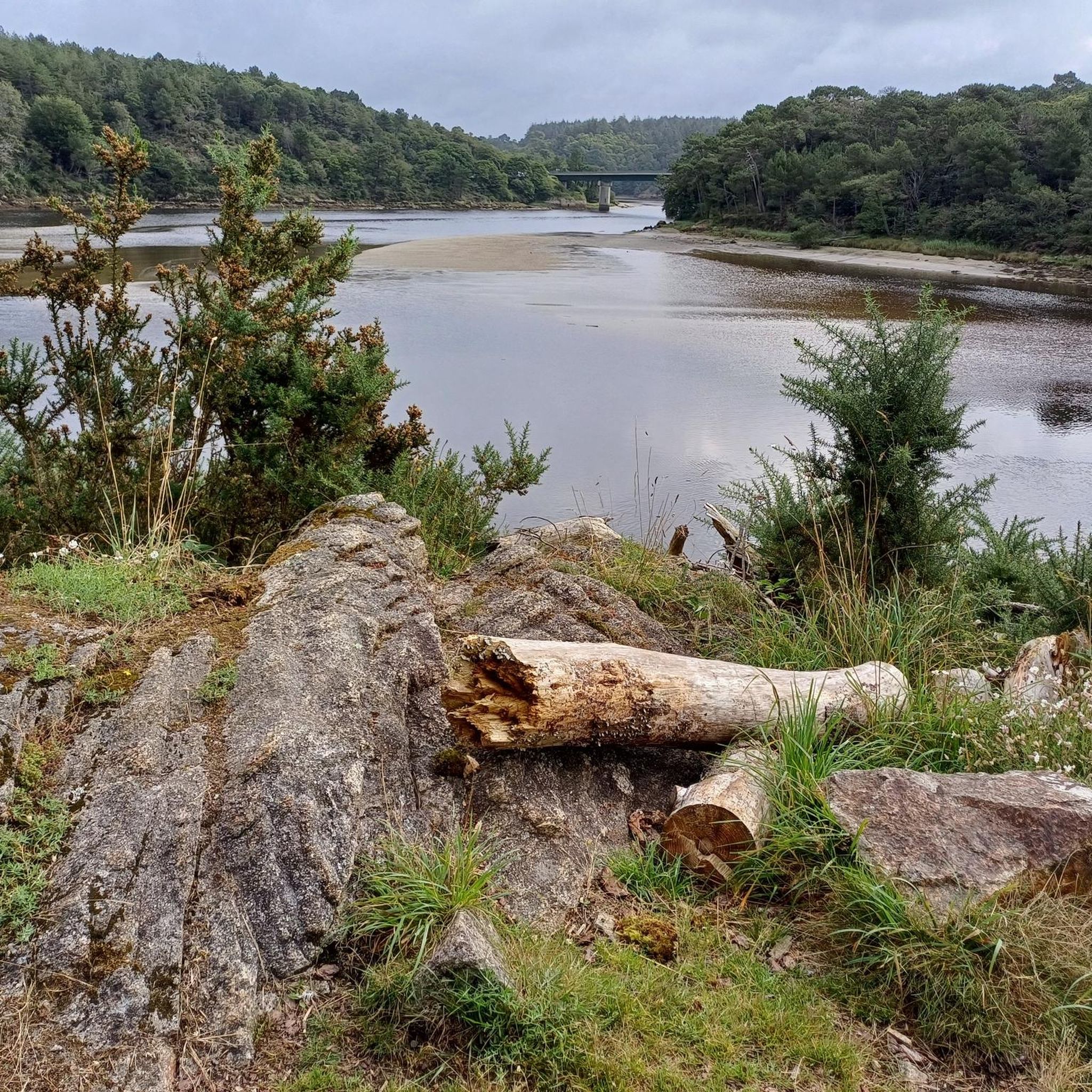
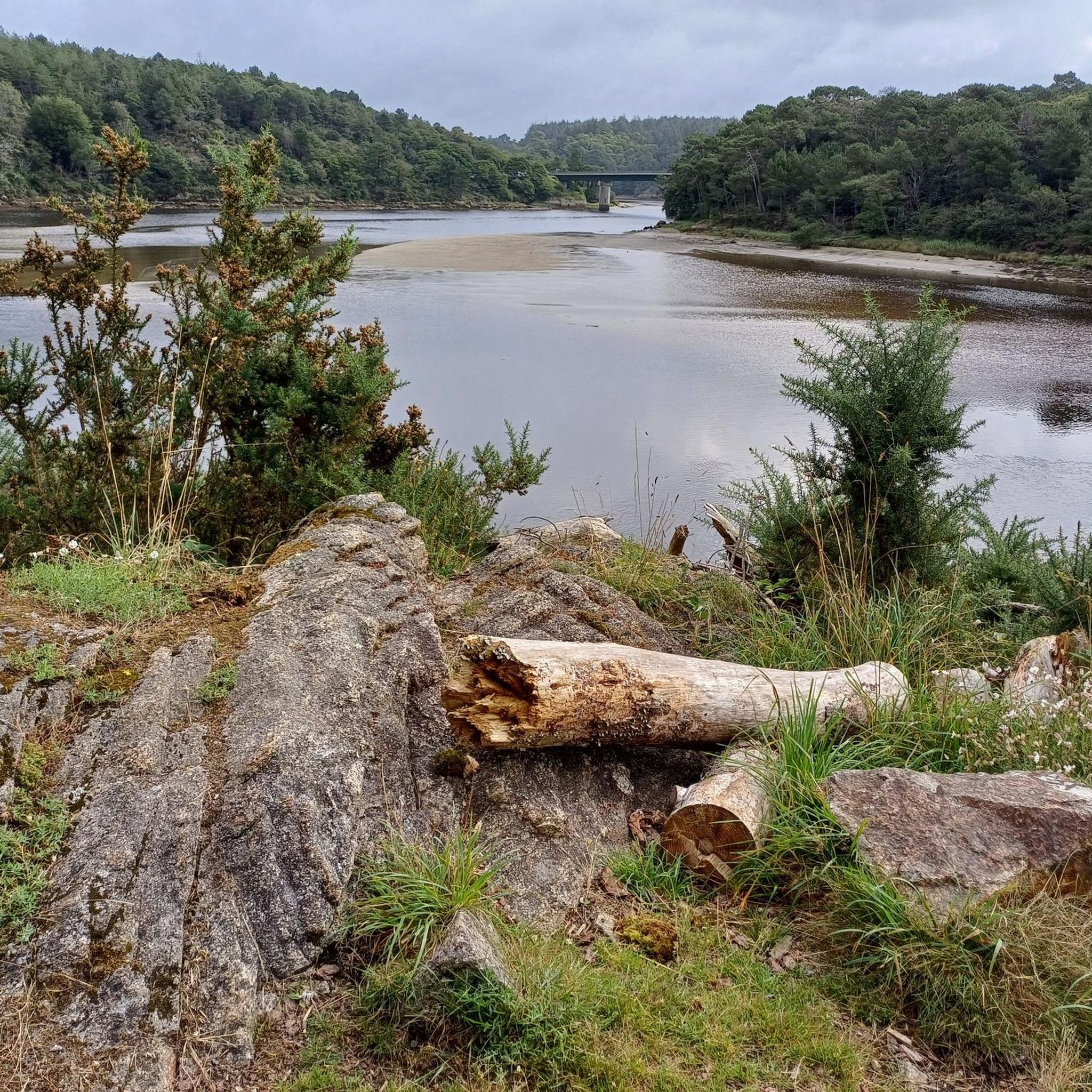
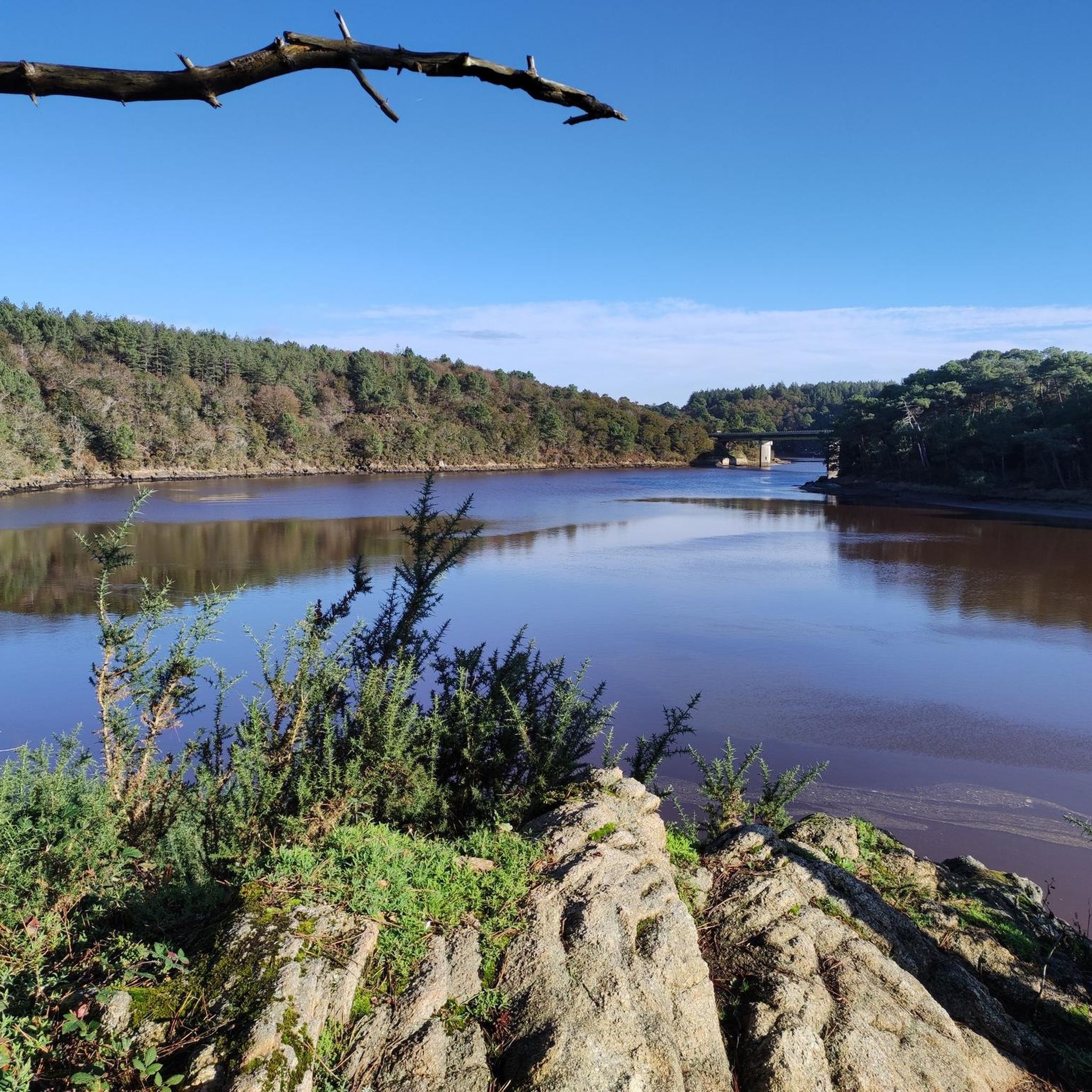
- Visitors also love Laïta Estuary and Beach, where the Laïta River meets the sea. This tranquil estuary provides views of the ocean and surrounding countryside, with opportunities to explore sandy beaches and relax.
- Clohars-Carnoët is known for its historical sites, scenic beaches, and natural areas like the Carnoët forest. The region offers a variety of attractions to see and explore, from ancient abbeys to picturesque fishing ports and coastal paths.
- The attractions around Clohars-Carnoët are appreciated by the komoot community, with over 270 upvotes and 35 photos shared by visitors.
Last updated: July 7, 2026
Fort-Bloqué Beach
Highlight • Settlement
The success of a hotel-restaurant on the formerly deserted coast attracted people from Lorient, some of whom settled there. Thus, the current town took shape.
Translated by Google •
Tip by

Port Manec'h Beach
Highlight • Beach
In the Belle Epoque, Port-Manec'h became a popular resort from the moment when Julia Guillou, a hotelier of many painters in Pont-Aven, bought the old fort located on the heights of Port-Manec'h to make it a favorite. refined hotel, the "Villa Julia".
The notoriety of Port-Manec'h grew then, to the point of becoming in the 1930s a seaside resort very in vogue; many guesthouses were built there in the architectural style of the time; they have now become beautiful second homes, or, for the Dalmore Manor, built by an Australian art lover in 1926, a luxury hotel.
Celebrities like Jean Gabin and Arletty frequented Hotel Julia during the inter-war period. This hotel was occupied by the Germans during the Second World War; they burned it in 1944.
(Https://fr.wikipedia.org/wiki/Port_Manec'h)
Translated by Google •
Tip by

Sign up now to discover places like this
Get recommendations on the best single tracks, peaks, & plenty of other exciting outdoor places.
Sign up for free
Port de Guidel
Highlight • Structure
There are bars and restaurants, a large playground for children
Translated by Google •
Tip by

Port Manec'h Harbor
Highlight • Settlement
Translated by Google •
Tip by

Sainte-Croix Abbey, Quimperlé
Highlight • Religious Site
During the French Revolution, the abbey was abolished. It possessed a large library rich in ancient and valuable manuscripts. This literary treasure was plundered and dispersed. The buildings were preserved; the abbey church became the parish church, and the convent buildings became public buildings, housing the civil court and the gendarmerie barracks. The church was added to the list of monuments historique in 1840 and the monastery in 1926.
Translated by Google •
Tip by

Sign up for free to discover even more attractions around Clohars-Carnoët.
Sign up for free
Already have an account?
Start today with a free account
Your next adventure awaits.
Login or Signup
Popular around Clohars-Carnoët
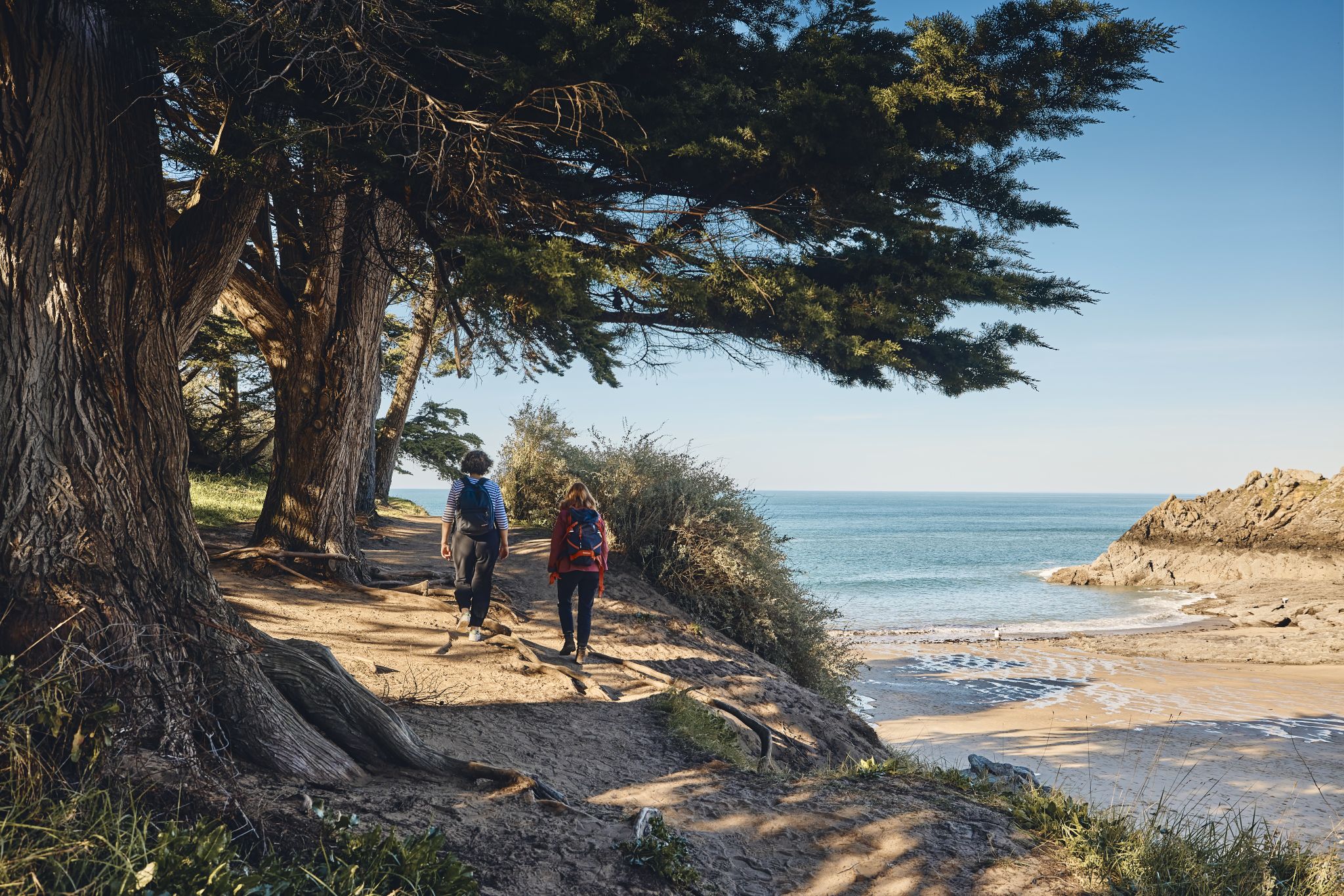
10 of the most beautiful walks in Brittany
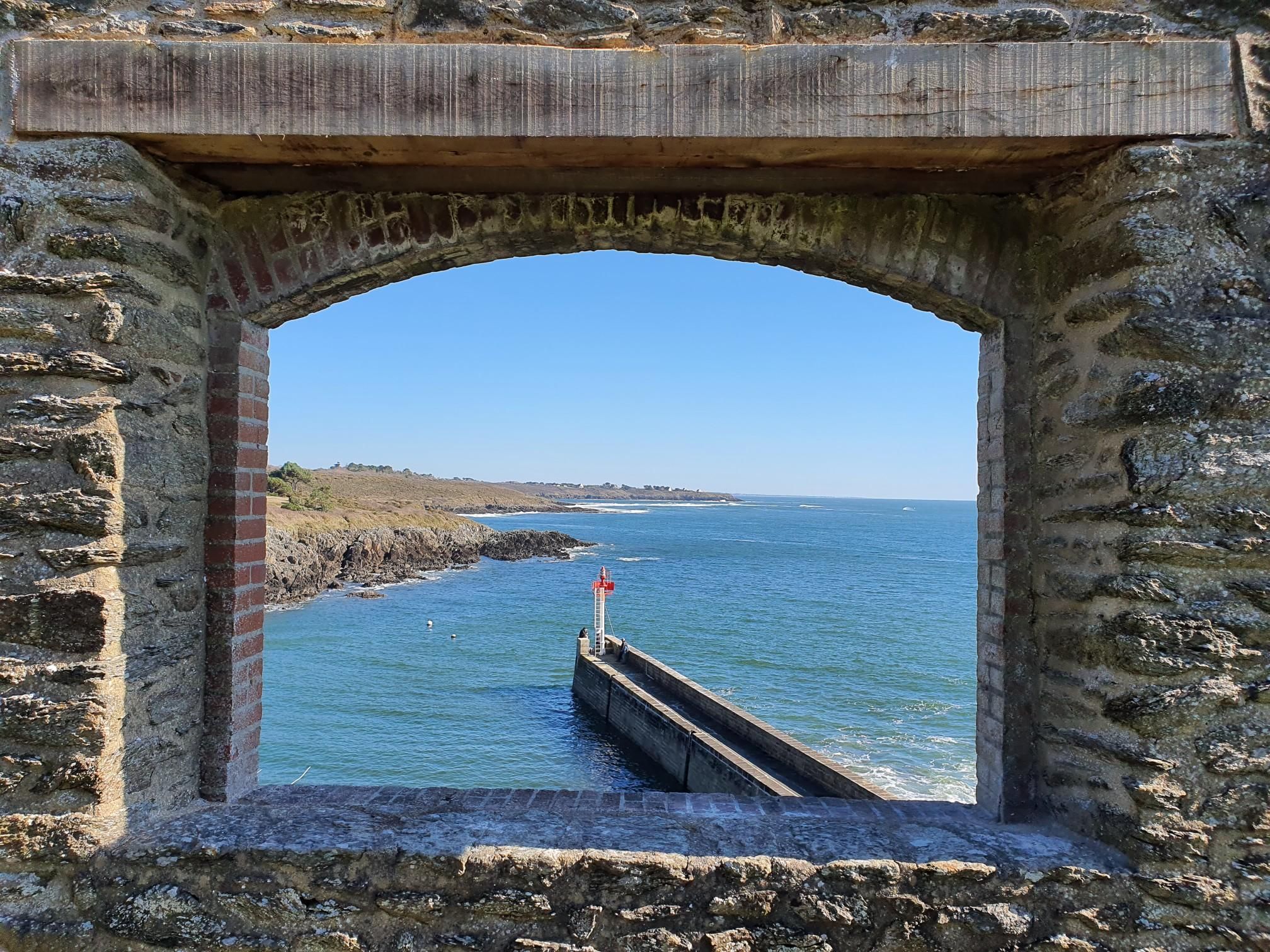
The Customs Officers’ path – GR 34 in Brittany between Lorient and Concarneau
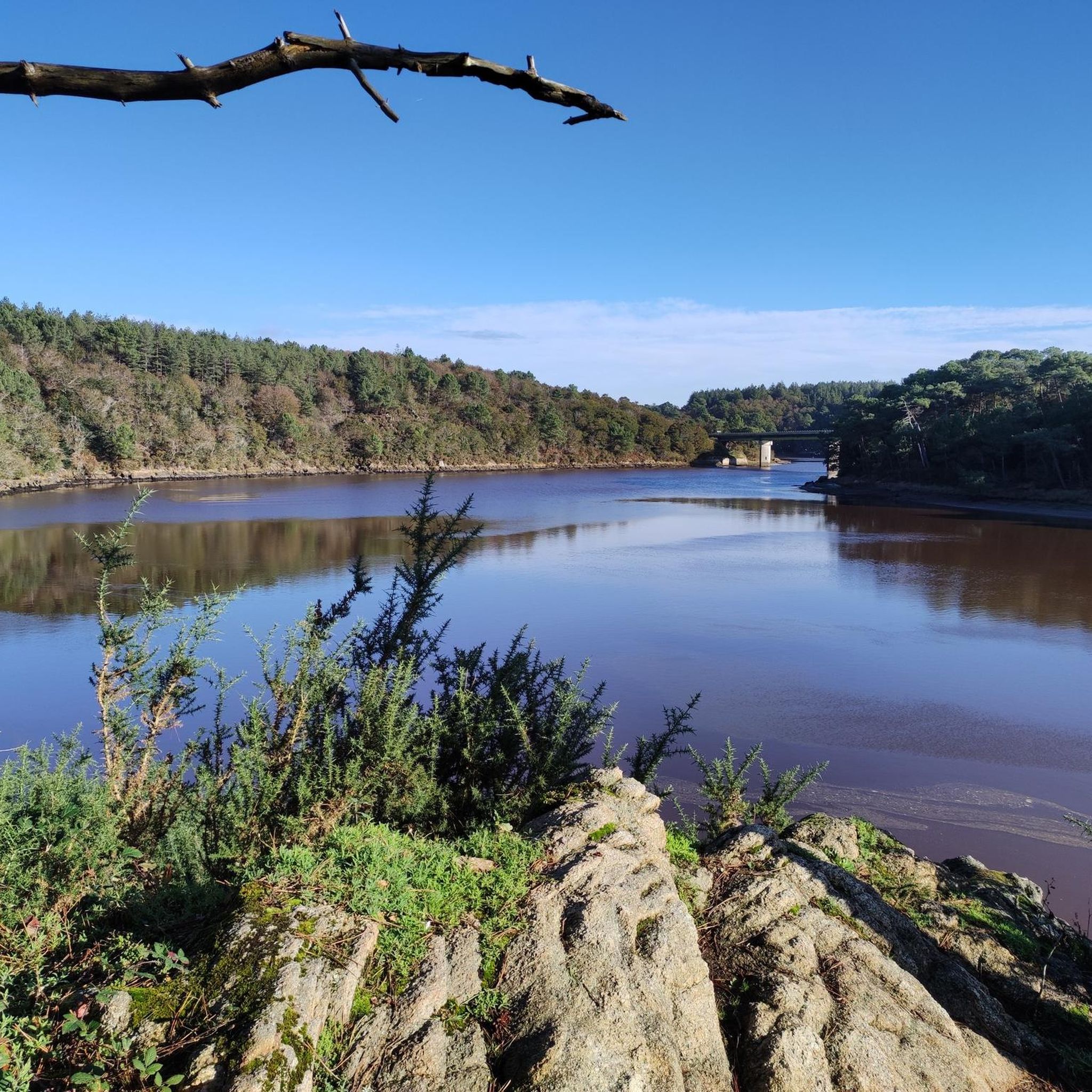
Hiking around Clohars-Carnoët
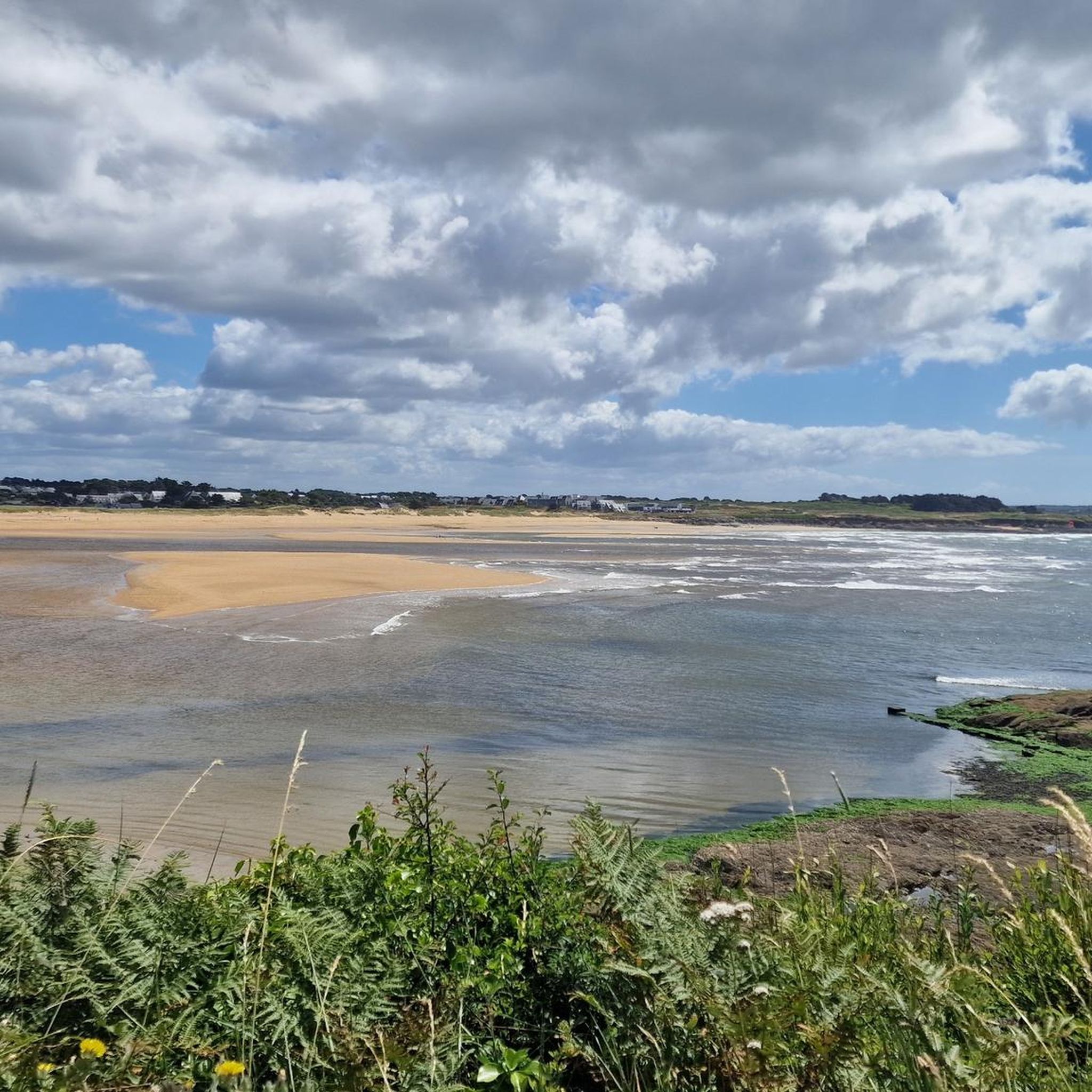
Running Trails around Clohars-Carnoët
Cycling around Clohars-Carnoët
Road Cycling Routes around Clohars-Carnoët
Gravel biking around Clohars-Carnoët
MTB Trails around Clohars-Carnoët


Tips from the Community

At the small harbor of Guidel-Plages, where the river Laïta flows calmly into the sea, something special happened. Every morning, fisherman Yann sailed out of the harbor in his old blue boat. He knew every wave, every sandbank, and every seagull by name. But on a misty spring day, he saw something he had never seen before: a bottle gently bobbing against the pier. Inside the bottle was not a treasure map, but a carefully folded letter. “For the one who loves the sea. Follow the river at sunset. Where the water turns golden, a surprise awaits.” Yann smiled. That evening, he did not sail out to the open sea, but slowly upstream along the Laïta. As the sun set, the water indeed turned into a ribbon of gold. Around a bend, he saw a group of dolphins playfully leaping through the calm water. As if they had been waiting for him, they swam alongside his boat for a while. When he returned to the harbor of Guidel, he didn't tell anyone exactly what he had seen. He simply said: “The sea keeps its most beautiful secrets for those who take the time to look.” Since then, the locals perform a small ritual. Anyone watching the sunset from the pier gazes silently over the water for a moment. Not because they all expect dolphins, but because the harbor of Guidel reminds them that the most beautiful adventures sometimes begin with a little curiosity and a good dose of imagination. And very occasionally, when the evening breeze blows softly over the harbor and the seagulls are quiet for a moment, it seems as if the sea whispers: “There is always another story to discover.”
0
0

The church boasted rich furnishings. Numerous objects are protected as historical monuments. The pulpit and high altar were made for the reconstructed church in the second half of the 19th century. Others, however, remain from the original building, such as the tomb of Saint Gurloës in the crypt and the furniture and murals in the sacristy.
3
0
It is said that the abbey was founded in 1029 by Saint Gurloës thanks to a donation from Alain Canhiart, Count of Cournouaille. In reality, it was probably founded between 1040 and 1050. It was one of the most powerful abbeys in Brittany and possessed numerous priories and other dependencies. Under the commandery of 1553, the abbey declined somewhat in importance until its revival by the Congregation of Saint Maurus in 1665. During the French Revolution, the abbey was abolished. It possessed a large library rich in ancient and valuable manuscripts. This literary treasure was plundered and dispersed. The buildings were preserved; the abbey church became the parish church, and the convent buildings became public buildings, housing the civil court and the gendarmerie barracks. The church was added to the list of monuments historique in 1840 and the monastery in 1926.
3
0

I can only agree with Fred Urrutia... The sea, in all its colours, is fantastic and clean, clear all the way to the bottom.
0
0

This fine sandy beach, lined with typical bathing huts and charming villas, offers an idyllic setting for relaxation and swimming. Surrounded by green cliffs and coastal paths, it invites contemplation with its views of the intense blue sea and the boats anchored offshore. The quiet charm of Port Manec'h makes it a perfect place for a seaside getaway.
0
0

Fort-Bloqué was built in the 19th century on the spot where a battery intended to repel English assaults once stood. It is accessible on foot at low tide. The success of a hotel-restaurant on the formerly deserted coast attracted people from Lorient, some of whom settled there. Thus, the current town took shape.
1
0

Fort-Bloqué is the name of an emblematic village on the coast. Its name comes from the fort built on an islet. Accessible on foot at low tide, it becomes an island again at high tide. A little history: on October 1, 1746, forty English ships landed 4,500 men on Loc’h beach. They took the towns of Guidel and Ploemeur before attacking Lorient. They will be postponed a few days later. To ward off another landing, a battery was built in 1748 on the islet of Keragan. A century later, a fort was built with ramparts, it is the Fort Bloqué that we now know. There were no houses before, just moorland. A hotel-restaurant has started to attract people from Lorient thanks to its famous lobster curry. Little by little, residents settled in from the 1960s.
0
0
A vacation spot since the Belle Époque, Port Manec'h still has many vestiges of this period, like the beach cabins from the beginning of the 20th century. A former sardine port, the site subsequently turned to seaside tourism, becoming very fashionable in the 1930s. The town was notably frequented by Jean Gabin and Arletty during the interwar period. Today, visitors continue to go to Port Manec'h to enjoy both its natural charm and its nostalgic setting rich in traditional architecture.
1
0
Frequently Asked Questions
What historical sites can I visit in Clohars-Carnoët?
Clohars-Carnoët offers several historical sites. You can explore the ruins of the Cistercian Sainte-Croix Abbey, Quimperlé, founded in 1029, which was once one of Brittany's most powerful abbeys. Another significant site is the Chapel of Our Lady of Peace, dating from the 16th century and known for its stained glass windows. Additionally, the Fort-Bloqué Beach features a 19th-century fort accessible at low tide, which played a role in protecting Lorient.
Are there any notable art-related attractions in the area?
Yes, the Maison-Musée Gauguin (Gauguin House-Museum) in Le Pouldu is a significant art-related attraction. It's a recreation of the original 'Buvette de la Plage' where Paul Gauguin and other artists lived and painted in the late 19th century, offering insight into their time in the region.
Where can I experience traditional Breton fishing villages or picturesque ports?
The Port Manec'h Beach area, with its charming villas and bathing huts, offers a glimpse into a popular Belle Epoque resort. For a traditional fishing village experience, visit Port de Doëlan, often considered one of Brittany's most beautiful ports, featuring colorful houses and iconic lighthouses.
What are the best natural areas for hiking and exploring in Clohars-Carnoët?
The Forêt de Carnoët (Carnoët Forest), also known as Toulfoën Forest, is an extensive natural area perfect for hiking and mountain biking. It spans over 1,700 acres and features century-old trees and historical ruins. The Laïta Estuary and Beach also offers tranquil views and opportunities to explore sandy beaches where the Laïta River meets the sea.
Are there good beaches for relaxation or water sports?
Clohars-Carnoët boasts several beautiful sandy beaches, particularly in Le Pouldu, including Les Grands Sables, Bellangenet, and Le Kérou. The nautical base at Le Pouldu is an ideal spot for various water activities like surfing, kayaking, canoeing, stand-up paddleboarding, and kite-surfing, with lessons and equipment rentals available.
Can I find scenic coastal walks in Clohars-Carnoët?
Absolutely. The famous GR 34, also known as the 'sentier des douaniers' (customs officers' path), runs along the entire coastline of Clohars-Carnoët. This path provides stunning ocean views, access to sandy beaches, and leads through charming seaside villages, perfect for scenic strolls.
What kind of wildlife can I spot in the region?
The Forêt de Carnoët is a protected natural area where you can observe diverse flora and fauna. For a more direct wildlife experience, the Parc Animalier du Quinquis (Quinquis Animal Park) near Le Pouldu is home to deer, does, alpacas, and a family of zebus, set within a preserved botanical park.
Are there family-friendly activities or attractions in Clohars-Carnoët?
Yes, families can enjoy the Parc Animalier du Quinquis, which also features a 'Parcabout Chien Noir' playful area for children. Many of the sandy beaches like Port Manec'h Beach and the Laïta Estuary and Beach are also great for family relaxation and swimming. The Chapel of Our Lady of Peace is also considered family-friendly.
What outdoor activities and trails are available near Clohars-Carnoët's attractions?
The area around Clohars-Carnoët offers various outdoor activities. For running, you can find trails like 'La roche Percée' or the 'Bellangenêt Beach – Plage de Kerou loop'. Mountain biking enthusiasts have options such as the 'Laita – View of Pouldu Beach loop' or routes around Saint Maurice Abbey. Gravel biking is also popular, with routes like the 'Doëlan Harbor loop'. You can find more details on these and other routes in the Running Trails, MTB Trails, and Gravel Biking guides.
What do visitors enjoy most about the attractions around Clohars-Carnoët?
Visitors particularly appreciate the blend of historical significance and natural beauty. The Fort-Bloqué Beach is noted for its historical fort and accessibility at low tide. Port Manec'h Beach is loved for its idyllic setting, charming villas, and rich history. The tranquil Laïta Estuary and Beach is praised for its breathtaking views and opportunities for relaxation. The komoot community has shared over 35 photos and given more than 270 upvotes, highlighting the diverse appeal of the region's sites.
Are there any unique natural rock formations to see?
Yes, for adventurers and nature lovers, Les Roches du Diable (Devil's Rocks) is a notable natural site. It features dramatic boulders and offers breathtaking river views, suitable for enjoying the scenery or even rock climbing.
Can I find local produce or markets in Clohars-Carnoët?
While specific market details are not provided, visitors can discover local producers in Clohars-Carnoët, such as family farms producing ciders, juices, and vinegars. The region also hosts night markets in Le Pouldu and Doëlan during certain seasons, offering local goods.
Most popular routes around Clohars-Carnoët

Get inspired with the komoot mobile app


Explore more
Still not found the Highlight you’re looking for? See guides of the top attractions in other regions:
