Attractions and Places To See around Pietralba - Top 20
Best attractions and places to see around Pietralba include locations in both Italy's South Tyrol and Corsica, France. The South Tyrolean region features the Sanctuary of Our Lady of Pietralba and is near the Dolomites, offering significant natural and cultural sites. Pietralba in Corsica presents historical landmarks like the San Michele de Murato Church and rugged natural areas such as the Agriates Desert. Both regions provide diverse landscapes for exploration.
Best attractions and places to see around Pietralba
- The most…
Last updated: May 9, 2026
Belgodère
Highlight • Settlement
Translated by Google •
Tip by

Off-road through the Agriates Desert
Highlight (Segment) • Other
Translated by Google •
Tip by

Sign up now to discover places like this
Get recommendations on the best single tracks, peaks, & plenty of other exciting outdoor places.
Sign up for free
San Michele de Murato Church
Highlight • Religious Site
Of Romanesque architecture, its construction dates back to the 13th century. Its checkerboard structure makes it one of the finest …
Translated by Google •
Tip by

Belgodere - Olmi-Cappella
Highlight (Segment) • Other
Translated by Google •
Tip by
Lama Village
Highlight • Settlement
Translated by Google •
Tip by

Sign up for free to discover even more attractions around Pietralba.
Sign up for free
Already have an account?
Start today with a free account
Your next adventure awaits.
Login or Signup
Tips from the Community

The village has had its Church of Saint Thomas since 1269, built by Andrea Malaspina. Amidst its arcades and numerous so-called "venelles," it houses a 16th-century image of the Virgin and Child, a 17th-century holy water font, and a marble statue of Saint Anthony the Baptist, discovered near Lozari. The latter, coveted by several communities, was therefore transported by oxen on a cart across the region and given to the village where the animals first stopped.
0
0


Very beautiful small church made of green serpentine and white limestone blocks.
0
0

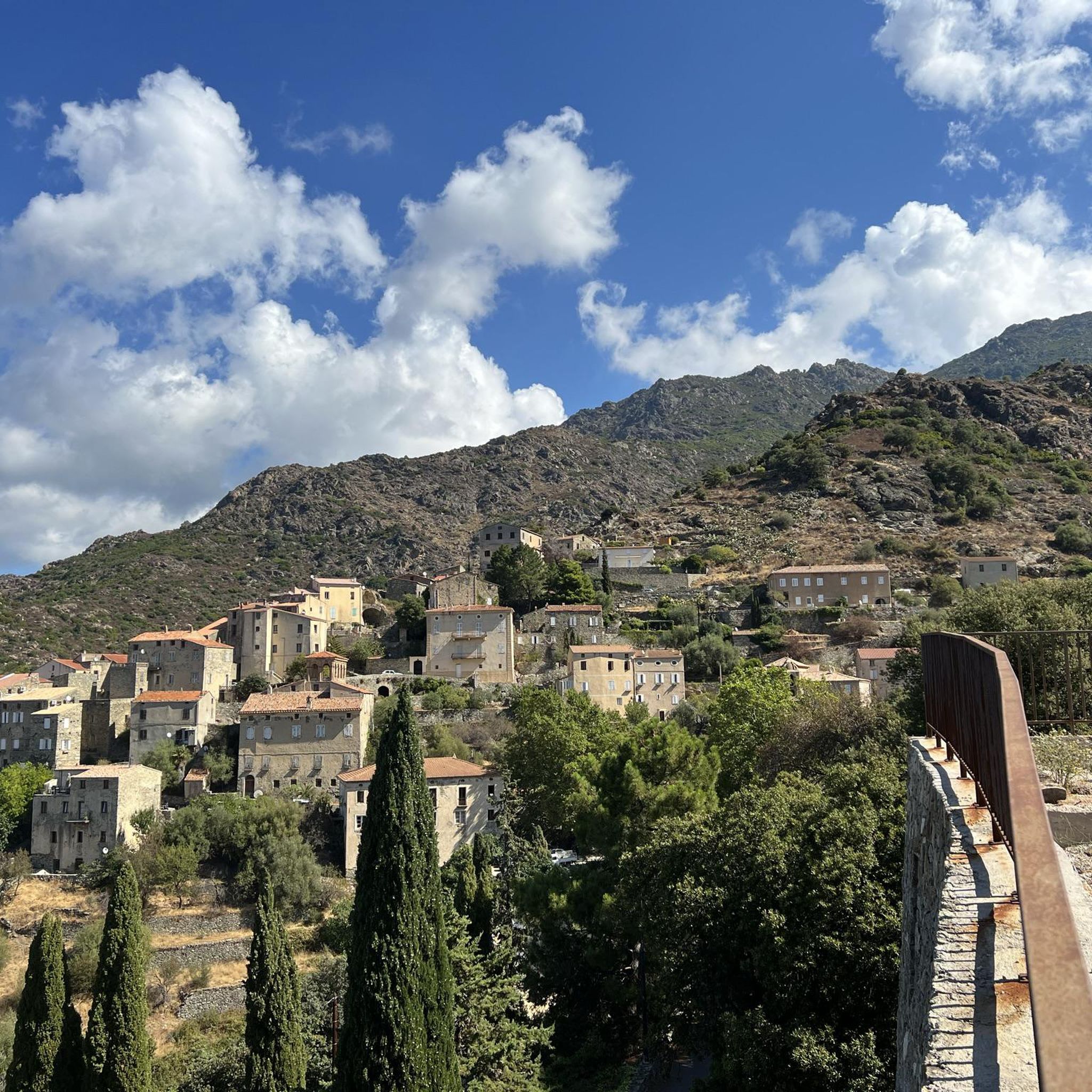
The village of Lama is nestled in the mountains of Corsica, offering you a charming glimpse into traditional rural life with its stone houses, narrow streets and panoramic views of the surrounding valleys. You will notice the unique blend of medieval architecture and terraced gardens that cascade down the hills.
1
0

2/3 of the loop is nice, up to the superb beach of Sallecia. But the return via the coastal path, like the customs path, is simply IMPASSABLE and very long!! With the heat, it can even be dangerous to have to walk and push your mountain bike for so long! So I recommend going all the way to the beach but strongly advise against the return by the coast, which is nothing more than a hiking trail but not a mountain bike trail!
0
0

The town nestles against the mountain, beautiful church and cool drinks
1
0

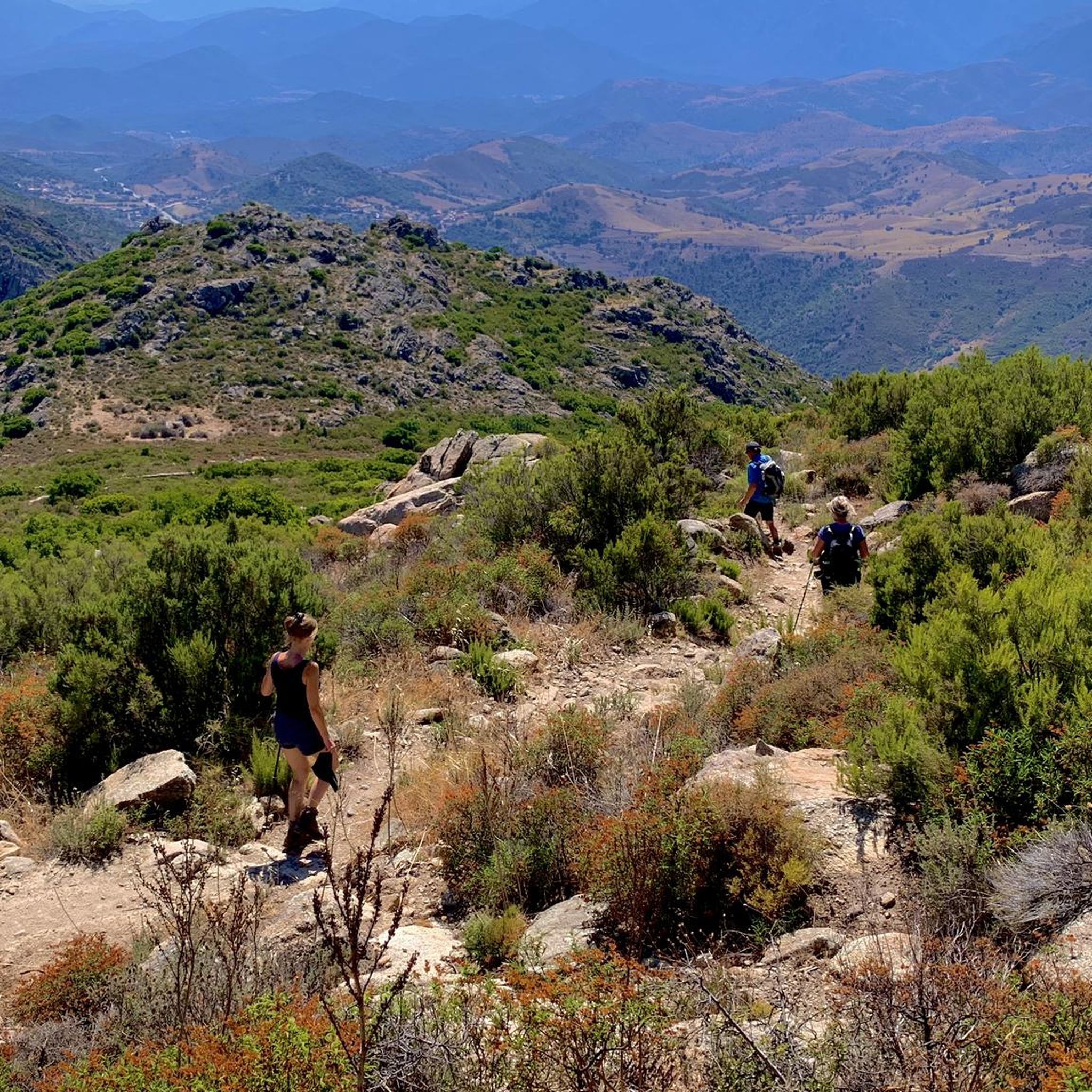
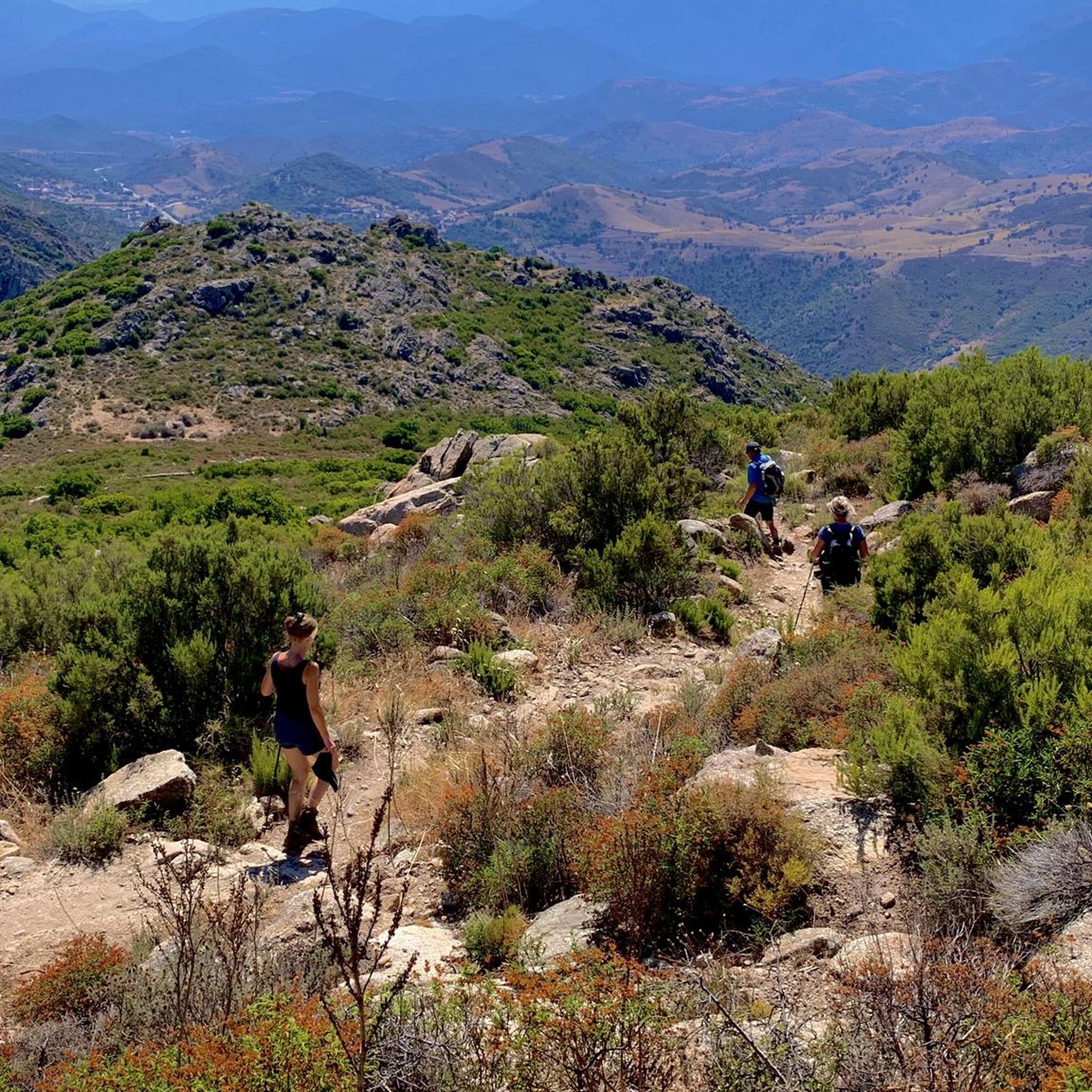
Very nice and challenging tour. Take enough water with you. At the entrance to the off-road piste there is a nice restaurant, very cozy, where you can refill your water supply.
2
0
Frequently Asked Questions
What types of attractions can I expect to find around Pietralba?
Pietralba encompasses two distinct regions, one in Italy's South Tyrol and another in Corsica, France. In South Tyrol, you'll find significant spiritual sites like the Sanctuary of Our Lady of Pietralba and stunning natural wonders such as Lake Carezza and the Dolomites. Corsica's Pietralba offers historical landmarks like the San Michele de Murato Church and rugged natural areas like the Agriates Desert.
Are there any significant historical or cultural sites in Pietralba?
Yes, both Pietralba regions boast rich historical and cultural sites. In South Tyrol, the Sanctuary of Our Lady of Pietralba (Maria Weißenstein) is a major pilgrimage site with Baroque architecture, and the Hermitage of Saint Leonard marks its origins. In Corsica, the San Michele de Murato Church is a 13th-century Romanesque masterpiece known for its distinctive checkerboard design, and the Church of Saint Thomas dates back to 1269.
What natural landscapes and features are prominent in the Pietralba regions?
The South Tyrolean Pietralba is surrounded by the majestic Dolomites, including the Catinaccio and Latemar mountains. You can also visit the vibrant Lake Carezza, the geological wonder of Bletterbach Canyon, and the unique Collepietra Earth Pyramids. In Corsica, the rugged Agriates Desert offers adventurous exploration, and the Monte Grosso massif features extensive macchia, green alpine meadows, and chestnut forests.
What outdoor activities are popular in the Pietralba areas?
Both Pietralba regions are excellent for outdoor enthusiasts. In South Tyrol, you can enjoy hiking, trekking, cycling (mountain, road, and e-biking), horseback riding, and winter sports like skiing and ice skating. Corsica offers off-road adventures in the Agriates Desert, as well as hiking and cycling through wild landscapes and secluded mountain villages.
Are there hiking trails suitable for different skill levels near Pietralba?
Yes, both regions offer diverse hiking opportunities. In South Tyrol, you'll find numerous trails for all experience levels, from family-friendly routes through forests to challenging alpine paths in the Dolomites. For hiking around the Corsican Pietralba, you can explore routes like the 'Village of Lama – Narrow streets in Lama loop' or the 'Path between Urtaca and Lama', with options ranging from moderate to difficult. You can find more details on specific routes in the Hiking around Pietralba guide.
Can I go cycling or mountain biking around Pietralba?
Absolutely! The South Tyrolean region provides abundant options for mountain biking, road cycling, and e-biking, with routes winding through forests, meadows, and panoramic Dolomite scenery. In Corsica, the surrounding areas offer various routes for cycling, including challenging MTB trails. For mountain biking, consider routes like 'View of the Corsican Mountains – Genoese Bridge of Asco loop'. More cycling options are available in the MTB Trails around Pietralba guide.
What can I explore in Pietralba, Corsica, France?
In Corsica, you can visit the charming settlement of Belgodère, known for its local delicacies. The San Michele de Murato Church is a must-see 13th-century Romanesque church. For nature lovers, explore the Agriates Desert for off-road adventures or hike through the Monte Grosso massif, as seen on the Belgodere - Olmi-Cappella route, which features extensive macchia and chestnut forests.
Are there family-friendly attractions or activities in the Pietralba regions?
Yes, both regions offer family-friendly options. In South Tyrol, many hiking trails through forests are suitable for families, and the natural sites like Lake Carezza are enjoyable for all ages. In Corsica, exploring charming villages like Belgodère and visiting historical sites like the San Michele de Murato Church can be engaging for families. Gentle walks and scenic viewpoints are also plentiful.
What do visitors enjoy most about the attractions around Pietralba?
Visitors particularly appreciate the unique charm of places like Belgodère, often stopping for local delicacies. The San Michele de Murato Church is admired for its impressive beauty and distinctive architecture. Many also enjoy the wild, untouched nature found in areas like the Monte Grosso massif, where you can experience authentic Corsican landscapes with few cars or people.
When is the best time to visit Pietralba for outdoor activities?
For outdoor activities in South Tyrol, spring to autumn offers ideal conditions for hiking, cycling, and horseback riding, with pleasant temperatures and vibrant landscapes. Winter transforms the region into a snowy paradise for skiing and other winter sports. In Corsica, early mornings are recommended for off-road adventures in the Agriates Desert to avoid heat and crowds, while spring and autumn are generally pleasant for hiking and cycling.
Are there any unique local specialties or culinary experiences to try?
Yes, both regions offer distinct culinary delights. In South Tyrol, you can savor typical South Tyrolean dishes at local restaurants and even sample craft beer from a brewery housed in the Sanctuary's former stable. In Corsica, the region is known for its chestnut flour, which is used in the local 'Pietra' beer and is a traditional food source for wild pigs. Charming villages like Belgodère offer restaurants serving these local delicacies.
What are some hidden gems or less-known spots worth visiting?
In South Tyrol, beyond the main sanctuary, the Hermitage of Saint Leonard offers a peaceful retreat in the woods, marking the sanctuary's origins. The Latemar Cinema provides an open-air viewpoint with expansive Dolomite views. In Corsica, the route Belgodere - Olmi-Cappella takes you deep into the Monte Grosso massif, revealing wild Corsica with extensive macchia and chestnut forests, far from crowds.
Most popular attractions around Pietralba

Get inspired with the komoot mobile app


Explore more
Still not found the Highlight you’re looking for? See guides of the top attractions in other regions:
