Attractions and Places To See around Générargues - Top 20
Best attractions and places to see around Générargues include a blend of natural landscapes, historical sites, and cultural insights within the Cévennes region of France. The village is situated near the Gardon river and serves as a base for exploring the Cévennes National Park. Historically, Générargues was a center for the silk industry and has a notable Protestant heritage. The area offers a variety of experiences, from botanical gardens to historical settlements.
Best attractions and places to see around Générargues
…Last updated: May 9, 2026
Gardon of Anduze
Highlight • River
Showing Translation
Tip by

Anduze
Highlight • Settlement
Translated by Google •
Tip by

Sign up now to discover places like this
Get recommendations on the best single tracks, peaks, & plenty of other exciting outdoor places.
Sign up for free
Saint-Jean-du-Gard
Highlight • Settlement
Translated by Google •
Tip by

Col d'Uglas
Highlight • Trail
Showing Translation
Tip by
Ruins of the Château de Sauvages
Highlight • Castle
Translated by Google •
Tip by

Sign up for free to discover even more attractions around Générargues.
Sign up for free
Already have an account?
Start today with a free account
Your next adventure awaits.
Login or Signup
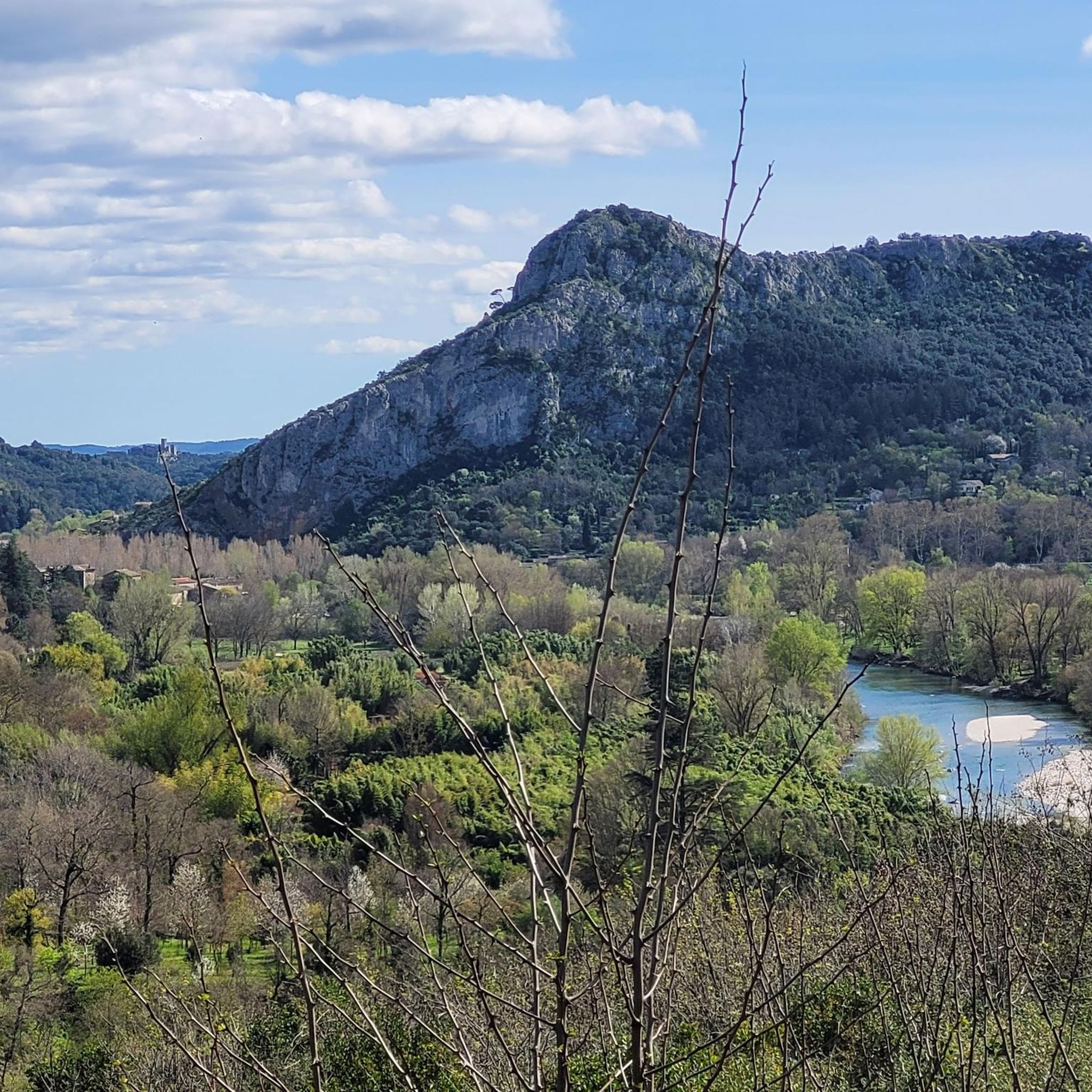

Tips from the Community

Nice pass to do on both sides with very beautiful views, a little gem like there are so many in our deep Cévennes..👌
0
0

Superb pass, a must-do if you're passing through the area. It's incredible from any side.
0
0

An address to spend an incredible night in a converted container: “Le voyageur”! Isabelle at 0638885274.
0
0
Beautiful surroundings, but there is an exit to the left towards Saint Jean de Gare, where passage was not possible due to flooding. So follow the route to St. Jean via the other internal road. Easy to cycle
1
0

Stop for a coffee and breathe the fresh air of the Cévennes
1
0

Col d'Uglas measures 5.47 kilometers in length, with an elevation gain of 308 meters. The average gradient is 5.6% with maximum gradients of 12%.
2
0

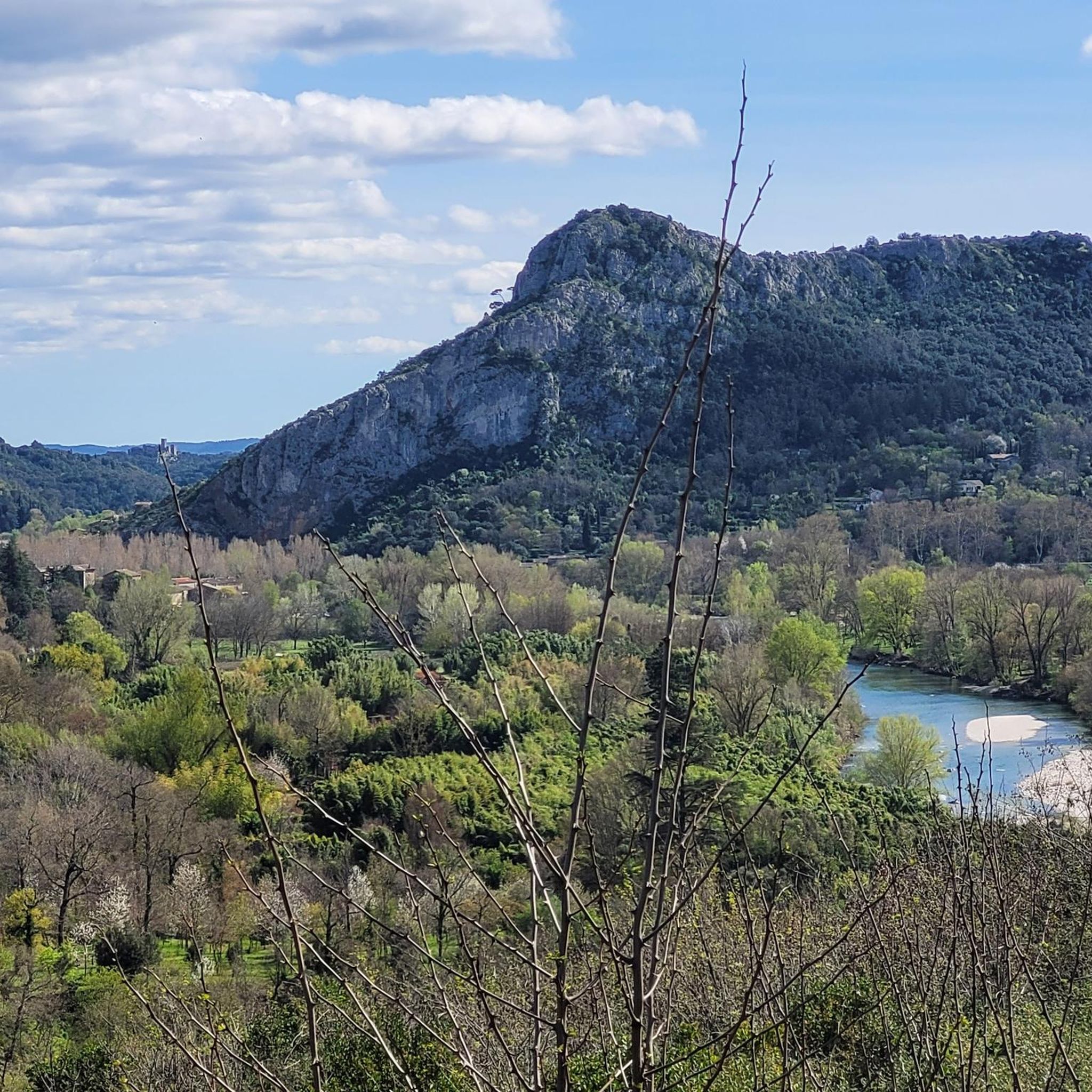
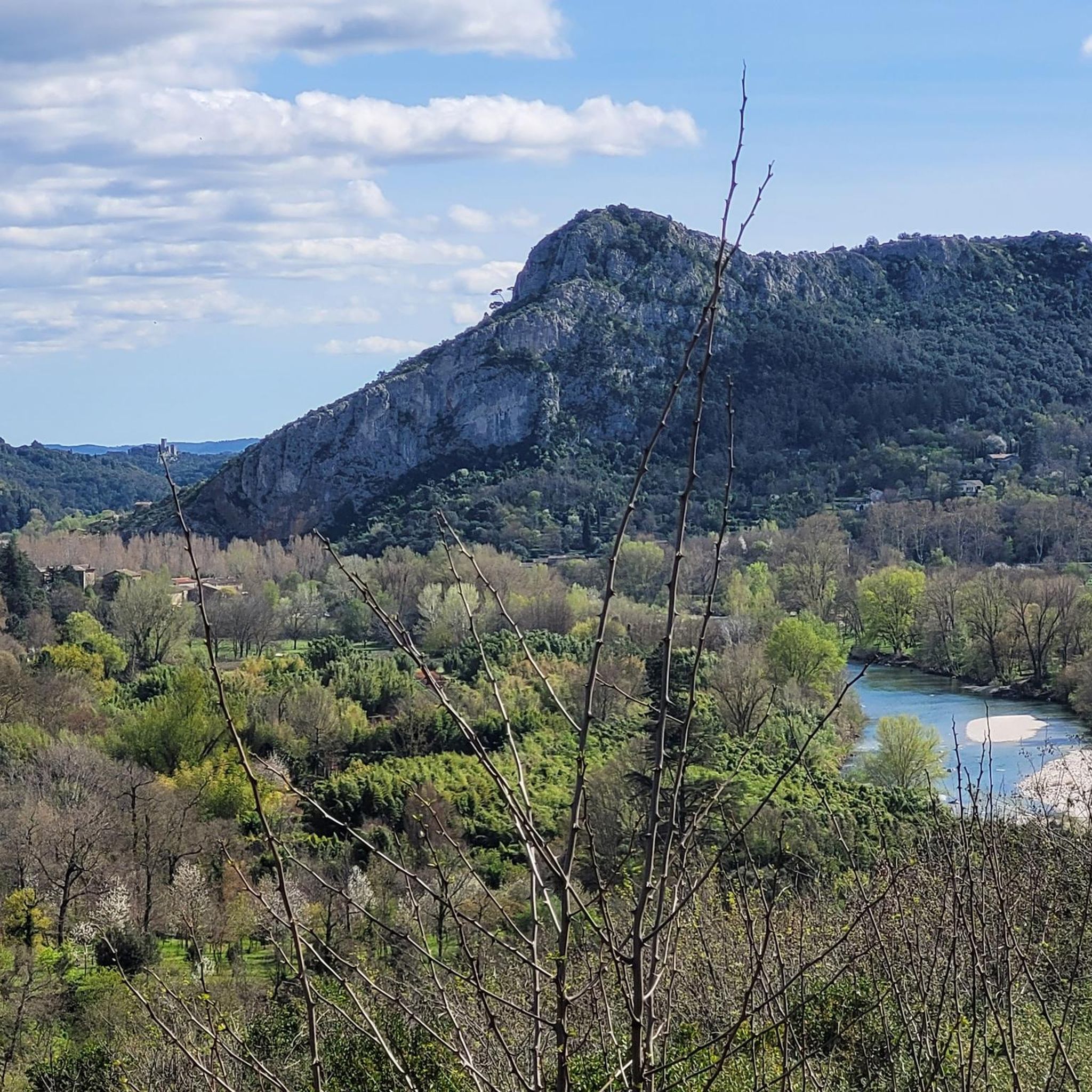
The Col d'Uglas peaks at 539 meters above sea level. Along the way, it offers beautiful panoramic views of the Cévennes. Feel free to take a break to appreciate the landscapes.
0
0
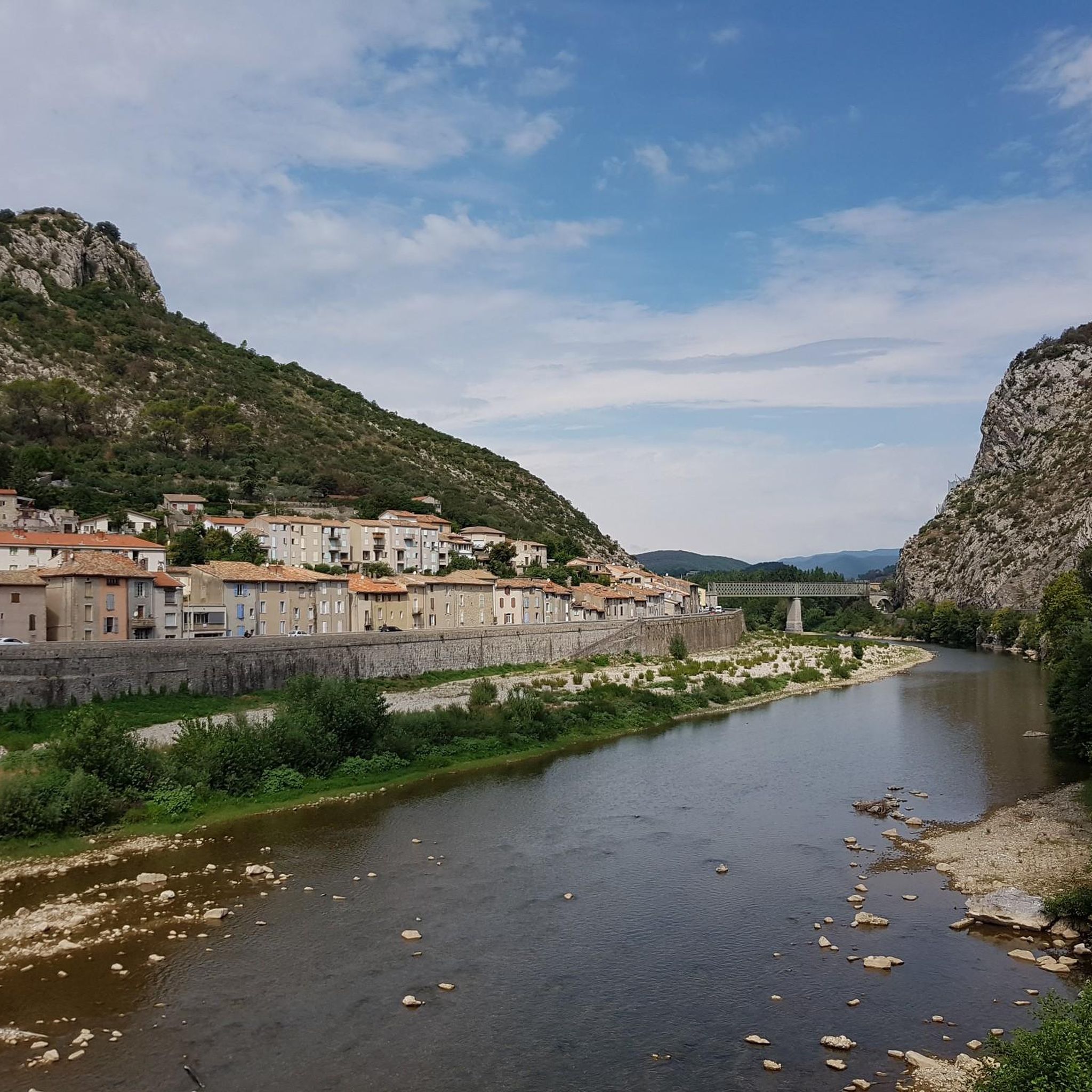
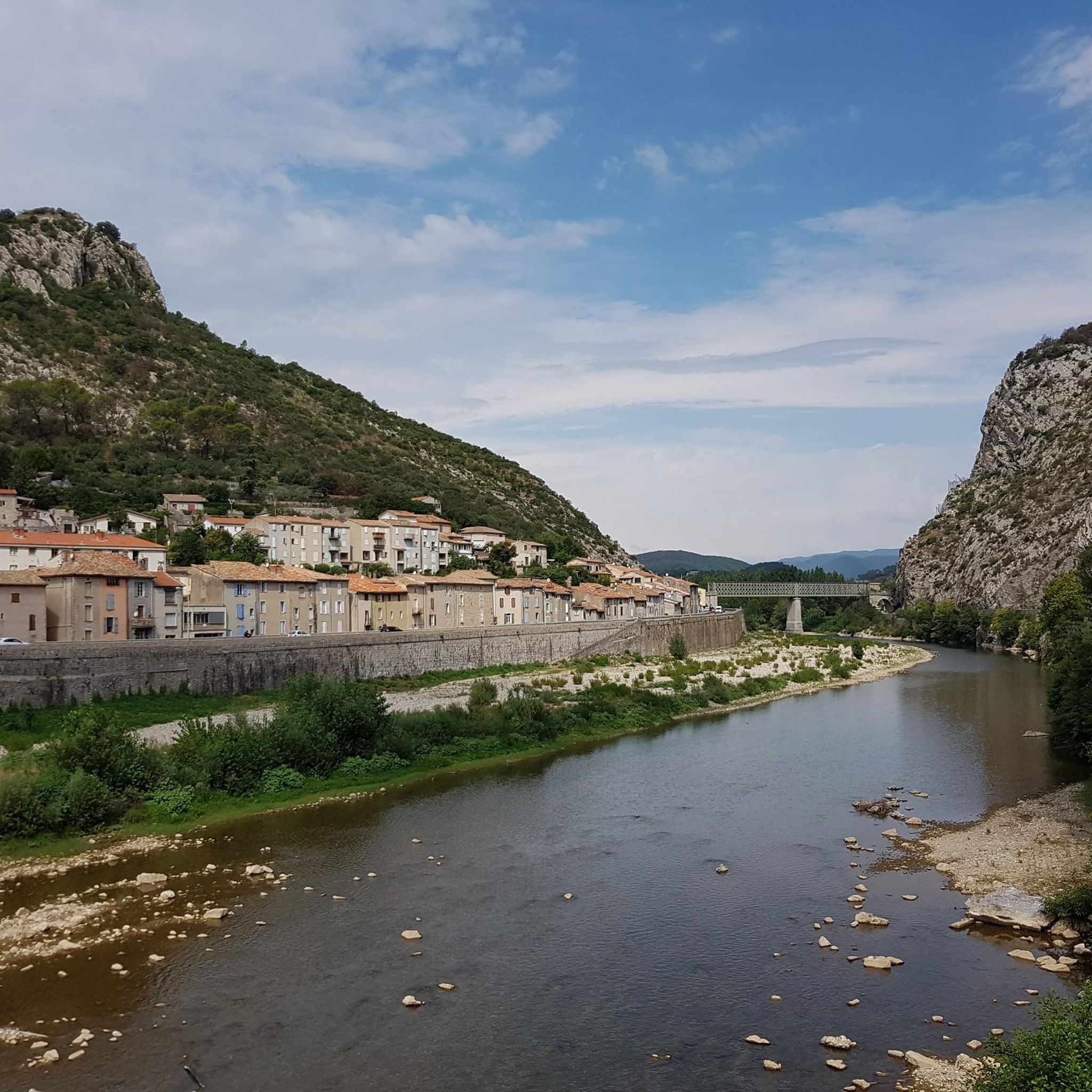
Water is precious in the south of France. The very name of the Gard department comes from the name of a river: the Gardon. The Gardon is a generic name meaning river. This is why there are many local rivers with this name. Here it is the Gardon d’Anduze. This name also designates a freshwater fish with silver scales and bright red fins.
2
1
Frequently Asked Questions
What natural attractions can I explore around Générargues?
Générargues is an excellent base for exploring the natural beauty of the Cévennes. You can visit the Gardon of Anduze, a significant river in the region. The area is also part of the wider Cévennes National Park, known for its rich biodiversity and lush landscapes. Don't miss La Bambouseraie de Prafrance, a unique exotic garden with a giant bamboo forest and diverse plant collections.
Are there historical sites to visit in Générargues and its surroundings?
Yes, the region is rich in history. Générargues itself has a past tied to the silk industry, with several former silk factories and 16th-century mills listed in the cultural heritage inventory. You can also see the 17th-18th century Catholic church and a 19th-century Protestant temple with an octagonal bell tower. Nearby, the village of Saint-Jean-du-Gard offers insights into the religious wars, evidenced by its Clock Tower, and Anduze was a historic center for sericulture.
What activities are available for families with children?
Families will find several engaging options. The Parfum d'Aventure Park near Générargues offers acrobatic courses, a plant maze, and a pirate ship. La Bambouseraie de Prafrance is also a fantastic family destination with its vast bamboo forest and Japanese-inspired labyrinth. The towns of Anduze and Saint-Jean-du-Gard are also considered family-friendly.
Where can I go for outdoor activities like hiking or biking?
The Cévennes region around Générargues is ideal for outdoor enthusiasts. You can explore the Col d'Uglas, which offers a scenic route with varying gradients and beautiful views of the Cévennes. For more structured routes, consider the many options for gravel biking, mountain biking, or running trails available in the area.
Is there a unique botanical garden in the area?
Absolutely! La Bambouseraie de Prafrance in Générargues is a truly unique and renowned botanical garden in Europe. Established in 1856, it spans over thirty-four hectares and features a giant bamboo forest, a Japanese-inspired labyrinth, a Laotian village, and 19th-century greenhouses. It's recognized as both a Historical Monument and a "Remarkable Garden."
Can I experience a scenic train ride nearby?
Yes, the Train des Cévennes offers a delightful journey. This 'Little Steam Train' connects Saint-Jean-du-Gard to Anduze, providing beautiful views of the Cévennes landscapes that are otherwise inaccessible. It's a journey back in time, riding a steam train like in the old days.
What are some notable villages or towns to visit close to Générargues?
Générargues is conveniently located near several charming towns. Anduze, known as the 'gateway to the Cévennes,' is famous for its historic center, medieval houses, and high-quality pottery. Saint-Jean-du-Gard is another authentic Cévennes village with a rich history, particularly concerning the wars of religion.
Are there any viewpoints offering panoramic scenery?
For scenic views, head to the Col d'Uglas. This mountain pass, while not exceeding 540 meters in altitude, offers very beautiful views of the surrounding Cévennes landscapes. It's a great spot to take a break and appreciate the scenery.
What is the best time of year to visit Générargues for outdoor exploration?
The Cévennes region, including Générargues, is characterized by lush greenery and scenic landscapes, making spring and summer ideal for outdoor activities. During these seasons, the weather is generally pleasant for hiking, biking, and exploring natural attractions like La Bambouseraie de Prafrance and the Cévennes National Park.
Are there any accessible attractions for visitors with mobility needs?
The Cévennes Train - Saint-Jean-du-Gard is noted as being wheelchair accessible, offering a way for visitors with mobility needs to enjoy the scenic journey between Saint-Jean-du-Gard and Anduze.
What do visitors enjoy most about the Générargues area?
Visitors particularly enjoy the blend of natural beauty and rich history. The charming alleys of Anduze, the unique botanical experience at La Bambouseraie de Prafrance, and the authentic feel of villages like Saint-Jean-du-Gard are frequently highlighted. The opportunity to explore the Cévennes' diverse landscapes, whether by foot, bike, or the scenic steam train, is also a major draw.
What is the historical significance of Générargues itself?
Générargues has a long and significant history, mentioned as early as the 13th century. Its past is deeply intertwined with the silk industry, with numerous old silk factories and farms in the area. The village also has a strong Protestant heritage, which has shaped its local culture and identity since the 16th century, evident in its historical churches and temple.
Most popular routes around Générargues
Most popular attractions around Générargues

Get inspired with the komoot mobile app


Explore more
Still not found the Highlight you’re looking for? See guides of the top attractions in other regions:
