Attractions and Places To See around Saint-Marcel-Bel-Accueil - Top 20
Attractions and places to see around Saint-Marcel-Bel-Accueil include a variety of historical, cultural, and natural sites. This village, located southwest of the Balcons du Dauphiné in northern Isère, features landmarks such as its church with classified stained glass windows and ancient fortified houses. The area also offers natural features, including hiking trails that provide views of the Alps. Visitors can explore a mix of historical architecture and scenic landscapes.
Best attractions and places to see around Saint-Marcel-Bel-Accueil
- The most popular…
Last updated: August 25, 2026
Château de Fallavier
Highlight • Castle
Translated by Google •
Tip by

Étang de la Rosière
Highlight • Lake
Translated by Google •
Tip by

Sign up now to discover places like this
Get recommendations on the best single tracks, peaks, & plenty of other exciting outdoor places.
Sign up for free
Château de Bienassis
Highlight • Castle
Translated by Google •
Tip by

Chemin de fer de l'est de Lyon
Highlight • Other
Translated by Google •
Tip by

Crémieu, medieval town
Highlight • Historical Site
Translated by Google •
Tip by

Sign up for free to discover even more attractions around Saint-Marcel-Bel-Accueil.
Sign up for free
Already have an account?
Start today with a free account
Your next adventure awaits.
Login or Signup
Popular around Saint-Marcel-Bel-Accueil

Tips from the Community

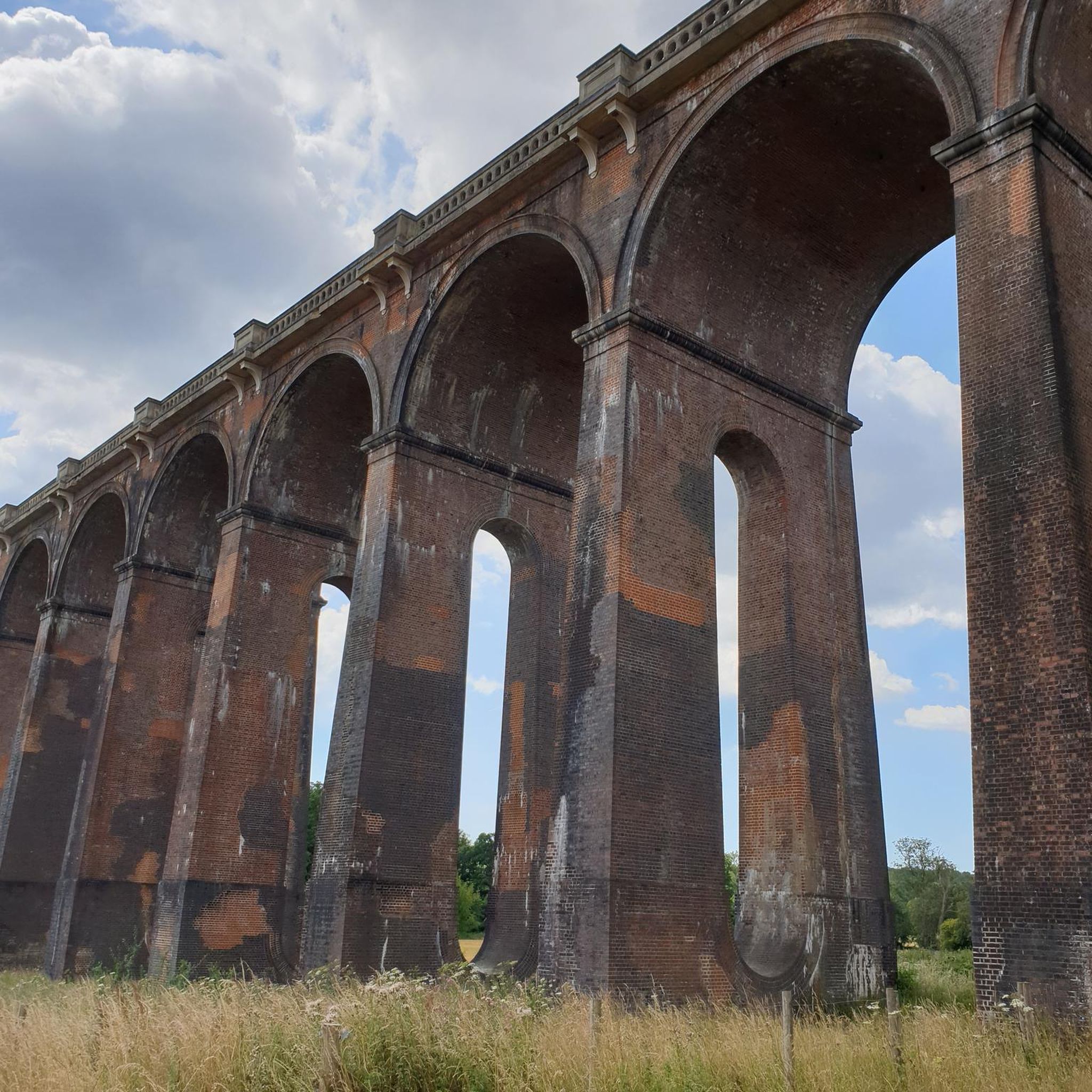
In January 1847, an investigation was opened into projects towards Geneva, Besançon, Dôle-Châlons. In 1850, the Lyon Chamber of Commerce and Industry adopted the project for a rail link from Lyon to Chambéry via Saint Genis sur Guiers. Applications to operate this line were rejected until 1877. The work lasted 4 years, financed in part by Belgian capital. The inauguration took place on October 9, 1881, and the first train ran on October 30. The line started from the Gare de l'Est (Avenue Félix Faure) and ended at Sablonnières. It had 16 stations and 3 stops over a distance of 72 Kms. Passenger traffic increased from 4 daily round trips in 1897 to 8 in 1935. A passenger took 40 minutes on the 6:35 AM train to travel from Lyon to Pont de Chéruy and 34 minutes to return to Lyon on the 7:23 PM train. Despite everything, the line was closed to passengers in December 1938, then reopened from September 1939 to December 31, 1947. VFD (Voie Ferrée du Dauphiné) coaches took over between Crémieu and Lyon; Freight traffic supplied the main industries (Grammont in Pont de Chéruy and Vicat in Bouvesse) as well as the various industrial zones. The network served 70 private sidings. At its peak in 1935, 1,000,000 tons transited through this line. The decision by the cement factories to no longer use the rail in 1978 was to deal it a "fatal" blow. In 1980, during its last year, 540,244 tons (including 150,130 of scrap metal) were still transported. In 2001, CoUrLy (Urban Community of Lyon) and the General Council of the Rhône adopted a decision to reactivate passenger traffic on part of the route of the Est line. The objective is to connect Lyon to Saint Exupéry airport.
0
0

Cool ruins! We really like them. 🤩
1
0

Beautiful little town, quite touristy, but worth the detour
0
0

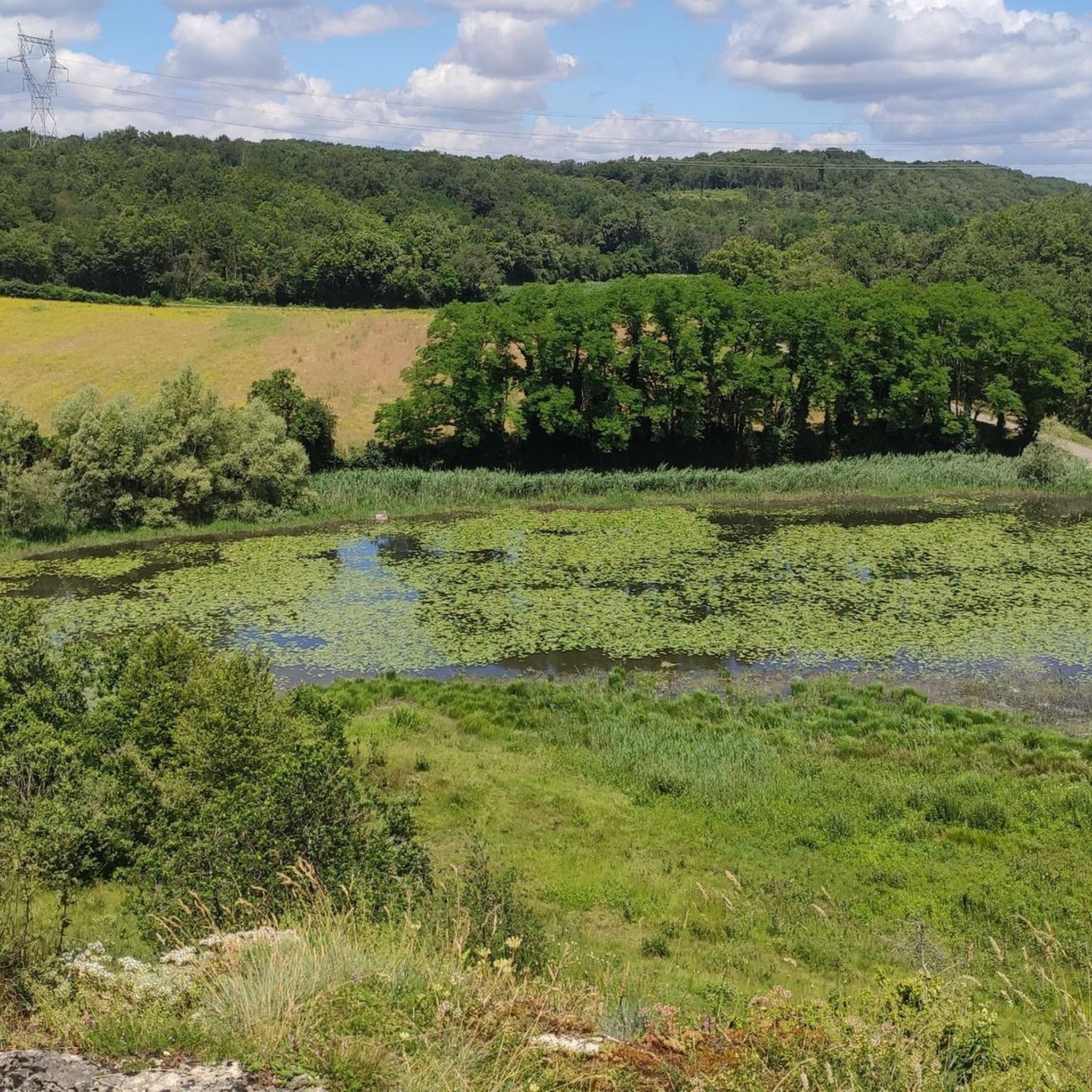
Lovely view of the pond. A little cool spot when it's hot.
0
0

Fallavier Castle is an old fortified castle, part of the heritage.
0
0

The Bienassis fortified house, built by the Vallin family at the end of the 14th century, was organized around an enclosed courtyard and included a pavilion surrounded by watchtower turrets. The current building was completed in 1897 for Casimir Gournet, who wanted to give the old feudal residence the appearance of a medieval castle. Alphonse de Lamartine made several stays in Bienassis with his friend Nicolas Prosper Guichard, between 1804 and 1808. The castle, built of limestone rubble, consists of an L-shaped building covered with a long-pitched roof covered with mechanical tiles extended to the south by a high quadrangular tower with a porch in the work. The north wing has four levels of elevation: three cellars on the basement floor, a square floor and an attic floor. The tower rises on three levels: a ground floor with ribbed vaults and two square floors, the buildings are crowned with false machicolation. The corner turrets are covered with conical slate roofs. The stained glass windows of the ground floor living room are decorated with two bust-length women and two bust-length men in rondels. The coat of arms of the Joubert de Montlevon family can be found on one of the windows of the first living room on the ground floor. In the library, two shields with scrolling scroll motifs, a shield decorated with three female heads, a shield decorated with a passing griffin, and a shield decorated with two hammers with the initials C G for Casimir Gournet adorn the windows. Source: Châteaux de France
0
0
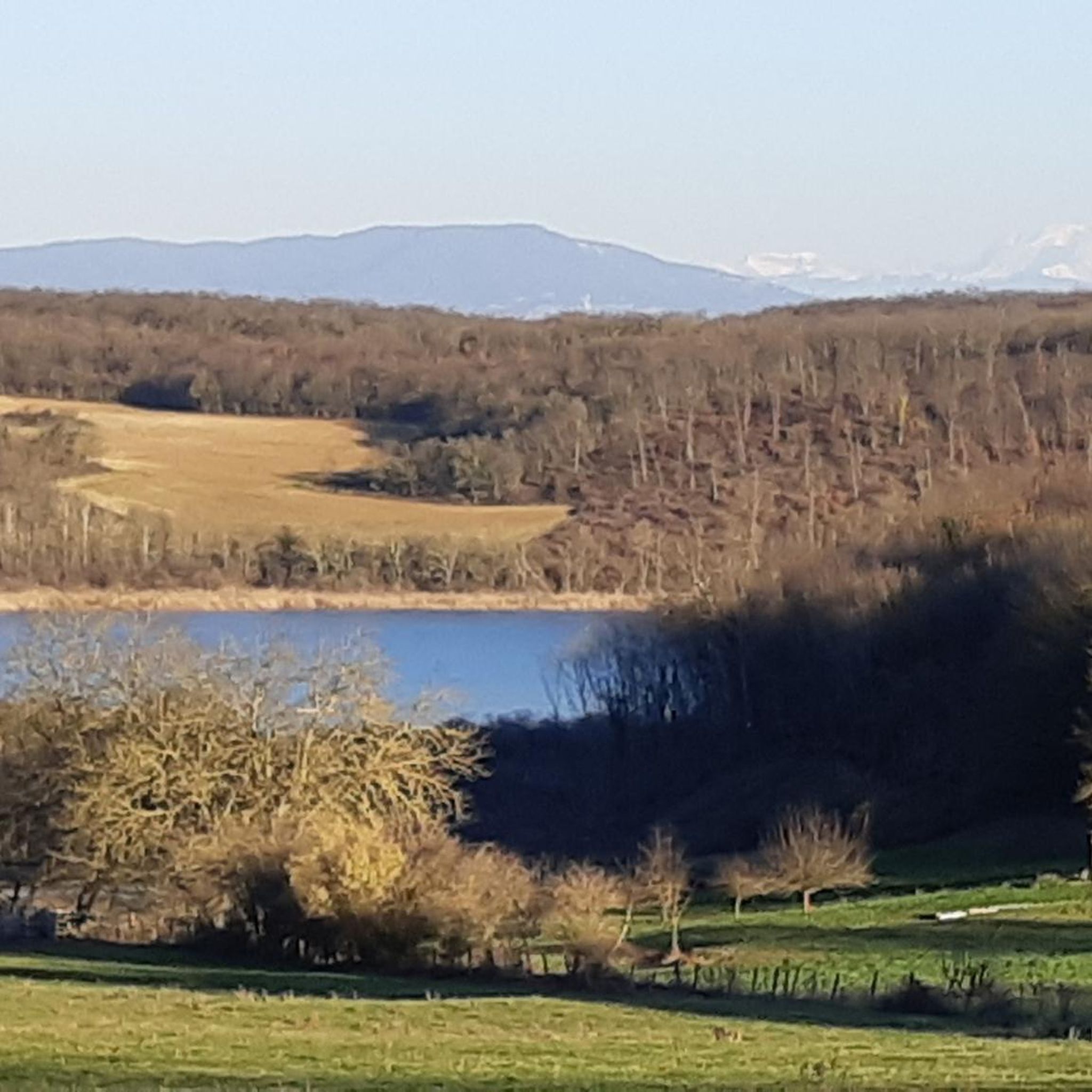
Rosière Pond NATURAL HERITAGE Rosière Pond BACK TO THE LIST Rosière Pond© Martial-Couderette The Rosière pond is located to the north-east of the town of Bourgoin-Jallieu on the edge of the town of Ruy-Montceau and offers an ideal relaxing setting. The association “Les Amis de Rosière et de la Nature” manages the pond made available by the city. The Rosière pond, fed by the Loudon stream, was built in the 18th century to power a hemp mill (the current restaurant). This pond was the property of the GENIN family for a long time before being bought by the town of Bourgoin-Jallieu in 1978. Since then, the town of Bourgoin-Jallieu has done everything possible to make this site a protected natural place, walks and hikes and a fishing spot. Many hiking trails start from the pond. Source: Isère Tourism
1
0

The Chemin de fer de l'Est de Lyon (CFEL) is a former French secondary railway network with standard gauge located partly in the Rhône department and partly in the Isère department and which connected the Gare de Lyon-Est to Aoste-Saint-Genix via Crémieu, Saint-Hilaire de Brens (Turnoff for the Jallieu antenna) and Soleymieu-Sablonnière (Turnoff for the Montalieu antenna). After a gradual end of operation until December 2003, the area of the line between Lyon-Part-Dieu station and Meyzieu Z.I. was transformed to allow line T3 of the Lyon tramway to run there, and the Rhônexpress shuttle to Saint-Exupéry airport. Note for the latter, that from the Meyzieu ZI, the track leaves the former CFEL right-of-way to head south towards the airport.
0
0
Frequently Asked Questions
What historical sites can I explore in Saint-Marcel-Bel-Accueil?
Saint-Marcel-Bel-Accueil is rich in history. You can visit the Saint-Marcel Church, known for its twenty stained glass windows, fifteen of which were created by master glassmaker Antoine Bernard. Another significant site is the Château de Fallavier, a strategic fortress with two walls and a keep. Don't miss the medieval town of Crémieu, which boasts a rich architectural heritage including a 16th-century hall and cloister. The village also features the Chapelle Saint-Pierre de Messenas and the Maison du patrimoine (Heritage House).
Are there any natural attractions or viewpoints in the area?
Yes, the region offers beautiful natural spots and scenic views. The Étang de la Rosière, a natural monument northeast of Bourgoin-Jallieu, provides a relaxing setting and is a starting point for many hiking trails. From various points, including hiking trails, you can enjoy magnificent views of the surrounding landscape and the Alps.
What kind of hiking trails are available around Saint-Marcel-Bel-Accueil?
You'll find a variety of hiking trails. For an immersive journey through nature and history, consider the 'Randonnée sur les traces de l'Histoire du village de Saint-Marcel-Bel-Accueil,' a moderate 10 km loop offering views of local heritage and the Alps. For more options, including easy and moderate routes, explore the hiking guide for Saint-Marcel-Bel-Accueil, which features trails like the 5.2 km 'Seuillière Washhouse loop'.
Are there family-friendly activities or attractions nearby?
Absolutely. The Étang de la Rosière is a family-friendly natural monument perfect for relaxing and starting easy walks. The medieval town of Crémieu also offers an engaging experience for families with its historical architecture and pleasant atmosphere.
Can I go cycling around Saint-Marcel-Bel-Accueil?
Yes, the area is suitable for road cycling. You can find several routes, including the challenging 'Château Delphinal of Crémieu – Crémieu, medieval town loop' which covers 58 km, or the 'Balconies of Dauphiné Loop' at 84 km. Discover more options in the Road Cycling Routes around Saint-Marcel-Bel-Accueil guide.
What are the most notable architectural landmarks in the village?
Beyond the Saint-Marcel Church, the village is home to two historically significant fortified houses: Bel Accueil and Loras. These structures, first mentioned in 14th-century records, showcase the region's medieval past. While they remain private sites, their presence adds to the village's unique architectural character.
Where can I find information about the local heritage?
The Maison du patrimoine de Saint-Marcel-Bel-Accueil (Heritage House) offers free entry and provides insights into the local heritage and history of the village.
Are there any religious sites of interest?
Yes, besides the Saint-Marcel Church, you can visit the Chapelle Saint-Pierre de Messenas, a historical monument on a promontory that has been restored and continues to host ceremonies. Also, the Our Lady of La Salette Chapel, built in 1866, offers a lovely view of the Isère plain.
What do visitors particularly enjoy about the attractions near Saint-Marcel-Bel-Accueil?
Visitors appreciate the blend of historical depth and natural beauty. For instance, the Château de Fallavier is noted for its historical significance and impressive structure. The medieval town of Crémieu is loved for its charming atmosphere and well-preserved architecture, while the Étang de la Rosière is praised for its relaxing environment and scenic views.
Can I find running trails around Saint-Marcel-Bel-Accueil?
Yes, there are several running trails available. Options range from moderate to difficult, such as the 'Moras Pond loop' at 13.5 km or the more challenging 'Climb – Forest Path loop' at 25 km. You can find detailed information and more routes in the Running Trails around Saint-Marcel-Bel-Accueil guide.
Is there a specific time of year that is best to visit Saint-Marcel-Bel-Accueil?
While Saint-Marcel-Bel-Accueil can be enjoyed year-round, the spring and autumn months often offer pleasant weather for exploring the hiking trails and historical sites. The natural landscapes, including views of the Alps, are particularly stunning during these seasons.
Most popular routes around Saint-Marcel-Bel-Accueil

Get inspired with the komoot mobile app


Explore more
Still not found the Highlight you’re looking for? See guides of the top attractions in other regions:
