The best road cycling routes around Notre-Dame-De-Sanilhac
4.3
(127)
5,030
riders
478
rides
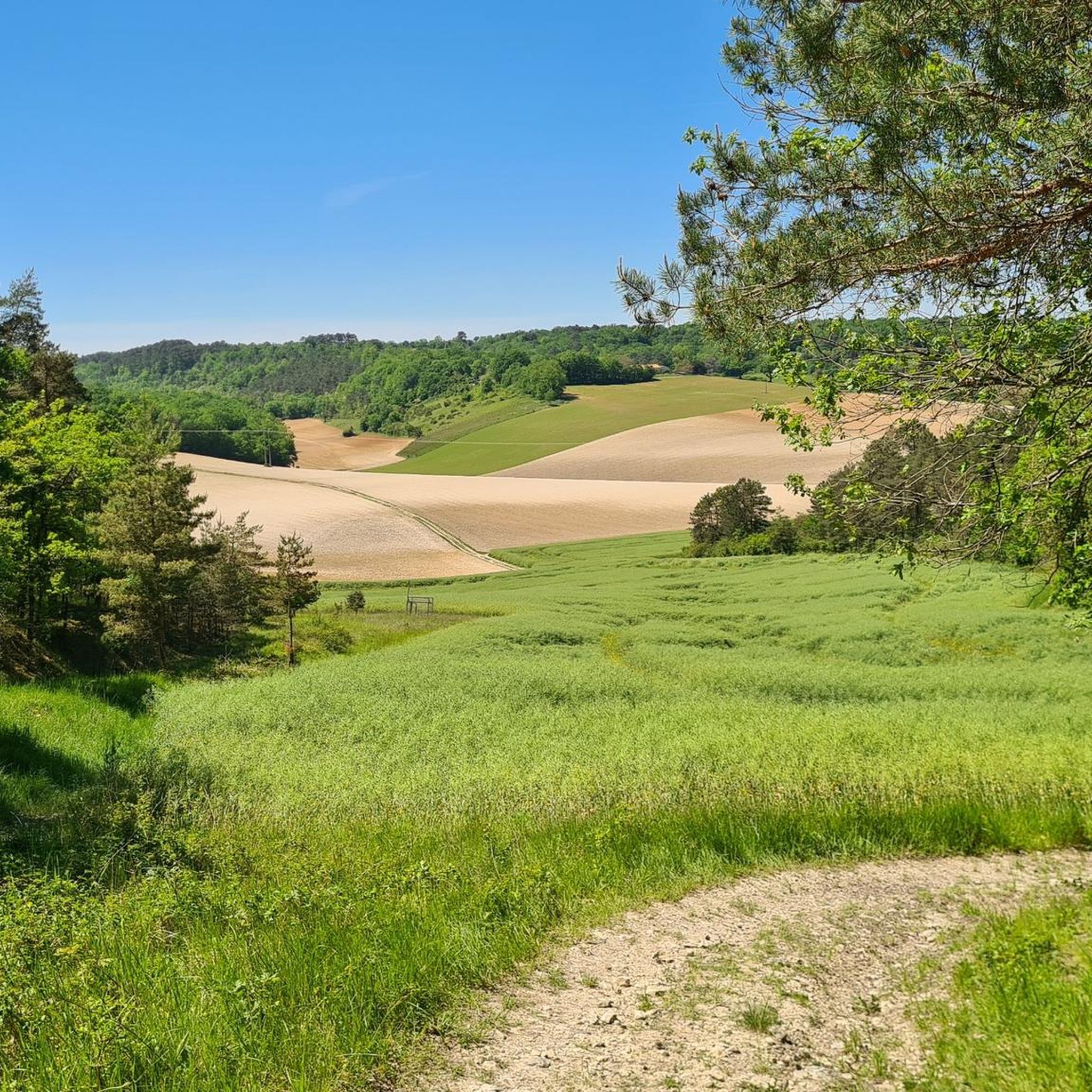
Road cycling routes around Notre-Dame-De-Sanilhac traverse the diverse landscapes of the Dordogne department in Nouvelle-Aquitaine, France. The terrain features gentle valleys, lush forests, and expansive plateaus, with elevations ranging from 85 to 240 meters. Cyclists can expect routes that follow the scenic Dordogne and Isle Rivers, offering varied views and a mix of inclines. The region provides a network of quiet roads and dedicated greenways, suitable for different cycling preferences.
Best road cycling routes around Notre-Dame-De-Sanilhac
- The most popular road…
Last updated: August 23, 2026
5.0
(4)
55
riders
60.3km
02:56
600m
600m
Moderate road ride. Good fitness required. Mostly well-paved surfaces and easy to ride.
3.0
(1)
5
riders
79.4km
03:30
660m
660m
Moderate road ride. Good fitness required. Mostly well-paved surfaces and easy to ride.

Sign up for free
4.3
(3)
40
riders
45.8km
02:04
500m
500m
Moderate road ride. Good fitness required. Mostly well-paved surfaces and easy to ride.
22
riders
38.1km
01:46
460m
450m
Moderate road ride. Good fitness required. Mostly well-paved surfaces and easy to ride.
5.0
(1)
7
riders
29.0km
01:23
250m
250m
Easy road ride. Great for any fitness level. Mostly well-paved surfaces and easy to ride.
Get access to more routes and recommendations from other explorers.
Sign up for free
Already have an account?
Our route recommendations are based on thousands of hikes, rides, and runs completed by other people on komoot.
Start today with a free account
Your next adventure awaits.
Login or Signup



Tips from the Community

The Saint-Front Cathedral of Périgueux is a Roman Catholic cathedral, allegedly built in the Byzantine style. It is located in the city center of Périgueux and has been a listed monument since 1840. Since 1998, it has been a UNESCO World Heritage site as part of the Routes to Santiago de Compostela in France. The cloister is a bit hidden, but the €1.50 is worth it for the visit, with great photo opportunities.
3
0

Well worth a visit and there is an excellent coffee/tea/snack shop just opposite the covered market.
0
0


A must-see by bike, on foot, at high speed... or not!
0
0

very pretty monument
0
0

A beautiful cathedral and definitely worth a visit. It is the eye-catcher in Perigeux
4
0

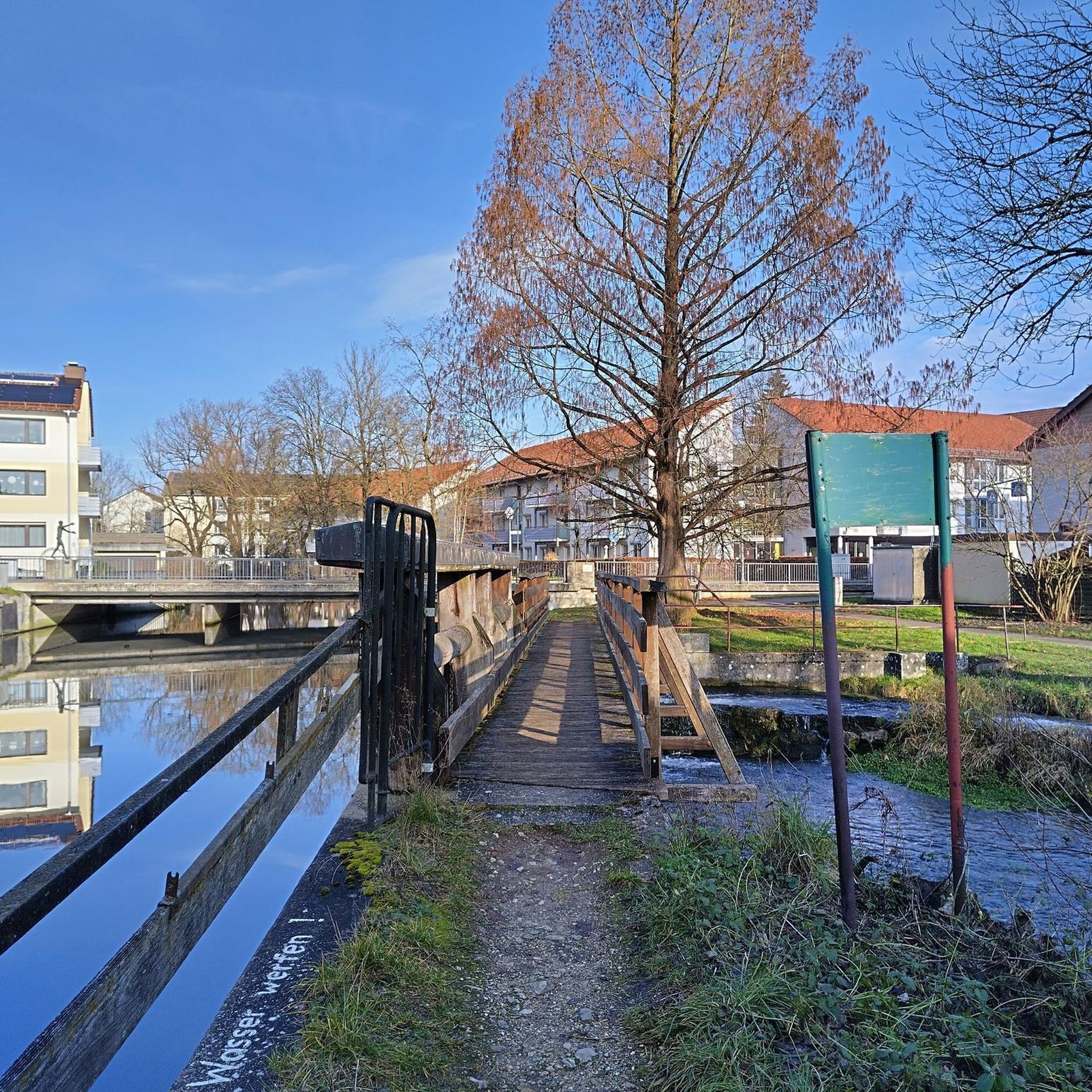
The Pont des Barris, located in Périgueux, is one of the city's emblematic bridges. This stone bridge, which crosses the Isle River, connects the two banks of Périgueux and is part of the historic urban landscape. Points of interest of the Pont des Barris: Architecture and History: The Pont des Barris is a beautiful example of traditional stone architecture. It was built in the 19th century to replace old wooden bridges that once allowed people to cross the Isle. Its solid structure makes it an essential crossing point between the different districts of the city. It is made up of several stone arches, which give it both robustness and elegance. View of Périgueux: From the bridge, you can enjoy a magnificent view of the old town of Périgueux, including the Saint-Front Cathedral, whose domes dominate the skyline. The bridge is also a great vantage point to admire the Isle River, which meanders peacefully through the city. Access to the Isle Riverbanks: The Pont des Barris provides easy access to the Isle Riverbanks, which are ideal for walking or cycling. Along the river, many paths offer picturesque views of the city and surrounding nature. Place of Passage: This bridge is a central axis for residents and visitors of Périgueux, connecting the city center to the outlying districts and facilitating access to important sites such as markets, shops, and residential areas. Why go there? The Pont des Barris is both a strategic point for exploring Périgueux and a place offering superb panoramic views of the city. Its charm lies in its historic architecture and its central location, making it an essential passage for any visit to the city. Whether strolling along the river or crossing the town, it embodies one of the peaceful and picturesque symbols of Périgueux.
1
0
Why visit the Église Saint-Étienne de la Cité? Historical and spiritual heritage: The church is an important place of memory for Périgueux, having been the seat of the bishopric for centuries. It reflects the religious and architectural history of the region. A peaceful setting: Located in a quiet area full of history, the church offers an atmosphere conducive to reflection and contemplation. Proximity to ancient sites: A visit to the church can be combined with the discovery of the nearby Roman remains, including the amphitheater and the Vesunna Museum. The Église Saint-Étienne de la Cité is a hidden gem of Périgueux, to be discovered for its historical character and its serene atmosphere, while exploring the Gallo-Roman roots of the city.
1
0
Frequently Asked Questions
What kind of terrain can I expect on road cycling routes around Notre-Dame-De-Sanilhac?
The region offers a diverse landscape for road cycling, characterized by gentle valleys, lush forests, and expansive plateaus. You'll find routes that follow the scenic Dordogne and Isle Rivers, providing varied views. While many routes feature gentle inclines, some areas present more challenging climbs with rewarding panoramic views. Elevations typically range from 85 to 240 meters.
How many road cycling routes are available in the Notre-Dame-De-Sanilhac area?
There are over 500 road cycling routes available around Notre-Dame-De-Sanilhac, catering to various skill levels. This includes more than 50 easy routes, around 400 moderate routes, and over 80 routes considered difficult.
Are there any family-friendly road cycling options in Notre-Dame-De-Sanilhac?
Yes, the region offers dedicated greenways, often converted from old railway lines, which provide car-free paths ideal for families and those seeking a gentler ride. Additionally, there are over 50 easy road cycling routes that are suitable for less experienced riders or family outings.
What are the best times of year to go road cycling in Notre-Dame-De-Sanilhac?
The period from April to October is generally considered ideal for road cycling in Notre-Dame-De-Sanilhac. During the summer months, it's advisable to start your rides early to avoid the midday heat.
What natural features can I see while cycling around Notre-Dame-De-Sanilhac?
Road cycling routes often follow the beautiful Dordogne and Isle Rivers, offering picturesque views. You'll also pass through lush forests, expansive plateaus, and fields dotted with walnut groves. The tranquil and unspoiled countryside provides a strong connection with nature, and some routes lead to panoramic viewpoints overlooking the Dordogne Valley.
Are there any notable landmarks or attractions along the road cycling routes?
Many routes pass through or near charming medieval villages and châteaux. Just a short distance away, you can explore the city of Périgueux, home to the imposing Saint-Front Cathedral and the historic Pont des Barris, which offers superb views of the old town. The Périgueux City Center itself is a highlight, known for its lively markets.
What do other road cyclists say about the routes in Notre-Dame-De-Sanilhac?
The road cycling routes in Notre-Dame-De-Sanilhac are highly rated by the komoot community, with an average score of 4.3 stars from over 100 reviews. Cyclists often praise the quiet country roads, scenic river valleys, and forested sections that define the area's network.
Are there any circular road cycling routes available?
Yes, many routes in the region are designed as loops. For example, the Pont des Barris – Cubjac Bridge loop from Périgueux-Saint-Georges is a popular 55.2-mile (88.9 km) route that takes you through river valleys and past historic bridges.
Can I find routes that offer a good challenge for advanced road cyclists?
Absolutely. While there are many moderate options, the region also features routes with notable elevation gains that provide a good challenge. The varied terrain includes climbs that lead to breathtaking panoramic views, perfect for advanced riders seeking more demanding rides.
What is a good moderate-difficulty route to explore the area south of Périgueux?
A great option is the South of Périgueux route. This moderate 49.3-mile (79.4 km) path explores the countryside and villages south of Périgueux, offering a balanced mix of scenery and effort.
Is there a route that follows the Isle River and passes through Cubjac?
Yes, the Boucle de la Voie Verte des Berges de l'Isle et Cubjac is a popular 37.4-mile (60.3 km) moderate route that features river views and takes you through the countryside, including the area around Cubjac.
Most popular routes around Notre-Dame-De-Sanilhac
Most popular attractions around Notre-Dame-De-Sanilhac

Get inspired with the komoot mobile app


Explore more
Browse the best Road cycling routes in other regions.
