Attractions and Places To See around Trélissac - Top 20
Attractions and places to see around Trélissac include a rich architectural heritage and natural beauty in the heart of the Dordogne. Bordered by the Isle river and part of the urban area of Périgueux, Trélissac offers a blend of historical sites and outdoor activities. Visitors can explore numerous castles and religious buildings, alongside natural features like the Lanmary Forest. The area provides diverse experiences for those interested in history, culture, and outdoor pursuits.
Best attractions and places to see around…
Last updated: August 16, 2026
Périgueux City Center
Highlight • Settlement
Translated by Google •
Tip by

Saint-Front Cathedral
Highlight • Religious Site
Translated by Google •
Tip by

Sign up now to discover places like this
Get recommendations on the best single tracks, peaks, & plenty of other exciting outdoor places.
Sign up for free
Pont des Barris
Highlight • Bridge
Translated by Google •
Tip by

The Eschif of Périgueux
Highlight • Monument
Translated by Google •
Tip by
Garden of the Arenas
Highlight • Other
Translated by Google •
Tip by
Sign up for free to discover even more attractions around Trélissac.
Sign up for free
Already have an account?
Start today with a free account
Your next adventure awaits.
Login or Signup



Tips from the Community

The Saint-Front Cathedral of Périgueux is a Roman Catholic cathedral, allegedly built in the Byzantine style. It is located in the city center of Périgueux and has been a listed monument since 1840. Since 1998, it has been a UNESCO World Heritage site as part of the Routes to Santiago de Compostela in France. The cloister is a bit hidden, but the €1.50 is worth it for the visit, with great photo opportunities.
3
0

The Eschif of Périgueux is a small medieval building located on the banks of the Isle River, in the heart of the historic city center. It is one of the few defensive constructions still standing in Périgueux, a testament to medieval military architecture. Points of interest of the Eschif: Architecture and History: Dating from the Middle Ages, the Eschif served as a lookout post to monitor the passage of the Isle River. Its strategic location made it possible to control access to the city by river. This small tower, built in stone and wood, is typical of medieval watchtowers or sentry boxes. It has narrow openings and a sloping roof, characteristic of military buildings of this period. The Eschif was once part of the fortifications that protected the city, especially during the Hundred Years' War.
2
0

A beautiful cathedral and definitely worth a visit. It is the eye-catcher in Perigeux
4
0
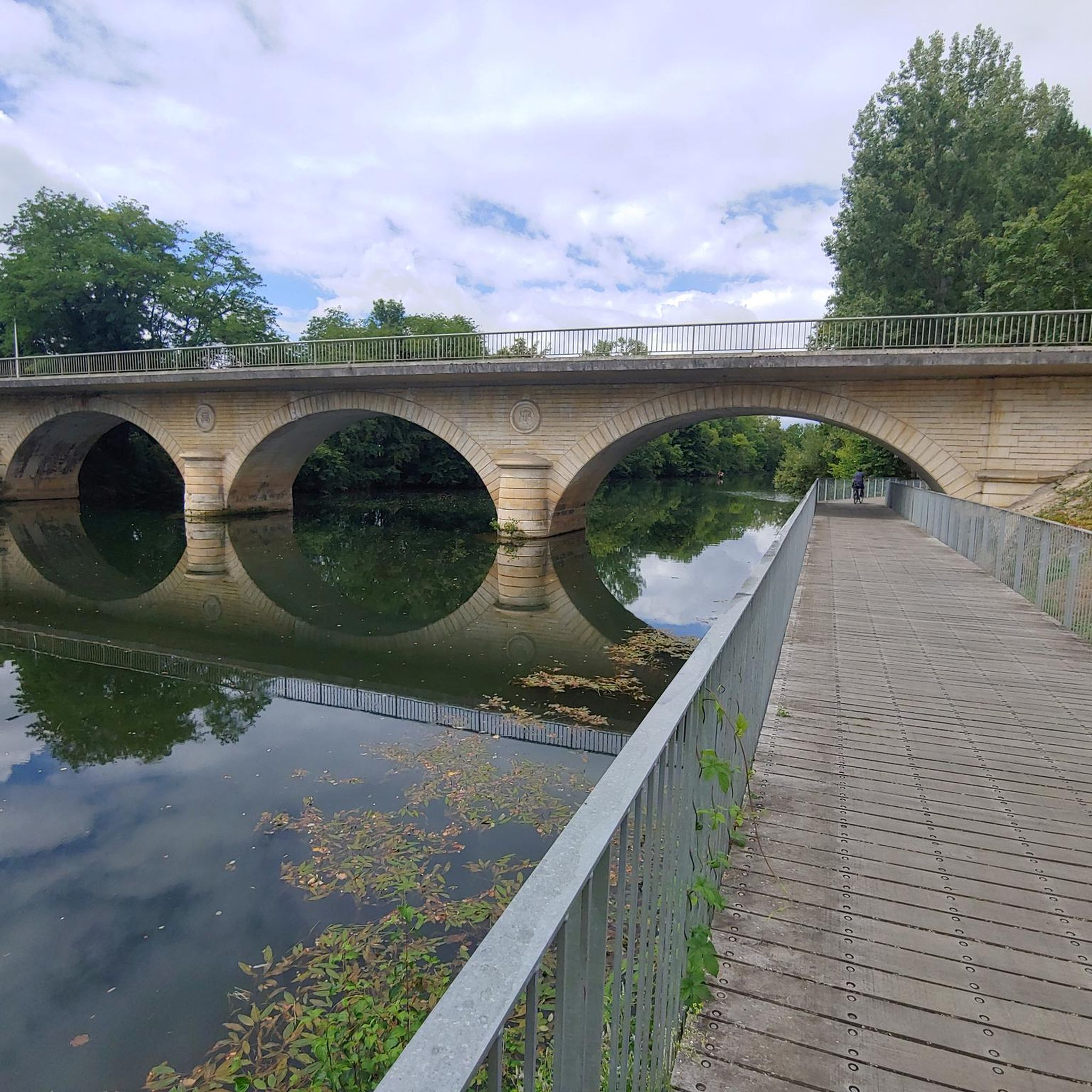
The Pont des Barris, located in Périgueux, is one of the city's emblematic bridges. This stone bridge, which crosses the Isle River, connects the two banks of Périgueux and is part of the historic urban landscape. Points of interest of the Pont des Barris: Architecture and History: The Pont des Barris is a beautiful example of traditional stone architecture. It was built in the 19th century to replace old wooden bridges that once allowed people to cross the Isle. Its solid structure makes it an essential crossing point between the different districts of the city. It is made up of several stone arches, which give it both robustness and elegance. View of Périgueux: From the bridge, you can enjoy a magnificent view of the old town of Périgueux, including the Saint-Front Cathedral, whose domes dominate the skyline. The bridge is also a great vantage point to admire the Isle River, which meanders peacefully through the city. Access to the Isle Riverbanks: The Pont des Barris provides easy access to the Isle Riverbanks, which are ideal for walking or cycling. Along the river, many paths offer picturesque views of the city and surrounding nature. Place of Passage: This bridge is a central axis for residents and visitors of Périgueux, connecting the city center to the outlying districts and facilitating access to important sites such as markets, shops, and residential areas. Why go there? The Pont des Barris is both a strategic point for exploring Périgueux and a place offering superb panoramic views of the city. Its charm lies in its historic architecture and its central location, making it an essential passage for any visit to the city. Whether strolling along the river or crossing the town, it embodies one of the peaceful and picturesque symbols of Périgueux.
1
0
Why visit the Jardin des Arènes? A unique blend of history and nature: This garden combines the historical richness of Roman remains with the serenity of a landscaped green space, offering an ideal setting for a relaxing stroll in the middle of the city. Discovery of the Gallo-Roman past: The remains of the amphitheater recall the importance of Périgueux in Roman times, and the park allows you to walk among the traces of this fascinating history. A place to relax: Whether you want to rest, read or simply enjoy a moment outdoors, the Jardin des Arènes offers a pleasant and green setting. The Jardin des Arènes is a must-see place for history buffs and nature lovers, combining the charm of Antiquity with a relaxing space in the heart of Périgueux.
3
0
The Jardin des Arènes in Périgueux is a public park built around the remains of a Gallo-Roman amphitheater, offering a historic and peaceful setting for walkers. Located in the heart of the city, it bears witness to the importance of the ancient city of Vesunna (the former name of Périgueux) in Roman times. Points of interest in the Jardin des Arènes: Remains of the Gallo-Roman Amphitheatre: The Périgueux amphitheater, built in the 1st century, could accommodate around 20,000 spectators, making it one of the largest in the region. Although partially destroyed over the centuries, its imposing walls and visible foundations still remain. These ruins are harmoniously integrated into the park, offering an immersion in the Roman history of the city, while providing a pleasant place for a walk. A peaceful green space: The park is a haven of peace in the city center. With its wide shaded paths, well-kept lawns and flowered areas, the Jardin des Arènes is an ideal place to relax or have a picnic while being surrounded by history. The benches placed near the remains allow visitors to enjoy both the tranquility of the place and the beauty of the ancient ruins. Activities and events: The garden sometimes hosts cultural events, open-air concerts or exhibitions related to Gallo-Roman heritage, bringing the amphitheater back to life through entertainment. It is also a great place for families, with spaces for children to play safely while discovering local history. Proximity to the Vesunna Museum: A few steps from the Jardin des Arènes is the Vesunna Museum, dedicated to the Gallo-Roman history of Périgueux. The proximity of the two sites allows you to deepen your visit by discovering the daily life of the inhabitants of Vesunna through the objects exhibited in the museum.
3
0
Why visit the Saint-Front Cathedral? Architectural masterpiece: Its rare Byzantine style and domed structure make it a unique monument in France. It offers a striking contrast with other Gothic or Romanesque cathedrals in the region. A place steeped in history: The Saint-Front Cathedral is a witness to several eras, from the Middle Ages to the 19th century restorations, including its central role in the religious life of Périgueux. Spiritual center: As a major stop on the road to Santiago de Compostela, it is an important place of pilgrimage and a symbol of faith for many visitors. Visiting the Saint-Front Cathedral allows you to discover the soul of Périgueux and admire an exceptional monument, both for its grandeur and its historical character.
4
0
The Saint-Front Cathedral in Périgueux is one of the city's most iconic monuments and a masterpiece of religious architecture in France. Built in the 12th century, it is a UNESCO World Heritage Site as an important stop on the Way of St. James. Points of interest at the Saint-Front Cathedral: Unique Byzantine architecture: What immediately strikes you is its architectural style inspired by Byzantine churches, rare in France. The cathedral is topped with five large white domes, reminiscent of the style of St. Mark's Basilica in Venice or Hagia Sophia in Istanbul. Its imposing dimensions and its Greek cross plan, with equal arms, are unique characteristics for a French cathedral. The whole gives off an impression of power and serenity. History and transformations: Originally built in the 6th century as a funerary church around the tomb of Saint Front, evangelist of Périgord, it was rebuilt in its current form in the 12th century. In the 19th century, under the direction of the architect Paul Abadie, the cathedral was completely restored, giving it its current appearance. The restorations reinforced its Byzantine appearance while preserving elements from the medieval period. Interior and decor: Inside, the cathedral impresses with its vast and refined space. The domes elevate the gaze and create a spiritual and soothing atmosphere. The liturgical furniture, including the altar and pulpits, is very sober, contrasting with the grandeur of the architecture. Some side chapels are decorated with stained glass windows and sacred works of art. Heritage and the Way of Saint James: The cathedral is part of the Way of Saint James, which gives it a special importance for pilgrims. It is a spiritual and historical stage of this thousand-year-old route. The cloister adjacent to the cathedral is also a place of calm and contemplation, often open to visitors.
5
0
Frequently Asked Questions
What historical sites can I explore in Trélissac and its surroundings?
Trélissac boasts a rich architectural heritage, including several castles. You can find the 15th-century Château de Caussade, which is a listed historical monument and has hiking trails passing nearby. While private, the 19th-century Château de Magne is notable for its neo-17th century style. You can also appreciate the charm of the Old Castle of Trélissac and the remains of the 15th-century Church of Our Lady of the Assumption. In nearby Périgueux, explore the Périgueux City Center with its Roman remains and medieval quarters, the UNESCO World Heritage Site Saint-Front Cathedral, and The Eschif of Périgueux, a medieval watchtower.
Are there good hiking opportunities near Trélissac?
Yes, Trélissac is excellent for hiking. The Lanmary Forest is a prime location, offering various marked trails ranging from 5 to 20 kilometers, some equipped for outdoor sports. Popular loops include Puyconteau, Fontaines, Lauterie, and Caussade, providing diverse landscapes and views of local points of interest like castles and fountains. For more specific routes, you can explore options like the 'Shady forest loop from Château de Caussade' or the 'Descent from the rat's cross – Caussade Loop' which are available in the Hiking around Trélissac guide.
What cultural attractions are available in the Trélissac area?
Beyond Trélissac's local heritage, its proximity to Périgueux offers a wealth of cultural sites. The Périgueux City Center is a must-visit for its Roman remains, medieval quarters, and Renaissance monuments. Don't miss the Saint-Front Cathedral, a UNESCO World Heritage site with unique Byzantine architecture. You can also visit the Vesunna Gallo-Roman Museum in Périgueux to delve into the ancient history of the city, or enjoy the Garden of the Arenas, a public park built around Roman amphitheater remains.
Are there family-friendly activities or attractions around Trélissac?
Absolutely! Many attractions in and around Trélissac are suitable for families. The Périgueux City Center offers a fascinating walk through history for all ages. The Saint-Front Cathedral is an impressive sight, and the Pont des Barris provides lovely views and access to riverbank walks. The Garden of the Arenas in Périgueux is a peaceful green space ideal for relaxation and sometimes hosts cultural events. Additionally, the numerous hiking trails in Lanmary Forest cater to various difficulty levels, making them enjoyable for active families.
What natural features can I explore in Trélissac?
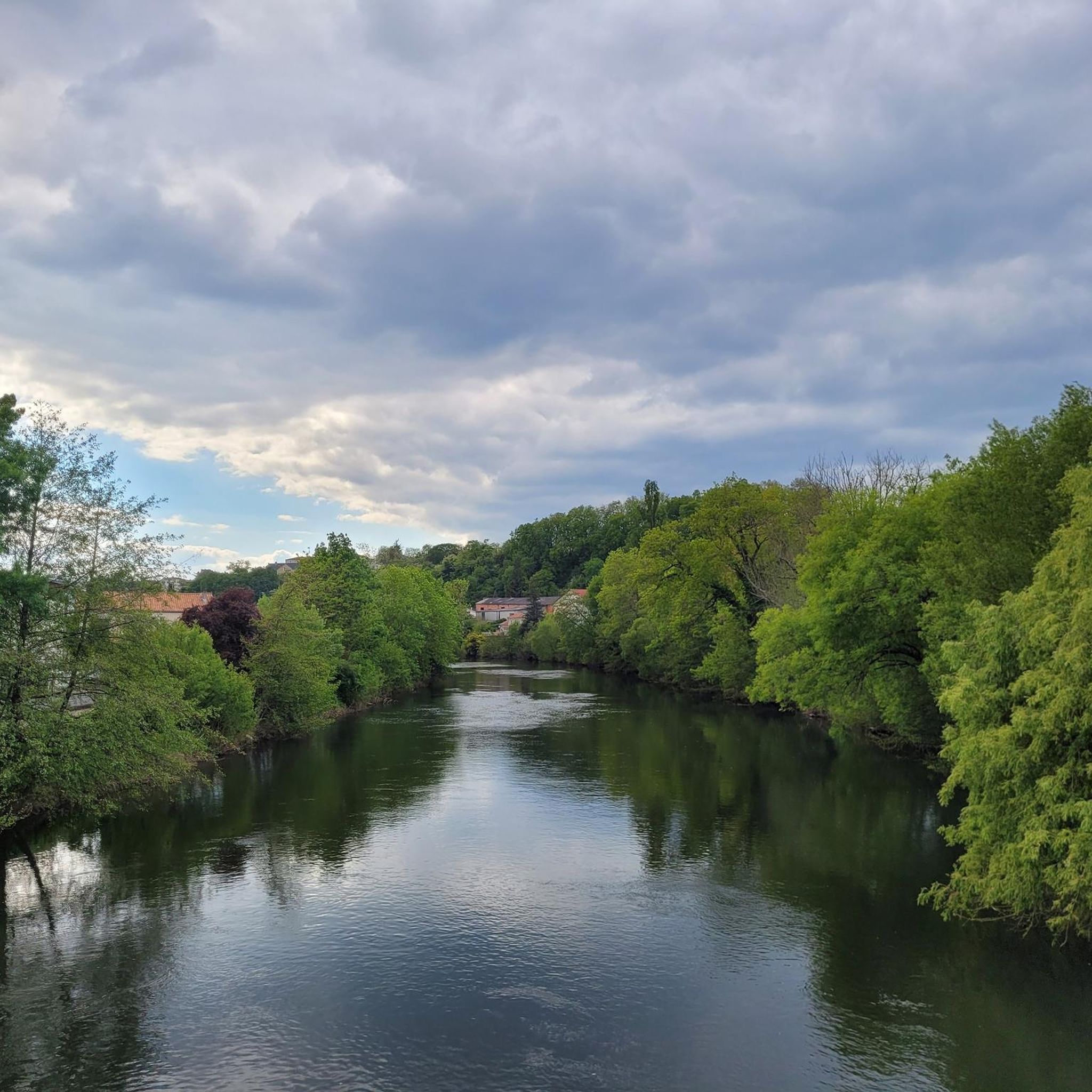
Trélissac is bordered by the Isle river, offering scenic views and opportunities for walks along its banks. The most prominent natural feature is the Lanmary Forest, a state forest classified as an area of ecological interest. It's known for its rich flora and fauna, including a significant number of orchids and ferns. The forest provides a serene environment for nature lovers and is crisscrossed with various hiking and cycling trails.
What cycling routes are available near Trélissac?
The area around Trélissac offers diverse cycling routes. For road cycling, you can find routes like the 'Boucle de la Voie Verte des Berges de l'Isle et Cubjac' or the 'Pont des Barris – Périgueux Historic Center loop'. If you prefer touring or leisure cycling, options like 'On the green way Périgueux' or the 'Périgueux City Center – Périgueux Greenway loop' are available. You can find more details and specific routes in the Road Cycling Routes around Trélissac and Cycling around Trélissac guides.
Is Trélissac a dog-friendly destination?
Yes, Trélissac and its surroundings offer dog-friendly options. For instance, the Périgueux City Center is noted as dog-friendly, allowing you to explore its historical streets with your canine companion. Many of the outdoor areas, such as the Lanmary Forest and riverbank walks, are generally suitable for dogs, though it's always advisable to keep them on a leash and respect local regulations.
What is the best time of year to visit Trélissac for outdoor activities?
The spring and autumn months are generally ideal for outdoor activities in Trélissac. During these seasons, the weather is typically mild and pleasant, perfect for hiking, cycling, and exploring historical sites without the intense heat of summer. The Lanmary Forest is particularly beautiful in autumn with changing foliage, and spring brings blooming flora.
Are there any hidden gems or lesser-known spots to discover?
Beyond the main attractions, you can seek out some charming lesser-known spots. The ruins of the Old Castle of Trélissac and the nearby 15th-century Church of Our Lady of the Assumption offer a glimpse into the area's past in a more secluded setting. In Périgueux, The Eschif of Périgueux, a medieval watchtower on the Isle River, is a unique historical structure often overlooked by visitors, providing a picturesque view and a quiet historical experience.
What do visitors enjoy most about the attractions around Trélissac?
Visitors frequently praise the rich historical and cultural heritage, particularly in the nearby Périgueux City Center, which offers a fascinating mix of Roman remains, medieval quarters, and Renaissance monuments. The unique Byzantine architecture of the Saint-Front Cathedral is also a highlight. Many appreciate the scenic views from the Pont des Barris and the peaceful, historical atmosphere of the region.
Can I find cafes or places to eat near the walking trails?
While specific cafes directly on every trail are not detailed, the Périgueux City Center, which is easily accessible from Trélissac, is well-equipped with cafes and restaurants. After exploring the Lanmary Forest or other trails, you can head into Périgueux for a variety of dining options. Some highlights, like the Périgueux City Center, are explicitly noted as having cafes.
How does Trélissac compare to Périgueux for attractions?
Trélissac offers a blend of historical castles and natural beauty, particularly the Lanmary Forest with its extensive hiking trails. Périgueux, being part of Trélissac's wider tourist appeal, complements this with a more concentrated urban historical and cultural experience. Périgueux is home to major landmarks like the Saint-Front Cathedral, the Vesunna Gallo-Roman Museum, and a vibrant medieval city center. Together, they provide a comprehensive range of attractions, from tranquil nature walks to bustling historical exploration.
Most popular routes around Trélissac

Get inspired with the komoot mobile app


Explore more
Still not found the Highlight you’re looking for? See guides of the top attractions in other regions:
