Attractions and Places To See around Névian - Top 20
Best attractions and places to see around Névian include a blend of historical grandeur and natural beauty in the Aude department of France. The village itself offers a glimpse into traditional Languedoc life, while the surrounding area features significant landmarks and natural features. The region is characterized by its proximity to the Canal du Midi and the historical city of Narbonne, offering diverse points of interest. It provides access to both cultural sites and natural landscapes like the Narbonnaise en…
Last updated: August 16, 2026
The Port of Somail
Highlight • Settlement
Translated by Google •
Tip by

Junction of the Canal du Midi and the Canal de la Robine
Highlight • Other
Translated by Google •
Tip by

Sign up now to discover places like this
Get recommendations on the best single tracks, peaks, & plenty of other exciting outdoor places.
Sign up for free
Saint-Just and Saint-Pasteur Cathedral of Narbonne
Highlight • Religious Site
Translated by Google •
Tip by

Via Domitia
Highlight • Other
Translated by Google •
Tip by
Archbishops' Palace of Narbonne
Highlight • Historical Site
Translated by Google •
Tip by
Sign up for free to discover even more attractions around Névian.
Sign up for free
Already have an account?
Start today with a free account
Your next adventure awaits.
Login or Signup

Tips from the Community

Le Somail features remarkable buildings, including the inn, which has retained the same appearance as in 1773, the chapel, built between 1684 and 1693, and even an ice house. This supplied the inn and the shops of Le Somail with ice during the hot summer days of Languedoc. Everything is still in place! In the heart of the village is the Pont Saint-Marcel with its remarkable semi-circular shape, typical of the early bridges of the Canal du Midi. Nearby, one can still admire the guard's house, which also housed the postmen. On the banks of the canal, you can still see the old watering trough for the draft horses.
0
0
The Junction Canal was commissioned in 1787 to connect the Canal du Midi to the Canal de la Robine in Narbonne. 5 km long, it is partly lined with magnificent umbrella pines that shelter you from the sun. This canal is part of the UNESCO World Heritage site "Canal du Midi", just like the Canal de la Robine.
0
0

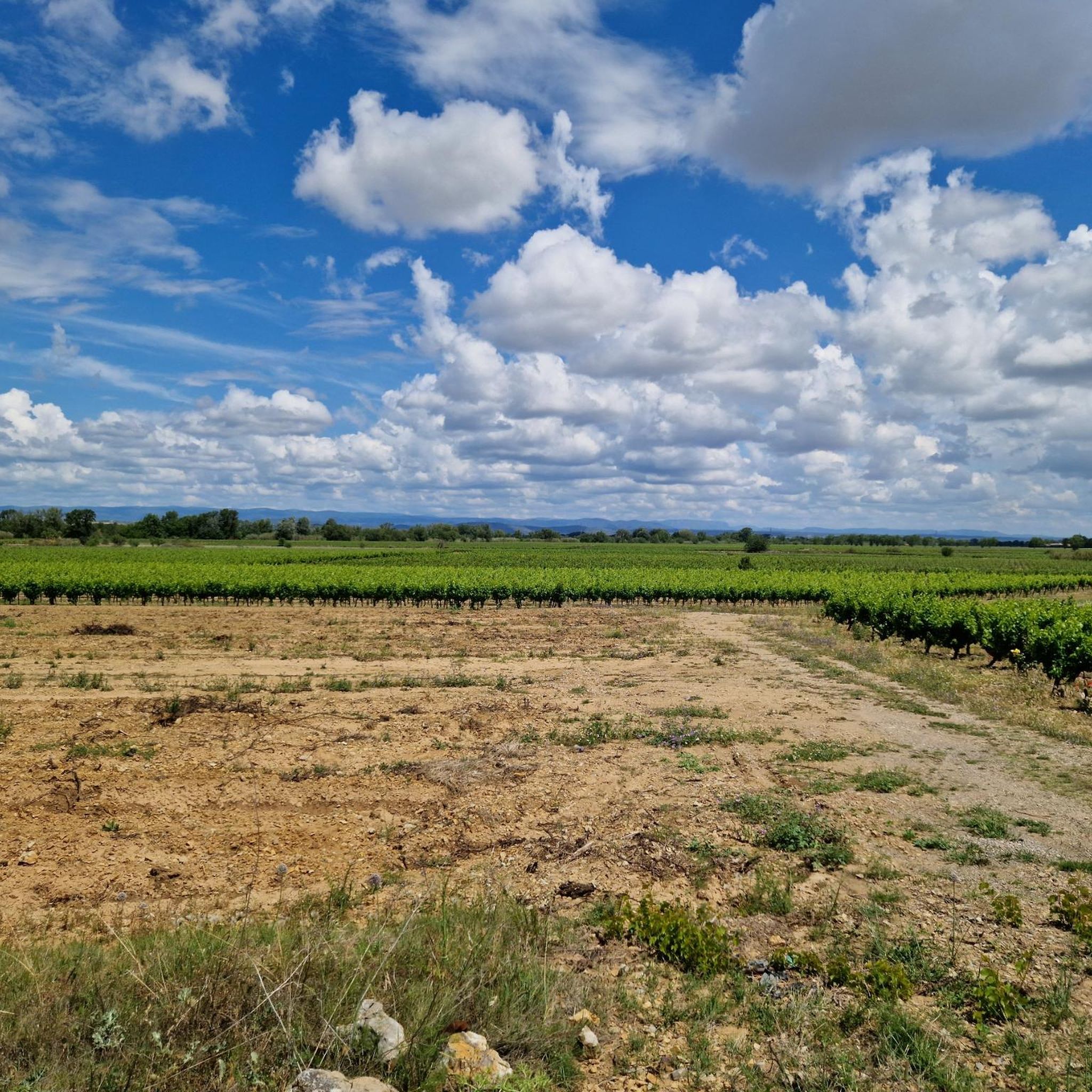
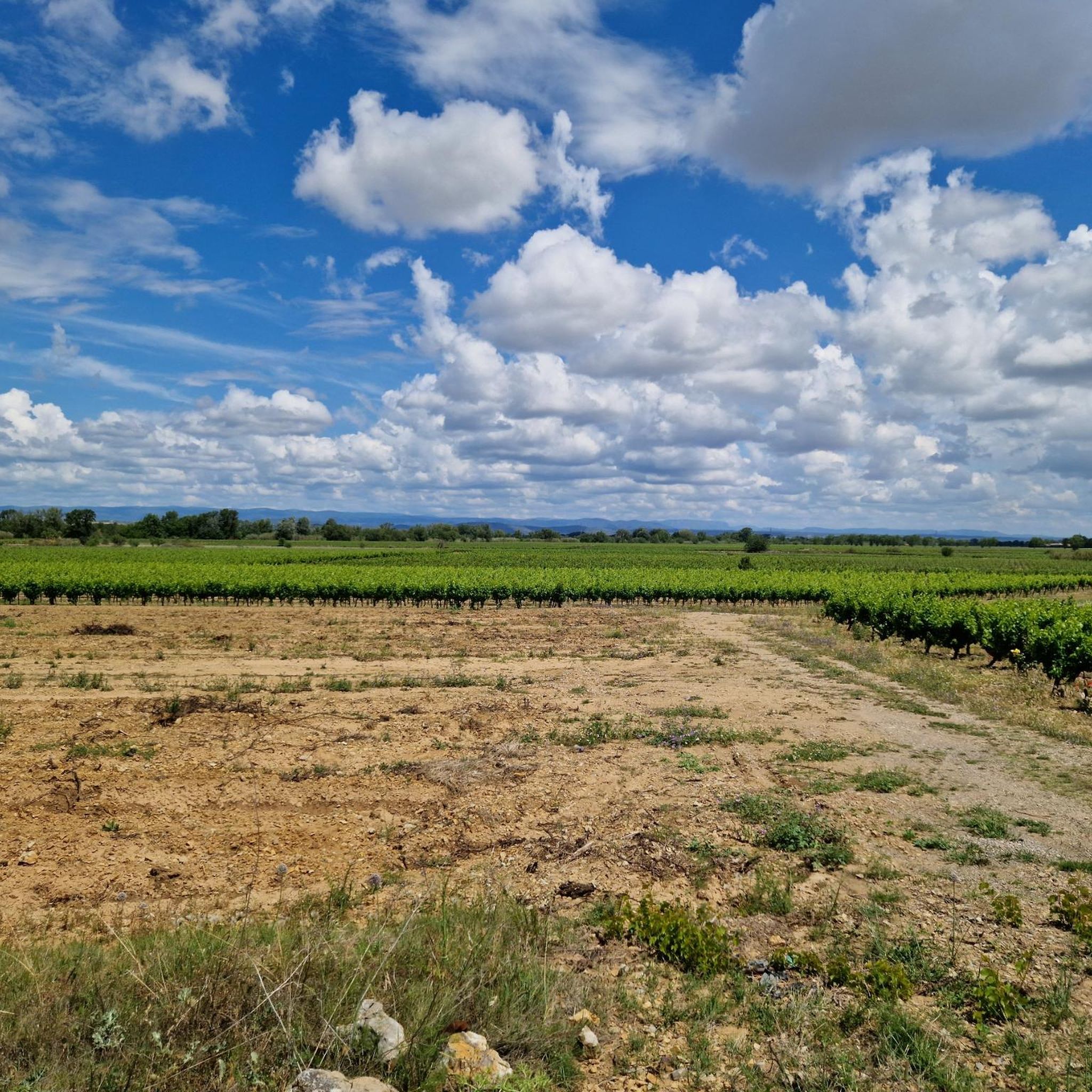
wonderfully beautiful landscape here
0
1
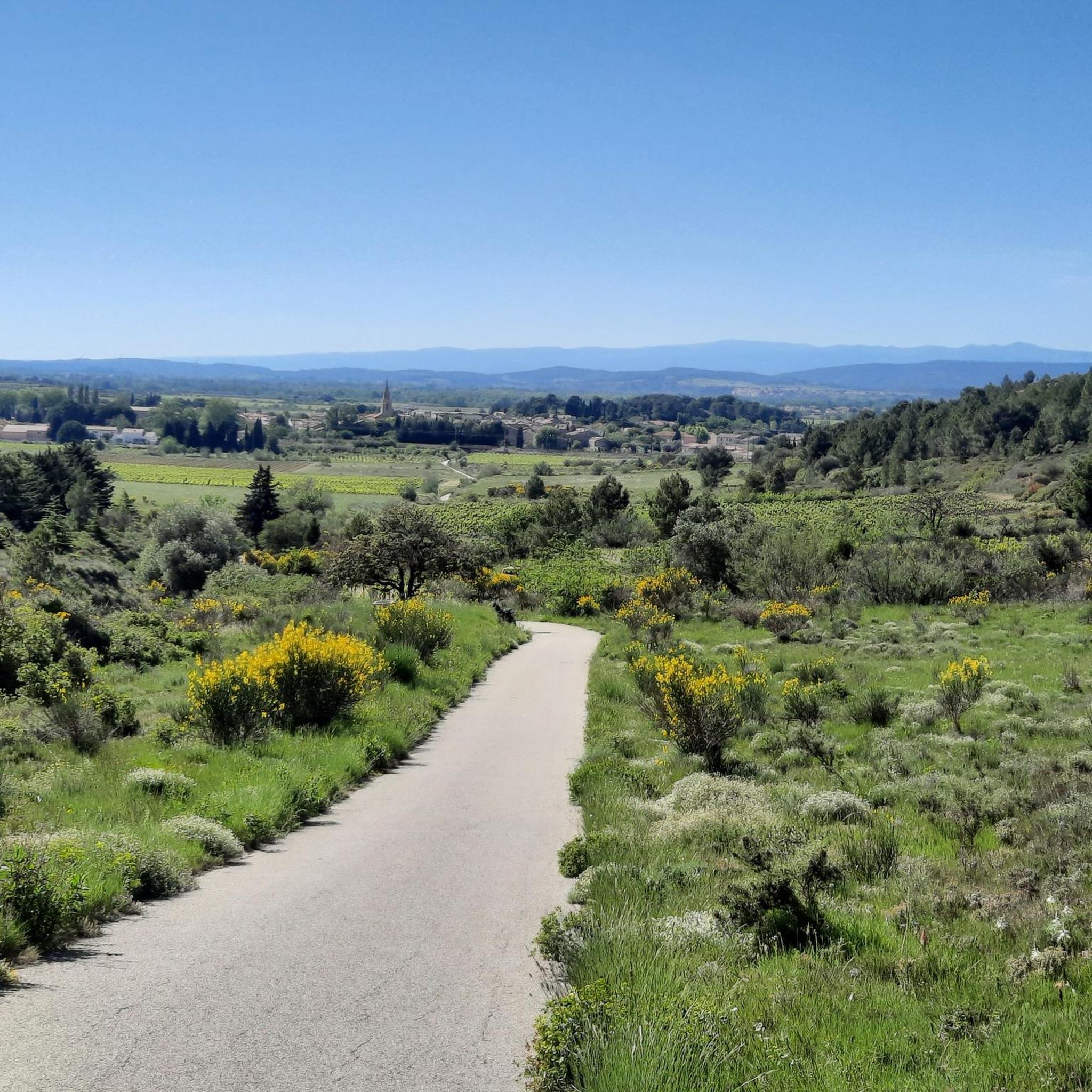
wonderfully beautiful landscape here
0
1
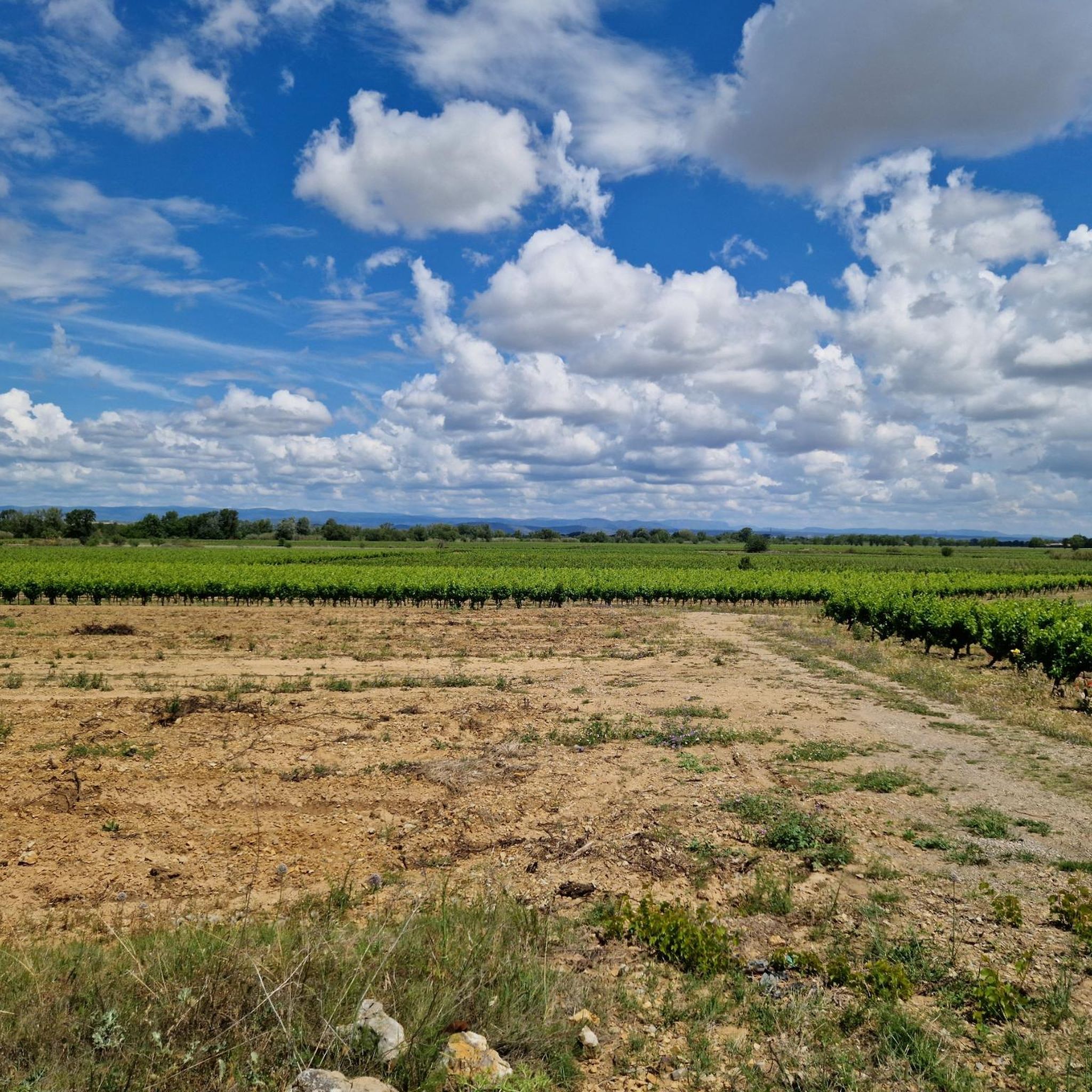
wonderfully beautiful landscape here
2
0

The Palace of the Archbishops of Narbonne is an imposing, castle-like complex dating from the 12th to the 18th centuries, symbolizing the power and history of the region. Today it houses the town hall as well as art and archaeology museums.
3
0

A tour is worthwhile
2
0

Frequently Asked Questions
What historical sites can I explore near Névian?
The region around Névian is rich in history. You can visit the impressive Saint-Just and Saint-Pasteur Cathedral of Narbonne, known for its Gothic architecture. Discover traces of the ancient Roman road at Via Domitia in Narbonne, where original cobblestones are exposed. Just a short drive away is the magnificent 12th-century Cistercian Abbaye de Fontfroide, featuring stunning architecture and gardens. Narbonne also offers the Narbo Via Museum and the Roman Granary Museum for deeper dives into its Gallo-Roman past.
Are there family-friendly attractions around Névian?
Yes, there are several family-friendly options. The Port of Somail on the Canal du Midi is a picturesque spot with a rich history, perfect for a leisurely stroll or boat trip. The Junction of the Canal du Midi and the Canal de la Robine also offers pleasant surroundings. For a unique experience, the Sigean African Reserve, about 17-21 km from Névian, allows you to see over 3800 animals roaming freely in open spaces.
What natural features are prominent in the Névian area?
Névian is surrounded by diverse natural beauty. The Orbieu River flows through the village, featuring a small waterfall popular for fishing and swimming. The expansive Narbonnaise en Méditerranée Natural Regional Park offers varied landscapes, from lagoons and vineyards to forests and salt marshes. You can also explore the Forêt de Fontfroide or the unique natural beauty spot of Gouffre de l'Œil Doux.
Can I go cycling or hiking near Névian?
Absolutely. The Canal du Midi, a UNESCO World Heritage site, is a favorite for walkers and cyclists, offering exceptionally beautiful scenery. For more structured routes, you can find numerous options for MTB Trails, Gravel Biking, and Road Cycling Routes around Névian, catering to various difficulty levels.
What is the Canal du Midi's significance in the region?
The Canal du Midi is a UNESCO World Heritage site and a central feature of the region's landscape and history. It's popular for walking, cycling, and boat trips, offering scenic views and connecting to historical sites like The Port of Somail. The Junction of the Canal du Midi and the Canal de la Robine, along with the Gailhousty Lock and Spillway, highlight the canal's engineering marvels and its role in connecting the region.
Are there any charming villages to visit near Névian?
Yes, the area boasts several charming villages. Bize-Minervois is known for its pretty houses and a popular swimming river. Aigne is a fortified village with an attractive center. Minerve and Lagrasse are both recognized as 'Most Beautiful Villages of France,' offering ancient streets, medieval atmospheres, and artisan shops.
What cultural experiences can I find in Narbonne?
Narbonne, a short distance from Névian, offers a vibrant cultural scene. Beyond the Cathedral and Roman sites, you can visit Les Halles de Narbonne, an indoor market recognized for its local produce, food, and wine. The Palais-Musée des Archevêques houses the Museum of Art and History, providing further cultural insights.
Where can I find wild swimming spots near Névian?
The Orbieu River, flowing through Névian, has a small waterfall that is a popular spot for swimming. Additionally, the nearby village of Bize-Minervois is known for its popular swimming river, offering another option for a refreshing dip.
What do visitors enjoy most about the attractions around Névian?
Visitors appreciate the blend of historical significance and natural beauty. The ancient Roman road Via Domitia is often highlighted for its historical importance. The picturesque setting and historical context of The Port of Somail on the Canal du Midi are also highly regarded, as is the impressive architecture of the Saint-Just and Saint-Pasteur Cathedral of Narbonne.
Are there opportunities for outdoor activities in a natural park?
Yes, the Narbonnaise en Méditerranée Natural Regional Park is an excellent destination for outdoor activities. This expansive protected area offers diverse landscapes including lagoons, garrigues, forests, and vineyards, providing ample opportunities for hiking, birdwatching, and exploring the unique Mediterranean ecosystem. You can find more information about the park at visit-occitanie.com.
What is the Château de Névian?
The Château de Névian is a historic chateau located within the village itself. It features beautifully preserved interiors with original period features, carved detailing, and traditional French floor tiles. While it offers exclusive use for groups, it provides a glimpse into traditional Languedoc life and has been refurbished with luxury suites and modern amenities.

Get inspired with the komoot mobile app


Explore more
Still not found the Highlight you’re looking for? See guides of the top attractions in other regions:
