Top 14 Gorges around La Roque-Sainte-Marguerite
Best canyons around La Roque-Sainte-Marguerite are characterized by deep river valleys carved into the limestone plateaus of the Grands Causses. The region features the Gorges du Tarn and Gorges de la Jonte, offering diverse natural landscapes. These geological formations are part of a larger natural park, providing varied terrain for outdoor activities. The area is known for its dramatic cliffs, rock formations, and the rivers that flow through them.
Best canyons around La Roque-Sainte-Marguerite
- The most popular canyons is GR6…
Last updated: August 22, 2026
Vertigo Viewpoint
Highlight • Viewpoint
Translated by Google •
Tip by

GR6 Through the Gorges du Tarn and Gorges de la Jonte
Highlight (Segment) • Gorge
Translated by Google •
Tip by

Sign up now to discover places like this
Get recommendations on the best single tracks, peaks, & plenty of other exciting outdoor places.
Sign up for free
Sainte-Marguerite's Rocks
Highlight • Settlement
Translated by Google •
Tip by

Belvedere Montpellier le vieux
Highlight • Gorge
Translated by Google •
Tip by

Southern starting point of the Gorges du Tarn
Highlight • Gorge
Be careful it climbs 🚴♀️
Translated by Google •
Tip by

Sign up for free to discover even more gorges around La Roque-Sainte-Marguerite.
Sign up for free
Already have an account?
Start today with a free account
Your next adventure awaits.
Login or Signup
Popular around La Roque-Sainte-Marguerite
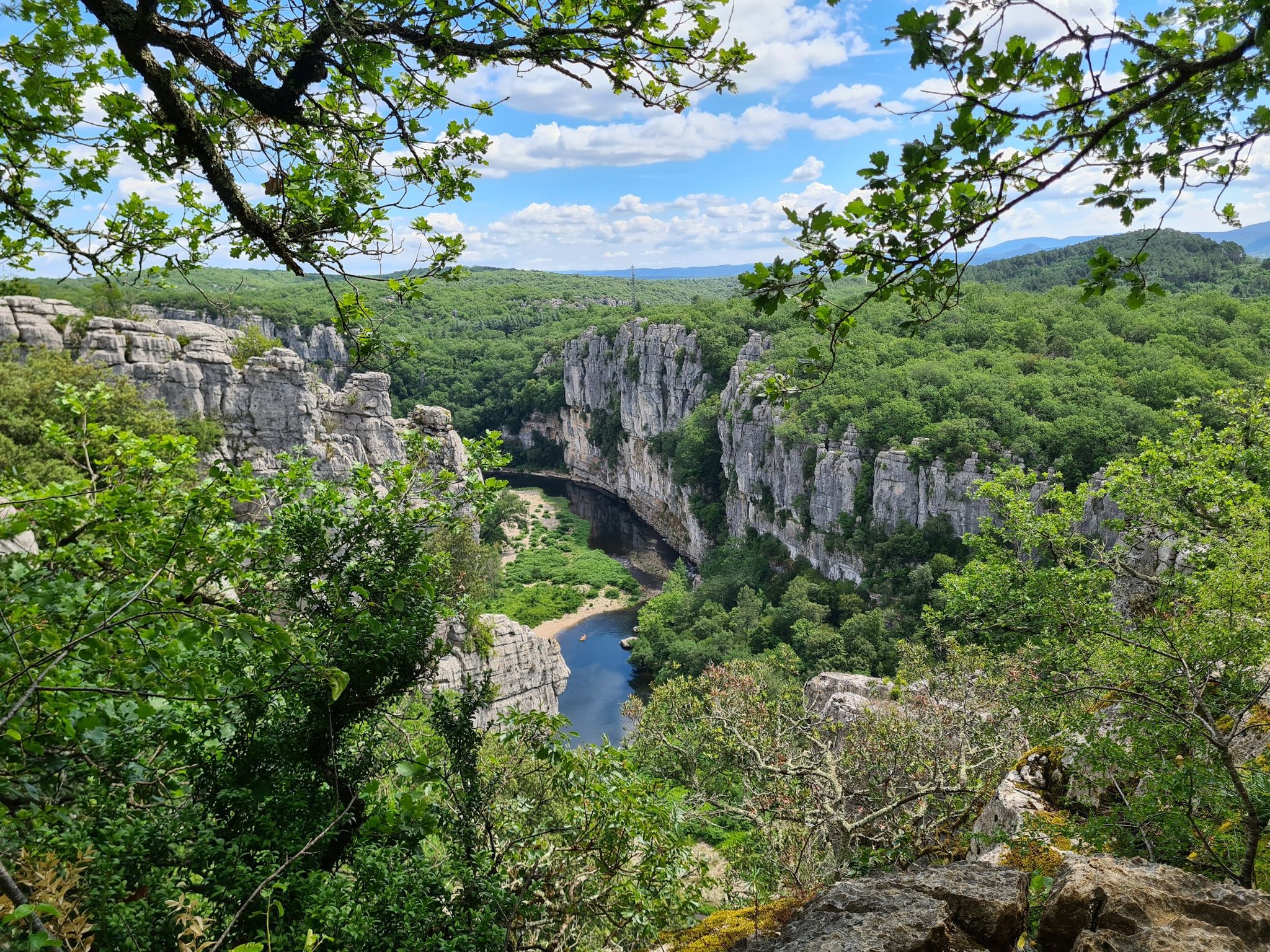
Hexatrek – The Cévennes to the Pyrenees between gorges and limestone plateau
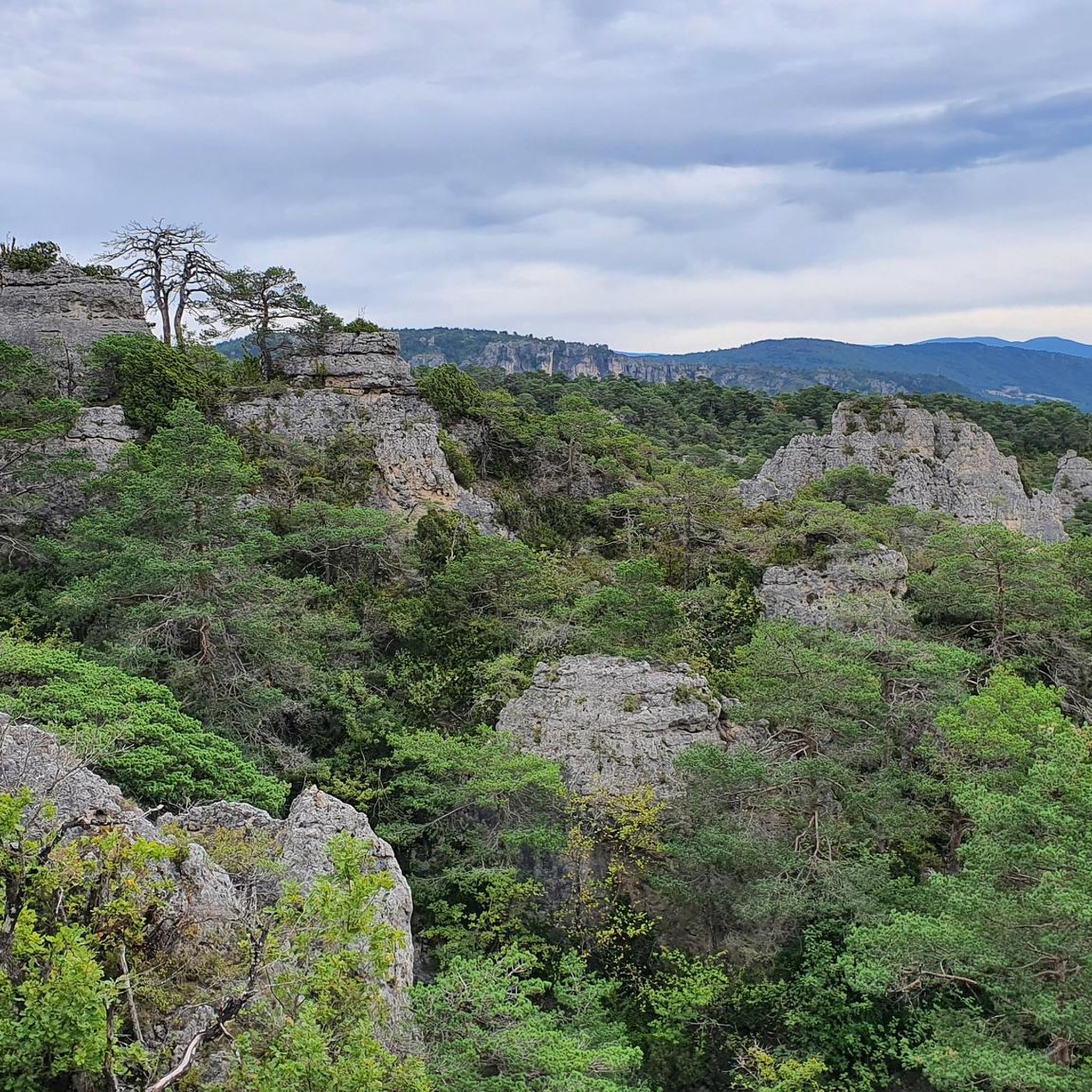
Hiking around La Roque-Sainte-Marguerite
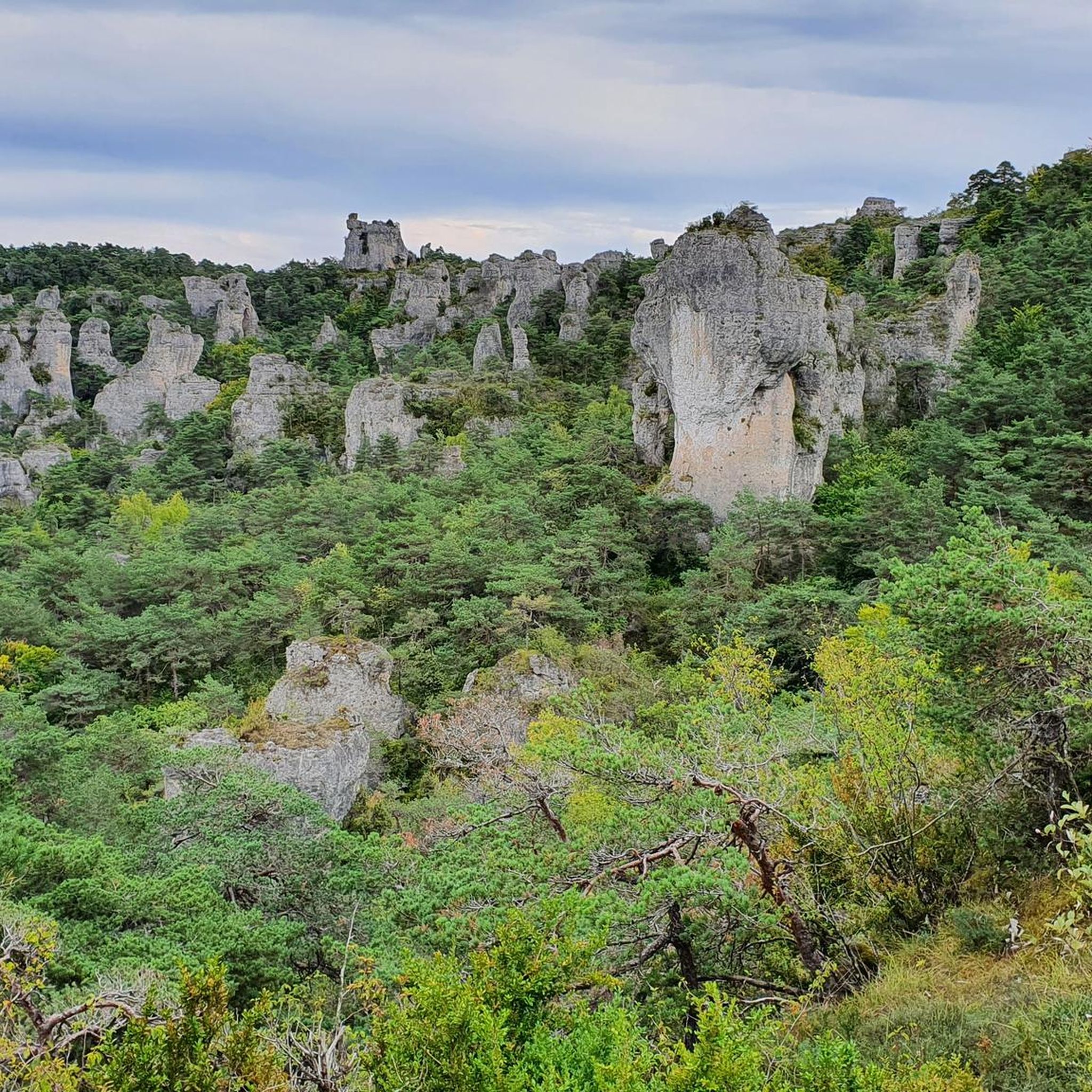
Road Cycling Routes around La Roque-Sainte-Marguerite
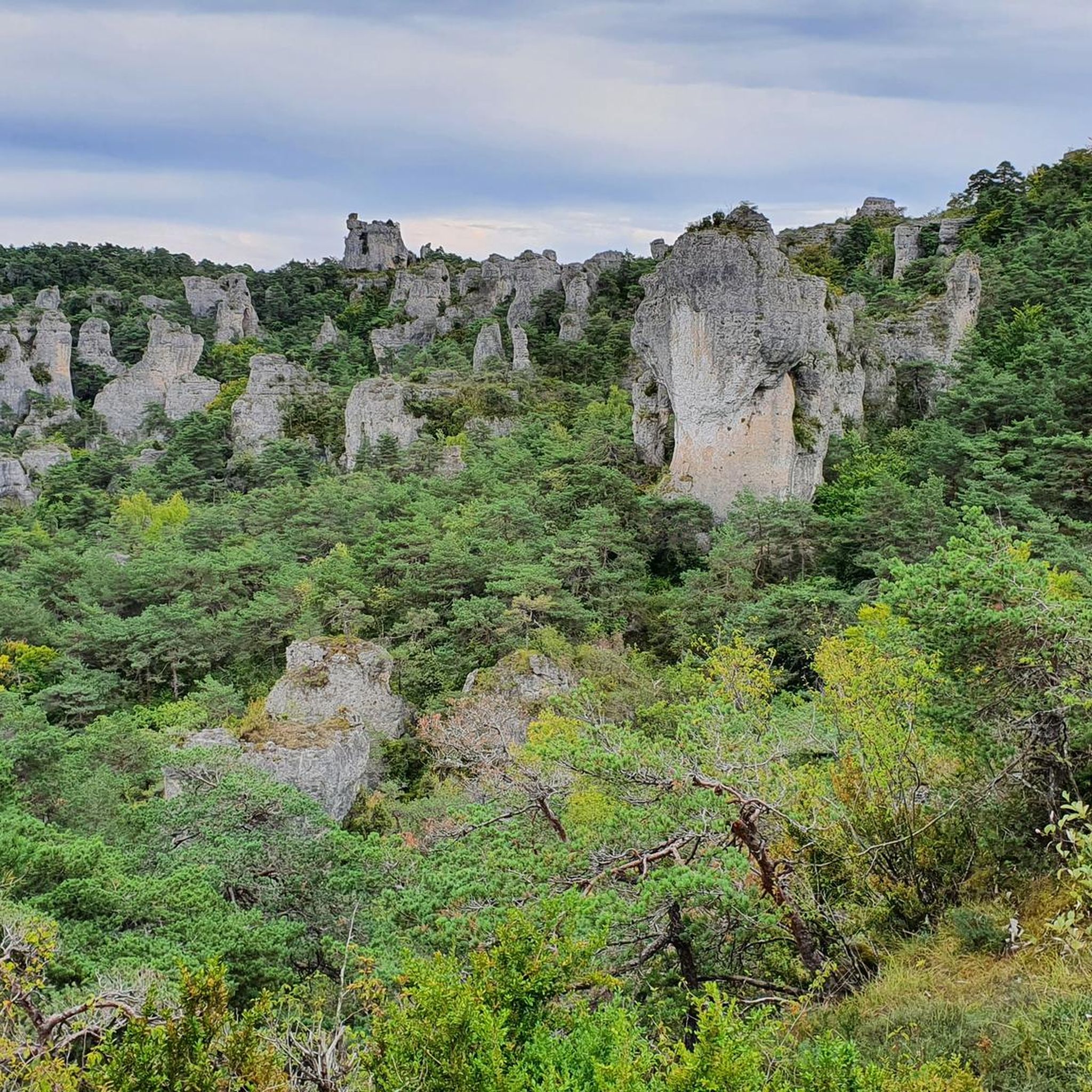
MTB Trails around La Roque-Sainte-Marguerite
Running Trails around La Roque-Sainte-Marguerite
Cycling around La Roque-Sainte-Marguerite

Gravel biking around La Roque-Sainte-Marguerite

Mountain Hikes around La Roque-Sainte-Marguerite
Other adventures around La Roque-Sainte-Marguerite

Tips from the Community

Great vantage point over the Jonte Gorge. Both vultures and rock climbers can be observed from here. But don't lean too far out!
0
0
A great trail with beautiful views of the Gorge du Tarn and the occasional vulture nest in the rocks above. There are frequent detours to viewpoints. Towards Le Rozier, the trail descends gently. Easy to walk throughout, with no scrambling required – unlike the continuation of the Gorge de la Jonte.
2
0

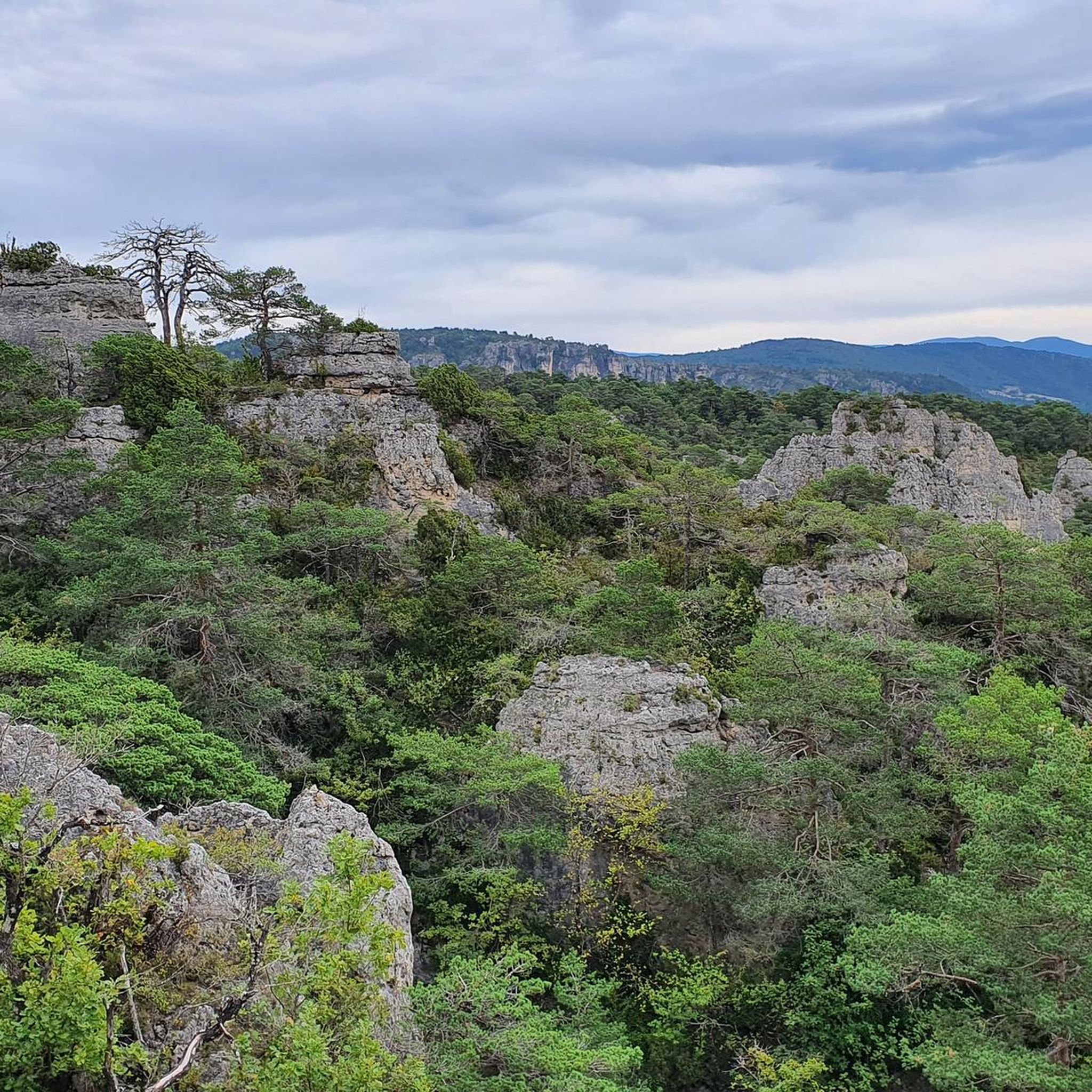
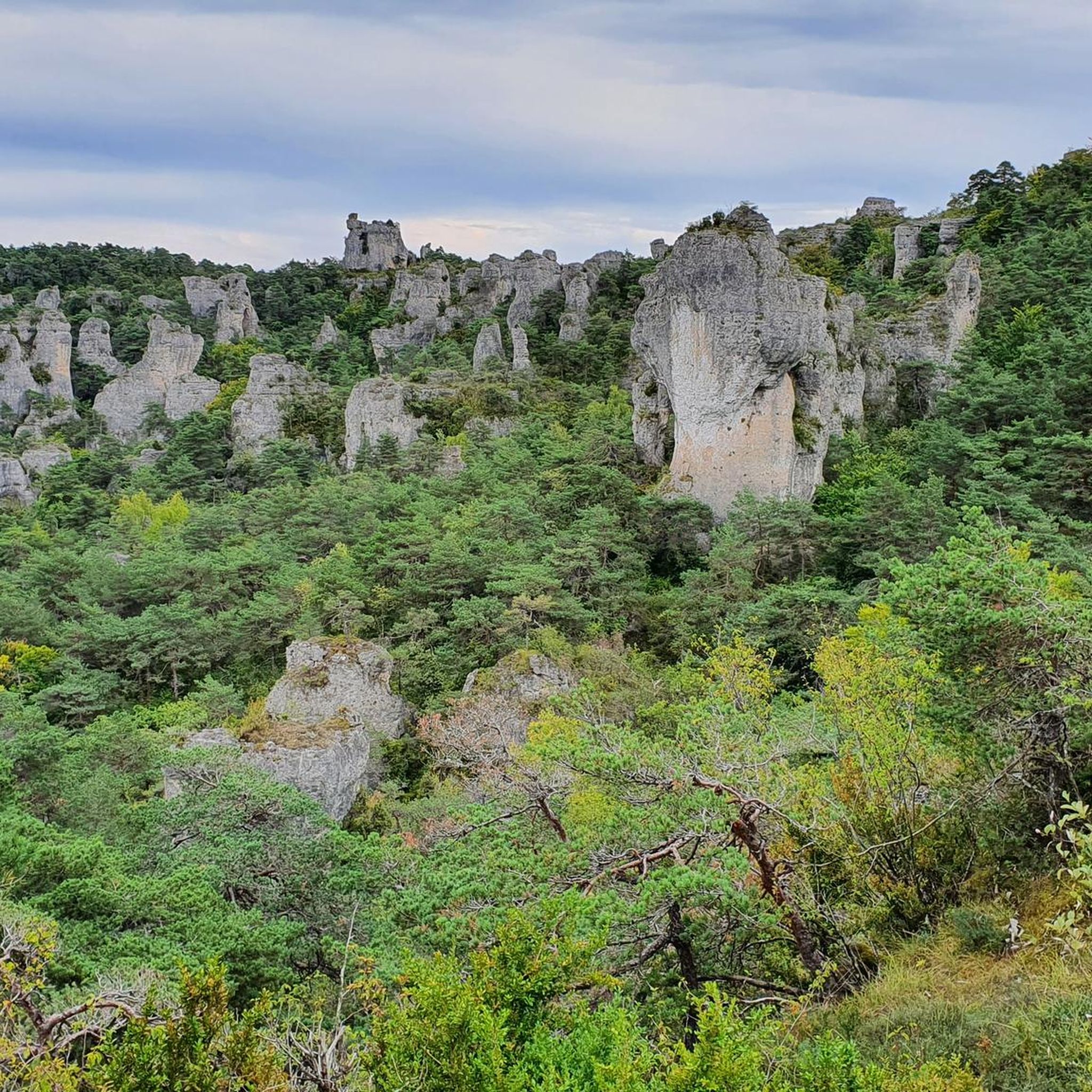
The rock formation covers approximately 120 hectares. It was formed by corrosion of the dolomite rock of the Causse Noir. It was originally assumed that the rocks were a ruined city, and it was not until 1870 that a trench was cut through the rocks. The speleologist Edouard-Alfred Martel was the first to map the rocks in 1883-1884.
7
0
The rock formation is located in the western part of the department on the high plateau of the Causse Noir. To the north lie the rivers Tarn and Jonte, to the south lie the Dourbie gorges, and to the west lies the town of Millau.
7
0

Located in the department of Aveyron, Roque-Sainte-Marguerite presents a typical setting of Occitania. The village has a notable architectural ensemble, including traditional houses and historical remains. Its position near the Dourbie gorges and within the Grands Causses offers visitors a variety of opportunities to explore the surrounding nature and indulge in outdoor activities.
0
0

Magnificent spot with its beautiful mountains ⛰ Be careful it climbs 🚴♀️
1
0

La Roque-Sainte-Marguerite is a pretty village in the heart of the Dourbie gorges between Causse Noir and Causse du Larzac.
0
1
Magnificent view of the Jonte gorges with the Causse Noir on the other bank.
0
0
Frequently Asked Questions
What natural features can I explore in the canyons around La Roque-Sainte-Marguerite?
The canyons are characterized by deep river valleys carved into limestone plateaus, offering dramatic cliffs and unique rock formations. You can experience expansive views from spots like Vertigo Viewpoint, which overlooks the Jonte gorge, or observe the geological details of the Causse Noir at Belvedere Montpellier le vieux. The rivers, such as The Tarn, are central to the landscape.
Are there family-friendly canyoning options or activities suitable for beginners near La Roque-Sainte-Marguerite?
While specific 'canyoning' routes for families or beginners aren't detailed, the region offers accessible trails and viewpoints. For instance, the GR6 Through the Gorges du Tarn and Gorges de la Jonte is described as easy to walk with no scrambling required, making it suitable for many. The river areas, like The Tarn, also provide opportunities for rest and observing canoeists, which can be a relaxing family activity.
What is the best season to visit the canyons around La Roque-Sainte-Marguerite?
The best season to visit the canyons around La Roque-Sainte-Marguerite is generally from late spring to early autumn. During these months, the weather is warmer, making it ideal for exploring the gorges, enjoying viewpoints, and engaging in water-based activities like canoeing on the Tarn. Winter can be beautiful but may present challenges with colder temperatures and potentially less accessible routes.
What kind of wildlife can I expect to see in the gorges?
The gorges are home to diverse wildlife, particularly large birds of prey. From viewpoints like Vertigo Viewpoint and along trails such as the GR6 Through the Gorges du Tarn and Gorges de la Jonte, you have privileged views to appreciate these birds in flight, including vultures.
Are there opportunities for wild swimming in the canyons?
Yes, the river The Tarn, which flows through the eponymous gorges, is an ideal spot for cooling off during warm summers. It offers places for rest and relaxation, and while specific 'wild swimming spots' aren't detailed, the river itself provides opportunities for a refreshing dip.
What other outdoor activities can I do near the canyons of La Roque-Sainte-Marguerite?
Beyond exploring the canyons, the region offers a variety of outdoor activities. You can find numerous routes for cycling, gravel biking, and road cycling. For example, there are challenging gravel biking routes like the 'Brunas Viewpoint – Cap de Coste Viewpoint loop' and various road cycling loops such as the 'Sainte-Marguerite's Rocks – View of Cantobre loop'. You can find more details on these activities in the Gravel biking around La Roque-Sainte-Marguerite, Cycling around La Roque-Sainte-Marguerite, and Road Cycling Routes around La Roque-Sainte-Marguerite guides.
Are there any notable viewpoints in the area to appreciate the canyon landscapes?
Absolutely. The region is rich in viewpoints offering spectacular perspectives of the gorges. The Vertigo Viewpoint provides expansive views of the Jonte gorge from 770 meters, showcasing wild cliffs and geological details. Another excellent spot is the Belvedere Montpellier le vieux, which offers views of the unique rock formations of the Causse Noir.
What should I wear when visiting the canyons?
When visiting the canyons, it's advisable to wear comfortable, layered clothing suitable for outdoor activities. Sturdy walking shoes or hiking boots are essential for navigating trails and uneven terrain. If you plan on water activities or visiting during warmer months, swimwear and quick-drying clothes would be beneficial. Always check the weather forecast before your visit.
Are there any historical or cultural points of interest related to the canyons?
The geological formations themselves, such as the 'ruined city' appearance of Belvedere Montpellier le vieux, have historical significance, with early explorations by speleologists like Edouard-Alfred Martel in the late 19th century. The picturesque villages nestled within the gorges, particularly along the route of the Tarn, also offer a glimpse into the region's cultural heritage.
Where can I find parking when visiting the canyons?
While specific parking locations for every canyon access point are not detailed, popular viewpoints and trailheads typically have designated parking areas. For example, when exploring the Gorges du Tarn, you'll find that the D907 road winds through the area with various access points. It's recommended to look for parking near known highlights or trail starting points, such as those mentioned in the nearby cycling guides.
What do visitors enjoy most about the canyons around La Roque-Sainte-Marguerite?
Visitors frequently praise the stunning natural beauty and the dramatic landscapes of the Gorges du Tarn and Gorges de la Jonte. The expansive views from various viewpoints, the opportunity to observe large birds of prey, and the peaceful atmosphere along the rivers are often highlighted. Many appreciate the diverse terrain for activities, from easy walks to more challenging routes, and the chance to cool off in the Tarn river during summer.
Most popular routes around La Roque-Sainte-Marguerite
Most popular attractions around La Roque-Sainte-Marguerite

Get inspired with the komoot mobile app


Explore more
Already discovered everything in this region? See additional gorges around La Roque-Sainte-Marguerite for your next adventure:
