Attractions and Places To See around Saint-Sauveur-Sur-École - Top 20
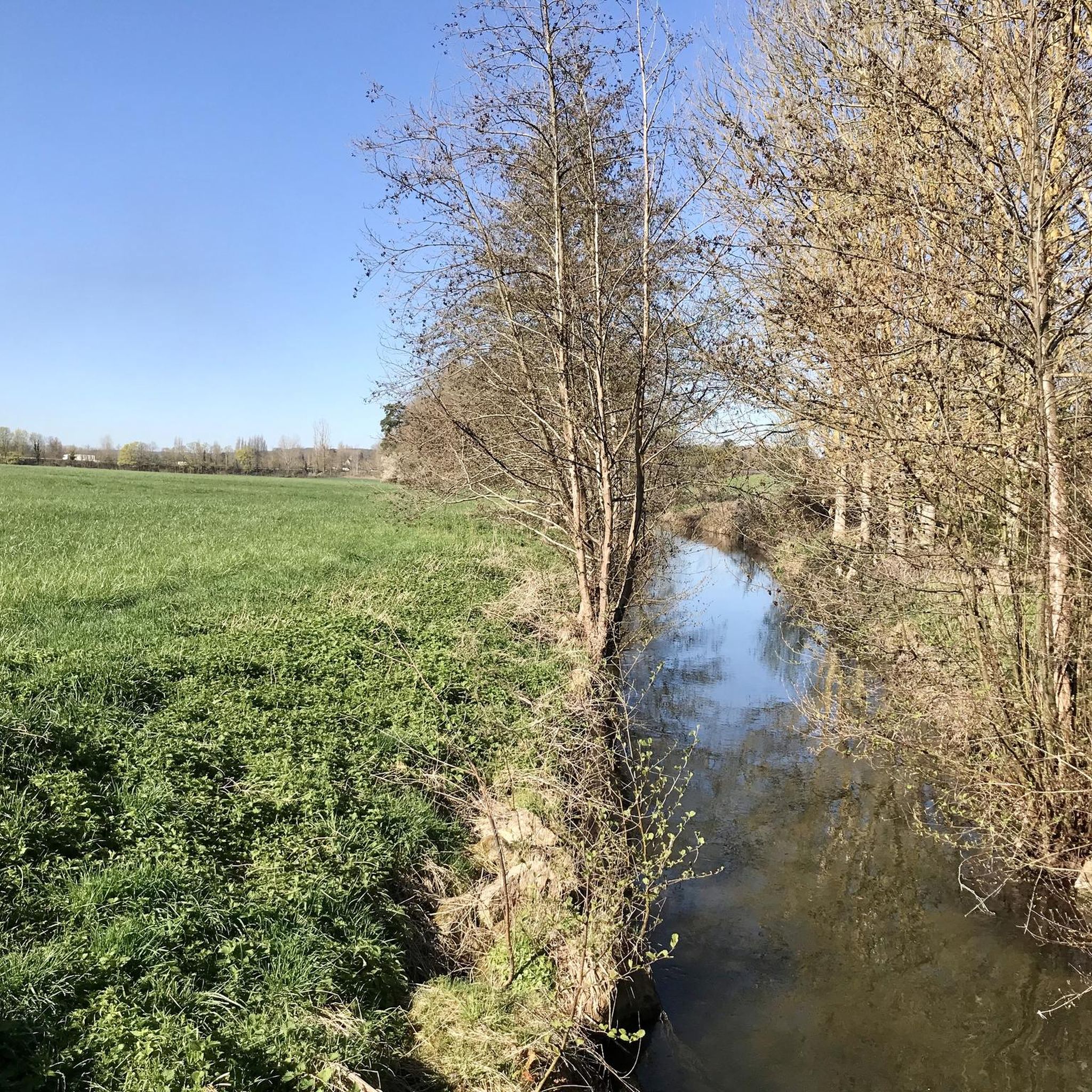
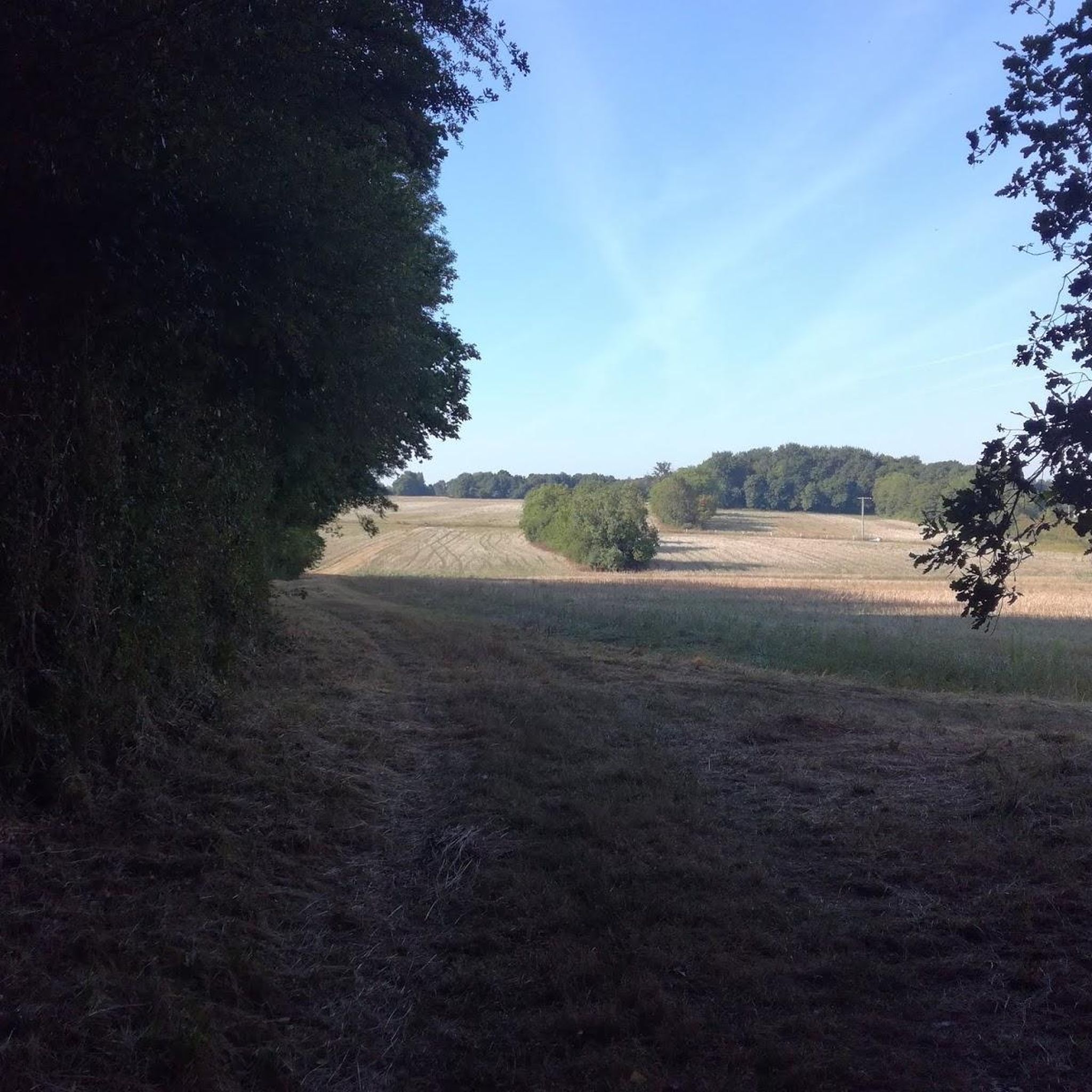
Best attractions and places to see around Saint-Sauveur-Sur-École include a blend of natural beauty and historical sites. This commune, located in the Seine-et-Marne department of France, is nestled in the valley of the École river, offering varied landscapes of groves, meadows, and wooded hillsides. The area is part of the Gâtinais Français Regional Natural Park, known for its aquatic and wetland environments. Visitors can explore historical landmarks and natural features that highlight the region's heritage and biodiversity.
Best attractions and…
Last updated: August 25, 2026
Allée Royale
Highlight (Segment) • Trail
Translated by Google •
Tip by

Barbizon Village
Highlight • Settlement
Translated by Google •
Tip by

Sign up now to discover places like this
Get recommendations on the best single tracks, peaks, & plenty of other exciting outdoor places.
Sign up for free
Fleury-en-Bière Castle
Highlight • Castle
Translated by Google •
Tip by

Les Affolantes
Highlight • Monument
Translated by Google •
Tip by

The Cyclop
Highlight • Monument
Translated by Google •
Tip by

Sign up for free to discover even more attractions around Saint-Sauveur-Sur-École.
Sign up for free
Already have an account?
Start today with a free account
Your next adventure awaits.
Login or Signup


Tips from the Community


Barbizon, a must-see of must-sees! Even the streets are decorated with mosaic paintings! Unclassifiable!
0
0


The cyclops visit is not free, 12 euros entry but it lasts 45 minutes and is very interesting. Limit of 25 people at a time. Please note that photos inside are prohibited. I recommend the first visit at 10:30 a.m. (less crowded)
2
0

This was one of the locations used for the filming of the 3 Mousquetaires with Vincent Cassel, François Civil, Romain Dursis & Pio Marmai
0
0

there are also exhibitions, workshops, pretty pottery for sale https://www.la-juxtaposition.com/
1
0
Great tea room in Barbizon. Warm welcome, which is not the case everywhere in this slightly upscale town where there are more SUVs than gravels. Very good cheesecakes. A stove to warm your feet in winter.
1
0

The place of the war memorial with its "Gaulois" by Ernest Révillon (1854-1937) offered by a Franco-American subscription in 1920.
1
0
Frequently Asked Questions
What historical sites can I visit in and around Saint-Sauveur-sur-École?
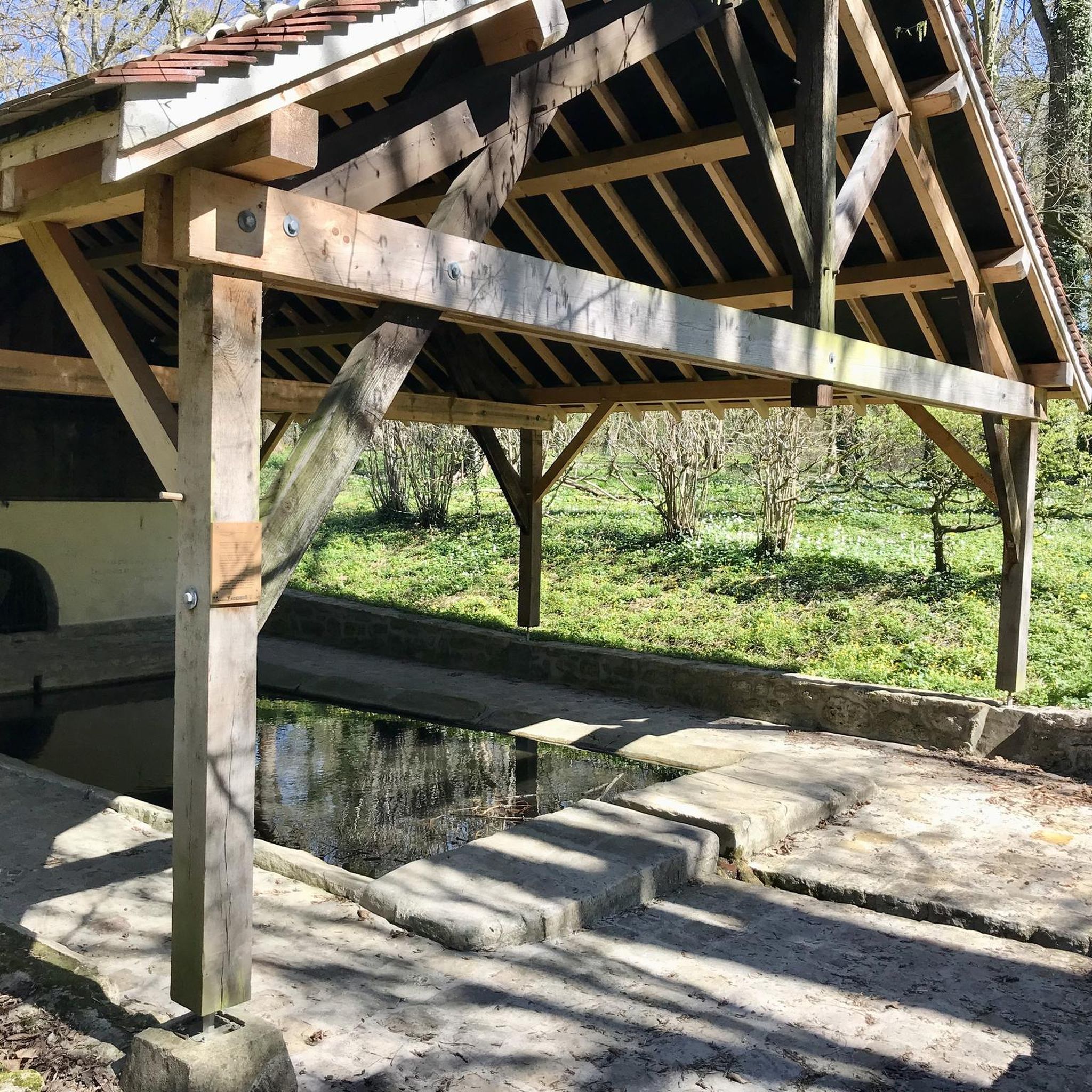
The region is rich in history. Within the village, you can explore the ancient 13th-century Church of Saint-Eutrope and the historic Lavoir de Saint-Sauveur. Nearby, don't miss the impressive Fleury-en-Bière Castle, and the picturesque Barbizon Village, known for its artistic heritage. Further afield, the magnificent Château de Vaux-le-Vicomte and the UNESCO World Heritage site of Fontainebleau Palace offer grand historical experiences.
Are there natural areas or trails for walking and cycling?
Yes, the area offers several natural spots and trails. The Valley of the École River provides pleasant walks through groves and meadows. You can also enjoy the unique Sequoia Avenue at Villeroy Park, which features the second-longest avenue of giant sequoias in Europe. For cycling, the Allée Royale is a popular 'strada Biancha' known for its good surface, suitable even for road bikes.
What kind of outdoor activities are available near Saint-Sauveur-sur-École?
Beyond walking and cycling, the region offers a variety of outdoor activities. You can find numerous routes for mountain biking, cycling, and running. For example, there are several MTB trails around Saint-Sauveur-Sur-École, including moderate and difficult options. Cyclists can explore cycling routes that pass through villages and natural landscapes, and runners have a selection of running trails of varying difficulties.
Are there any family-friendly attractions in the area?
Many attractions are suitable for families. The Allée Royale is a great trail for family bike rides, and the Sequoia Avenue at Villeroy Park offers a unique natural experience for all ages. The charming Barbizon Village is also family-friendly with its picturesque setting and cafes. Exploring the Fontainebleau Forest provides endless opportunities for family adventures.
What are 'Les Affolantes' and where can I find them?
Les Affolantes are a collection of bourgeois villas from the Belle Époque, known for their neo-Norman style. They are located along the banks of the Seine, between Seine-Port and Saint-Mammès, offering a surprising sight for hikers exploring the riverside paths.
Can I find places to eat or drink near the attractions?
Yes, particularly in Barbizon Village, you'll find very nice restaurants and cafes. It's an ideal spot to stop for an ice cream or a meal before or after exploring the nearby Fontainebleau Forest.
What is the ENS La Rivière and its significance?
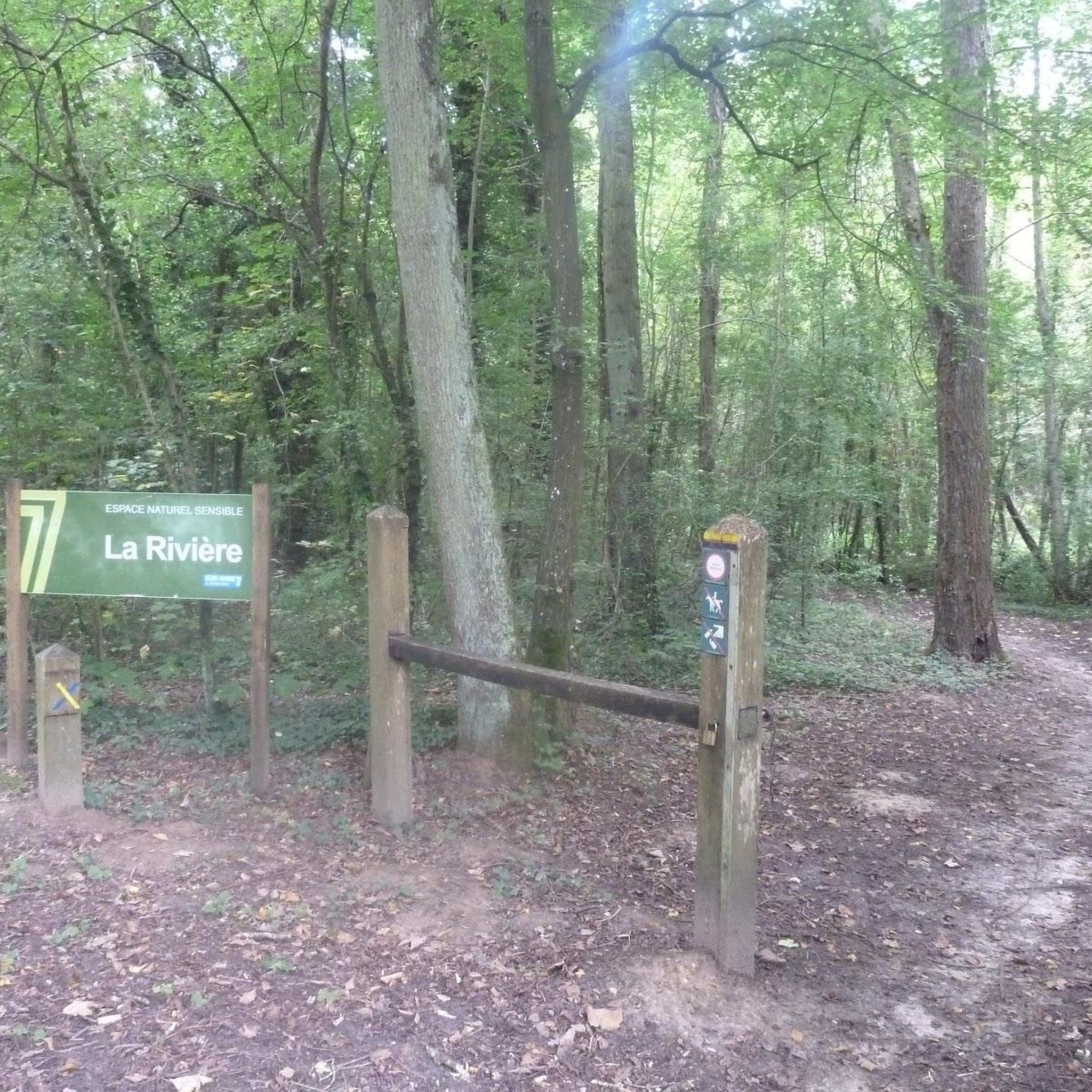
The ENS La Rivière (Sensitive Natural Area - The River) is located north of Saint-Sauveur-sur-École and is part of the Gâtinais Français Regional Natural Park. It's a significant site for its aquatic and wetland environments, including the École river, and is rich in biodiversity, home to species like black woodpeckers and Boyeria irene dragonflies.
Are there any unique cultural or wellness sites in the area?
The Moulin de la Fleur d'Or is a unique cultural and wellness site. This more than 600-year-old mill is designed with Feng Shui principles and offers a serene environment for activities focusing on well-being, spirituality, and art, such as Qigong and meditation.
What is the best time of year to visit Saint-Sauveur-sur-École?
The region is pleasant to visit throughout the warmer months, from spring to autumn, when the natural landscapes are in full bloom and outdoor activities are most enjoyable. Summer offers long days for exploration, while spring and autumn provide milder temperatures and beautiful scenery. Winter can be suitable for quiet walks, especially if you enjoy the crisp air and fewer crowds.
What are some of the historical mills in the area?
The École river historically powered around twenty mills. Two notable examples are the Moulin de la Fosse, dating back to at least 1369, which the commune acquired to preserve local heritage, and the ancient Moulin de la Fleur d'Or, known for its serene atmosphere and wellness activities.
Are there any picturesque towns nearby worth visiting?
Absolutely. The charming town of Moret-sur-Loing, with its historic center, is located about 24 km away and makes for a delightful visit. Additionally, Barbizon Village is renowned for its picturesque beauty and artistic history.
Most popular routes around Saint-Sauveur-Sur-École
Most popular attractions around Saint-Sauveur-Sur-École

Get inspired with the komoot mobile app


Explore more
Still not found the Highlight you’re looking for? See guides of the top attractions in other regions:
