The best road cycling routes around Saint-Geniès-De-Varensal
4.8
(14)
237
riders
12
rides
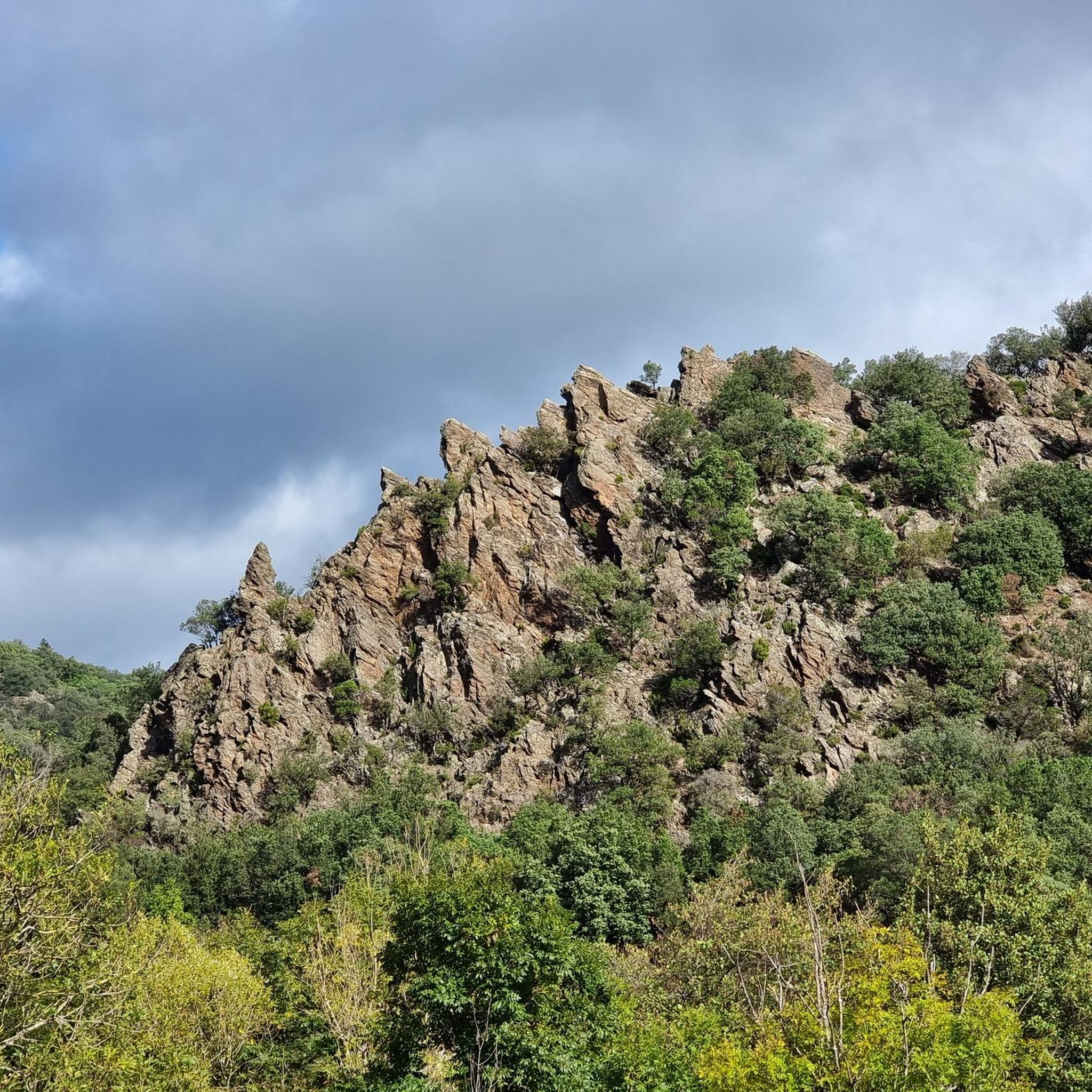
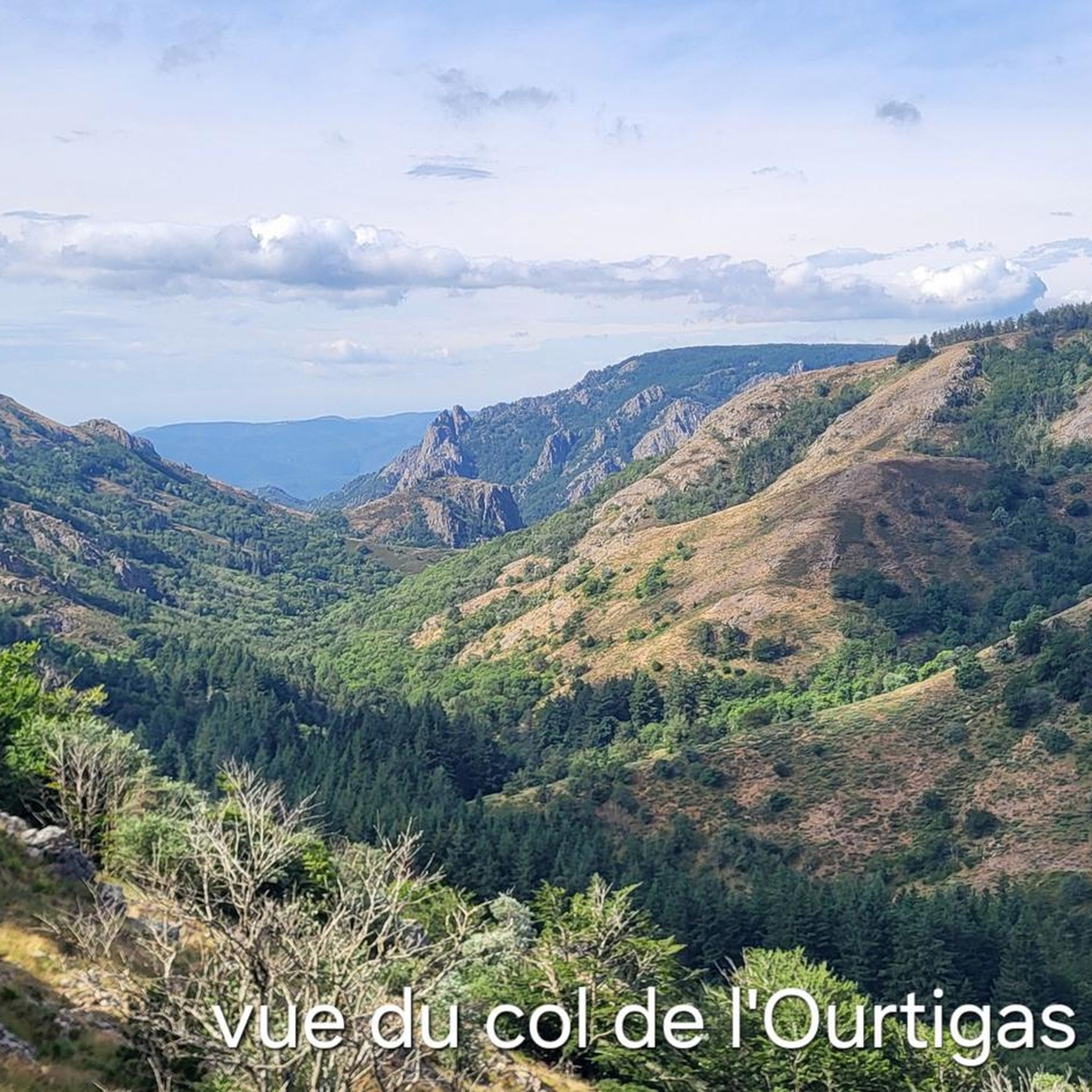
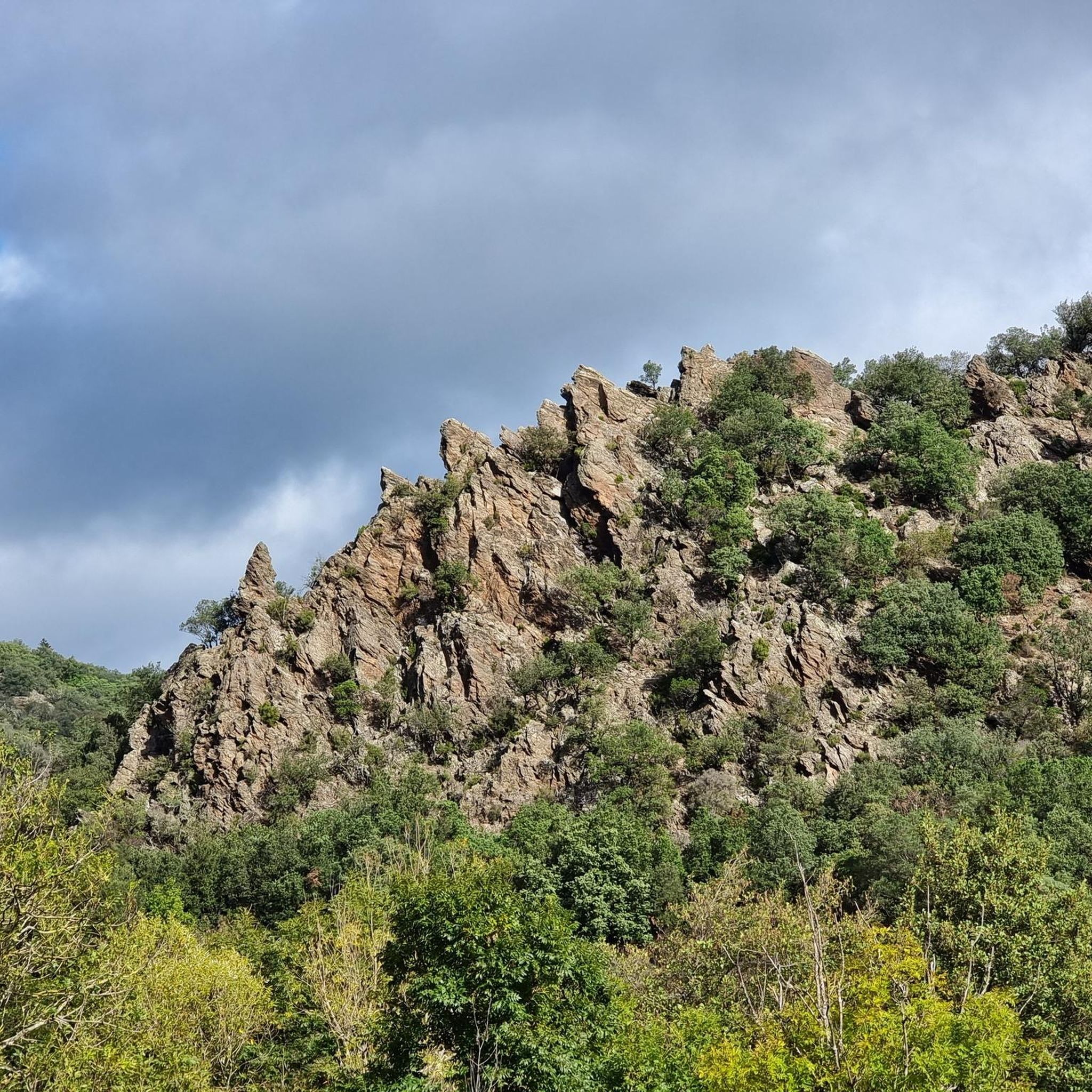
Road cycling routes around Saint-Geniès-De-Varensal are characterized by a diverse and challenging topography within the Haut-Languedoc Regional Natural Park. The region features significant elevation changes, ranging from 358 meters to 1086 meters, with an average altitude of 1000 meters. This mountainous landscape provides numerous opportunities for road cyclists seeking climbs and descents, including routes around prominent features like Mont Marcou. Dramatic gorges and valleys, such as the Gorges d'Héric, also contribute to the varied scenery.
Best road cycling routes around…
Last updated: October 25, 2026
5.0
(1)
75
riders
81.0km
04:19
1,420m
1,420m
Hard road ride. Very good fitness required. Mostly well-paved surfaces and easy to ride.
4.8
(6)
54
riders
40.1km
02:00
520m
520m
Moderate road ride. Good fitness required. Some segments of this route may be unpaved and difficult to ride.

5.0
(1)
12
riders
54.4km
02:33
550m
550m
Moderate road ride. Good fitness required. Mostly well-paved surfaces and easy to ride.
14
riders
56.0km
03:10
1,240m
1,240m
Hard road ride. Very good fitness required. Mostly well-paved surfaces and easy to ride.
5.0
(1)
5
riders
49.0km
02:41
890m
890m
Moderate road ride. Good fitness required. Mostly well-paved surfaces and easy to ride.
Get access to more routes and recommendations from other explorers.
Already have an account?
Our route recommendations are based on thousands of hikes, rides, and runs completed by other people on komoot.
Start today with a free account
Your next adventure awaits.
Tips from the Community

In the heart of Lamalou-les-Bains, the Saints-Pierre-et-Paul church bears witness to the village's transformation into a major spa resort. Built at the beginning of the 20th century, it accompanies the rise of a town that welcomed numerous spa-goers eager to benefit from the renowned waters of the Orb valley. Before its construction, parish life was organized around the old sanctuaries of Saint-Pierre-de-Rhèdes and then Notre-Dame de Villecelle.
3
0
The Saint-Martial church is unlike any other in Haut-Languedoc. Built in 1858-1859 to replace the village's old church, which had become too cramped, it occupies the north wing of the former castle of the viscounts of Narbonne, built in the 15th century. Even more surprisingly, this castle housed a black glass workshop until 1848, before being transformed into a place of worship. The bell tower, added in 1877, completes this original ensemble where religious heritage, seigneurial architecture, and industrial history blend. Observing the buildings surrounding the church, several elements of the original castle can still be distinguished. A few steps away is the old Saint-Martial church, now private property. Built on probably Romanesque foundations, it preserves parts dating back to the 15th century. Having become too dilapidated and too small to accommodate a growing population, it was replaced in 1859 by the new Saint-Martial church. Deconsecrated and then sold by the municipality in 1867, it remains a discreet but precious witness to the religious history of Hérépian.
3
0
The Saint-Majan church is the former abbey church of a powerful Benedictine monastery founded in the 7th century, whose prosperity was based in particular on the silver-bearing lead mines that gave their name to Villemagne-l'Argentière. During the Hundred Years' War, the building was transformed into a veritable fortress: walled-up windows, a rampart walk, and machicolations allowed the monks to defend their abbey. Despite the looting of the Wars of Religion in 1562, this remarkable Gothic church has survived the centuries and still bears the traces of this turbulent past. A few steps away is the former Saint-Grégoire church, the first place of worship of the abbey. Its elegant Romanesque architecture contrasts with the Gothic style of Saint-Majan. Transformed into an archaeological museum, it presents collections dedicated to the history of the village, from Antiquity to the Middle Ages, as well as to the exploitation of the ancient mines that shaped the wealth of Villemagne-l'Argentière. By visiting these two buildings, one travels through more than a millennium of history in just a few minutes.
3
0
The Saint-Martin quarry reveals another facet of the landscape around Brusque. Behind the reliefs and valleys that one crosses by bike lies a resource exploited by humans: limestone, extracted here in the form of aggregates used for public works and land development.
2
0
From this viewpoint, Camarès reveals a facet of its identity. Notre-Dame de Camarès, a former collegiate church founded in the Middle Ages, and the castle of the lord of Pont, a former seigneurial residence, form a remarkable silhouette. These two monuments bear witness to the historical importance of the town and its strategic location above the valley.
2
0
The Pont Vieux de Camarès is a privileged stopover to discover the identity of the village. This old crossing of the Dourdou bears witness to the importance of transit routes in local history. From the bridge, the view combines the river, the facades of the village and the Saint-Michel church, offering a beautiful reading of the link between built heritage and landscape.
2
0
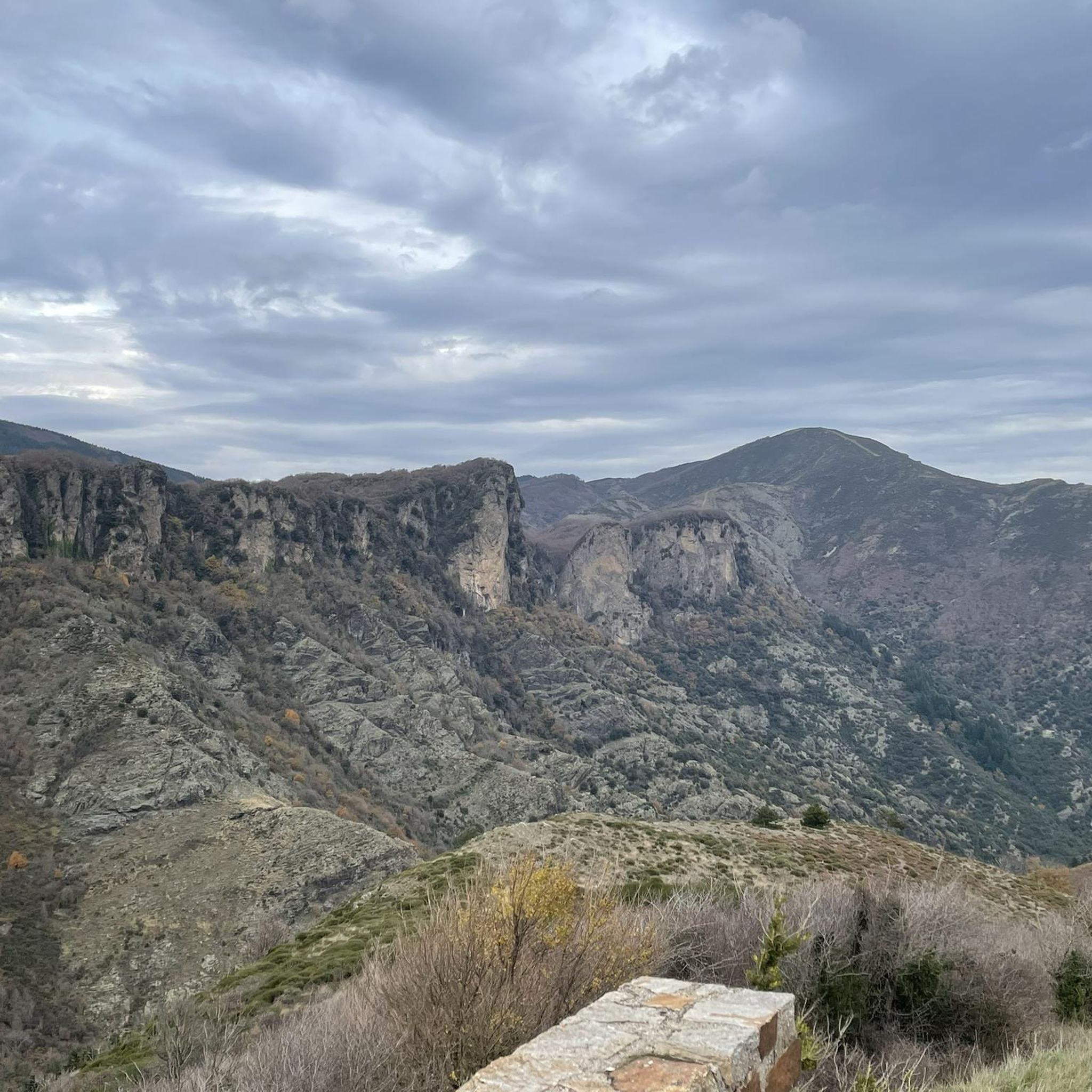
The cliffs of Orque (or Olque, depending on local toponyms) form a real rocky front overlooking the Haut-Languedoc: a limestone wall about 200 meters high, leaning against a plateau perched around 800 meters, north of the Caroux and Espinouse massifs.
3
0
The Col de la Croix de Mounis is one of those passes where you don't just cross a slope, but a true border between two valleys. Perched at an altitude of about 800 meters, in the heart of Haut-Languedoc, it connects the Mare valley to that of the Dourdou. For a long time, this pass was a strategic crossing point between Lacaune and Saint-Gervais-sur-Mare. Before modern roads, it was already part of a local circulation network, used by muleteers and stagecoaches, where villages, markets, and valleys were connected via routes dictated by the terrain. The current road still retains something of this logic: it doesn't cut through the mountain, it goes around it and "negotiates" it.
2
0
Frequently Asked Questions
What kind of terrain can I expect when road cycling in Saint-Geniès-De-Varensal?
Road cycling around Saint-Geniès-De-Varensal offers a diverse and challenging topography within the Haut-Languedoc Regional Natural Park. You'll encounter significant elevation changes, ranging from 358 meters to 1086 meters, with an average altitude of 1000 meters. This mountainous landscape provides numerous opportunities for climbs and descents, often through dramatic gorges and valleys like the Gorges d'Héric.
How many road cycling routes are available around Saint-Geniès-De-Varensal?
There are over 10 road cycling routes available around Saint-Geniès-De-Varensal, catering to various skill levels. The komoot community has explored these routes over 200 times, highlighting the area's popularity among cyclists.
Are there challenging road cycling routes in the area?
Yes, Saint-Geniès-De-Varensal is well-suited for challenging road cycling. Eight of the routes are classified as difficult, featuring significant elevation gains and demanding ascents. For example, the Avène, spa town – Layrac Pass loop from Le Pradal is a difficult 81.2 km route with over 1400 meters of elevation gain.
Are there any moderate road cycling options for less experienced riders?
While the region is known for its challenging terrain, there are also moderate options available. Two routes are classified as moderate, offering a less strenuous but still scenic experience. An example is the Bédarieux, on the banks of the Orb – Along the Orb loop from Combes, which covers 52 km with over 800 meters of elevation gain.
What natural features and viewpoints can I discover along the road cycling routes?
The region boasts stunning natural features and viewpoints. You can cycle towards prominent peaks like Mont Marcou, which offers exceptional panoramic views of the Lacaune Mountains, the Escandorgue, and even the Mediterranean Sea on clear days. Dramatic gorges such as the Gorges d'Héric and Gorges de Colombières also provide picturesque scenery. Don't miss the Orientation table at Mont Caroux for breathtaking vistas.
Are there any specific mountain passes worth cycling to for views?
Absolutely. The area is rich with mountain passes that offer rewarding climbs and spectacular views. Notable passes include L'Espinouse Pass (1,124 m), Col de la Croix de Mounis, and Layrac Pass. These passes are often incorporated into longer routes, providing both a physical challenge and stunning photographic opportunities.
When is the best time of year for road cycling in Saint-Geniès-De-Varensal?
The Haut-Languedoc Regional Natural Park, where Saint-Geniès-De-Varensal is located, is generally passable most of the year. However, for optimal conditions, spring and autumn offer pleasant temperatures. July and August can be very hot, which might make longer rides more challenging, especially given the significant elevation changes.
What do other road cyclists enjoy most about the routes in Saint-Geniès-De-Varensal?
The road cycling routes in Saint-Geniès-De-Varensal are highly rated by the komoot community, with an average score of 5.0 stars from over 10 reviews. Cyclists frequently praise the diverse and challenging mountainous terrain, the dramatic gorges, and the panoramic views from peaks like Mont Marcou. The well-preserved natural environments within the regional park are also a significant draw.
Are there any circular road cycling routes available?
Yes, many of the road cycling routes around Saint-Geniès-De-Varensal are designed as loops, allowing you to start and finish at the same point. Examples include the Fontfroide Pass – L'Espinouse Pass (1,124 m) loop from Col de la Croix de Mounis and the Falaises d'Orque – Col de la Croix de Mounis loop from Castanet-le-Haut, both offering extensive tours through the region's varied landscapes.
What are some interesting places to explore near the cycling routes?
Beyond the natural beauty, you can explore charming nearby villages and sites. Avène is known for its thermal waters and the large Lac des Monts d'Orb. Olargues, a listed 'most beautiful village in France,' also makes for an interesting stop. The region's rich geological makeup supports diverse flora, making every ride through this Natura 2000 site a vibrant experience.
Can I find long-distance road cycling routes in this area?
Yes, the region offers several long-distance road cycling routes. For instance, the Avène, spa town – Layrac Pass loop from Le Pradal is over 81 km long, and the In Graissessac – La Tour-sur-Orb Climb loop from Saint-Geniès-de-Varensal spans nearly 80 km, providing ample opportunity for extended rides through the mountainous terrain.
Most popular routes around Saint-Geniès-De-Varensal
Most popular attractions around Saint-Geniès-De-Varensal

Get inspired with the komoot mobile app


Explore more
Browse the best Road cycling routes in other regions.
