The best running trails around La Haie-Fouassière
4.4
(13)
610
runners
38
runs
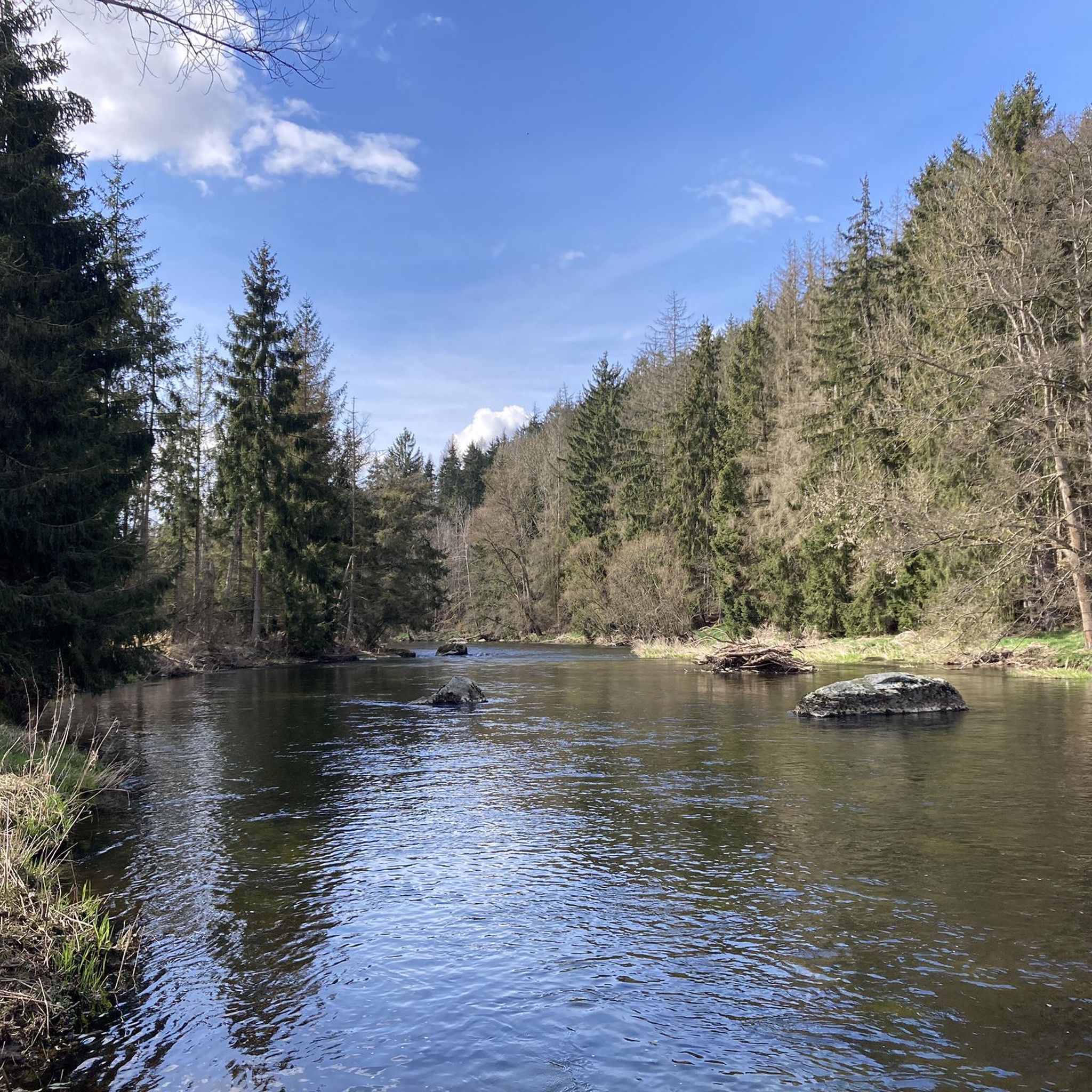
Jogging around La Haie-Fouassière offers diverse routes through the heart of the Nantes vineyards. The region is characterized by the meandering Sèvre Nantaise River, providing picturesque paths along its banks and through its valley. Runners can explore trails winding through expansive vineyards and wooded hillsides, with varied terrain and elevation changes. The area also features well-maintained green spaces and a network of marked trails suitable for different running preferences.
Best jogging routes around La Haie-Fouassière
- The most popular jogging route is Port of La Haie-Fouassière – Mur de Saint-Fiacre loop from La Haie-Fouassière, a 15.7 miles (25.2 km) trail that takes about 2 hours 58 minutes to complete. This route offers varied terrain along the Sèvre Nantaise and through vineyard landscapes.
- Another top favourite among local runners is Port of La Haie-Fouassière loop from La Haie-Fouassière, a moderate 5.6 miles (9.0 km) path. This route provides scenic views around the historic port and along the river.
- Local runners also love the Port Domino – Lovely stretch along the Sanguèze loop from La Haie-Fouassière, a 14.5 miles (23.4 km) trail leading through the Sèvre Nantaise valley, often completed in about 2 hours 37 minutes.
- Jogging around La Haie-Fouassière is defined by the Sèvre Nantaise River, extensive vineyards, and wooded hillsides. The network of routes offers options for easy, moderate, and difficult runs.
- The routes in La Haie-Fouassière are highly rated by the komoot community with an average score of 3.7 stars from over 10 reviews. More than 500 runners have used komoot to explore La Haie-Fouassière's varied terrain.
Last updated: July 8, 2026
212
runners
Hard run. Very good fitness required. Mostly paved surfaces. Suitable for all skill levels.
5.0
(4)
31
runners
8.96km
01:01
90m
90m
Moderate run. Good fitness required. Mostly paved surfaces. Suitable for all skill levels.

Sign up for free
22
runners
14.1km
01:39
110m
110m
Moderate run. Good fitness required. Mostly paved surfaces. Suitable for all skill levels.
22
runners
22.5km
02:32
210m
210m
Hard run. Very good fitness required. Mostly paved surfaces. Suitable for all skill levels.
5.0
(2)
17
runners
9.98km
01:06
80m
80m
Moderate run. Good fitness required. Mostly paved surfaces. Suitable for all skill levels.
Get access to more routes and recommendations from other explorers.
Sign up for free
Already have an account?
Our route recommendations are based on thousands of hikes, rides, and runs completed by other people on komoot.
Start today with a free account
Your next adventure awaits.
Login or Signup
Tips from the Community

The modest Chapel of Saint Anne is the last vestige of the parish church of Saint Vincent. In the second half of the 11th century, the Chapel of Saint Anne was built. It adjoins the southern flank of a pre-existing castle chapel, probably contemporary with the keep, which dates from the late 10th or early 11th century. At an undetermined date, the two chapels were extended westward and became the chevet of the parish church of Saint Vincent. This extension was completed before 1646, the date at which a drawing by L. Doomer, preserved at the Dobrée Museum in Nantes, shows the complete building. In 1683, Archdeacon Binet described the dilapidated Church of Saint Vincent and the choir on the verge of ruin. No one dared touch it because it belonged to the lord of La Galissonnière and Le Pallet. We can therefore assume that the nave itself belongs to the parish, which is responsible for its upkeep. The choir, a former castle chapel, disappeared during the Revolution. The old church was razed in 1853, and only the Sainte-Anne chapel was spared thanks to the intervention of Prosper Mérimée. A new church was built on a new site in the village, reusing the stones from the old building. In addition to its dilapidated condition, the old church had the disadvantage of being located far from the village. The chapel was listed as a historical monument in 1941 (decree of August 9). It was restored in 1957. NOTE: THE CHURCH HAS BEEN CLOSED SINCE JULY 23, 2018, FOR INDEFINITE WORK.
1
0
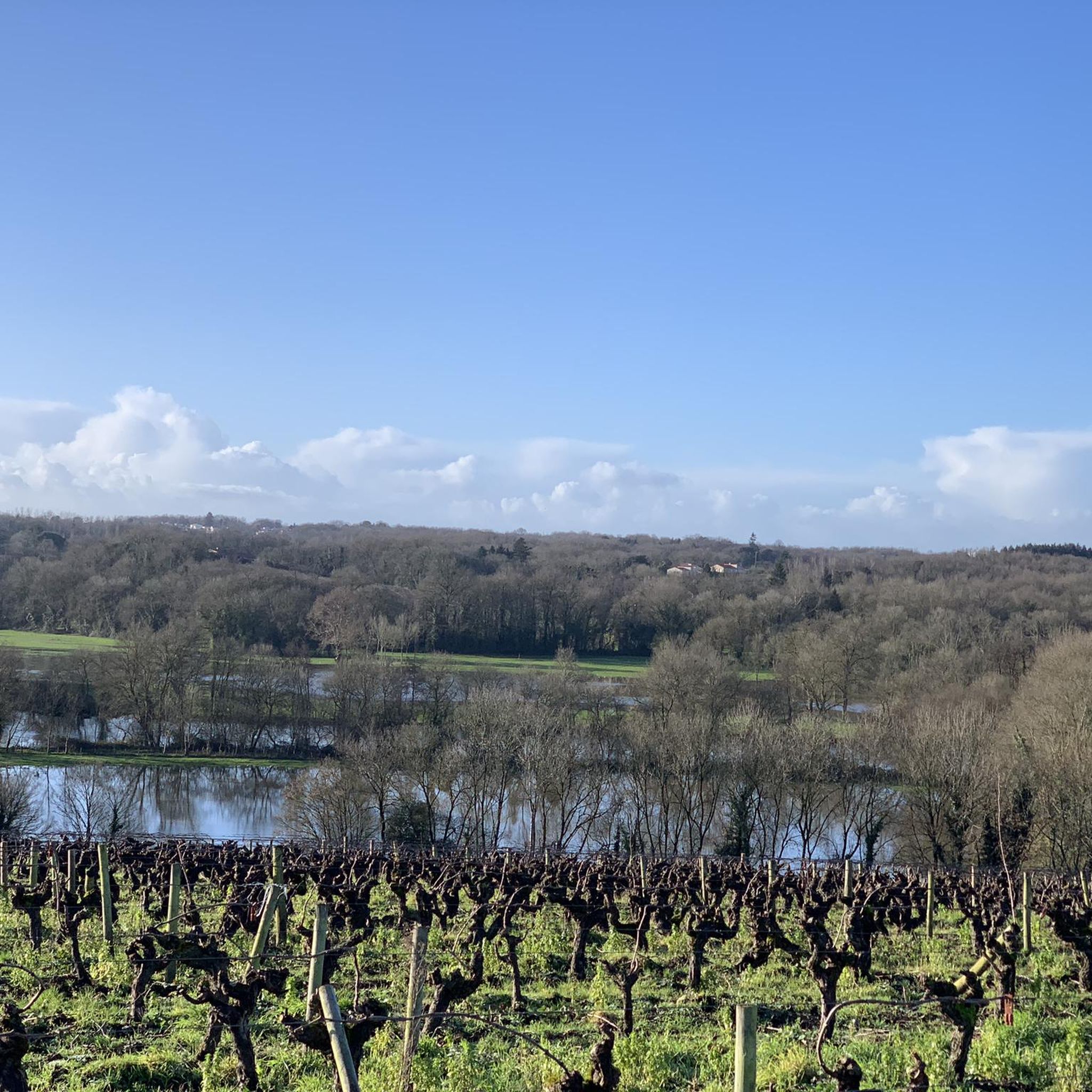
The flower-filled hamlet of Pé de Sèvre, with its 17 exterior staircases, is a typical winegrowing village. The old stone houses are all built according to the same model: the ground floor is used for storing wine, and the upper floor is for living.
1
0


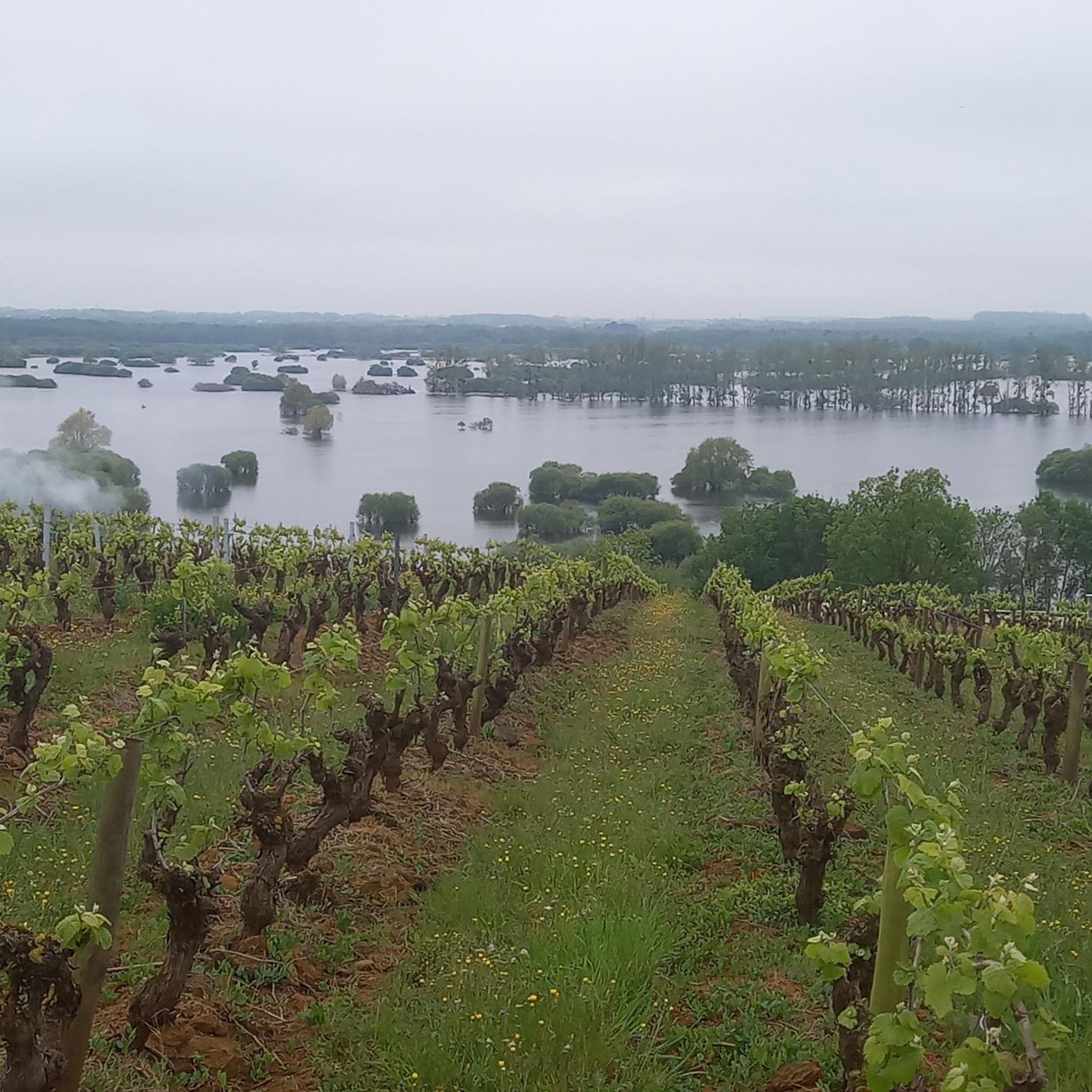
On this natural site you will find equipment such as hiking canoes, picnic tables, etc. You can also fish in fresh water.
0
0
Surely the oldest mill in the Clisson valley, it has been a cloth, fulling and flour mill for more than 600 years. Rebuilt in 1949 following its destruction by fire, it ceased its activity, but kept its mechanism intact. Today, the mill welcomes young people from the leisure center, as well as the Pallet game library. On the occasion of special events, such as heritage days, the mill can open its doors to discover its history. https://www.levignobledenantes-tourisme.com/patrimoine-culturel/le-moulin-de-gervaux/
0
0

Behind the chapel are the ruins of the dungeon where Héloïse and Abélard once lived.
3
0
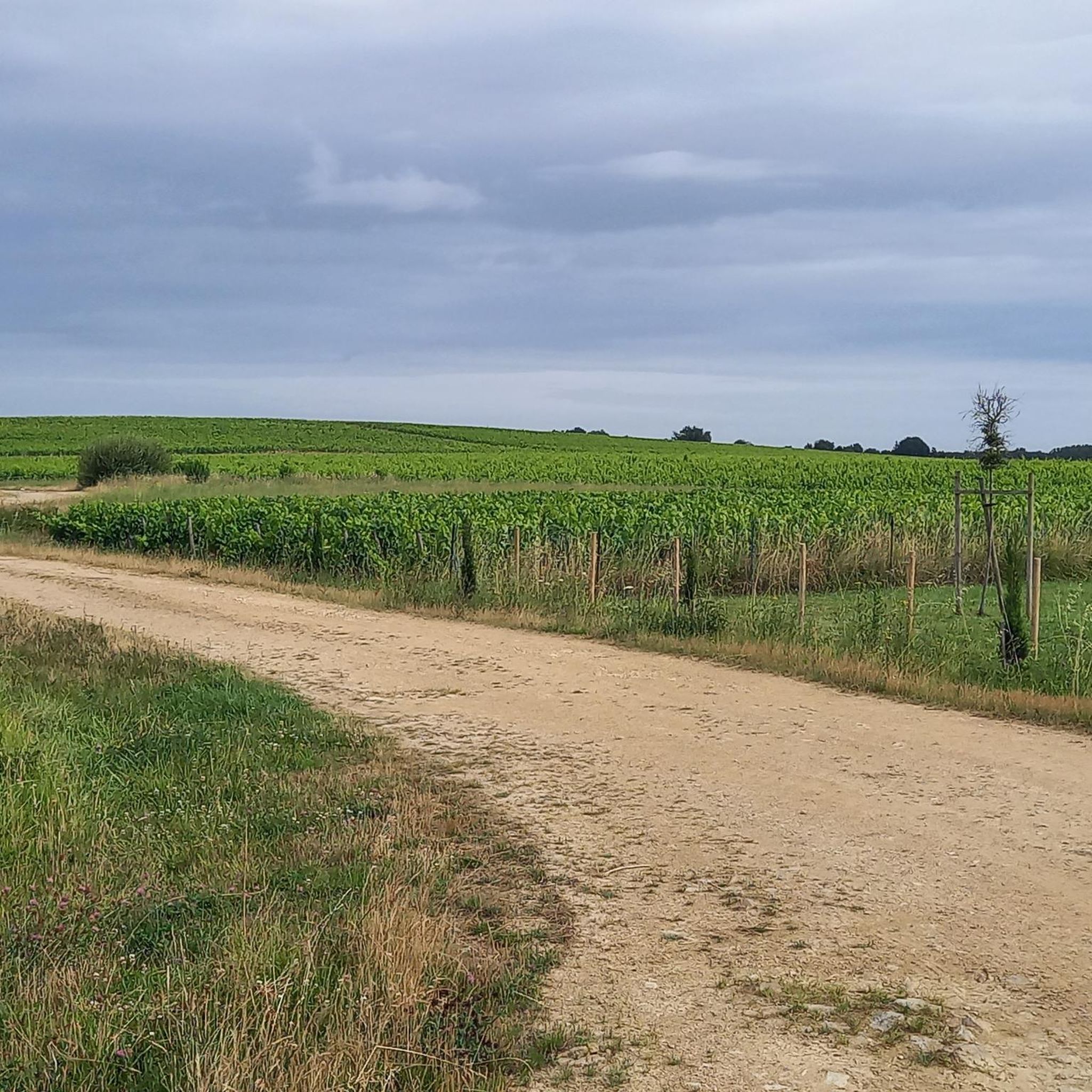
Not very long, but very enjoyable. A welcome little moment of freshness after cooking on the local vineyard paths in summer.
2
0
Former sawmill on the banks of the Sanguèze, a tributary of the Sèvre. Apparently a place of habitation nowadays.
2
1
Frequently Asked Questions
How many running routes are available around La Haie-Fouassière?
There are over 30 running routes around La Haie-Fouassière, offering a diverse range of experiences. These include paths along the Sèvre Nantaise River, through expansive vineyards, and across wooded hillsides.
Are there running routes for all skill levels in La Haie-Fouassière?
Yes, La Haie-Fouassière offers a variety of running routes suitable for different skill levels. You'll find 4 easy routes, 22 moderate routes, and 6 more challenging trails, ensuring options for beginners and experienced runners alike.
What natural features can I expect to see while jogging in La Haie-Fouassière?
Jogging in La Haie-Fouassière immerses you in the beautiful natural landscape of the Nantes vineyards. You'll primarily encounter the meandering Sèvre Nantaise River and its valley, extensive vineyards, and wooded hillsides. The area also boasts well-maintained green spaces and gardens, such as the Gardens of Los Corrales.
Are there any historical landmarks or points of interest along the running trails?
Yes, several routes pass by interesting landmarks. You can explore trails near the historic La Frémoire Castle or the Picauderie Castle. The Picture frame by Emmanuel Ritz also offers a scenic viewpoint.
What do other runners enjoy most about jogging in La Haie-Fouassière?
The running routes in La Haie-Fouassière are highly rated by the komoot community, with an average score of 3.7 stars from over 10 reviews. Runners often praise the picturesque views along the Sèvre Nantaise River, the unique experience of running through vineyards, and the varied terrain that keeps routes interesting.
Are there any circular running routes available?
Yes, many of the running routes around La Haie-Fouassière are circular, allowing you to start and finish at the same point. Examples include the popular Port of La Haie-Fouassière loop from La Haie-Fouassière, which offers scenic views around the historic port.
Are the running trails in La Haie-Fouassière suitable for families?
While specific 'family-friendly' routes are not explicitly categorized, many of the easier and moderate trails, especially those along the Sèvre Nantaise or through green spaces, can be suitable for families. The Port of La Haie-Fouassière area, for instance, has picnic areas and a playground, making it a good starting point for shorter, relaxed runs.
Can I bring my dog on the running trails?
Generally, dogs are welcome on many outdoor trails in France, especially if kept on a leash. However, it's always advisable to check local signage or specific route details for any restrictions, particularly in nature reserves or private vineyard areas. Ensure your dog is well-behaved and that you clean up after them.
Where can I find parking near the running routes?
The Port of La Haie-Fouassière is a common starting point for many routes and typically offers parking facilities. Other routes may have designated parking areas at trailheads or in nearby villages. It's recommended to check the route details on komoot for specific parking information before you go.
What is the best time of year to go jogging in La Haie-Fouassière?
The spring and autumn months generally offer the most pleasant conditions for jogging in La Haie-Fouassière, with mild temperatures and beautiful scenery as the vineyards change color. Summer can be warm, so early morning or late evening runs are preferable. Winter runs are also possible, though some paths might be muddy after rain.
Are there any routes that offer views of the Sèvre Nantaise River?
Absolutely! The Sèvre Nantaise River is a central feature of the region, and many running routes trace its banks or offer panoramic views of its valley. The Port of La Haie-Fouassière – Mur de Saint-Fiacre loop from La Haie-Fouassière is a great example, offering varied terrain along the river and through vineyard landscapes.
Can I combine my run with exploring the local vineyards?
Yes, many trails wind directly through the vineyards of Nantes, allowing you to immerse yourself in the region's viticultural heritage while you run. This provides a unique backdrop and often includes gentle slopes. You can find more information about the region's vineyards at Visit Nantes Vineyard.
Most popular routes around La Haie-Fouassière
Most popular attractions around La Haie-Fouassière

Get inspired with the komoot mobile app


Explore more
Browse the best Running Trails & Routes in other regions.
