The 20 Most Amazing Peaks around Linthal
Best mountain peaks around Linthal offer a diverse range of experiences for outdoor enthusiasts. This region features prominent summits and natural formations, providing varied terrain for exploration. The area is characterized by its mountainous landscape, making it a notable destination for those seeking elevated views and challenging routes.
Best mountain peaks around Linthal
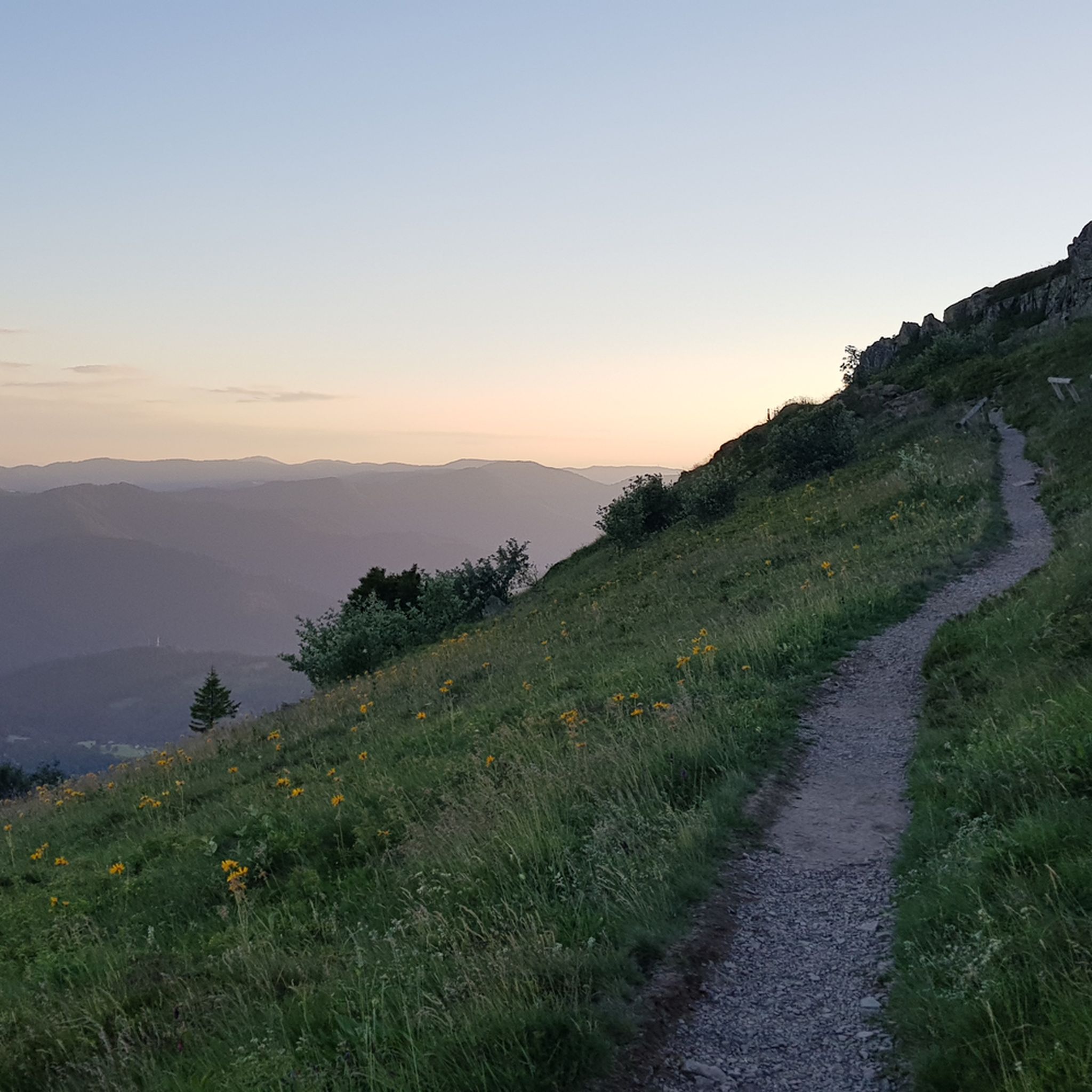
- The most popular mountain peaks is Hohneck, a summit that offers a view from the second highest peak in the Vosges Mountains. It is also the…
Last updated: October 23, 2026
Hohneck
Highlight • Summit
Translated by Google •
Tip by

Ferme Auberge du Frankenthal
Highlight • Summit
See also: frankenthal.pagesperso-orange.fr/de_accueil.html
Translated by Google •
Tip by

Sign up now to discover places like this
Get recommendations on the best single tracks, peaks, & plenty of other exciting outdoor places.
Grand Ballon
Highlight • Summit
Translated by Google •
Tip by

Grand Ballon
Highlight • Summit
Translated by Google •
Tip by

Petit Ballon
Highlight • Summit
Translated by Google •
Tip by

Sign up for free to discover even more peaks around Linthal.
Already have an account?
Start today with a free account
Your next adventure awaits.
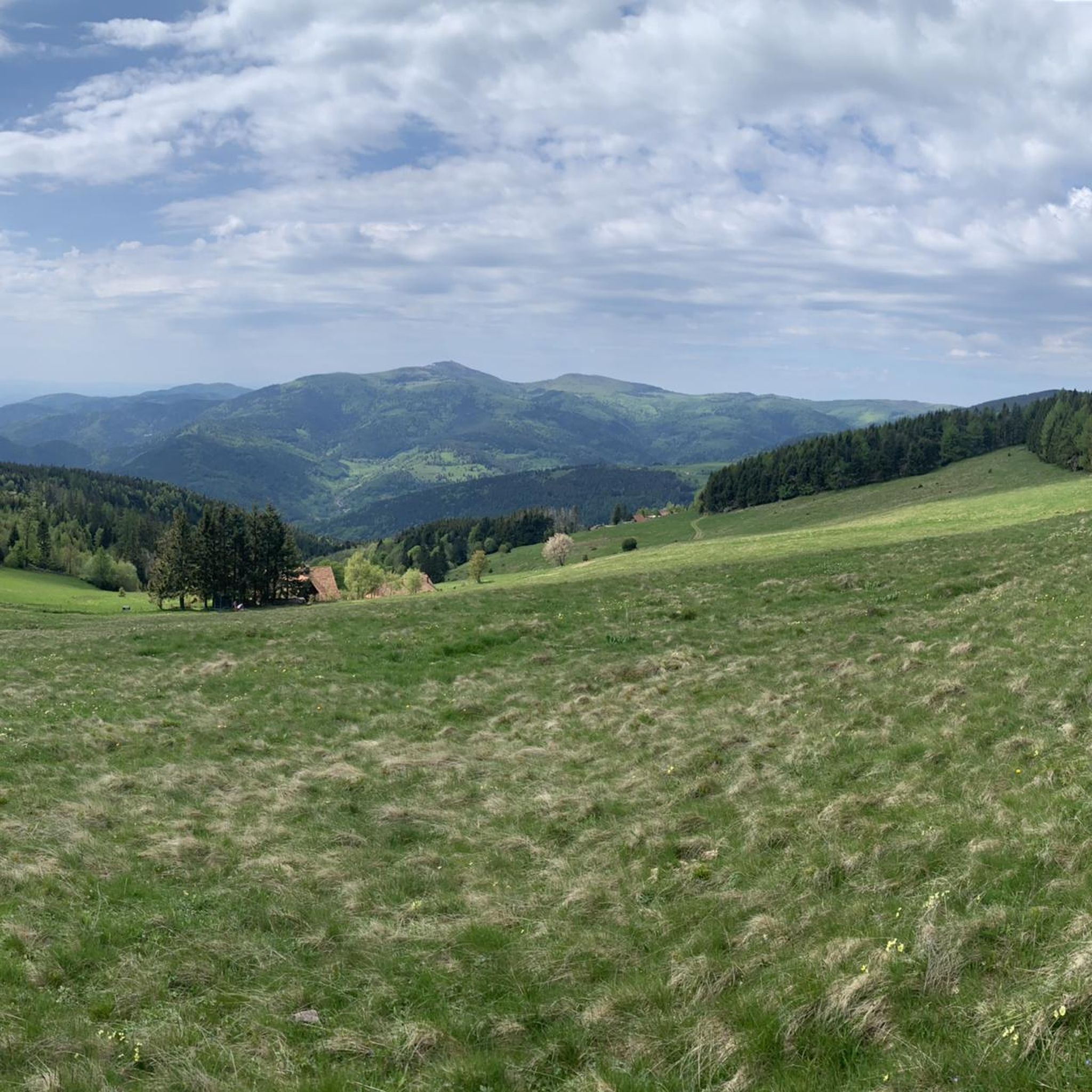
Tips from the Community

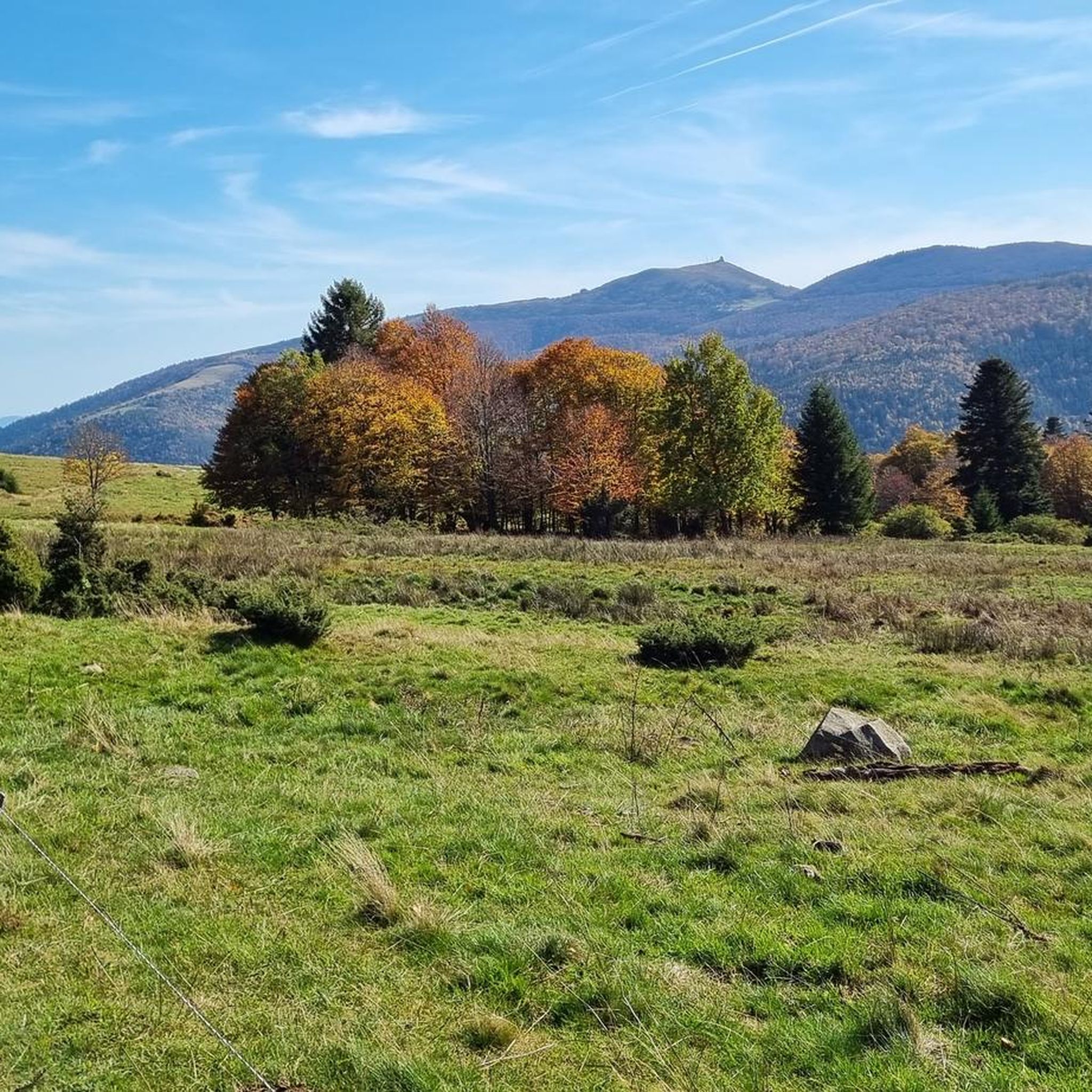
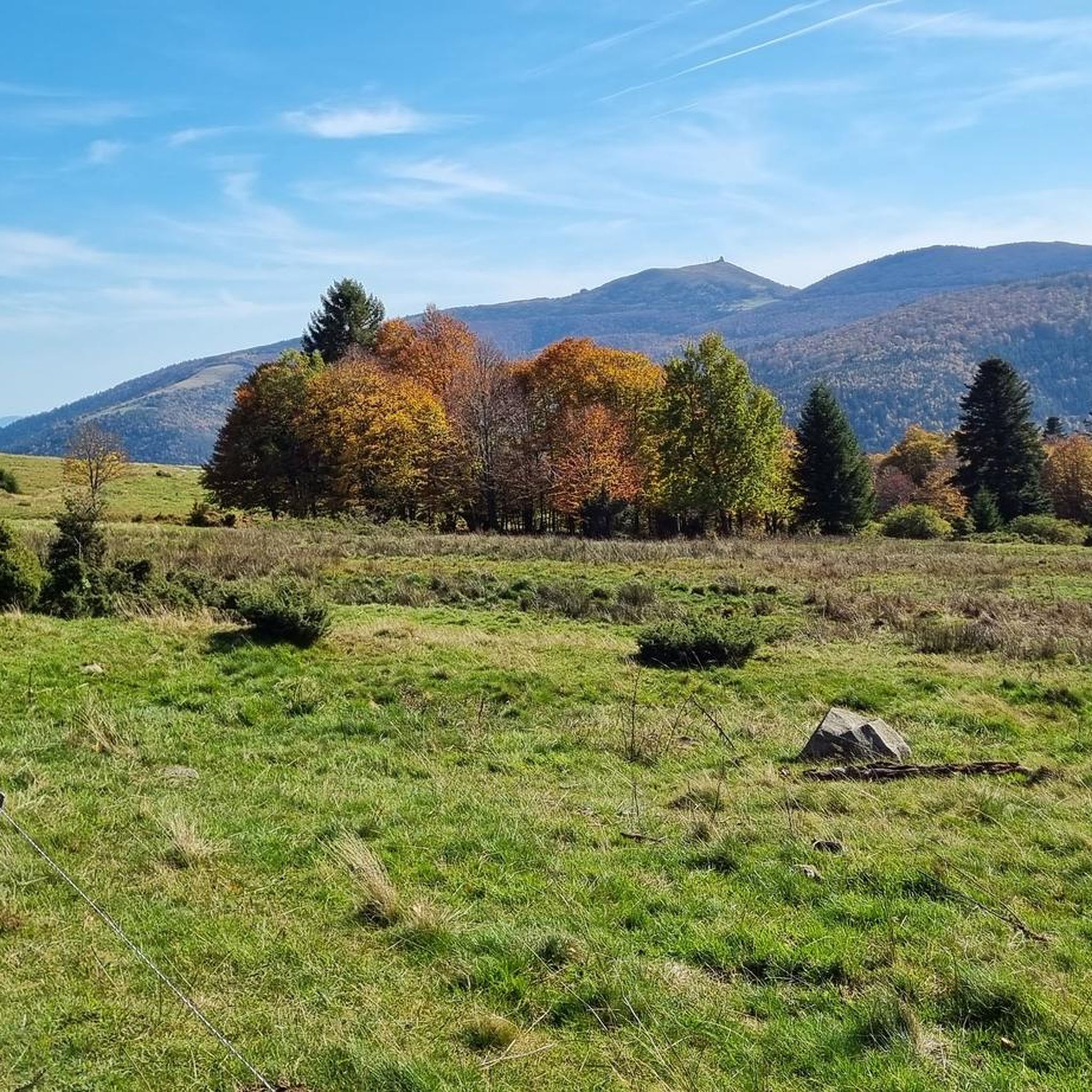
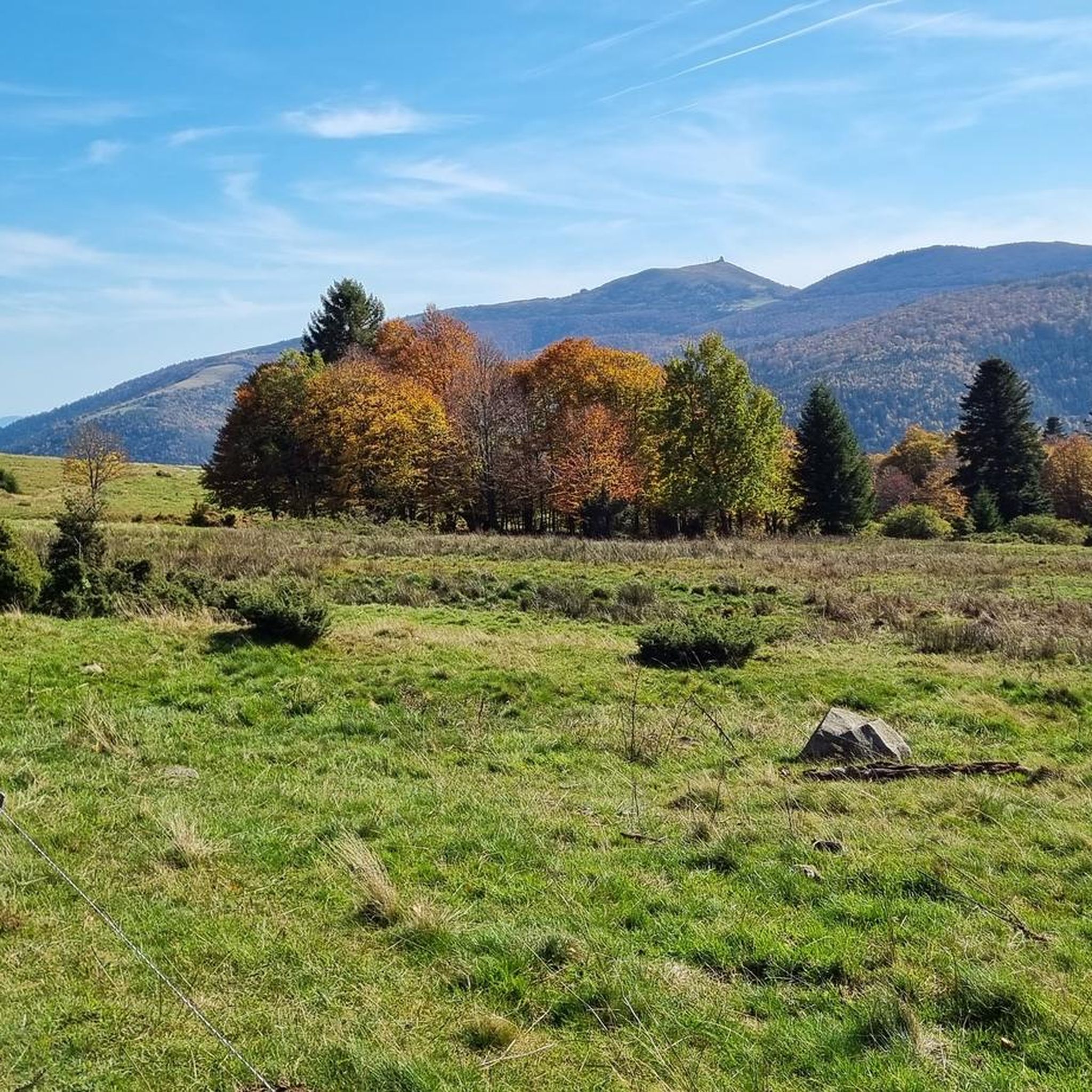
Magnificent views of the valleys and the opposite mountain ranges of the Vosges and fantastic vistas across the Rhine plain to the Black Forest and, in good weather, even to the snow-capped peaks of the Alps!
5
0

Belongs on every bucket list. In good weather with extraordinary visibility.
5
0

There are now quite a few stickers on the sign. Good parking in the immediate vicinity (1km) to the summit.
6
1

Beautiful pass crossing with wonderful views over the Rhine plain to the Black Forest and, if the weather is clear, to the Alps
4
0

Petit Ballon, together with the Grand Ballon, Ballon d'Alsace, the Badisches Belchen + Schweizer Belchen, these mountains form the so-called "Belchen System".
7
1

Always a delight to go there and special mention for the small inn just below which offers ultra attractive prices!
6
0

Highest point of the Vosges massif, inevitably unavoidable. Nice roads but very busy.
4
0

A great historic monument.
7
1
Frequently Asked Questions
What are some of the most impressive mountain peaks around Linthal?
Linthal is a gateway to several majestic peaks in the Glarus Alps. Some of the most impressive include Tödi, the highest in the Glarus Alps with its glacier-covered silhouette; Ortstock, offering panoramic views over Braunwald and the Linthal Valley; and Clariden, known for its significant glaciers and alpine flowers. Other notable peaks are Hausstock, Kärpf, Bifertenstock, and Selbsanft, each offering unique features and experiences.
Are there challenging alpine ascents for experienced mountaineers in Linthal?
Yes, for experienced mountaineers, peaks like Tödi (3,614 meters) offer demanding high-altitude tours involving glacier crossings and technical sections. Bifertenstock (3,419 meters) and Hausstock (3,158 meters) also appeal to those seeking challenging alpine experiences, often requiring proper equipment like ice axes and crampons. These ascents frequently involve overnight stays at mountain huts like the Fridolinshütte.
Can I experience glaciers on the mountain peaks near Linthal?
Absolutely. Several peaks in the region feature glaciers. Tödi is famously glacier-covered, and Clariden is notable for its large glaciers and firn, particularly the Claridenfirn. Bifertenstock also has glaciers on both sides, and Selbsanft features a small glacier on its eastern side. These areas provide accessible opportunities to witness stunning glacier landscapes.
Where can I observe wildlife near Linthal's mountain peaks?
The area around Kärpf, also known as Chärpf, is part of the Freiberg Kärpf, Europe's oldest wildlife sanctuary. This offers a unique opportunity to experience untouched nature and potentially observe various wildlife species in their natural habitat.
What geological features can be found on the mountain peaks in Linthal?
The Hausstock mountain is part of the UNESCO World Heritage Site Tectonic Arena Sardona, showcasing globally significant rock displacement layers and tectonic structures. The Glarus thrust, a major fault, is clearly visible on the mountain. The region around Ortstock is also known for its karst formations and primitive rock landscapes.
Are there any mountain peaks with historical significance near Linthal?
Yes, Hausstock holds historical significance as it was part of the 1799 withdrawal route of the Russian army under General Alexander Suvorov, adding a layer of historical intrigue to its natural beauty.
What kind of hiking trails are available around Linthal's mountain peaks?
The region offers a diverse range of hiking trails. You can find moderate to hard routes to peaks like Ortstock, which may involve steep slopes and sections with chains. The Kärpf Trek is a multi-stage circular hike through a wildlife sanctuary, covering about 35 kilometers with significant ascents. For more options, you can explore various hiking routes around Linthal, including those leading to mountain summits.
What is the best time of year to visit the mountain peaks around Linthal?
The best time to visit depends on your activity. For hiking and alpine flower viewing, mid-June to early August is ideal, especially around the Clariden region. For more challenging alpine ascents involving glaciers, late summer can be favorable. Winter offers opportunities for experienced skiers and winter hikers on peaks like Hausstock, but requires specific equipment and conditions.
Are there family-friendly mountain peaks or areas to explore near Linthal?
While many peaks offer challenging ascents, areas like the Kärpf Trek provide opportunities for multi-stage hikes through a sanctuary, which can be adapted for families depending on their experience. The region around Clariden also offers accessible opportunities to experience glacier landscapes, which can be a fascinating day trip for families.
What are some popular viewpoints near Linthal's mountain peaks?
From the summit of Ortstock, you can enjoy stunning 360-degree views encompassing the Glattalpsee and the Klausen Pass. Points along the Kärpf Trek, such as the Schönaufurggeli, offer views towards Linthal and Glärnisch. The upper Linth Valley provides striking views of Selbsanft with Tödi in the background.
What do visitors enjoy most about the mountain peaks around Linthal?
Visitors frequently appreciate the diverse range of experiences, from challenging alpine ascents to scenic hikes with panoramic views. The natural beauty, including glacier landscapes, rugged rock formations, and alpine flowers, is a major draw. The historical and geological significance of peaks like Hausstock, and the opportunity for wildlife observation in areas like the Freiberg Kärpf, also contribute to a rich outdoor experience.
Can I find routes for running near the mountain peaks in Linthal?
Yes, there are several running trails available. For example, you can find routes like the 'Lac de la Lauch — loop — running from Linthal' or the 'Petit Ballon Summit loop from Linthal'. For more options, check out the running trails guide around Linthal.
Most popular routes around Linthal
Most popular attractions around Linthal

Get inspired with the komoot mobile app


Explore more
See even more amazing summits around Linthal with these guides:
