Attractions and Places To See around Bennweier - Top 20
Attractions and places to see around Bennweier include a charming wine-growing commune in the Grand Est region of northeastern France, within the Alsace area. The village itself features historical sites like the Monument of Fidelity and a 16th-Century Well. Bennweier also serves as a base for exploring numerous picturesque villages, towns, and vineyards in its immediate vicinity, particularly Colmar. The region offers a mix of cultural heritage and natural landscapes, with many hiking trails through the surrounding vineyards.
Best attractions…
Last updated: May 9, 2026
Saint-Ulrich Castle
Highlight • Castle
Translated by Google •
Tip by

Riquewihr
Highlight • Settlement
Translated by Google •
Tip by

Sign up now to discover places like this
Get recommendations on the best single tracks, peaks, & plenty of other exciting outdoor places.
Sign up for free
Ribeauvillé
Highlight • Settlement
Translated by Google •
Tip by

Girsberg Castle
Highlight • Castle
Translated by Google •
Tip by

Saint Martin's Collegiate Church, Colmar
Highlight • Religious Site
Translated by Google •
Tip by

Sign up for free to discover even more attractions around Bennweier.
Sign up for free
Already have an account?
Start today with a free account
Your next adventure awaits.
Login or Signup


Tips from the Community

Saunt Ulric Castle is the largest of the three ruins. It is currently undergoing partial renovation. A small section is cordoned off, and caution is advised in other areas. However, the keep is accessible.
6
0
A charming Alsatian village with approximately 4,700 inhabitants. The old town is well worth seeing with its colorful houses. Ribeauvillé is also very popular because of the hike to its three castle ruins that overlook the town.
9
0
After the French Revolution, it briefly served as the cathedral of a diocese and is sometimes still referred to as Cathédrale Saint-Martin. Today it serves as a parish church.
10
2

Ulrichsburg is the most impressive and best-preserved of the three castles. It was built on the rocky promontory around the mid-13th century. Until the 15th century, it was the residence of the Rappoltstein family and therefore has little military significance. Remains still visible today include: - the square keep and the main building (12th century), - the knights' hall and the large residential tower (13th century), - the barbican in front of the entrance and the outer wall (14th century), - the Chapel of Saint Ulrich (15th century). Girsberg Castle, built around 1250 opposite Ulrichsburg, was intended to strengthen its defenses.
6
0

THE COLLEGIATE CHURCH OF SAINT-MARTIN, Colmar The collegiate church of Saint-Martin, built from 1235 and completed at the end of the 14th century, impresses with its cathedral-like dimensions. Its austere west façade is adorned with mighty buttresses; of the two towers originally planned, only the southern one was completed. The transept was finished in 1263, the nave in 1300 and the current choir only around 1400. When you enter, you are overwhelmed by the wonderful clarity, unity and harmonious layout of the rooms. Text / Source: Tourist Office of Colmar and its Region, Place Unterlinden, 68000 COLMAR - FRANCE https://www.tourisme-colmar.com/de/entdecken
21
6

Built between 1235 and 1365 the Saint Martin’s collegiate church is an important example of Gothic architecture in Alsace. Because of a fire in the south tower in 1572 the framework and all the roofs were destroyed. The tower was replaced three years later by the original lantern bulb (a construction on the top of the dome which has the form of a lantern) which gives the Church its characteristic silhouette. The church has been restored several times. In 1982 during the most recent restoration, foundations of a church from the year 1000 and traces of extensions from the 11th and the 12th centuries were found.
11
3

Among the four ruins that dominate Ribeauvillé, Saint Ulrich seems undoubtedly one of the most fascinating castle complexes in the Haute- Alsace. It used to control the strategic road that connected the Alsace plain with the upper Lièpvre valley. Witness to the power of the lords of Ribeaupierre, it was their main residence until its final abandonment in the 16th century. It has different architectural styles: Romanesque parts are combined with Gothic and even Renaissance elements. Not far away, Girsberg Castle was built in the 13th century to house a new branch of the Ribeaupierre family: the house is still clearly visible there. Haut-Ribeaupierre was certainly built during the troubled period of the Great Interregnum, around the middle of the 13th century. on the site of a first castle, probably from the 10th century: it will serve as an advance post during the planned invasion of Alsace by the King of France, and then as a watchtower intended to prevent forest fires. The entire building is dominated by an imposing circular keep that offers beautiful views of the Alsace plain and the adjacent mountain ridges. A fourth castle was recently discovered under Saint Ulrich. Source: https://www.chateauxfortsalsace.com/fr/chateau/le-chateau-du-girsberg/
5
0

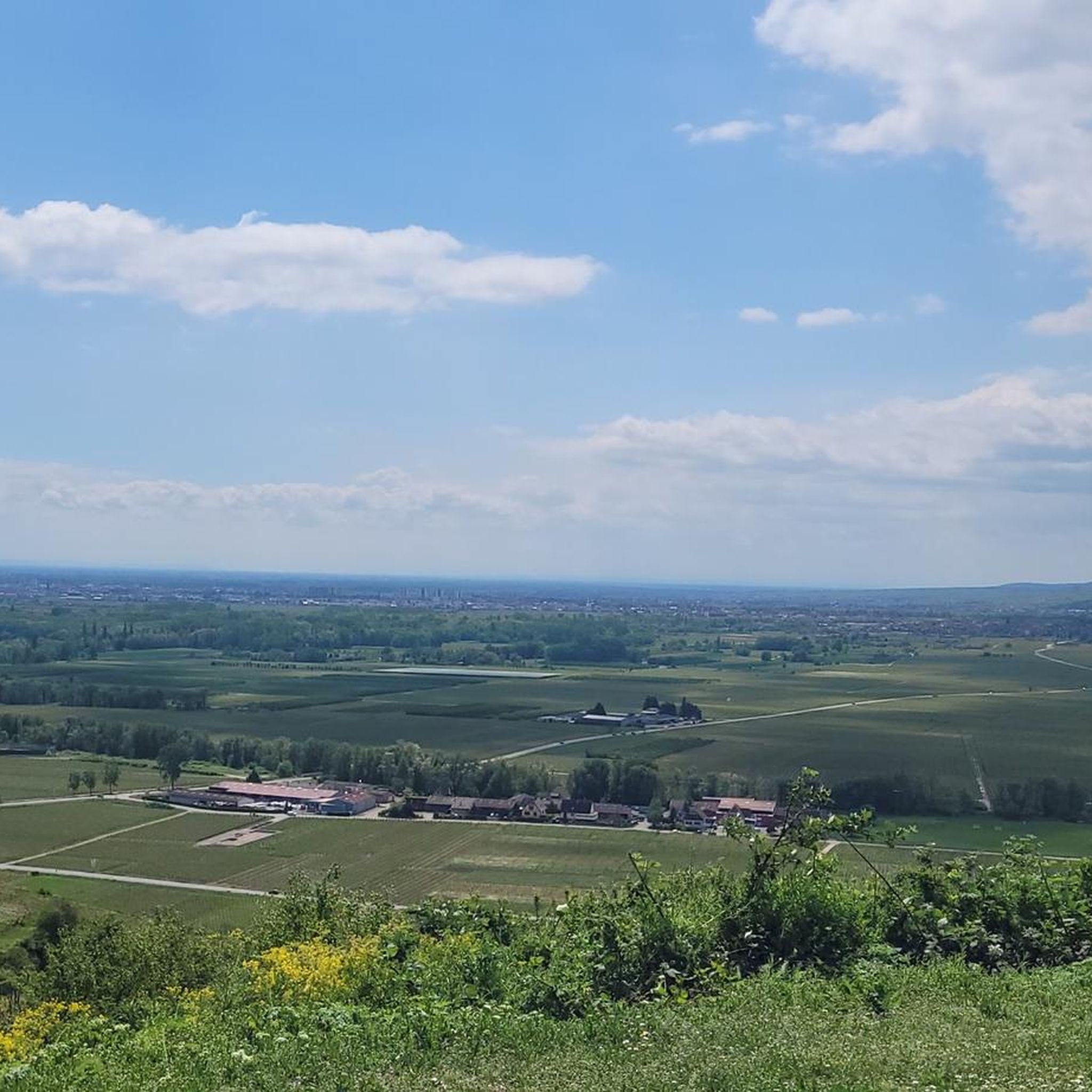
Beautiful castle ruins, the view of the vineyards and the Rhine plain is gigantic. The climb is very varied, but not without its challenges! There are a few short rocky passages that can be slippery, especially when wet, and may need to be managed with the help of your hands. Good footwear is definitely recommended.
8
1
Frequently Asked Questions
What are the best historical sites to visit in and around Bennwihr?
Bennwihr itself offers historical sites such as the Monument of Fidelity and a 16th-Century Well, which are among the few structures that survived World War II. Nearby, you can explore the well-preserved medieval village of Riquewihr, known for its 16th-century cityscape. The town of Ribeauvillé features half-timbered houses and historic buildings, along with three castles perched above it, including the impressive Saint-Ulrich Castle. In Colmar, the Saint Martin's Collegiate Church is a significant work of Gothic architecture.
Are there family-friendly attractions near Bennwihr?
Yes, several attractions cater to families. The medieval villages of Riquewihr and Ribeauvillé are both marked as family-friendly, offering charming streets and historical exploration. In Colmar, the Musée du Jouet (Toy Museum) provides a playful journey through toy history. A unique experience for families is La Montagne des Singes (Monkey Mountain), where Barbary macaques roam freely in a forest setting.
What kind of hiking trails can I find around Bennwihr?
The area around Bennwihr, particularly its surrounding vineyards, offers numerous hiking trails. You can find a variety of routes, from easy loops like the 'Hiking loop from Mittelwihr' (5.7 km) to moderate options such as the 'Constantine Fountain – Historic stone bridge loop from Sigolsheim' (10.1 km). For more detailed information and routes, visit the Hiking around Bennwihr guide.
What cycling opportunities are available near Bennwihr?
Bennwihr is an excellent base for cycling, with routes catering to various skill levels. You can enjoy easy rides like the 'Colmar Old Town – Magnificent Colmar loop from Bennwihr' (24.1 km) or more challenging routes such as the 'Riquewihr – Ribeauvillé loop from Mittelwihr' (63.4 km). For gravel biking, options range from moderate to difficult, including routes around Kaysersberg. Explore more cycling routes in the Cycling around Bennwihr guide and the Gravel biking around Bennwihr guide.
Where can I find the best viewpoints in the Bennwihr area?
Many of the castles and elevated villages offer fantastic panoramic views. Saint-Ulrich Castle, for instance, provides extensive ruins to explore and sweeping views of the plain and Ribeauvillé. Similarly, Girsberg Castle, a picturesque ruin near Ribeauvillé, sits on a hill offering breathtaking views of the surrounding Alsace vineyards and valleys.
What natural features or landscapes can I explore around Bennwihr?
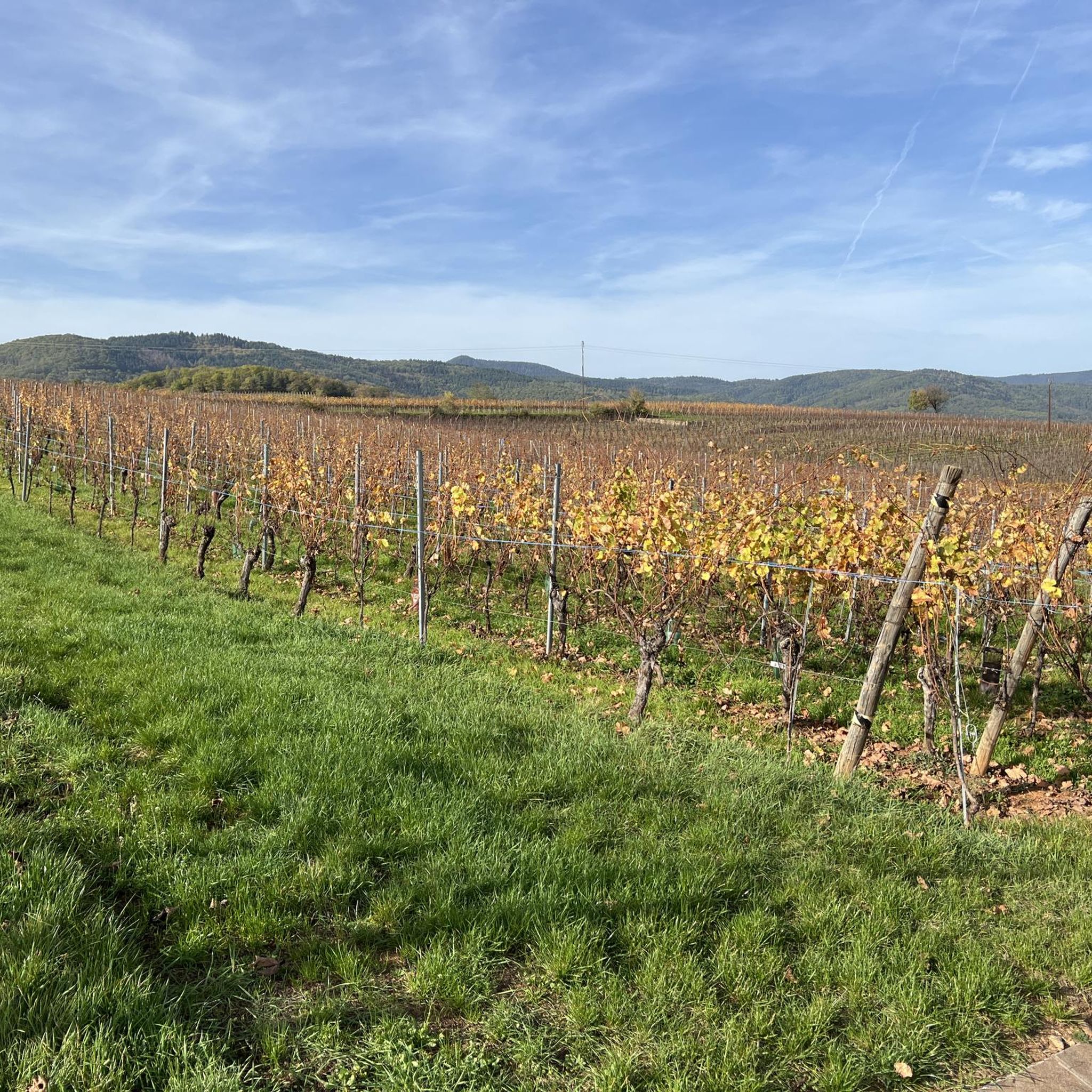
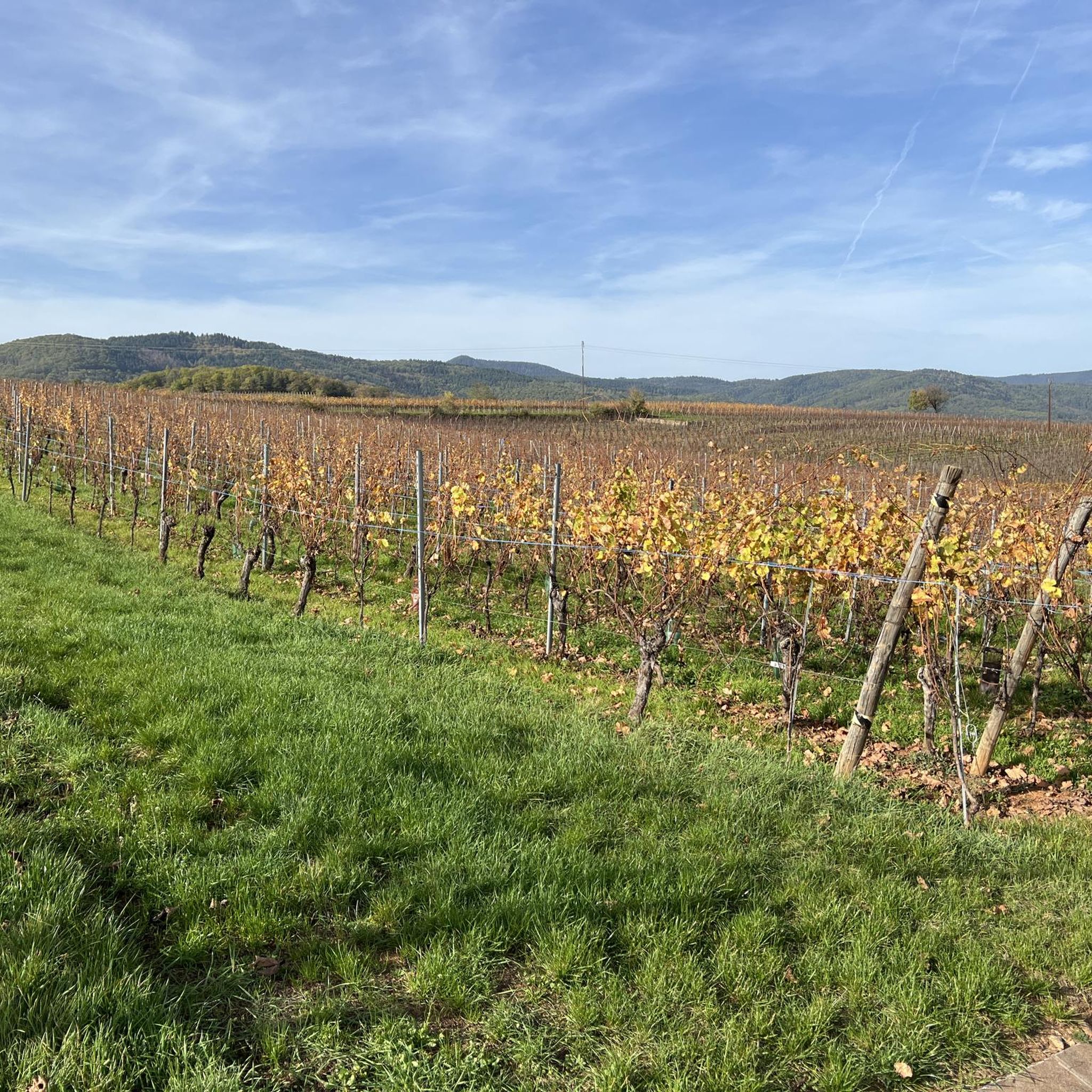
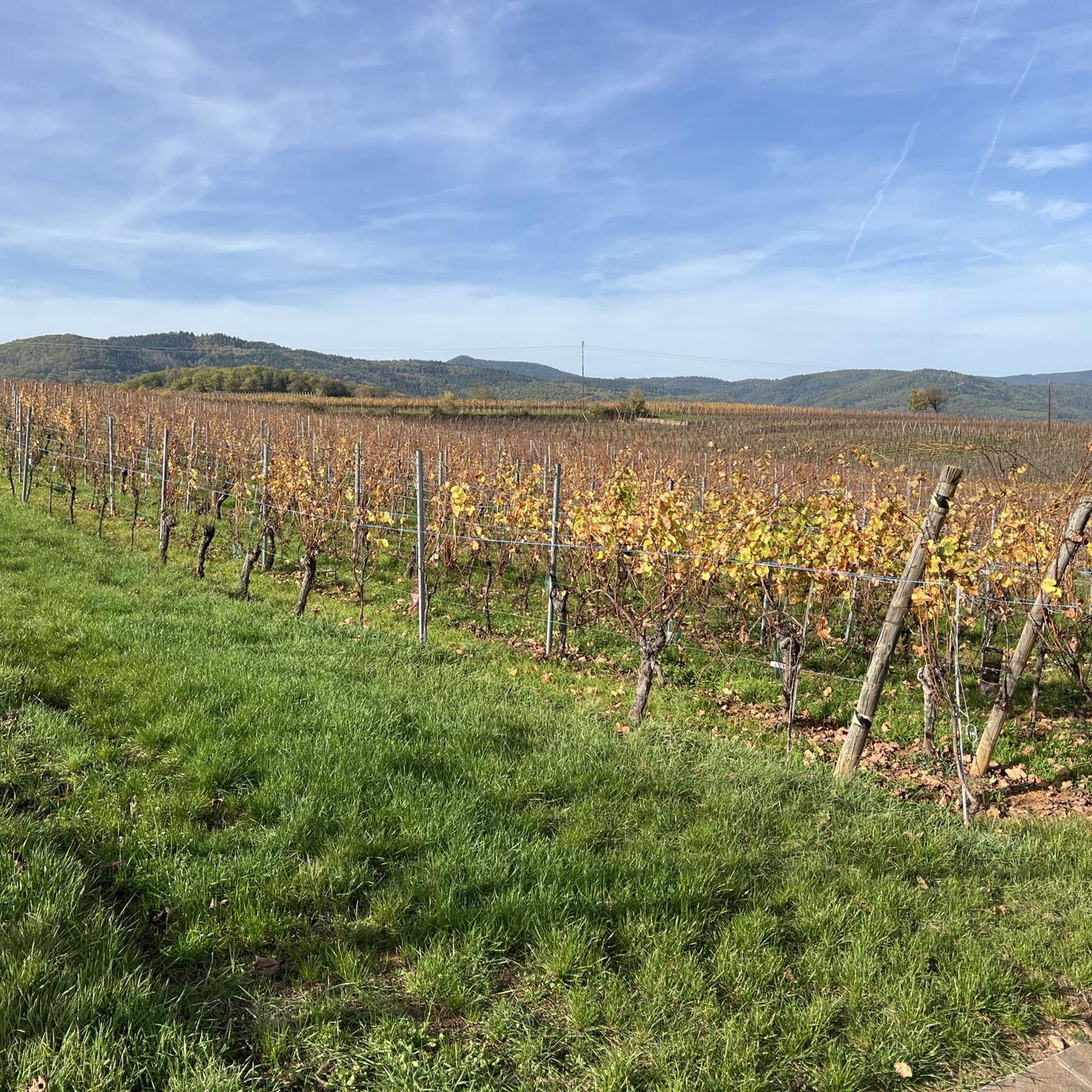
Bennwihr is surrounded by extensive vineyards, which constitute half of its agricultural land, offering scenic landscapes for exploration. The region is part of the Alsace Wine Route, characterized by rolling hills, picturesque villages, and lush forests. You can also find natural beauty along the hiking and cycling trails that wind through these vineyards and local flora.
What is Colmar like, and what can I see there?
Colmar, located approximately 7 km from Bennwihr, is a celebrated town known for its picturesque beauty. Its iconic 'La Petite Venise' (Little Venice) area features colorful half-timbered houses and canals. The Colmar Old Town is a well-preserved medieval center with charming streets like Rue des Marchands and the Tanners' District. Beyond the Saint Martin's Collegiate Church, you can also visit the Unterlinden Museum, housed in a 13th-century Dominican convent, which boasts extensive collections of European art.
Are there any unique cultural experiences near Bennwihr?
Beyond the historical architecture, the region offers unique cultural experiences tied to its wine-growing heritage. Exploring the medieval villages like Riquewihr and Ribeauvillé provides insight into traditional Alsatian life. The Parc de Schoppenwihr in Bennwihr is also mentioned as a local cultural site.
What do visitors enjoy most about the attractions around Bennwihr?
Visitors frequently praise the well-preserved medieval charm of the villages, the picturesque half-timbered houses, and the stunning vineyard landscapes. The historical significance of sites like Saint-Ulrich Castle and the extensive views from elevated points are also highly appreciated. The komoot community has shared over 1300 photos and given more than 1800 upvotes, highlighting the visual appeal and enjoyable experiences in the area.
What is the best time of year to visit Bennwihr and its surroundings?
The Alsace region, including Bennwihr, is beautiful throughout much of the year. Spring and autumn are particularly popular. Spring offers blooming vineyards and pleasant temperatures for outdoor activities, while autumn brings the vibrant colors of the grape harvest and wine festivals. Summer is also lovely, though it can be busier with tourists. Winter offers a different charm, especially with Christmas markets in nearby towns like Colmar.
Are there any notable castles to visit besides Saint-Ulrich Castle?
Yes, in addition to Saint-Ulrich Castle, you can explore the ruins of Girsberg Castle, also near Ribeauvillé, which offers a romantic charm and historical insights. Further afield, the substantial Château du Haut-Kœnigsbourg, about 12 km away, is a frequently visited castle providing extensive insights into medieval architecture and history.
What are some other charming villages to visit near Bennwihr?
Beyond Riquewihr and Ribeauvillé, the region boasts several other 'Most Beautiful Villages of France.' Hunawihr, just 4 km away, is known for its fortified church. Kaysersberg, 5 km away, features an attractive historic center with numerous half-timbered houses. These villages offer a delightful experience of traditional Alsatian architecture and culture.
Most popular routes around Bennweier
Most popular attractions around Bennweier

Get inspired with the komoot mobile app


Explore more
Still not found the Highlight you’re looking for? See guides of the top attractions in other regions:
