Attractions and Places To See around Saint-Victor-De-Cessieu - Top 20
Best attractions and places to see around Saint-Victor-De-Cessieu, a commune in the Isère department, offers a landscape shaped by glacial moraines and the Hien valley. The area features undulating hills known as the "Terres Froides," providing a blend of natural beauty and historical sites. Visitors can explore historic castles, extensive forests, and numerous ponds, alongside various recreational opportunities. This region provides diverse options for outdoor activities and cultural exploration.
Best attractions and places to see around Saint-Victor-De-Cessieu
- The most popular attractions is Bourbre Greenway, a cycle way that is convenient for commuters and walkers, offering shade from trees. It provides a pleasant route for cycling and walking.
- Another must-see spot is Chateau de Chapeau Cornu, a historic fortified house. This site was originally built on an ancient Roman camp and offers views from the road.
- Visitors also love Étang de la Rosière, a lake. This pond, fed by the Loudon stream, was built in the 18th century and is now a protected natural place with hiking trails.
- Saint-Victor-De-Cessieu is known for its historic castles, natural features like forests and ponds, and cycling routes. The area offers a variety of attractions to see and explore, from cultural heritage to outdoor recreation.
- The attractions around Saint-Victor-De-Cessieu are appreciated by the komoot community, with 8 photos and 55 upvotes from visitors.
Last updated: June 29, 2026
Étang de la Rosière
Highlight • Lake
Translated by Google •
Tip by

Chateau de Chapeau Cornu
Highlight • Other
Translated by Google •
Tip by

Sign up now to discover places like this
Get recommendations on the best single tracks, peaks, & plenty of other exciting outdoor places.
Sign up for free
Saint Joseph Chapel
Highlight • Religious Site
Translated by Google •
Tip by

Bourbre Greenway
Highlight (Segment) • Cycleway
Translated by Google •
Tip by

Old Washhouse of Montcarra
Highlight • Structure
Translated by Google •
Tip by
Sign up for free to discover even more attractions around Saint-Victor-De-Cessieu.
Sign up for free
Already have an account?
Start today with a free account
Your next adventure awaits.
Login or Signup



Tips from the Community

@Aurelie It's hidden on the side of the road behind an old wooden barrier and goes "underground" :)
1
0

Found somewhat by chance and at a very affordable price, this hotel restaurant is a superb stopover for a bike ride!
0
0

This church is dedicated to Saint Joseph, the foster father of Jesus Christ. He—like Zechariah, the father of John the Baptist—is a man on the threshold between the Old and New Testaments. Joseph came from the House of David, one of the twelve tribes of Israel. He was a carpenter by trade and the betrothed of the Blessed Virgin Mary. Saint Joseph's feast day in the calendar of saints is March 19th; in addition, the Church celebrates the feast of "Joseph the Worker" on May 1st.
0
0

Lovely view of the pond. A little cool spot when it's hot.
0
0

I couldn't find the wash house...too disappointed
1
0
Chapeau Cornu Castle was originally a fortified house built on the site of an ancient Roman camp. Between 800 and 1100, feudalism took hold. The sovereigns of Vienna and the Bishop created “rear fiefdoms” to ensure security and repel attackers. In the 12th and 13th centuries, there were two allied families: the Capellas and the Cornutis. It is by derivative of these 2 Latin names that “Chapeau Cornu” was born. In 1300, Amédée de Rossilon was governor of Chapeau Cornu. He left this property to his nephews Pierre and Louis Chapel. After Pierre's death in 1358, Louis succeeded him. Pierre will leave 2 daughters, one of whom Antonia marries the Knight Etienne Laure, Lord of Veyssillieu. The latter was killed by the English while fighting under Duguesclin. His son Jacquemont Laure avenged him and his daughter Béatrice married Imbert de Groslée, Seneschal of the King, in 1413. His sons and descendants remained in Chapeau Cornu until 1650. It was in 1601 that Chapeau Cornu took the name Château. But in 1638, the Castle fell into disuse. The last occupants, the Matthieu de Rame couple, left no children and in 1693, the property passed to Aymard Micha de Burcin. He expanded the estate through multiple purchases and died in 1755, donating all his property to his cousin Philippe Guillaume de Grammont. After the storming of the Bastille on the night of July 25 to 26, 1789, “the great fear” began. A band of rioters, determined to destroy the property of the squires, arrived in Chapeau Cornu at 1 a.m. The steward at the time had the idea of treating them as guests and opened the doors of the wine cellars to them. The damage underground is impressive: the undrinked wine is emptied but the castle remains intact. After the Revolution, the castle was purchased by Jean André Barge from the de Certeau family. He diverted the bed of the stream coming from the hill which then passed into the castle. He had the large buildings to the south-east and east built on the vault. Ruined, he sold part of the land to people from Vignolles. In 1855, the castle and 80 hectares surrounding it were bought by his son Ferdinand de Certeau. The estate remained in the family until 1891. The Bourgoin Court then ordered a judicial liquidation and had the property sold in several lots. Source: Vignieu website
1
0
Nice view of the Chapeau Cornu castle from the road.
0
0
Rosière Pond NATURAL HERITAGE Rosière Pond BACK TO THE LIST Rosière Pond© Martial-Couderette The Rosière pond is located to the north-east of the town of Bourgoin-Jallieu on the edge of the town of Ruy-Montceau and offers an ideal relaxing setting. The association “Les Amis de Rosière et de la Nature” manages the pond made available by the city. The Rosière pond, fed by the Loudon stream, was built in the 18th century to power a hemp mill (the current restaurant). This pond was the property of the GENIN family for a long time before being bought by the town of Bourgoin-Jallieu in 1978. Since then, the town of Bourgoin-Jallieu has done everything possible to make this site a protected natural place, walks and hikes and a fishing spot. Many hiking trails start from the pond. Source: Isère Tourism
1
0
Frequently Asked Questions
What natural features can I explore around Saint-Victor-De-Cessieu?
The region is characterized by the undulating hills of the "Terres Froides," a landscape shaped by glacial moraines. You can visit the extensive Étang de la Rosière, a protected natural area with hiking trails, or explore the Forêt de Vallin, which spans 62 hectares and offers about 12 km of marked trails, a small waterfall, and several ponds like Étang de Ravaux, Étang Rompu, and Étang de Vallin.
Are there any historic sites or castles to visit in the area?
Yes, Saint-Victor-De-Cessieu and its surroundings boast several historic sites. Within the commune, you can find the historic Chateau de Chapeau Cornu, originally a fortified house built on an ancient Roman camp. The Saint Joseph Chapel offers magnificent views. The Château de Vallin, an ancient fortified house recognized as "Patrimoine en Isère," is also notable. Additionally, the Old Washhouse of Montcarra provides a glimpse into local heritage.
What outdoor activities are available near Saint-Victor-De-Cessieu?
The area is excellent for outdoor activities. You can enjoy hiking, cycling, and mountain biking. For hiking, explore routes like the "Valin forest loop from Torchefelon" or the "Old dam loop from Cessieu." Cyclists can take on the "Vallin Forest loop from Saint-Victor-de-Cessieu" or the Bourbre Greenway. Mountain bikers have options such as the "Béroudières Pond loop from Succieu." Find more routes on the hiking, cycling, and MTB guides for the region.
Are there family-friendly attractions or activities in the vicinity?
Yes, there are several family-friendly options. The Bourbre Greenway is a pleasant cycle way suitable for families. The Étang de la Rosière is a protected natural place with walking trails that families can enjoy. For more adventurous fun, nearby attractions include Walibi Rhône-Alpes amusement park and Krapa Trampoline Park.
Where can I find good hiking trails around Saint-Victor-De-Cessieu?
The Forêt de Vallin offers numerous marked trails, totaling about 12 km. You can also find trails around the Étang de la Rosière. For specific routes, consider the "Valin forest loop from Torchefelon" or the "Old dam loop from Cessieu." More detailed hiking routes are available in the Hiking around Saint-Victor-De-Cessieu guide.
What is the "Terres Froides" area known for?
The "Terres Froides" (Cold Lands) is the name given to the undulating hills around Saint-Victor-De-Cessieu, characterized by glacial moraines. This area is known for its natural beauty, traditional "pisé" buildings, and local heritage features such as calvaries, washhouses, and fountains found in its hamlets.
Are there any unique local events or festivals?
Since 2009, the local Festival Moulinstock has been organized by the youth of Saint-Victor-de-Cessieu. This event aims to energize the community and bring generations together, offering a unique local cultural experience.
What do visitors enjoy most about the attractions in this region?
Visitors appreciate the blend of natural beauty and historical charm. The Bourbre Greenway is praised for being convenient and pleasant for commuters and walkers, offering shade. The Chateau de Chapeau Cornu is admired for its historical significance and views from the road, while the Étang de la Rosière is loved for its relaxing setting and hiking opportunities.
Can I find any hidden gems or lesser-known spots?
The Old Washhouse of Montcarra is a hidden historical site, tucked away in the forest. The Forêt de Vallin itself, with its supposed curative virtues, compass anomalies, and the "Fauteuil du Seigneur," offers a sense of discovery beyond typical tourist spots.
What kind of views can I expect from the viewpoints in the area?
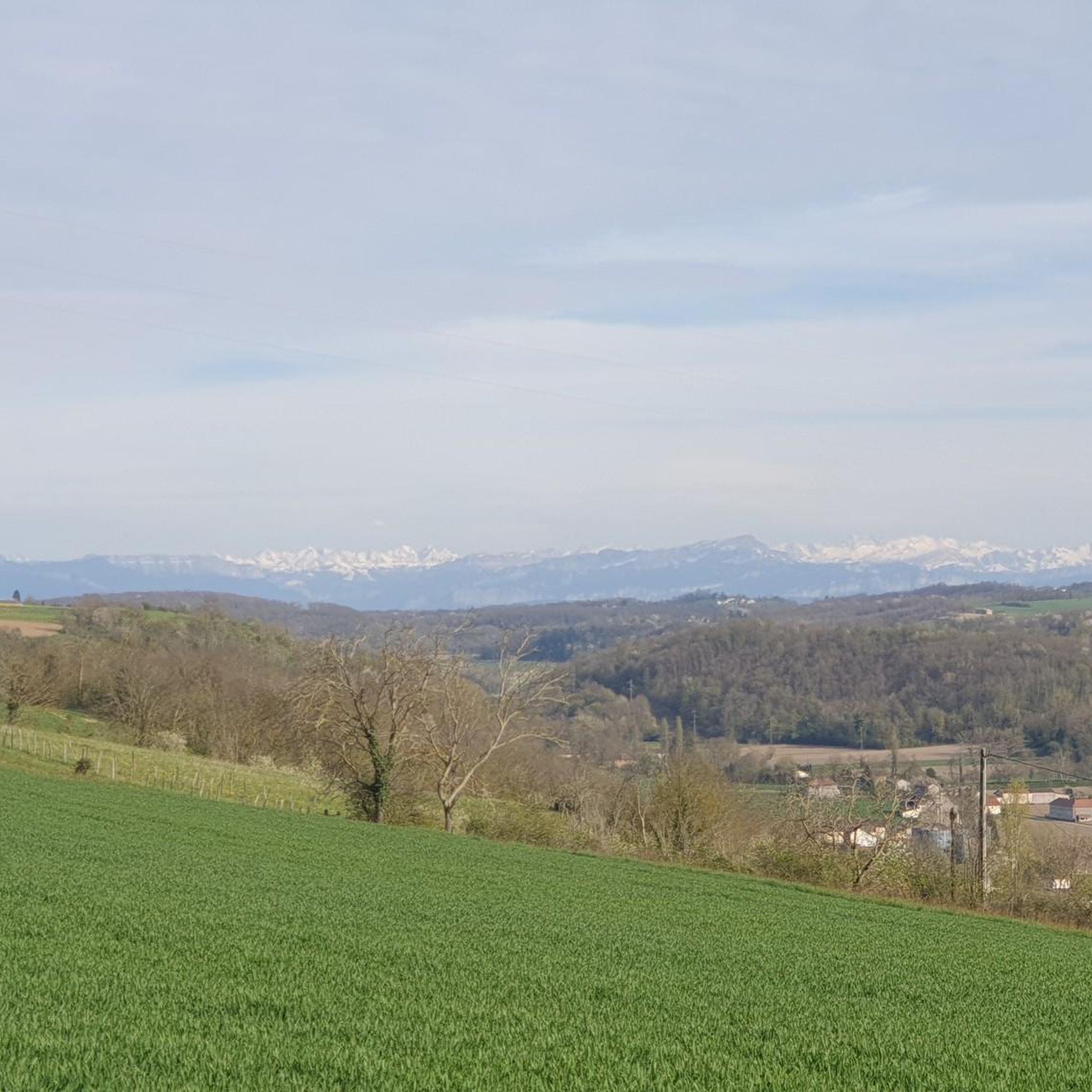
From the Saint Joseph Chapel, you can enjoy magnificent views of the Chartreuse massif and the "Terres Froides." The region generally offers panoramic views of surrounding mountainous massifs, including Mont-Blanc, Vanoise, Belledonne, and Chartreuse, especially from higher trails.
Are there any specific cycling routes recommended for exploring the area?
Yes, the Bourbre Greenway is a popular and pleasant cycle path. For longer rides, you can try the "Vallin Forest loop from Saint-Victor-de-Cessieu" or the "Bourbre Greenway – Marshes loop from Cessieu." More cycling options are detailed in the Cycling around Saint-Victor-De-Cessieu guide.
What is the history behind Chateau de Chapeau Cornu?
The Chateau de Chapeau Cornu was originally a fortified house built on the site of an ancient Roman camp. Its name derives from the allied families Capellas and Cornutis in the 12th and 13th centuries. The castle has a rich history, including surviving the "great fear" of 1789 when a steward saved it by offering rioters wine from the cellars.
Most popular routes around Saint-Victor-De-Cessieu

Get inspired with the komoot mobile app


Explore more
Still not found the Highlight you’re looking for? See guides of the top attractions in other regions:
