Attractions and Places To See around Zell - Top 20
Best attractions and places to see around Zell include a variety of historical settlements and natural features. This region is characterized by well-preserved medieval villages, often set amidst vineyard landscapes, alongside scenic mountain lakes. Visitors can explore historical sites and enjoy viewpoints offering expansive vistas. The area provides opportunities to experience both cultural heritage and natural beauty.
Best attractions and places to see around Zell
- The most popular attractions is Kaysersberg, a settlement that features many half-timbered houses and…
Last updated: June 23, 2026
Riquewihr
Highlight • Settlement
Translated by Google •
Tip by

Eguisheim Village
Highlight • Settlement
Translated by Google •
Tip by

Sign up now to discover places like this
Get recommendations on the best single tracks, peaks, & plenty of other exciting outdoor places.
Sign up for free
Lac Blanc
Highlight • Lake
Translated by Google •
Tip by

Lac du Forlet
Highlight • Lake
Translated by Google •
Tip by
Altstadt Eguisheim
Highlight • Settlement
Translated by Google •
Tip by

Sign up for free to discover even more attractions around Zell.
Sign up for free
Already have an account?
Start today with a free account
Your next adventure awaits.
Login or Signup
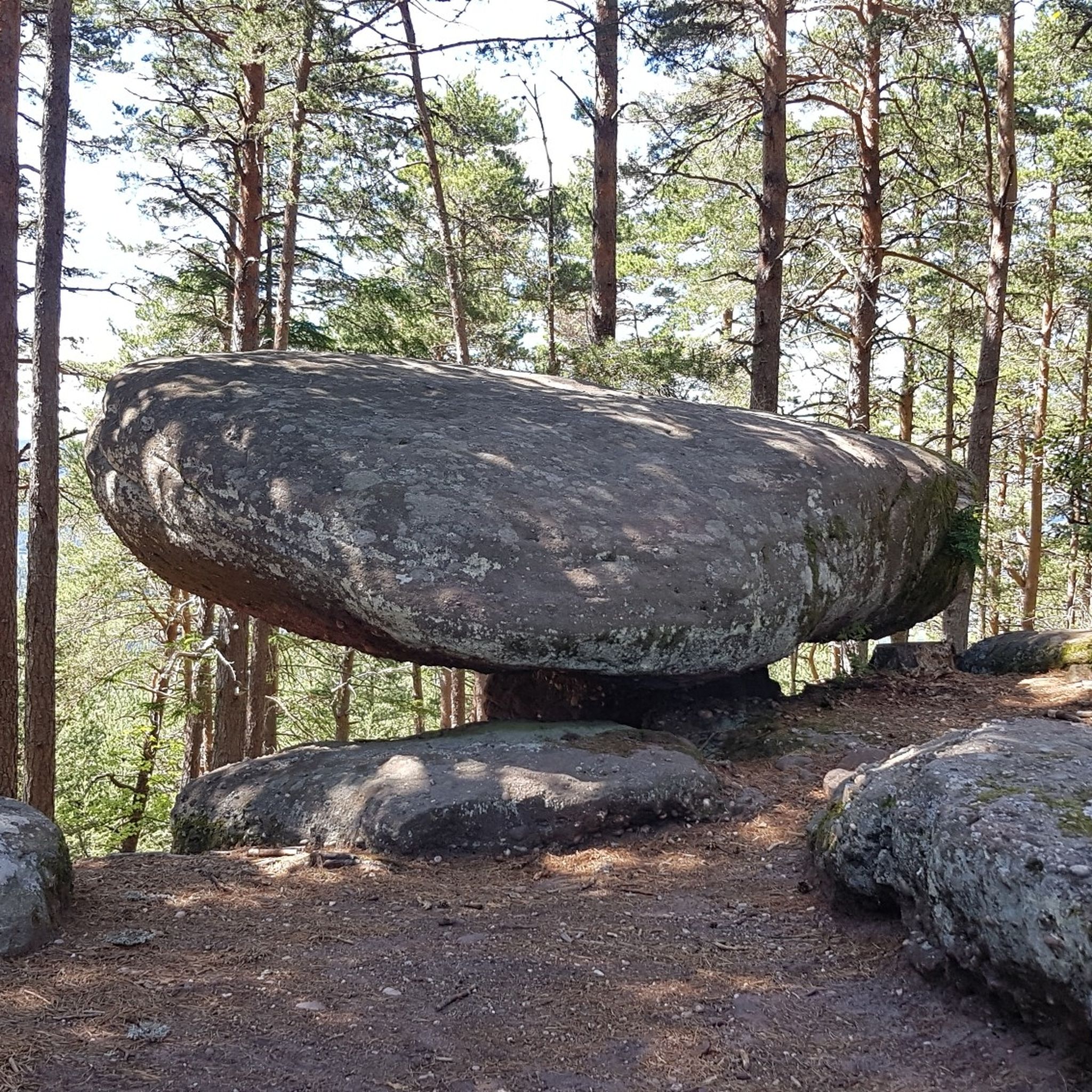
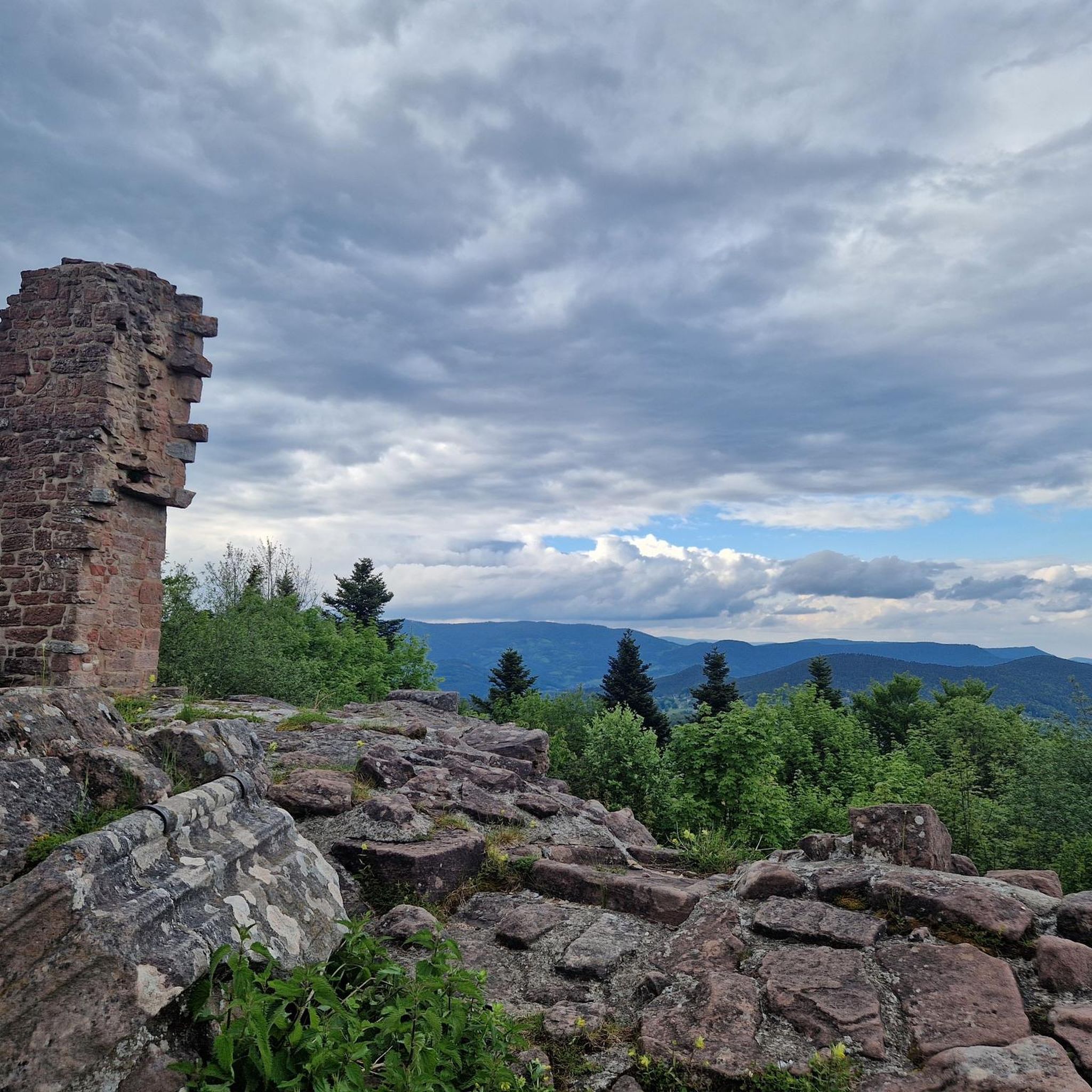
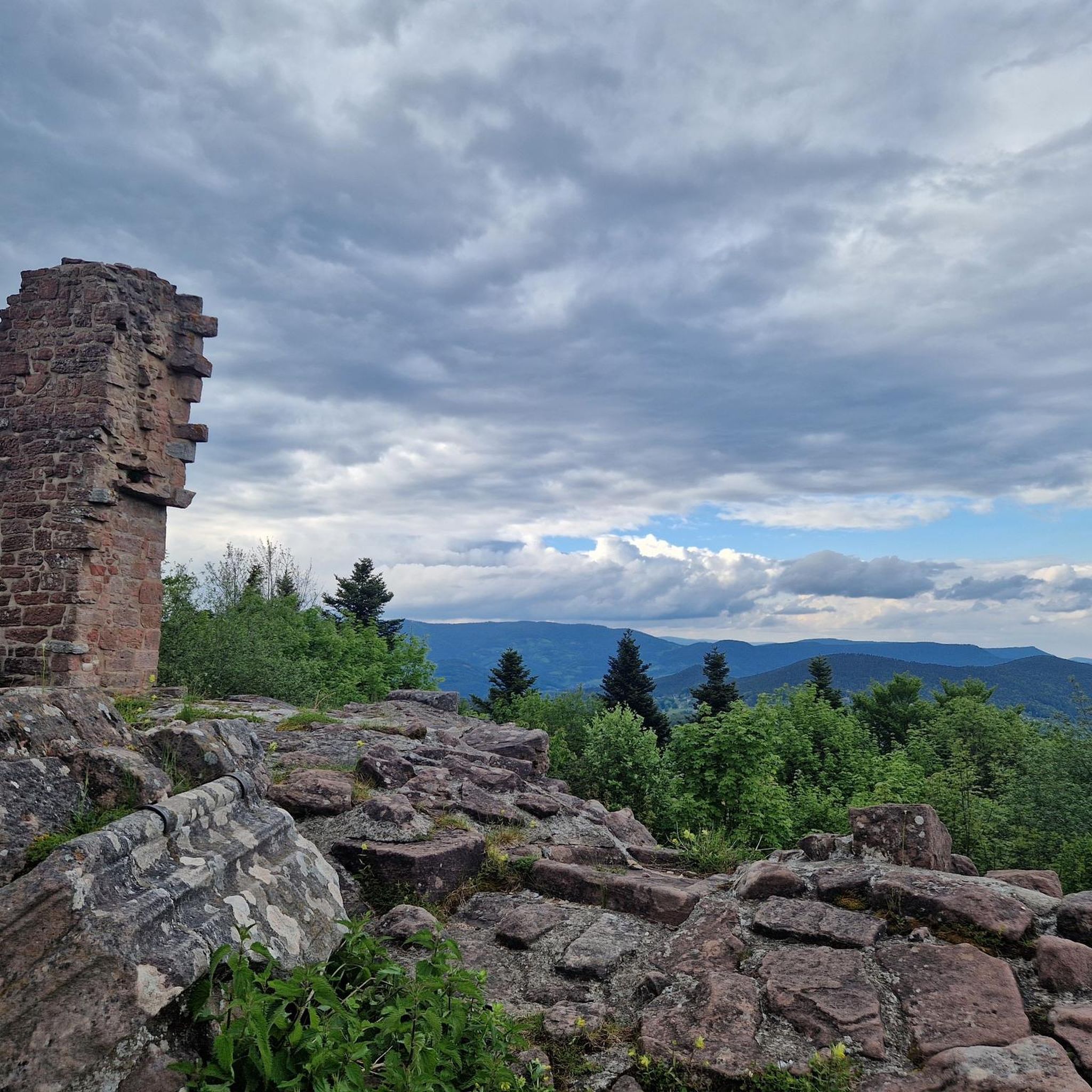
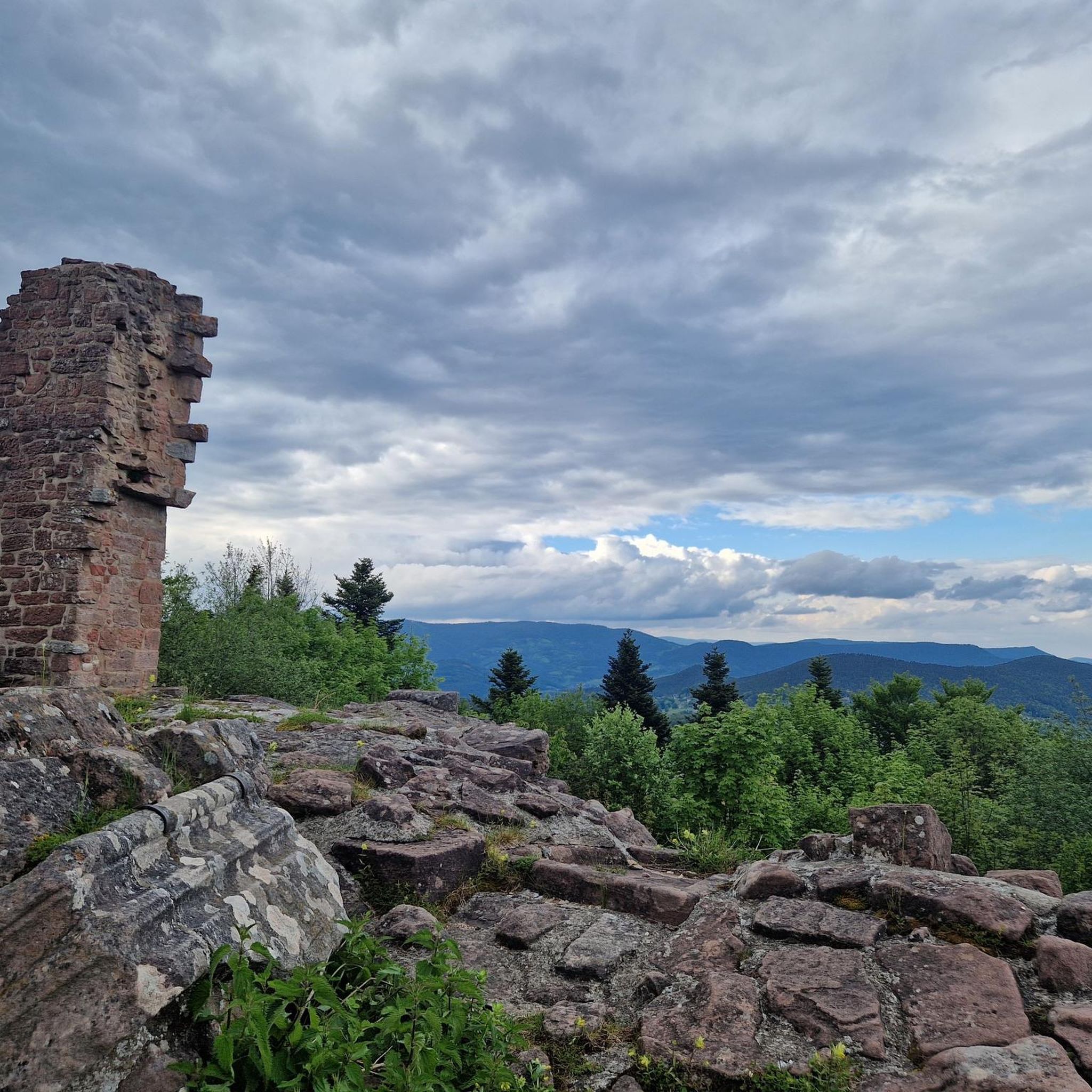


Tips from the Community

Welcome to Eguisheim, the village where the houses are so photogenic they’re probably taking selfies when you’re not looking. Everything here looks like it was designed by an interior designer with a flower addiction and a passion for pastels. The streets wind in circles, so if you’re thinking, “I’ve been here before,” you’re right – you’ve just landed on an architectural merry-go-round. Perfect for those who love half-timbered houses, wine, and getting lost in the most charming way possible.
8
0

The stork is the symbolic animal of Alsace. The people here believe that the stork was present at the crucifixion of Jesus. Of course, that's why they honor him so much. Adebar also breeds in other regions of France, such as along the Atlantic coast.
32
1

Many wineries are built in a typical way. Characteristically, the ground floor was built in stone to support the timber frame construction. The half-timbering was sober until the 16th century and the woodwork is protected by soot or red iron oxide. Pigments and colors on the facades are priceless, which is why clay or whitewash is used. In the 17th century, the windows become larger, wooden decorations embellish the facades and pastel colors are used by the very wealthy. In the 19th and 20th century, a building is completely provided with a layer of cement. But for several decades now, woodwork of a house has become visible again. With the arrival of paint and its wide color palette, the Alsace region takes on a cheerful note... Her new identity is colorful 🌈
11
1

A very nice town center with beautiful streets and many half-timbered houses. Unfortunately also a lot of tourism and shops with knick-knacks. But definitely recommended.
9
1

Beautiful city center with narrow streets and old half-timbered houses, but a lot of tourists on weekends.
9
1


Eguisheim is classified among the most beautiful villages in France. This medieval city was built around its castle, which unfolds in concentric circles. Its cobbled streets and old houses with colorful facades are truly stunning!
12
4

Frequently Asked Questions
What are the most popular historical settlements to visit around Zell?
The region around Zell is renowned for its well-preserved medieval villages. Among the most popular are Kaysersberg, known for its half-timbered houses and castle ruins; Riquewihr, a medieval village set in idyllic vineyard landscapes; and Eguisheim Village, classified as one of France's most beautiful villages with its unique concentric layout.
Are there any natural attractions or viewpoints near Zell?
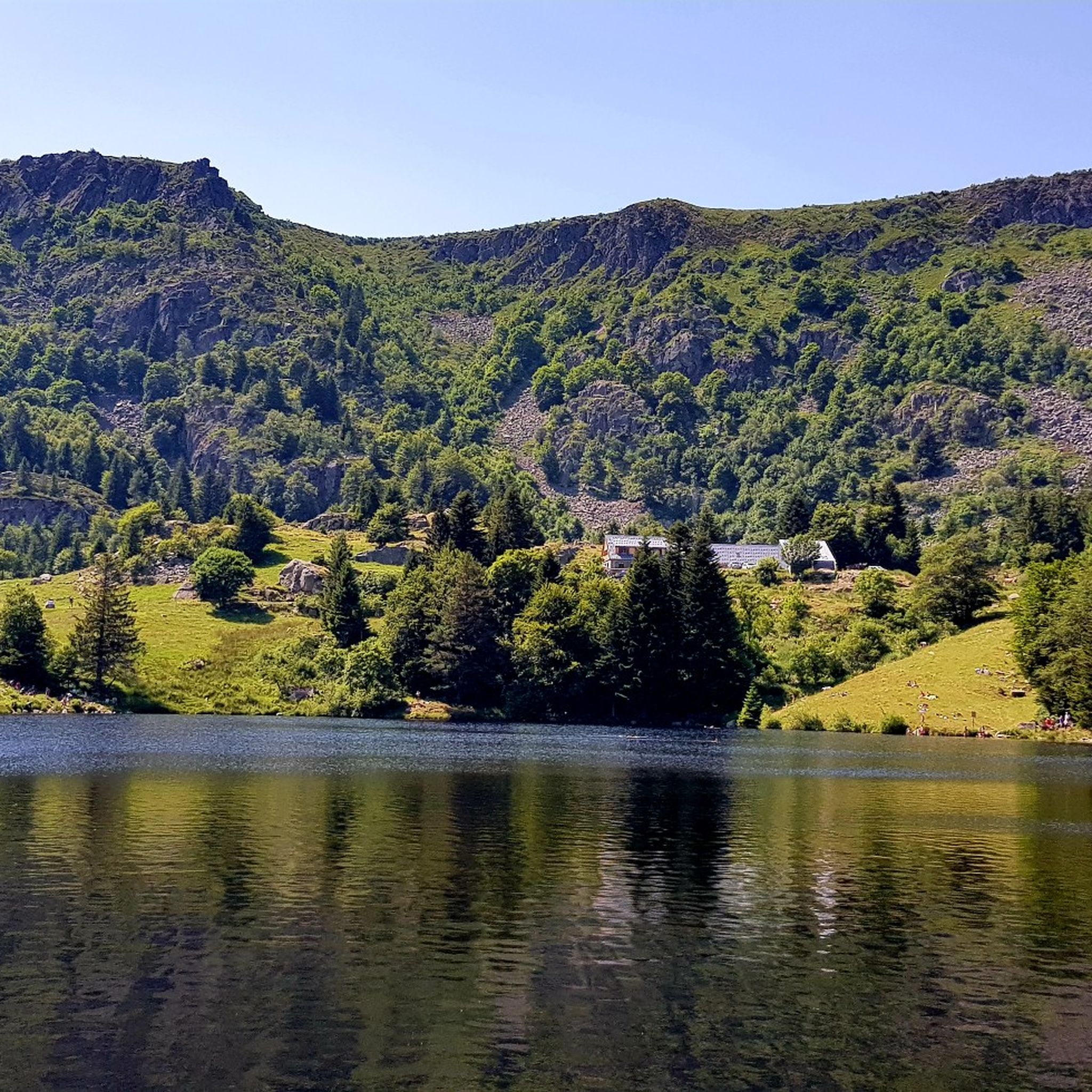
Yes, the area features stunning natural beauty. You can visit Lac Blanc, a large mountain lake with a parking lot and restaurant, offering beautiful views. Another option is Lac du Forlet, the highest lake in the Vosges, embedded in steep walls and perfect for picnics.
What kind of outdoor activities can I do around these attractions?
The region offers a variety of outdoor activities, particularly hiking and cycling. For mountain hikes, explore routes like the 'Taubenklangfelsen Viewpoint – Lac du Forlet loop' or 'Rochers de Hans Ascent – View of Lac Blanc loop'. Cyclists can enjoy road cycling routes such as 'Kaysersberg – Climb to Labaroche' or MTB trails like 'Hohnack Castle – Le Linge'. You can find more details on these activities in the Mountain Hikes around Zell, MTB Trails around Zell, and Road Cycling Routes around Zell guides.
Are there family-friendly attractions in the Zell area?
Absolutely! Many of the historical settlements are family-friendly. Riquewihr, Eguisheim Village, and Kaysersberg are all great for families, offering charming streets and historical exploration. Natural sites like Lac Blanc also welcome families, though swimming is prohibited.
What do visitors enjoy most about the historical villages like Riquewihr and Eguisheim?
Visitors are consistently charmed by the well-preserved medieval architecture, narrow cobblestone streets, and colorful half-timbered houses. The unique character of each village, such as Riquewihr's vineyard setting or Eguisheim's concentric design, creates a feeling of being transported back in time. Many appreciate the medieval flair and the picturesque photo opportunities.
What is the best time of year to visit the attractions around Zell?
The region is beautiful year-round, but autumn is particularly recommended for places like Lac du Forlet, when the rock faces are speckled with colorful leaves. Spring and summer offer pleasant weather for exploring the villages and hiking trails. Be aware that popular spots can get busy, especially on weekends.
Can I swim in the mountain lakes like Lac Blanc or Lac du Forlet?
No, swimming is generally prohibited in mountain lakes such as Lac Blanc. However, fishing is often permitted with a valid fishing license.
Are there any castle ruins or historical fortifications to explore?
Yes, Kaysersberg features impressive castle ruins high above the city, offering a glimpse into its medieval past. The fortified Weissbrücke in Kaysersberg, built in 1514, also provides a historical landmark and great views.
What kind of scenery can I expect when visiting the attractions around Zell?
You can expect a diverse landscape featuring well-preserved medieval villages nestled amidst vineyard landscapes, scenic mountain lakes, and forested areas. Many attractions, like Eguisheim Village and Lac Blanc, also offer expansive viewpoints.
Are there restaurants or cafes near the main attractions?
Yes, the popular villages like Riquewihr and Kaysersberg are well-equipped with numerous Winstubs (wine taverns), restaurants, and cafes where you can enjoy local cuisine and beverages. Even some natural sites, like Lac Blanc, have adjoining restaurants.
What makes Kaysersberg a unique destination?
Kaysersberg stands out for its exceptional medieval charm, featuring numerous half-timbered houses, a historic center, and prominent castle ruins. It's also part of the famous Alsace Wine Route and is known as a 'City of Flowers' due to its meticulous attention to floral displays, making it a visually stunning and culturally rich destination.
Most popular routes around Zell
Most popular attractions around Zell

Get inspired with the komoot mobile app


Explore more
Still not found the Highlight you’re looking for? See guides of the top attractions in other regions:
