The best walks and hikes around L'Isle-D'Espagnac
4.6
(432)
2,465
hikers
211
hikes
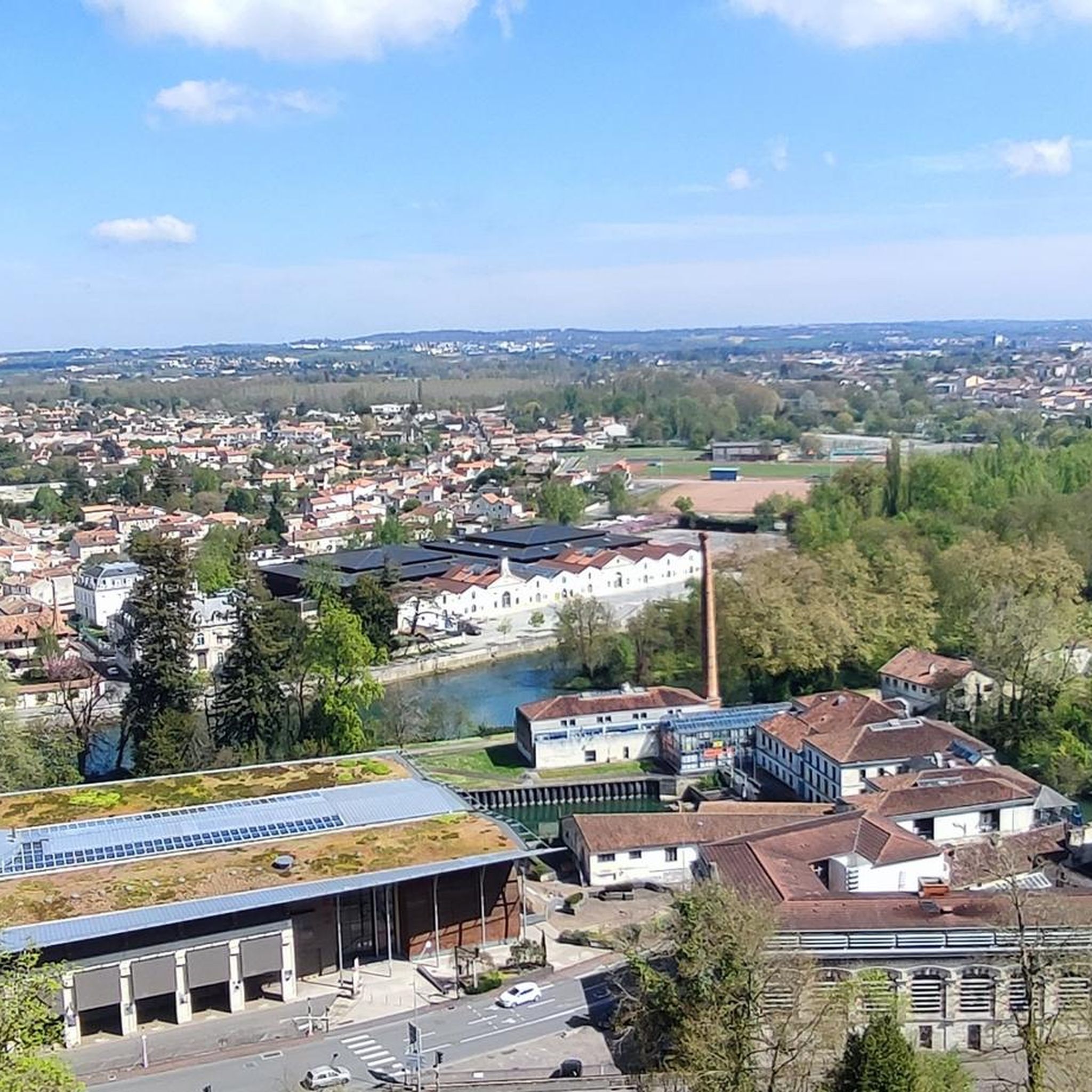
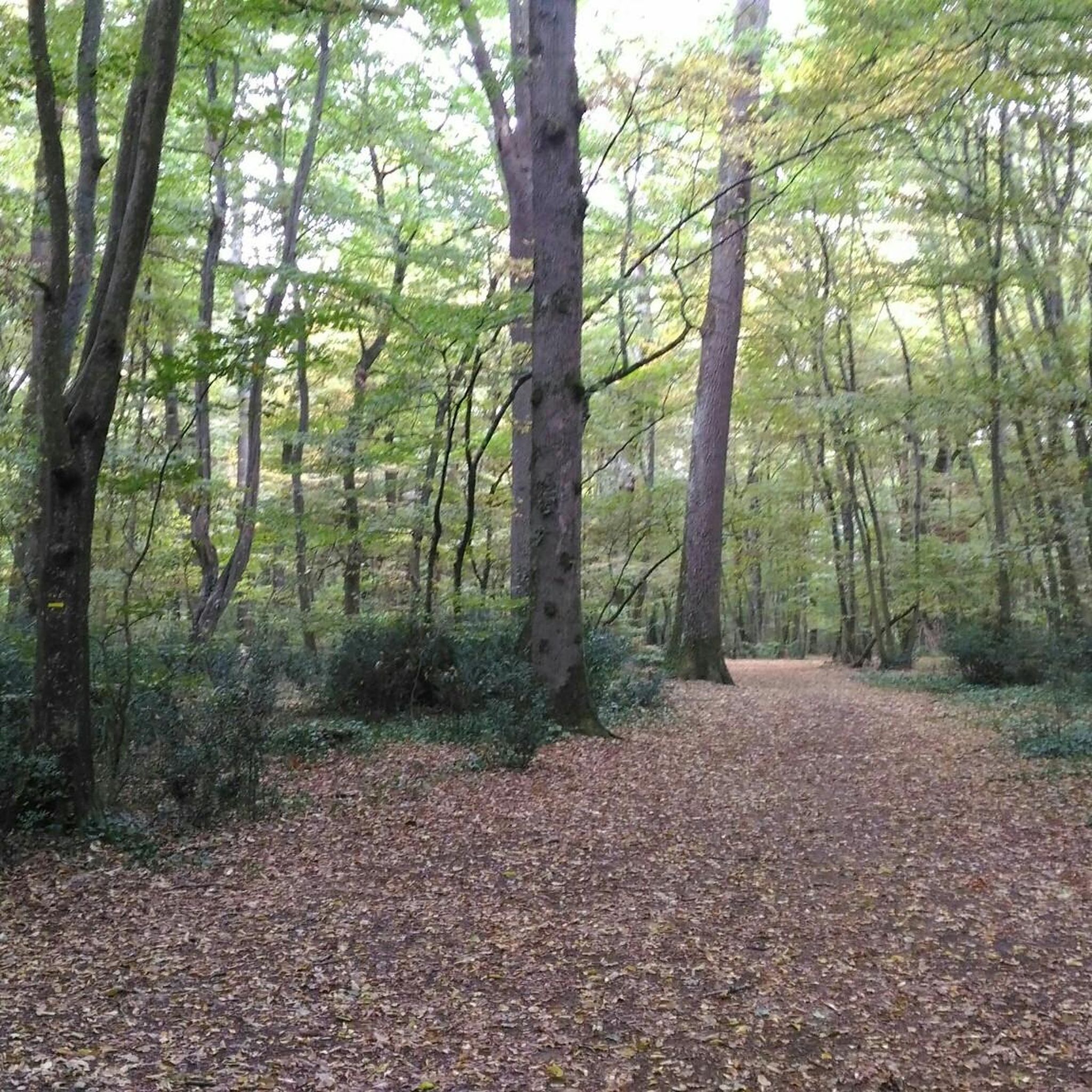
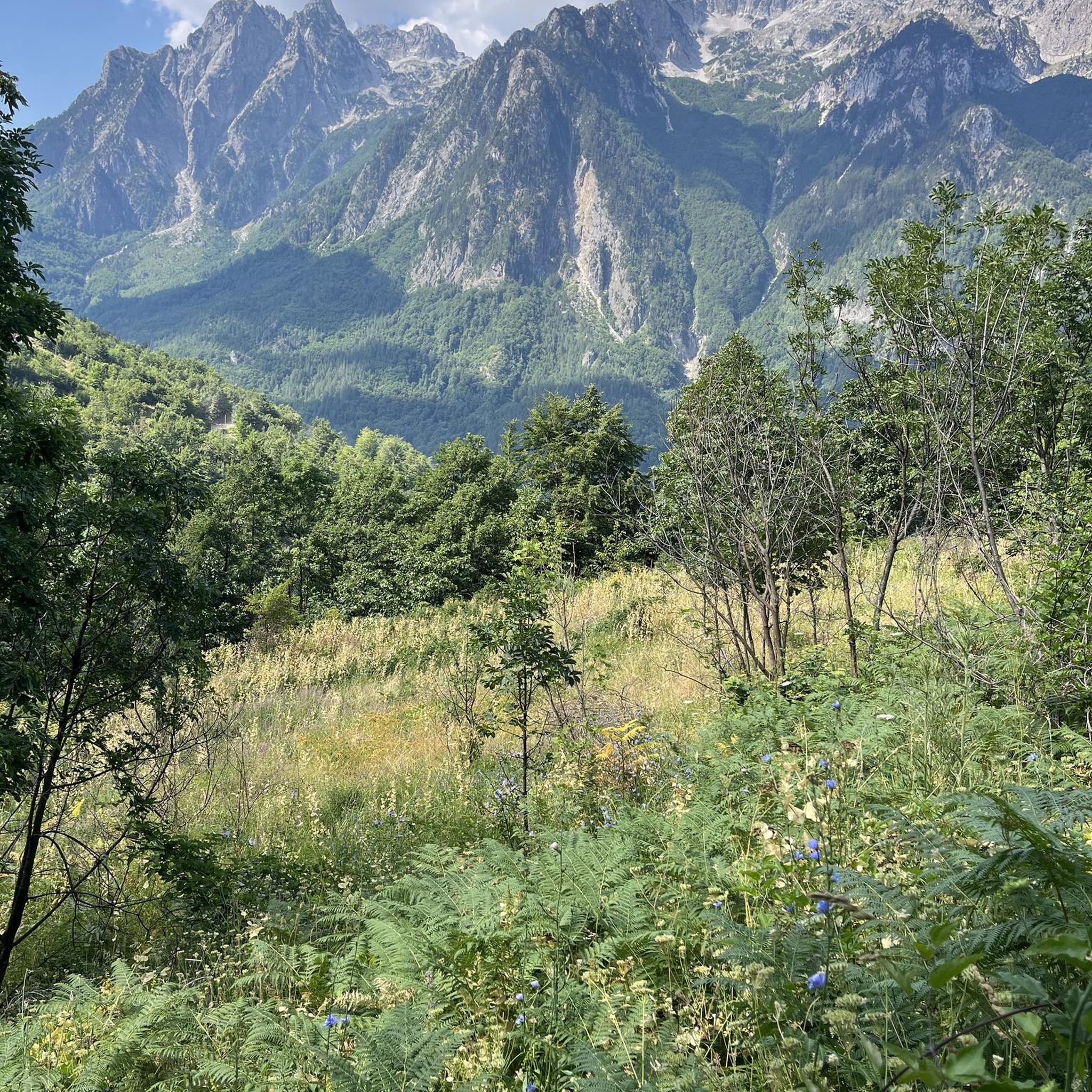
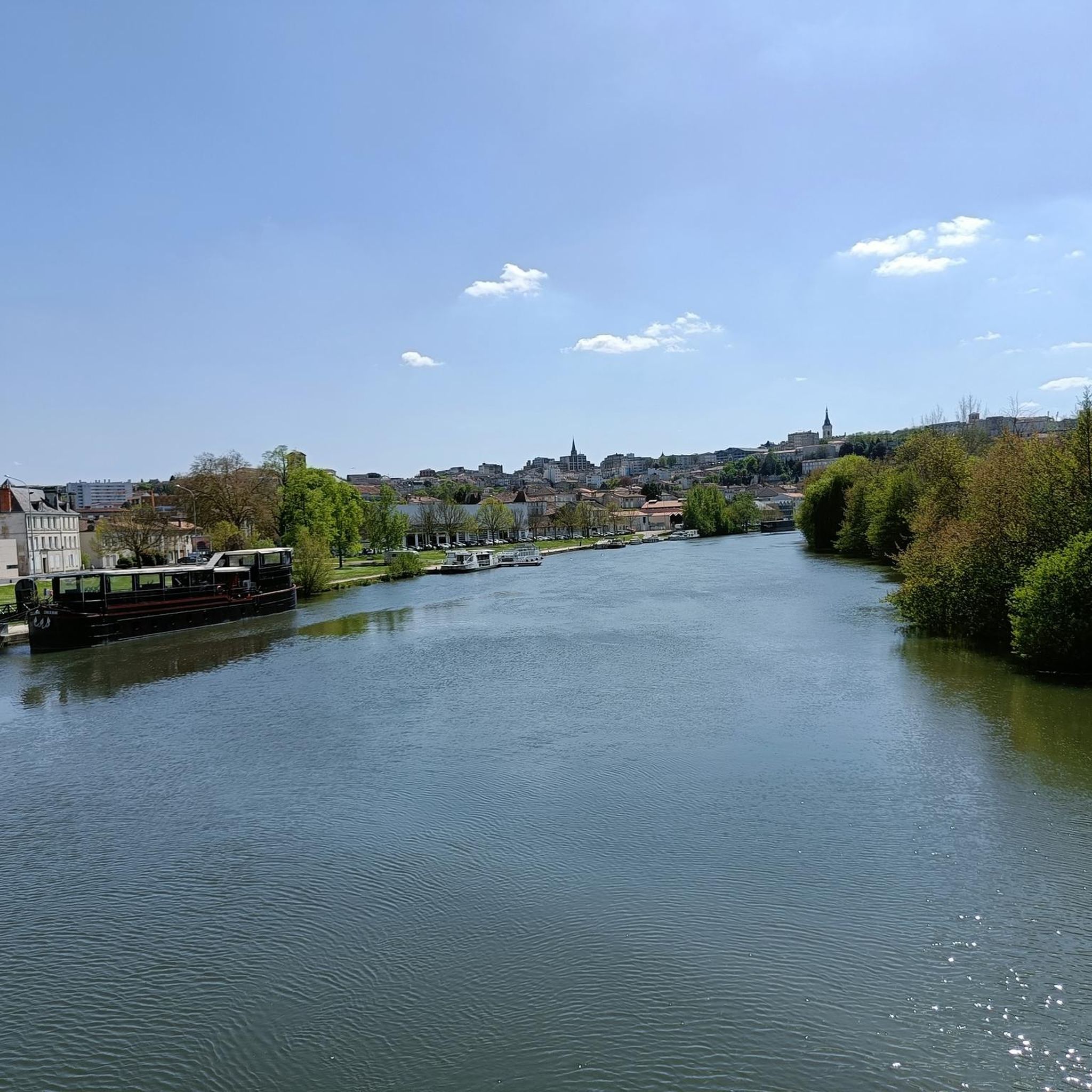
Hiking around L'Isle-D'Espagnac offers varied landscapes, including preserved green spaces, agricultural areas, and forests within its peri-urban environment. The region is characterized by the presence of the Bandiat and Charente rivers, providing natural settings for trails. Nearby, the Vallée des Eaux Claires features limestone cliffs and Mediterranean vegetation. This blend of natural and semi-urban terrain provides diverse hiking opportunities.
Best hiking trails around L'Isle-D'Espagnac
- The most popular hiking route is The Market Halls – Town Hall loop from Angoulême,…
Last updated: August 21, 2026
5.0
(3)
47
hikers
5.73km
01:32
70m
70m
Easy hike. Great for any fitness level. Easily-accessible paths. Suitable for all skill levels.
5.0
(4)
61
hikers
9.16km
02:19
20m
20m
Moderate hike. Good fitness required. Easily-accessible paths. Suitable for all skill levels.

Sign up for free
4.6
(5)
32
hikers
8.58km
02:17
100m
100m
Moderate hike. Good fitness required. Easily-accessible paths. Suitable for all skill levels.
4.0
(3)
18
hikers
8.67km
02:19
90m
90m
Moderate hike. Good fitness required. Easily-accessible paths. Suitable for all skill levels.
4.2
(5)
33
hikers
12.2km
03:12
100m
100m
Moderate hike. Good fitness required. Easily-accessible paths. Suitable for all skill levels.
Get access to more routes and recommendations from other explorers.
Sign up for free
Already have an account?
Our route recommendations are based on thousands of hikes, rides, and runs completed by other people on komoot.
Start today with a free account
Your next adventure awaits.
Login or Signup

Tips from the Community

Its location, near the city walls and an old city gate, corresponds to that of a primitive sanctuary, predating Christianity, probably a temple dedicated to Jupiter. A first cathedral was built during the 4th century, dedicated to Saint Saturninus. The building disappeared when Clovis captured Angoulême in 508, after he drove out the Visigoths following the victory at Vouillé in 507. Clovis and then King Charibert ordered the cathedral's reconstruction in honor of Saint Peter.[2] This second cathedral was consecrated in 566 by Saint Germain, Bishop of Paris, and Saint Euphronius, Bishop of Tours, and is mentioned in Gregory of Tours' History of the Franks.[Note 1] It was burned down, probably by the Normans. The third cathedral was the work of Grimoard of Mussidan, Bishop of Angoulême (991-1018). He was also Abbot of Brantôme in Périgord and used the abbey's revenues to finance its construction. Begun around 991 and consecrated in 1015, it lasted only a century, its dimensions being too small. Only the north wall remains in the second and third bays of the nave, beneath the windows.
0
0

"Voyage au travers des images" by Philippe Druillet illustrates an intergalactic battle reminiscent of George Lucas's Star Wars. It was created by CitéCréation and inaugurated on January 31, 2015, in the presence of the author.
2
0
The square stands on the site of the original city fortifications and has long been used for parades and demonstrations. At one end is the imposing statue of President Sadi Carnot, assassinated in 1894. In 1956, the square was renamed Place New York Square in commemoration of Verrazzano's journey in the service of Francis I, who in 1524 named the site of present-day New York as New Angoulême.
3
0
Built in 1888 by architect Edouard Warin and engineer Pommier, the market halls replaced the Châtelet, a former 13th-century fortress later converted into a prison. The architecture was inspired by Parisian models. https://marche-halles.fr/
3
0

The biblical accounts of the New Testament, which describe the events in the life of Jesus and his disciples, paint a very nuanced picture of the Apostle Peter (Saint-Pierre), to whom the church of Angoulême is dedicated: On the one hand, he is a convinced and determined disciple of Jesus, but also not free from human weakness and fear. In the Garden of Gethsemane, he falls asleep (like the other disciples) when Jesus turns to God the Father after the Last Supper and asks the disciples to pray as well; and after Jesus' arrest, Peter denies three times that he even knows him. But he also weeps over his weakness and, upon encountering the risen Christ, professes his love and loyalty to him. His real name is Simon, but Jesus gives him the name Peter (which means rock), upon which the church is to be built, and he gives him—according to the account of the Evangelist Matthew—the "keys to the kingdom of heaven."
0
0

Angoulême is known as the French comics capital and a city of art and history. Angoulême invites you to discover its upper town, surrounded by ramparts, which overlooks the Charente river from its hill, and to discover the many comics murals. The tourist information office in the town hall has a nice city map with all the locations.
0
0
This is the world of the designer Uderzo, father of Asterix and Obelix, Tanguy and Laverdure and many others.
4
0
Frequently Asked Questions
How many hiking trails are available around L'Isle-D'Espagnac?
There are over 200 hiking routes around L'Isle-D'Espagnac, catering to various fitness levels. You'll find a mix of easy, moderate, and a few more challenging trails to explore the diverse landscapes of the region.
Are there any easy, family-friendly walks in the L'Isle-D'Espagnac area?
Yes, the region offers many easy routes suitable for families. For instance, the The Market Halls – Town Hall loop from Angoulême is an easy 5.8 km trail that takes about 1.5 hours, offering urban views. The Fleurac Islands, located on the Charente River, also provide easy access for families with young children.
What kind of terrain can I expect on hikes around L'Isle-D'Espagnac?
Hiking around L'Isle-D'Espagnac features varied terrain, including preserved green spaces, agricultural areas, and forests. Many trails follow riverbanks, particularly along the Bandiat and Charente rivers. You might also encounter limestone cliffs and Mediterranean vegetation in areas like the Vallée des Eaux Claires.
Are there any circular walks available near L'Isle-D'Espagnac?
Yes, many routes in the area are circular. For example, the Lake St-Yrieix loop from Angoulême is a popular moderate circular path exploring natural surroundings. Another option is the Foulpougne Viaduct loop from Gond-Pontouvre, which offers a longer circular experience.
What are some notable natural attractions or landmarks to see while hiking?
The region boasts several natural and historical points of interest. The Vallée des Eaux claires is a beautiful site with limestone cliffs and unique vegetation. You can also explore the Fleurac Islands along the Charente River. For historical landmarks, consider visiting the Saint-Pierre d'Angoulême Cathedral or the Fleurac Mill.
What do other hikers say about the trails in L'Isle-D'Espagnac?
The trails in L'Isle-D'Espagnac are highly rated by the komoot community, with an average score of 4.5 stars from over 350 reviews. More than 2,100 hikers have used komoot to explore the area, often praising the varied terrain, green spaces, and riverbank paths.
Are there any trails that offer views of Angoulême?
Yes, the "Périph'Vert" route allows hikers to explore the main town while enjoying a bucolic environment and views of Angoulême's historic districts. This route is part of a larger urban hike that provides exceptional views of the Angoulême plateau.
Can I find trails that follow rivers or offer waterside views?
Absolutely. The Bandiat and Charente rivers are prominent features of the region, and many trails run along their banks. These routes provide calm, natural settings and opportunities to observe local fauna and flora. The Fleurac Islands, for example, are situated on the Charente and are popular for waterside walks.
Are there specific local hiking routes within L'Isle-D'Espagnac itself?
Yes, L'Isle-D'Espagnac has dedicated local routes. One notable trail is "D'un bois l'autre," a 12 km hike offering a peri-urban natural experience within the commune. Local tourist offices can provide more information on specific "Rando Fiches" for the area.
What is the best time of year to go hiking in L'Isle-D'Espagnac?
The Charente department generally offers pleasant hiking conditions throughout much of the year. Spring and autumn are particularly ideal, with milder temperatures and beautiful natural colors. Summer can also be enjoyable, especially for walks along the rivers, but it's advisable to hike earlier in the morning or later in the afternoon to avoid the midday heat.
Are there any trails that go through valleys or offer varied elevation?
Yes, the region features interesting valleys. The Chanzy View – Anguienne Valley loop from Soyaux and the Anguienne Valley loop from Soyaux both lead through the scenic Anguienne Valley, providing varied terrain and some elevation changes to make your hike more dynamic.
Most popular routes around L'Isle-D'Espagnac
Most popular attractions around L'Isle-D'Espagnac

Get inspired with the komoot mobile app


Explore more
Browse the best Hikes in other regions.
