Attractions and Places To See around Nayemont-Les-Fosses - Top 20
Best attractions and places to see around Nayemont-Les-Fosses include a variety of historical sites, mountain passes, and natural landscapes. This region offers 6 distinct highlights for exploration, ranging from ancient Celtic settlements to significant World War I battlefields. The area is characterized by its forested terrain and elevated passes, providing opportunities for both historical discovery and scenic routes.
Best attractions and places to see around Nayemont-Les-Fosses
- The most popular attractions is La Bure Celtic Camp, a historical site that…
Last updated: August 25, 2026
Col de Mandray
Highlight • Mountain Pass
Translated by Google •
Tip by

Trail of the Hamlets Fallen for France – La Fontenelle
Highlight • Historical Site
Here are buried some French soldiers who lost their lives on the battlefield of Hill 627, as the military name goes, defending France …
Translated by Google •
Tip by

Sign up now to discover places like this
Get recommendations on the best single tracks, peaks, & plenty of other exciting outdoor places.
Sign up for free
Col du Pré de Raves
Highlight (Segment) • Mountain Pass
The road …
Translated by Google •
Tip by

La Bure Celtic Camp
Highlight • Historical Site
Translated by Google •
Tip by
Roche d'Anozel
Highlight • Viewpoint
Translated by Google •
Tip by

Sign up for free to discover even more attractions around Nayemont-Les-Fosses.
Sign up for free
Already have an account?
Start today with a free account
Your next adventure awaits.
Login or Signup
Tips from the Community

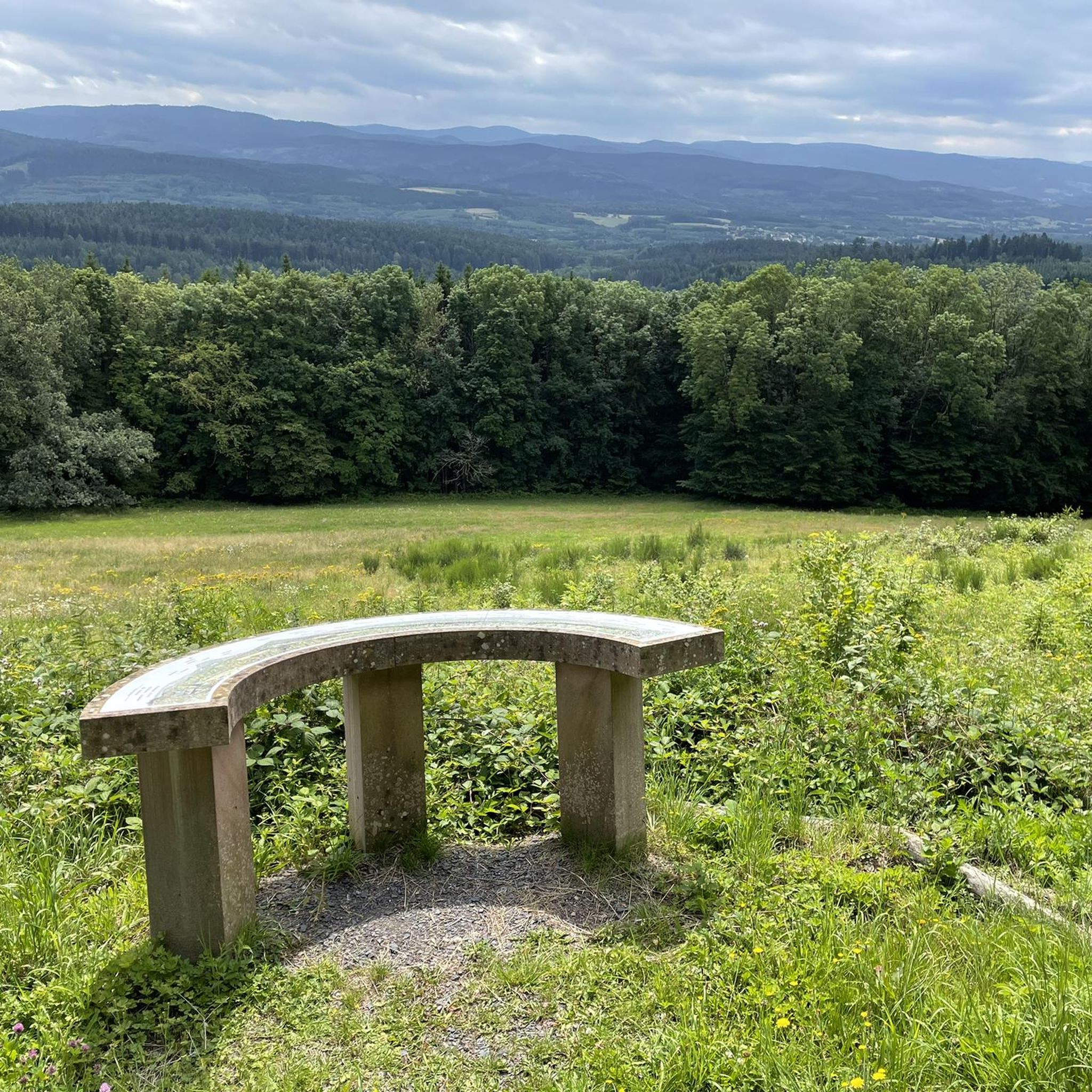
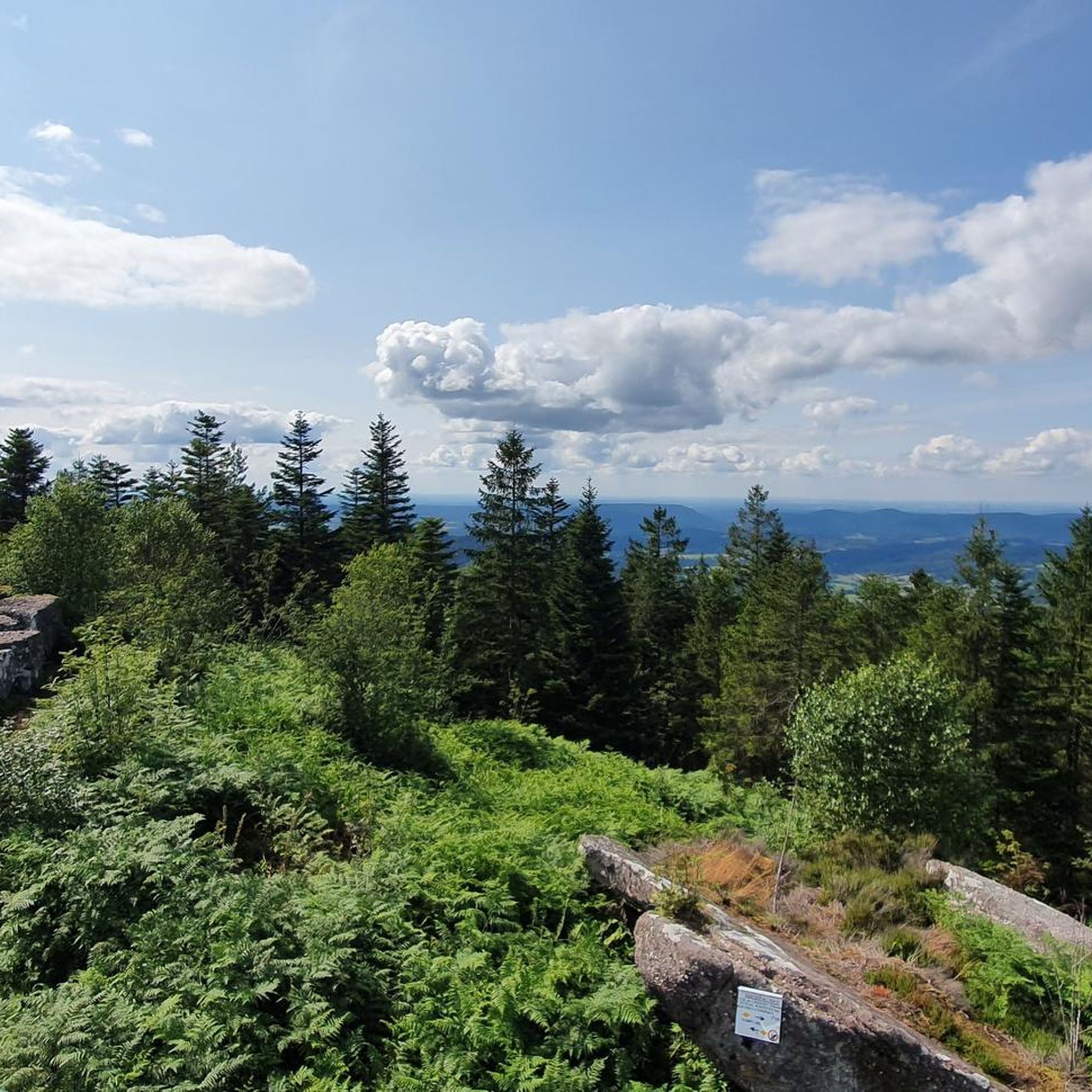
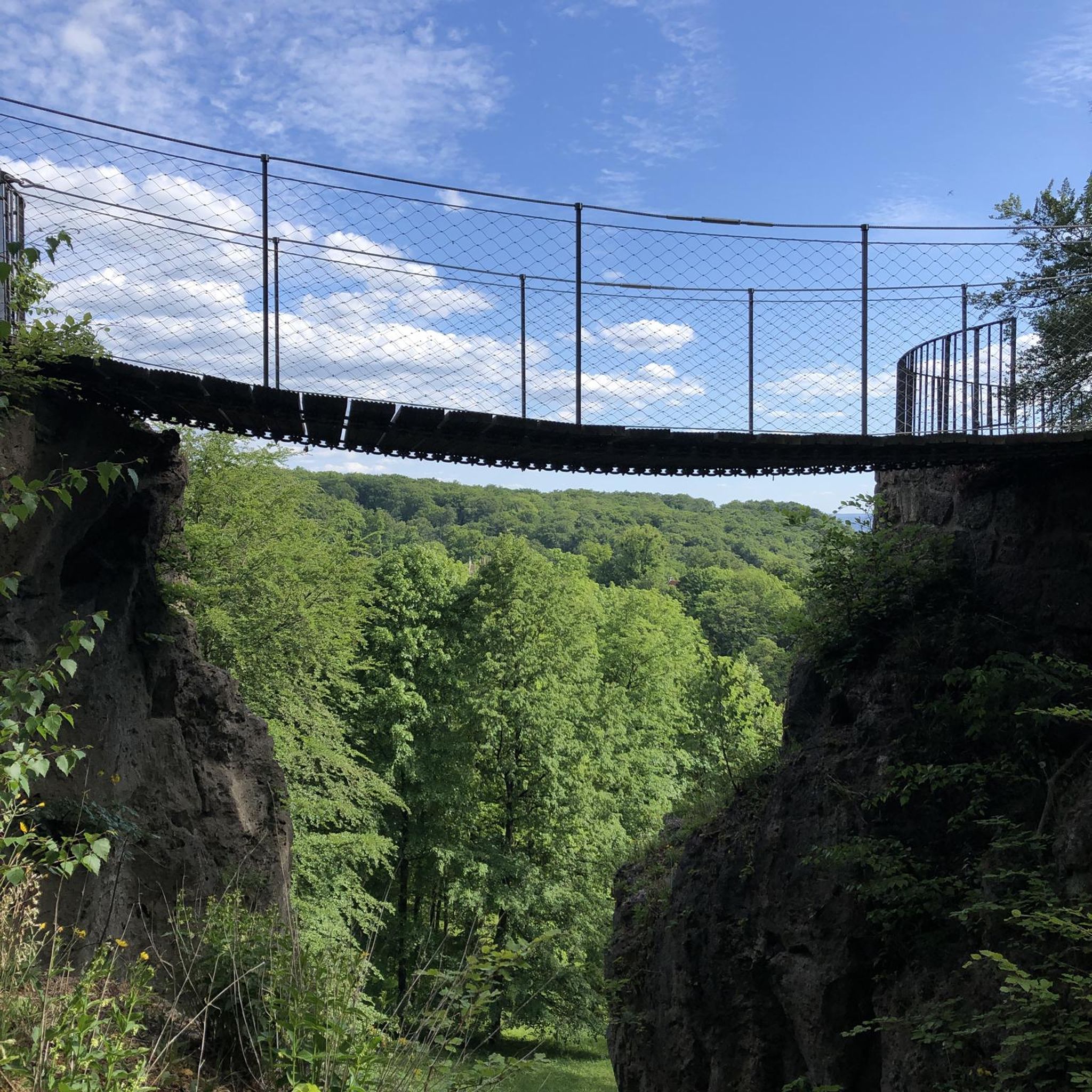
The Roche d’Anozel is located in the Kemberg massif near Saulcy-sur-Meurthe, not far from Saint-Dié-des-Vosges. The striking Vosges sandstone rock is about 740 m high and approximately 15 m high and 20 m wide. An enigmatic inscription on the rock is dated to the year 1402. Particularly interesting is the view over the Meurthe valley and the surrounding Vosges mountains. The Roche is part of a network of well-marked hiking trails.
0
0

Camp accessible to mountain bikes but next to the bike
0
0

If you take the climb from Mandray village - and follow the - rusty - sign to the Col - that is different kind of cookie! 2, 9 km , averages at 11% with peaks up to 17%, and tough road conditions. Descend to Fraize is a blast!
0
0

Col de Mandray (694 m) is a quiet and steady climb in the Vosges, ideal for a relaxing ride or as a warm-up for more difficult cols. From Fraize you climb over 4.5 km with an average gradient of 4.2%. The road is well passable, with little traffic and beautiful views over the Meurthe valley. A hidden gem for those who love quiet, natural climbs.
11
0

The surface isn't the best in some places, but you can still ride downhill well.
0
0

If you are coming from the direction of the Col de Bonhomme or the Route de Cretes, this is the best alternative to the busy yellow road. Going the other way... phew 😁
0
0
Instead of driving down the Col de Bonhomme on the yellow road, there is an option to drive into the "forest" further up the Route de Cretes in the bend. You drive on tarred roads through the forest to the Col de Mandray. Simply great...
0
0

I recommend riding uphill (towards east) because the asphalt is very nasty in some places.
0
0
Frequently Asked Questions
What historical sites can I visit around Nayemont-Les-Fosses?
The region is rich in history. You can explore the ancient La Bure Celtic Camp, a fortified plateau with archaeological significance dating back to the Neolithic period. Another significant site is the Trail of the Hamlets Fallen for France – La Fontenelle, which features a military cemetery and preserved trenches from World War I.
Are there any mountain passes suitable for cycling or scenic drives?
Yes, the area offers several mountain passes. The Col de Mandray is a quiet climb at 694 meters, ideal for a relaxing bike ride or as a warm-up. Another option is the Col du Pré de Raves, which offers a beautiful forest road, suitable for gravel biking.
What kind of natural landscapes can I expect to see?
Nayemont-Les-Fosses is characterized by its forested terrain and elevated passes. The La Bure Celtic Camp, for instance, is set on a wooded plateau bordering the Haute-Meurthe valley, offering natural beauty alongside its historical significance.
Are there family-friendly attractions in the area?
Yes, the Saint-Dié Cathedral is listed as family-friendly. Additionally, the Trail of the Hamlets Fallen for France – La Fontenelle has a shorter, 600-meter path that is also suitable for wheelchairs, making it accessible for families with strollers or those needing easier access.
What outdoor activities can I do near these attractions?
The region around Nayemont-Les-Fosses is excellent for outdoor enthusiasts. You can find various hiking, gravel biking, and running trails. For detailed routes, explore the Hiking around Nayemont-Les-Fosses guide, the Gravel biking around Nayemont-Les-Fosses guide, or the Running Trails around Nayemont-Les-Fosses guide.
Are there easy hiking trails around Nayemont-Les-Fosses?
Yes, there are easy hiking options available. For example, the 'Ormont Rock – Roche des Abris loop from Nayemont-les-Fosses' is an easy 3 km route. You can find more easy trails in the Hiking around Nayemont-Les-Fosses guide.
What is the best time to visit Nayemont-Les-Fosses?
Given the region's focus on historical sites, mountain passes, and natural trails, spring, summer, and early autumn generally offer the most pleasant weather for exploring. These seasons are ideal for hiking, cycling, and enjoying the scenic views.
Can I find information about World War I history in the area?
Absolutely. The Trail of the Hamlets Fallen for France – La Fontenelle is a significant World War I site. It features a military cemetery, information boards detailing trench warfare, and ancient trenches that are still visible. It provides a poignant insight into the conflict.
What do visitors enjoy most about the attractions around Nayemont-Les-Fosses?
Visitors appreciate the blend of history and nature. The quiet and scenic climbs like Col de Mandray are praised for their beautiful views and low traffic. Historical sites like La Bure Celtic Camp offer deep historical context, while the WWI sites provide a powerful experience.
Is there a significant religious building to visit?
Yes, the Saint-Dié Cathedral is a notable religious building in the vicinity. It has a rich history, with parts dating back to the 7th century, and was rebuilt after being damaged in World War II, featuring unique stained glass windows from the 1980s.
Are there any challenging trails for experienced hikers or cyclists?
Yes, for those seeking more challenging routes, the 'Dry Fir Rock – Fairy Rocks loop from Nayemont-les-Fosses' is a difficult 6.3 km hiking trail. For gravel biking, routes like 'Gravelicious 🤩😂 – Usine Le Corbusier loop from Saint-Dié-des-Vosges' are rated difficult. More options can be found in the respective hiking and gravel biking guides.
Can I find viewpoints with scenic vistas?
Many of the mountain passes and historical sites offer excellent views. The Col de Mandray provides beautiful views over the Meurthe valley, and the La Bure Celtic Camp is also noted as a viewpoint.
Most popular routes around Nayemont-Les-Fosses
Most popular attractions around Nayemont-Les-Fosses

Get inspired with the komoot mobile app


Explore more
Still not found the Highlight you’re looking for? See guides of the top attractions in other regions:
