Top 15 Mountain Passes around Le Versoud
Best mountain passes around Le Versoud serve as access points to the Vercors, Chartreuse, and Belledonne massifs. This region offers diverse mountain passes, providing options for challenging ascents and panoramic viewpoints. The area is characterized by rugged plateaus, limestone cliffs, and alpine environments. These passes are suitable for various outdoor activities.
Best mountain passes around Le Versoud
- The most popular mountain passes is Col de Porte (1326 m), a mountain pass that is 15 kilometers long with a total…
Last updated: October 13, 2026
Col de Porte (1326 m)
Highlight • Mountain Pass
Translated by Google •
Tip by

Clémencières Pass
Highlight • Mountain Pass
Translated by Google •
Tip by

Sign up now to discover places like this
Get recommendations on the best single tracks, peaks, & plenty of other exciting outdoor places.
Col du Coq
Highlight • Mountain Pass
The Col du Coq is the highest …
Translated by Google •
Tip by

Vence Pass
Highlight • Mountain Pass
Translated by Google •
Tip by
Four Lords Pass
Highlight • Mountain Pass
Tip by
Sign up for free to discover even more mountain passes around Le Versoud.
Already have an account?
Start today with a free account
Your next adventure awaits.
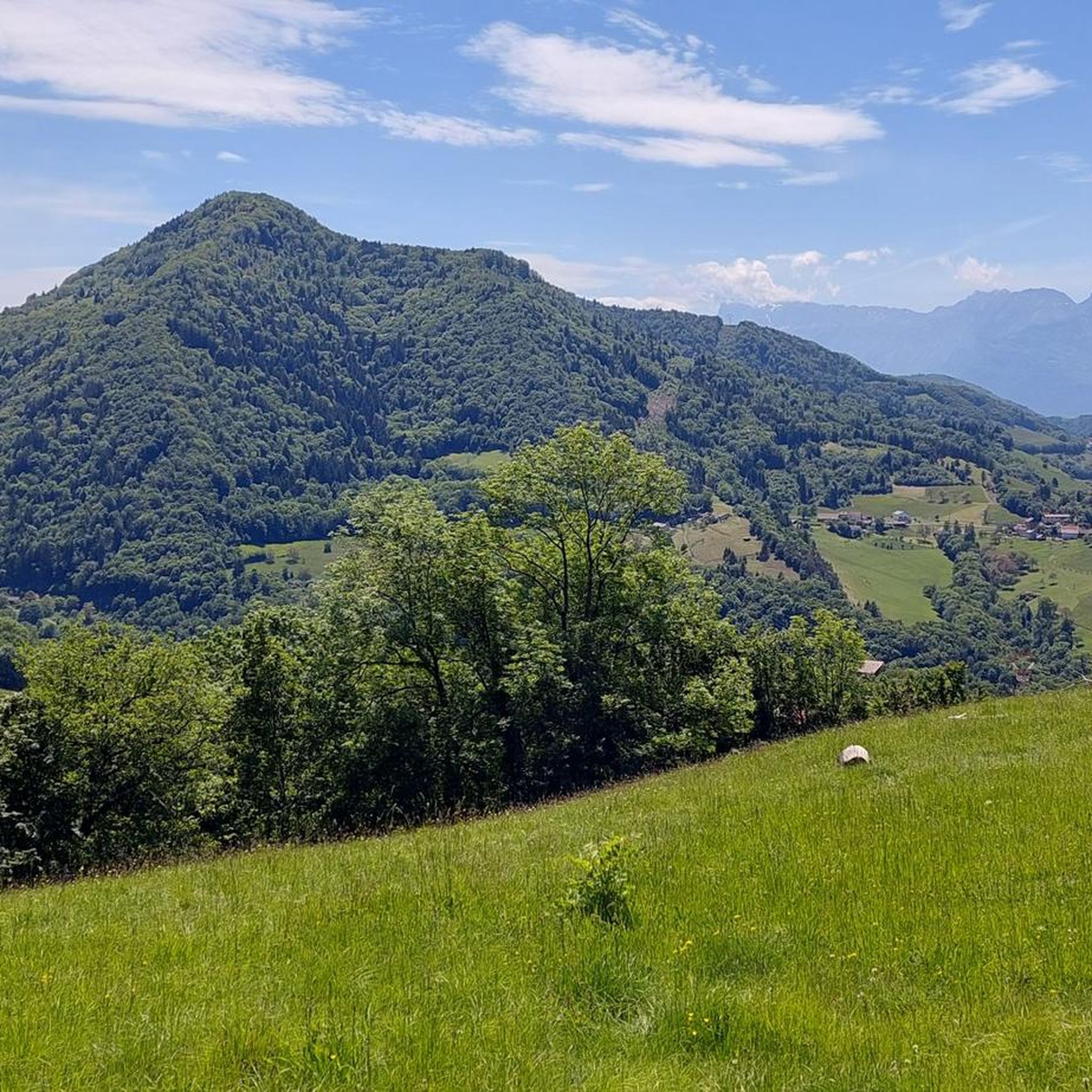
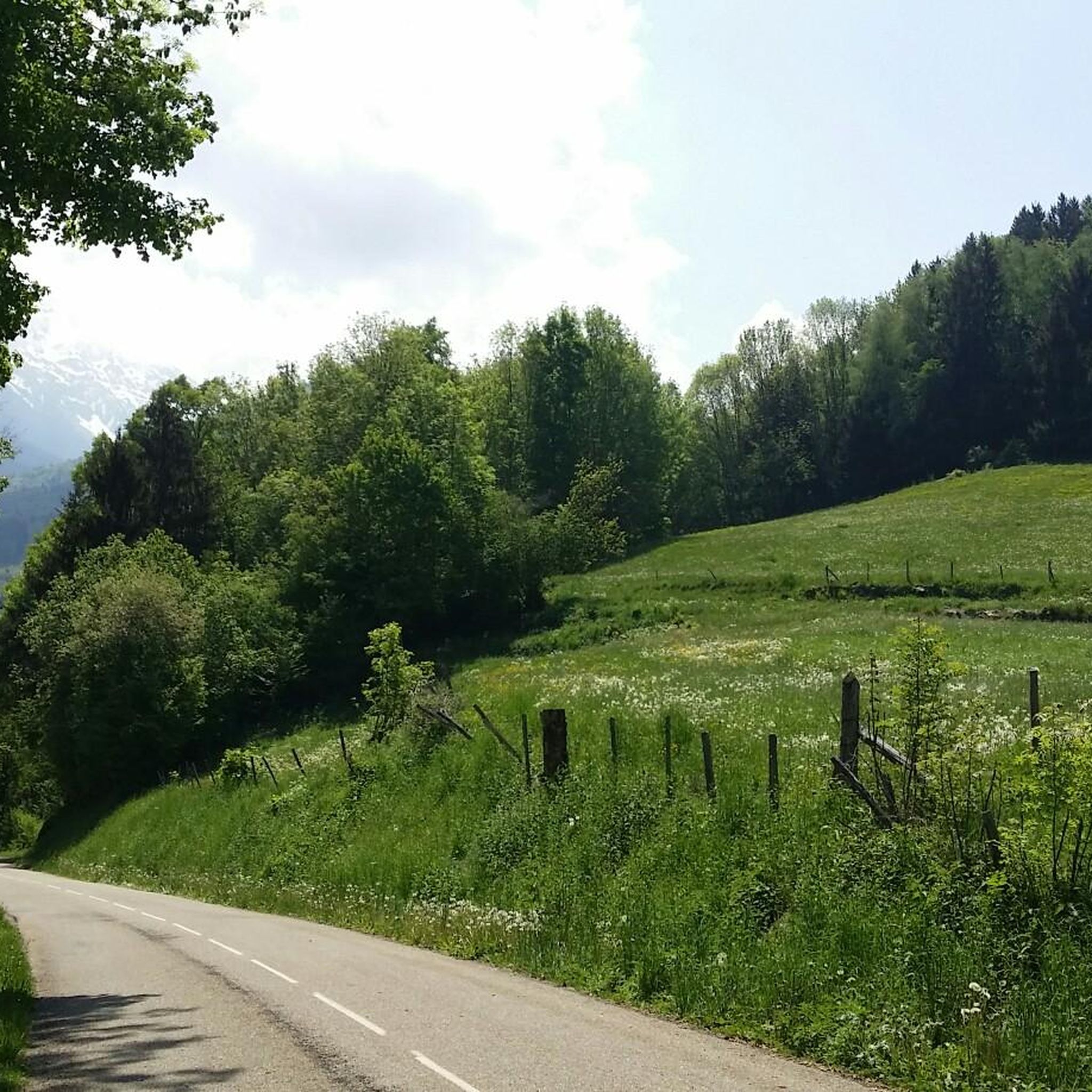
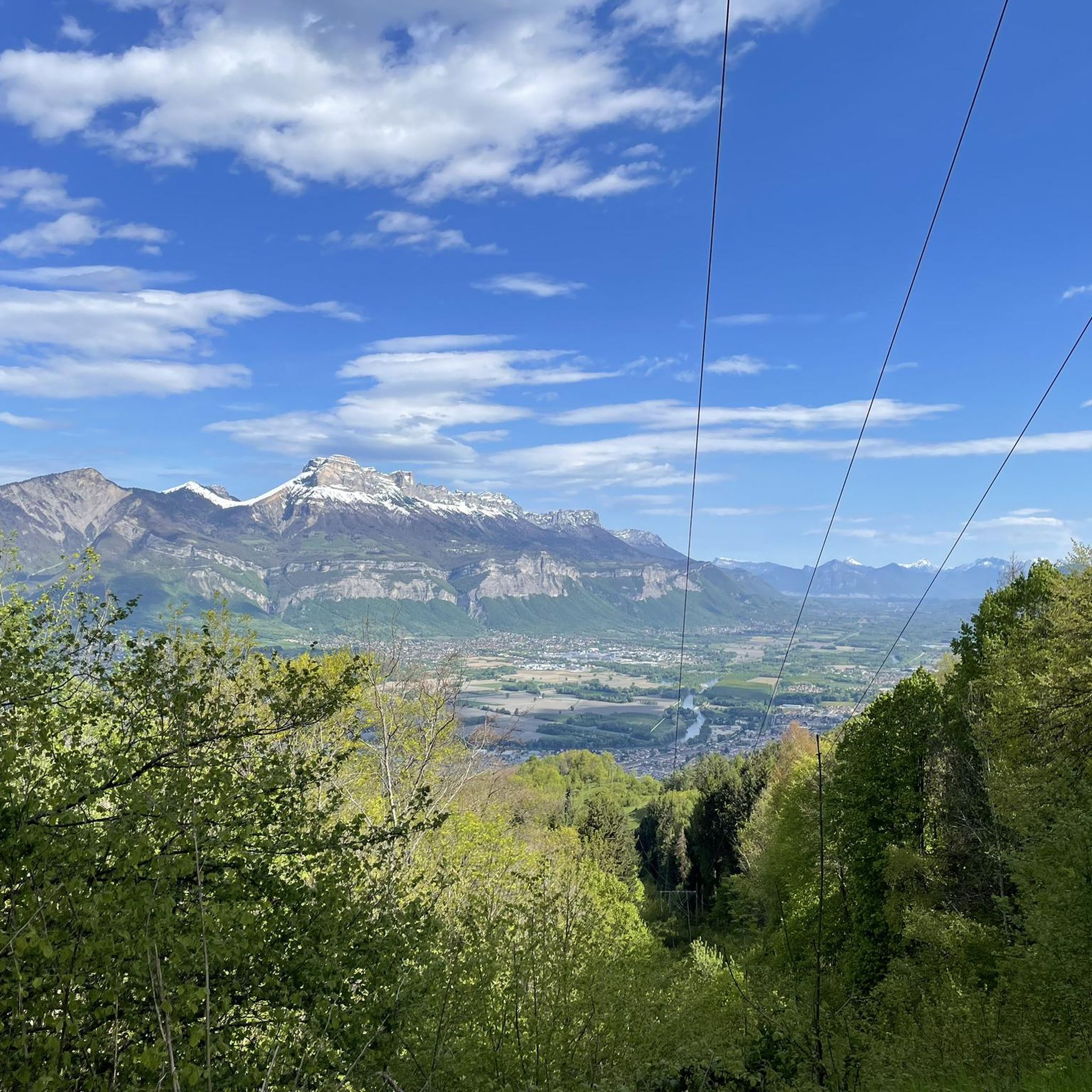
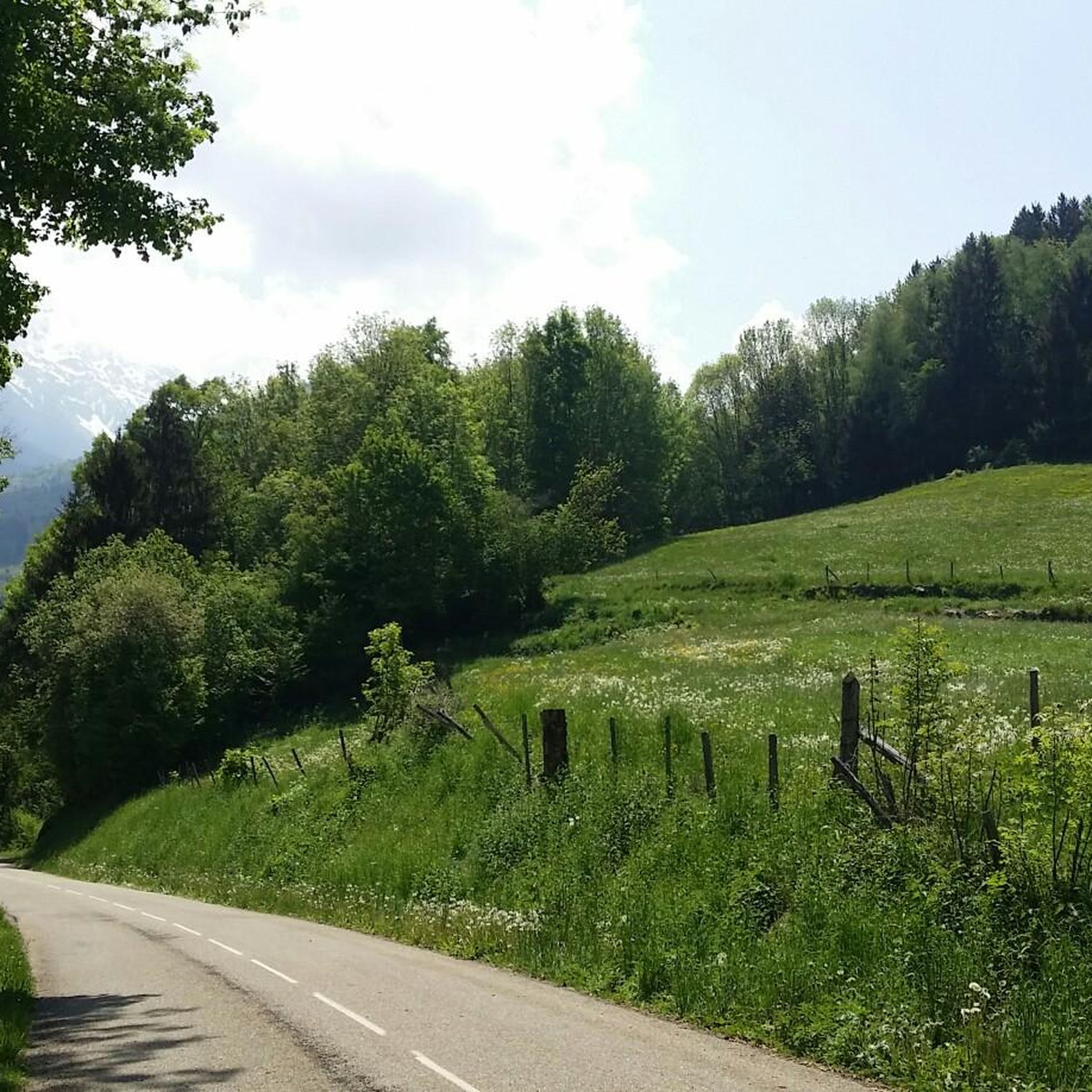
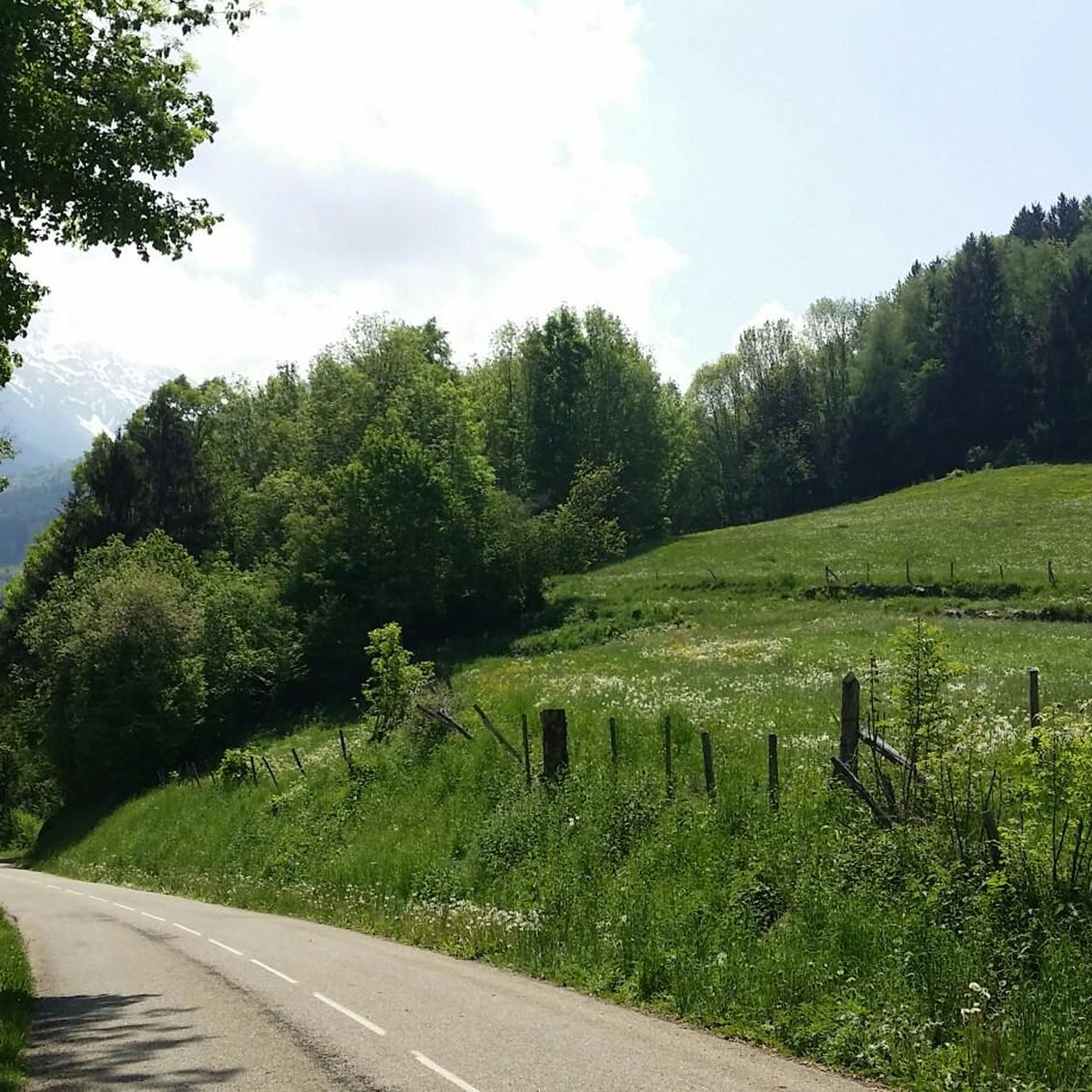
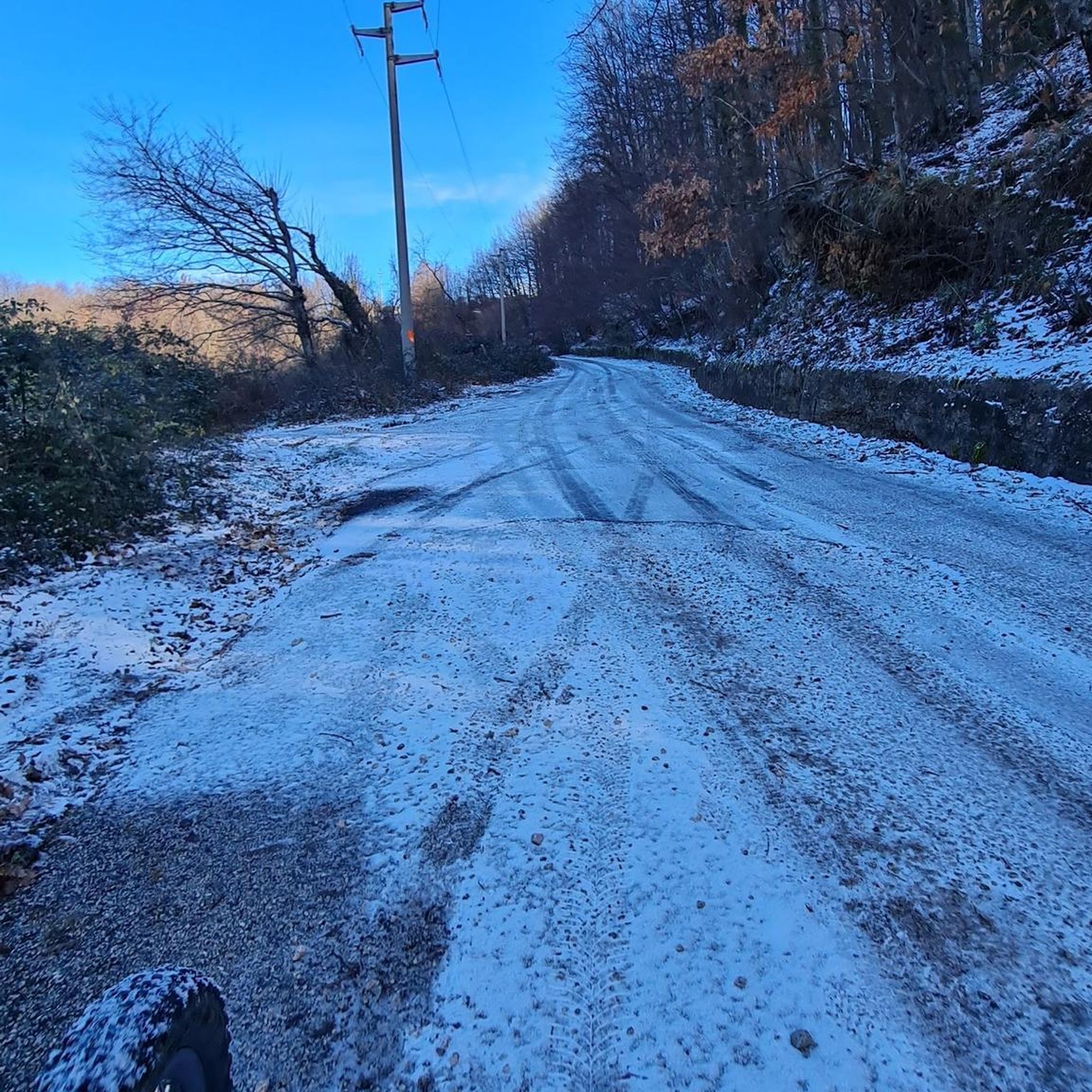
Tips from the Community

Favor the climb via Sarcenas, almost no cars
3
0
first difficulty of the Col de Porte. At the summit, we enjoy a fairly short descent before resuming the ascent of the Col de Porte
1
0
small pass between Corenc and Sapey. The road is very good
0
0

Exceptional site at the foot of the Dent de Crolle with access via a wild forest road
2
0
nice climb up to the intersection...then the road going to the fort is cleaner depending on the day (twigs, bread needles...)
0
0

Quite a bit of traffic from Corenc, calmer from Clémencières.
1
0

Perched at 1,434 meters, the Col du Coq is accessible after a twelve-kilometer climb regardless of the direction of the road taken. It offers a beautiful view of the Dent de Crolles.
0
0
Frequently Asked Questions
Which mountain passes around Le Versoud are popular for cycling?
The region offers several excellent passes for cycling. Col de Porte (1326 m) is a significant pass in the southern Chartreuse, known for its challenging 15 km ascent. Clémencières Pass is a wonderful little pass just outside Grenoble, ideal for a lunch ride and connecting to other routes. For a more challenging climb, Four Lords Pass from Gières features sections up to 10% gradient. Further afield, the Col du Glandon and the legendary Col du Galibier are highly sought-after for their challenging ascents and inclusion in major races like the Tour de France.
What mountain passes offer the best panoramic views near Le Versoud?
For breathtaking vistas, consider La Croix de Chamrousse (2,250 m), accessible by foot or gondola, offering 360° panoramas of the Oisans, Belledonne, and Chartreuse massifs. The Col du Coq, the highest pass in the Chartreuse, provides magnificent views of the Dent de Crolles and the Belledonne Massif. Arc Pass (1,736 m) offers stunning views of the Belledonne Massif, Les Rousses, and Les Écrins. The Col du Galibier also boasts exceptional panoramas of the Écrins massif.
Are there family-friendly hiking options near the mountain passes?
While many passes involve challenging ascents, there are accessible areas and trails suitable for families. For instance, the area around La Croix de Chamrousse offers various hiking trails, including a path to Lacs Robert, and picnic areas. For easier walks, consider routes like the Bucolic Path loop from Aérodrome de Grenoble Le Versoud, which is a moderate 5.5 km hike, or the Scenic Gravel Path – Mongiron Ridges loop from Saint-Jean-le-Vieux, an easy 6 km route.
What is the best time of year to visit the mountain passes around Le Versoud?
The best time to visit depends on your activity. For hiking and cycling, late spring (May/June) through early autumn (September/October) generally offers the most favorable weather conditions, with passes typically open. High mountain passes like Col du Glandon are usually open from late May or early June to October. During winter, some passes like Col de Porte and Col du Coq transform into popular spots for winter sports like skiing and ski touring.
What kind of natural features can I expect to see in the massifs surrounding Le Versoud?
The region is rich in diverse natural landscapes. The Chartreuse Massif is known for its dramatic limestone cliffs and rich nature, often providing distant views of Mont Blanc. The Vercors Massif features rugged plateaus, deep gorges, and spectacular roads carved into rock. The Belledonne Massif is characterized by majestic peaks and diverse alpine environments, including stunning lakes like Lac de Grand Maison near Col du Glandon.
Are there specific hiking trails associated with these mountain passes?
Yes, many passes serve as starting points for hikes. For example, Col de Porte (1326 m) is a popular starting point for hikes to higher summits in the Chartreuse. The Baure Pass is part of a challenging hiking loop offering splendid panoramas of the Dent de Crolles. You can find various hiking options, including the Commemorative plaque – Baure Pass loop from Saint-Ismier, a difficult 15.7 km route, by exploring the hiking guide for Le Versoud.
Can I find mountain biking trails near the mountain passes?
Absolutely. The surrounding massifs offer numerous mountain biking opportunities. For instance, the Belledonne Massif has various trails. You can explore options like the Tour de Montfallet – Mouilles Pass loop from Le Versoud, a difficult 40 km route, or the View of the Isère River – Flat gravel path loop from Domène, a moderate 39 km ride, by checking the MTB Trails around Le Versoud guide.
What are some challenging mountain passes for experienced cyclists or hikers?
For those seeking a challenge, the Col du Coq in the Chartreuse presents a demanding ascent with sections over 15% gradient. The Four Lords Pass also features challenging portions with average gradients of 7.3% and sections at 10%. The Col du Glandon and Col du Galibier are legendary for their strenuous climbs, particularly popular among road cyclists. For hikers, the Baure Pass loop is considered difficult.
Are there any specific regulations or permits needed for hiking in the regional natural parks?
Generally, hiking in the Chartreuse, Vercors, and Belledonne massifs, which include regional natural parks, does not require specific permits for day hikes on marked trails. However, it's always advisable to respect local regulations, stay on marked paths, and be aware of any specific rules regarding protected areas, especially concerning wildlife and flora. For detailed information on the Chartreuse, you can visit chartreuse-tourisme.com.
Where can I find accommodation or cafes near the mountain passes?
Le Versoud serves as an excellent base, offering various amenities. You'll find cafes, pubs, and accommodation options in Le Versoud itself, as well as in nearby towns like Saint-Ismier, Saint-Jean-le-Vieux, and Revel. For passes like Col de Porte (1326 m), the nearby village of Sarcenas offers a quieter approach and potential amenities. Chamrousse, near La Croix de Chamrousse, is a ski resort with various facilities.
What makes the Vercors Massif unique among the mountain ranges near Le Versoud?
The Vercors Massif is distinguished by its rugged plateaus, deep gorges, and dramatic cliffs. Its roads are often carved directly into the rock, providing spectacular panoramic drives. It's known for its unique natural environment, exemplified by the remote karst of Combe Laval near Col de la Machine, and offers access points like Pas de la Ville with views of the majestic Grand Veymont, the highest peak in the Vercors. You can learn more about its geology and history on Wikipedia.
How accessible are the mountain passes from Le Versoud by public transport?
While direct public transport to the highest points of all passes can be limited, Le Versoud and surrounding towns often have bus connections that can get you closer to the base of many routes. For example, areas near Col de Porte (1326 m) are generally more accessible. For specific trailheads like the Baure Pass, it's often easier to reach by car, though local bus services might connect to nearby villages. It's recommended to check local transport schedules for the most up-to-date information.
Most popular routes around Le Versoud
Most popular attractions around Le Versoud

Get inspired with the komoot mobile app


Explore more
See even more epic mountain passes by checking out these guides around Le Versoud:
