The best running trails around Luc-En-Diois
4.1
(28)
523
runners
65
runs
Jogging around Luc-En-Diois offers diverse terrain within the Prealps, characterized by a distinctive mid-mountain relief and folded limestone formations. The region provides a varied backdrop for running, from quiet paths along the Drôme River to more challenging ascents. Its natural landscapes include dramatic geological features like the Claps, formed by a mountain collapse, and serene riverbanks. This environment supports a range of running experiences for different fitness levels.
Best jogging routes around Luc-En-Diois
- The most popular jogging route is Le…
Last updated: June 29, 2026
4.3
(4)
30
runners
7.23km
00:53
190m
190m
Moderate run. Good fitness required. Mostly paved surfaces. Suitable for all skill levels.
5.0
(1)
17
runners
8.79km
00:56
110m
110m
Moderate run. Good fitness required. Mostly paved surfaces. Suitable for all skill levels.

Sign up for free
4.5
(2)
15
runners
12.6km
01:41
370m
370m
Hard run. Very good fitness required. Sure-footedness, sturdy shoes and alpine experience required.
13
runners
11.8km
01:16
170m
170m
Moderate run. Good fitness required. Mostly paved surfaces. Suitable for all skill levels.
10
runners
8.43km
01:04
220m
220m
Hard run. Good fitness required. Sure-footedness, sturdy shoes and alpine experience required.
Get access to more routes and recommendations from other explorers.
Sign up for free
Already have an account?
Our route recommendations are based on thousands of hikes, rides, and runs completed by other people on komoot.
Start today with a free account
Your next adventure awaits.
Login or Signup

Tips from the Community

Feeling a little thirsty? Luckily, the fountain bar is here to help.
0
0

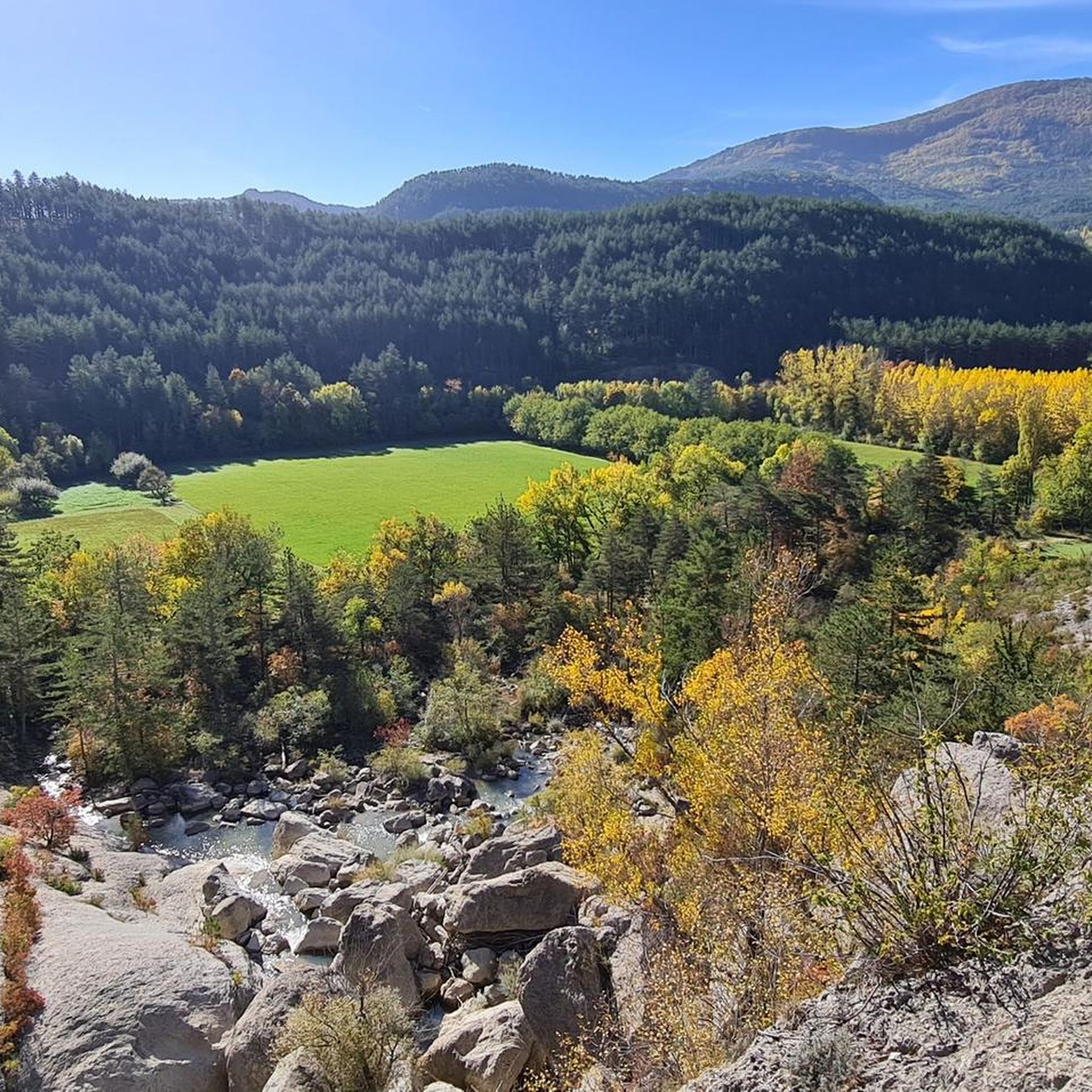
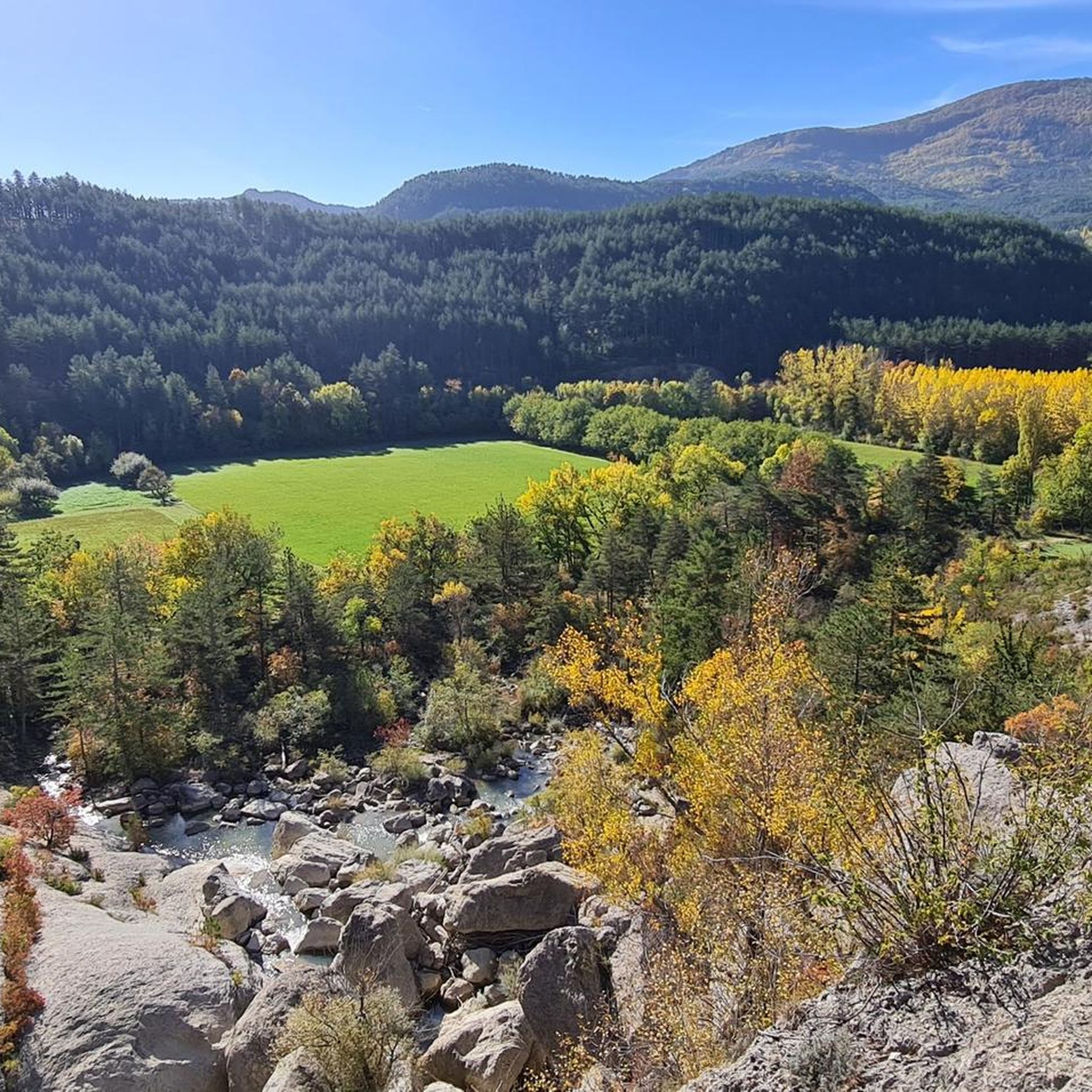
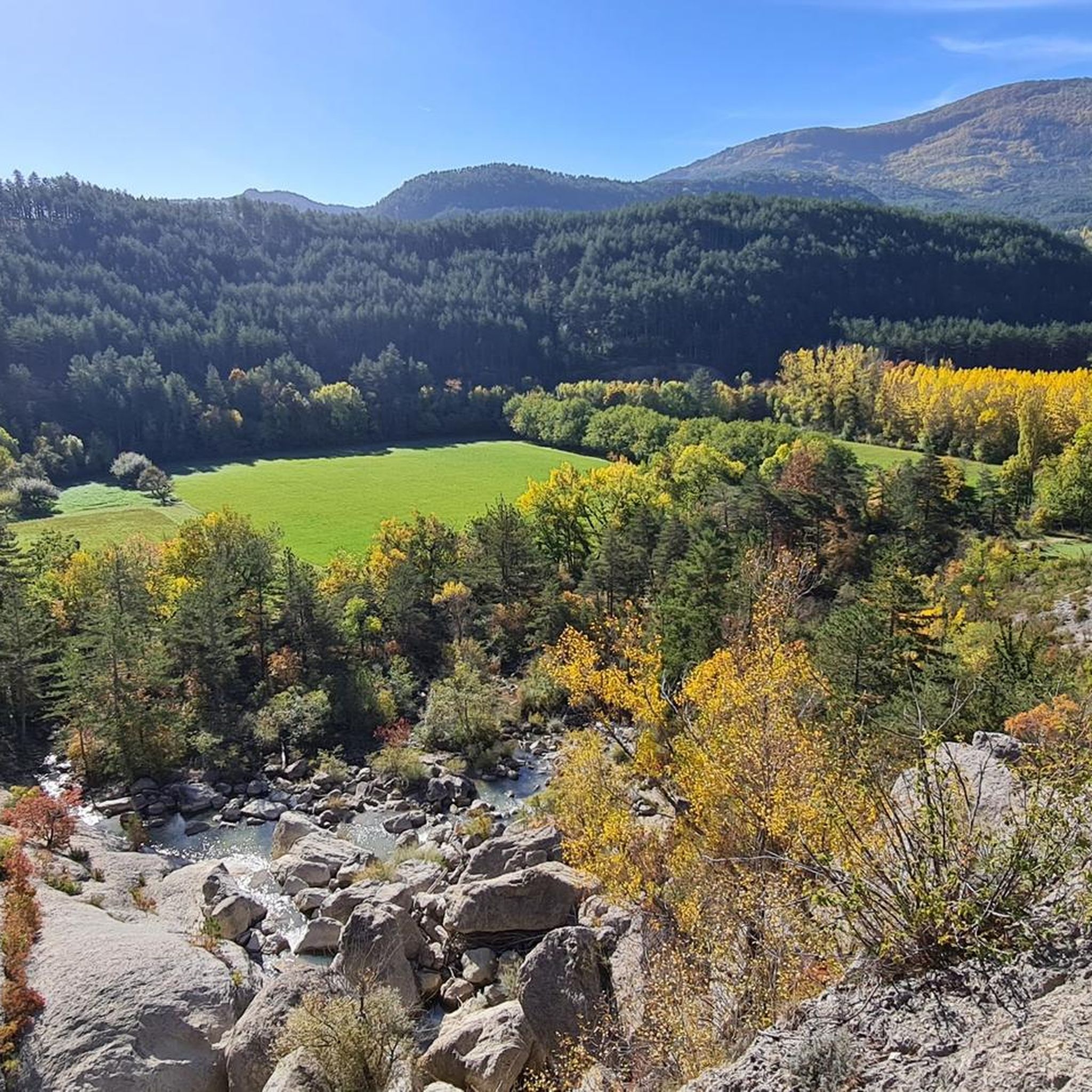
It all began in 1442 when a foundation broke away from the southern flank of Pic de Luc. As it slid, it hit a limestone spur, divided, broke into enormous blocks and blocked the Drôme at two points... thus two lakes were formed: the Petit downstream and the Grand upstream. The “Grand Lac” is 5 km long and arouses envy because it is full of fish. In 1561 it thus became the property of the Carthusians of Durban, monks to whom meat was forbidden. It was only in 1804 that a huge block, the “dad”, was pierced to let the water flow at the location of the current Saut de la Drôme. This vast dry body of water now gives way to an agricultural plain (ruined Bouligons farm and its formerly cultivated terraces) and the Bouligons marsh, the last vestige of the disappeared lake. The need to avoid the Claps during the construction of the “Briançonnais” railway line at the beginning of the 20th century also gave the site a magnificent viaduct, 244 m long and 44 m high.
1
0
Typical village of Haut-Diois, former Roman capital of the region. There you will find water at the fountain, public toilets and above all a superb organic grocery store La Milpa, just opposite the bakery. It is the last village before Claps, and probably the last shops you will find before going to the other side of the Col de Cabre.
0
0

Châtillon-en-Diois is located in the Drôme, at the foot of the Vercors Regional Natural Park. It is a beautiful medieval village.
2
0

Beautiful and impressive site.
0
0

It's a pretty little village where you will find a few bars and a small supermarket to stock up on supplies.
1
0

Nice little place, nice church and some bars. Next to the church a small super. On the Drôme also a nice campsite.
0
0

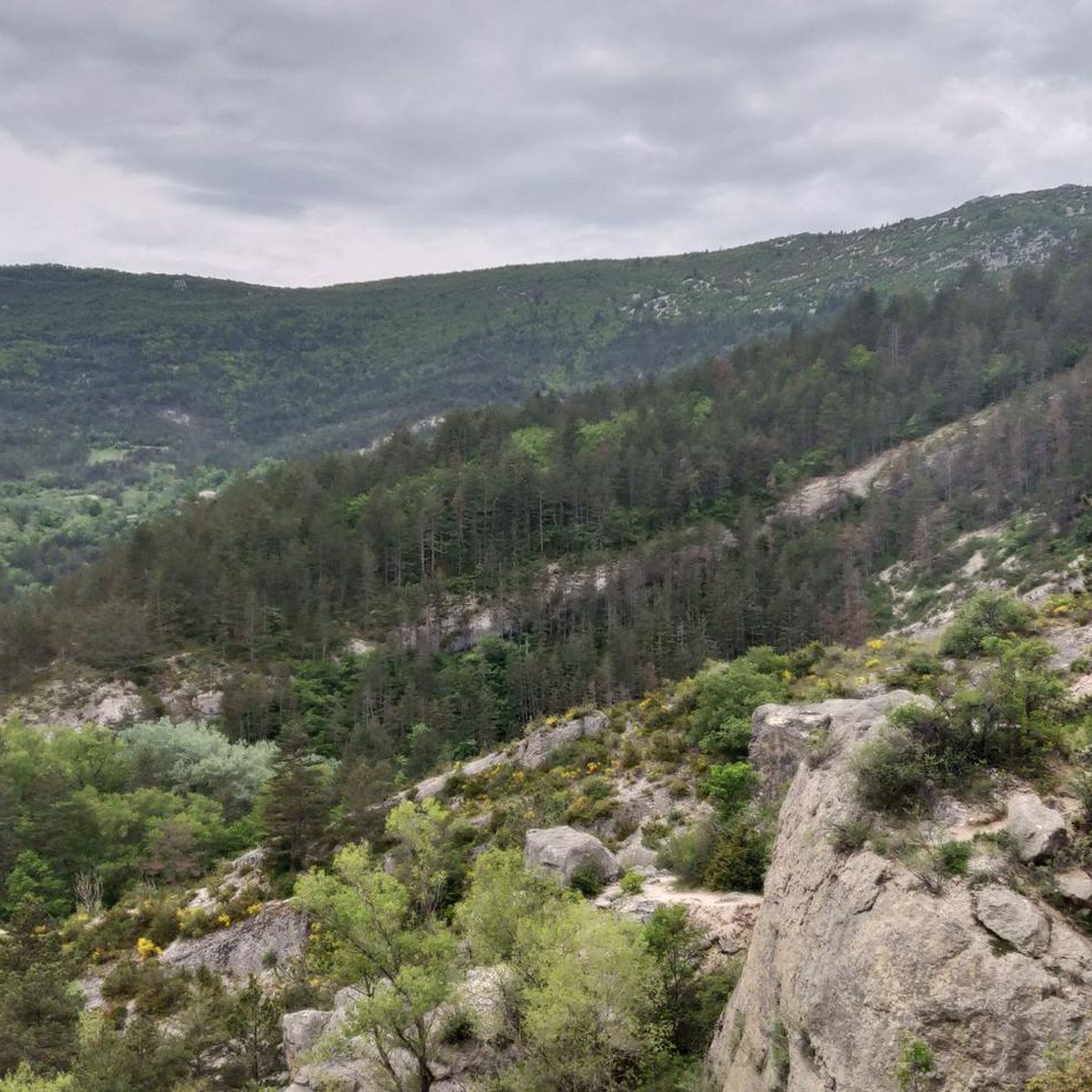
The La Drôme jump is impressive and definitely worth the detour. The so-called Claps is a spectacular collapse of part of the mountain, overlooking the river. We can still clearly see the geological accident and the sliding of this enormous rock mass. This grandiose place is also a reservoir in summer where you can cool off in the shade of the pine trees and see the Drôme waterfall. It’s also an ideal climbing site: more than 120 routes for all levels and a via ferrata.
1
0
Frequently Asked Questions
How many running routes are available in Luc-en-Diois?
There are over 70 running routes available around Luc-en-Diois, catering to various fitness levels. You'll find everything from easy riverside paths to more challenging mountain trails.
Are there easy running routes suitable for beginners in Luc-en-Diois?
Yes, Luc-en-Diois offers several easier running options. For instance, the region has a number of moderate trails, and the paths along the Drôme River provide a gentle terrain for those new to running or looking for a relaxed pace.
Can I find circular running routes in the area?
Absolutely. Many of the running trails in Luc-en-Diois are circular, allowing you to start and finish at the same point. A great example is the Le Claps loop from Luc-en-Diois, which is a moderate 4.0-mile (6.4 km) route exploring the dramatic landscape of the Claps.
What natural attractions can I see while running in Luc-en-Diois?
The region is rich in natural beauty. You can run past the spectacular Saut de la Drôme and the Claps, a site of enormous limestone boulders where the Drôme River rushes through cascades. Other routes might take you along the serene Drôme River itself, or offer views of the Col de Pennes.
Are there any running routes suitable for families?
While specific 'family-friendly' routes are not explicitly categorized, many of the easier and moderate paths along the Drôme River or shorter loops would be suitable for families looking for a gentle run or walk together. The varied terrain ensures there are options for different ages and abilities.
Are the running trails in Luc-en-Diois dog-friendly?
Generally, trails in natural areas like Luc-en-Diois are dog-friendly, especially if dogs are kept on a leash. It's always recommended to check local signage or specific route descriptions for any restrictions, particularly in nature reserves. The quiet paths along the Drôme River are often popular for walks with dogs.
What is the best time of year for running in Luc-en-Diois?
Luc-en-Diois experiences a Mediterranean climate with mountainous influences. Summers are warm and dry, making them ideal for running, especially in the mornings or evenings. Spring and autumn also offer pleasant temperatures and beautiful scenery, with spring bringing vibrant wildflowers. Winters can be rigorous, but many trails in the South Diois remain accessible due to less frequent snow.
Are there options for running in winter?
Yes, while some higher-altitude trails might be affected by snow, many routes in the South Diois remain open during winter. The region's diverse terrain means you can often find accessible paths for running, especially along lower elevations or riverbanks, offering a unique winter experience.
What kind of wildlife might I spot on the trails?
The Drôme River is known for its clear waters and is home to wildlife such as beavers. In the broader Pays Diois region, particularly around the Cirque d'Archiane, you might spot vultures. The Vallon de Combeau, part of the Réserve Naturelle des Hauts Plateaux du Vercors, is also a significant natural reserve with diverse flora and fauna.
Are there running routes accessible by public transport?
While specific public transport links to trailheads are not detailed, Luc-en-Diois itself is a village. Many routes, such as the Luc-en-Diois – Saut de la Drôme and the Claps loop, start directly from the village, making them accessible if you can reach Luc-en-Diois by local transport.
Where can I find parking near the running trailheads?
Many running routes in Luc-en-Diois, especially those starting from the village or other settlements like Recoubeau-Jansac, typically have designated parking areas nearby. For routes like the Pic de Luc loop, starting points are often well-known and provide parking options for visitors.
What do other runners say about the trails in Luc-en-Diois?
The running routes in Luc-en-Diois are highly rated by the komoot community, with an average score of 4.2 stars from over 20 reviews. Runners often praise the varied terrain, from quiet riverside paths to challenging ascents, and the dramatic natural landscapes like the Claps.
Are there any challenging running routes for experienced runners?
Yes, Luc-en-Diois offers challenging routes for experienced runners. Trails like the Pic de Luc loop from Luc-en-Diois, a 5.6-mile (9.0 km) route with significant elevation gain, provide a demanding experience. The region's mid-mountain relief and passes like the Col de Pennes offer gradients up to 10%, perfect for those seeking a strenuous run.
Most popular routes around Luc-En-Diois
Most popular attractions around Luc-En-Diois

Get inspired with the komoot mobile app


Explore more
Browse the best Running Trails & Routes in other regions.
