The best road cycling routes around Le Saulcy
4.6
(80)
2,158
riders
86
rides
Road cycling routes around Le Saulcy are situated within the Vosges mountains, offering a diverse and challenging terrain for cyclists. The region features extensive forests, numerous mountain passes, and varied elevation profiles. Roads often include long climbs and descents, providing a non-monotonous cycling experience. Le Saulcy's location within the Vosges Regional Nature Park ensures routes traverse preserved natural landscapes.
Best road cycling routes around Le Saulcy
- The most popular road cycling route is Urbeis Pass – Salcée Pass loop from La Petite-Raon, a 42.7 miles (68.8 km) trail that takes 3 hours 42 minutes to complete. This difficult route features significant elevation gain through mountain passes.
- Another top favourite among local road cyclists is Climb Senones loop from La Petite-Raon, a moderate 23.5 miles (37.9 km) path. This route offers a mix of climbs and scenic sections through the region's forested landscapes.
- Local road cyclists also love the Col de Steige – Salcée Pass loop from Plaine, a 12.7 miles (20.5 km) trail leading through mountain passes and valleys, often completed in about 1 hour 9 minutes.
- Road cycling around Le Saulcy is defined by mountainous terrain, extensive forests, and numerous mountain passes. The network offers options for easy, moderate, and difficult ability levels.
- The routes in Le Saulcy are highly rated by the komoot community with an average score of 4.7 stars from over 60 reviews. More than 2000 road cyclists have used komoot to explore Le Saulcy's varied terrain.
Last updated: May 24, 2026
4.8
(4)
118
riders
68.8km
03:43
1,250m
1,250m
Hard road ride. Very good fitness required. Mostly well-paved surfaces and easy to ride.
18
riders
53.1km
02:15
320m
320m
Moderate road ride. Good fitness required. Some segments of this route may be unpaved and difficult to ride.

Sign up for free
3.0
(1)
13
riders
22.7km
00:57
140m
140m
Easy road ride. Great for any fitness level. Mostly well-paved surfaces and easy to ride.
11
riders
33.2km
01:28
230m
230m
Easy road ride. Great for any fitness level. Mostly well-paved surfaces and easy to ride.
5.0
(1)
15
riders
53.7km
02:20
330m
330m
Moderate road ride. Good fitness required. Some segments of this route may be unpaved and difficult to ride.
Get access to more routes and recommendations from other explorers.
Sign up for free
Already have an account?
Our route recommendations are based on thousands of hikes, rides, and runs completed by other people on komoot.
Start today with a free account
Your next adventure awaits.
Login or Signup

Tips from the Community

Beautiful route, pleasant but lots of bikers...
0
0

It is located on the left bank of the Meurthe, at number 14 rue Denfert-Rochereau. The Saint-Georges church is the church of La Neuveville-lès-Raon, which merged with Raon-l'Etape in 1947. It was built between 1835 and 1838 according to the plans of the district architect Boucher de Saint-Dié. The church was fitted out in 1894. In 1905 the dome was rebuilt. From 1973 to 1978, major restoration work was carried out, both interior and exterior. Inside, among other things, there is an old statue of Our Lady of Sorrows, a painting of Saint Nicholas, who is also the patron saint of wood-floaters, a painted wooden Christ, and a memorial chapel (1922).
0
0

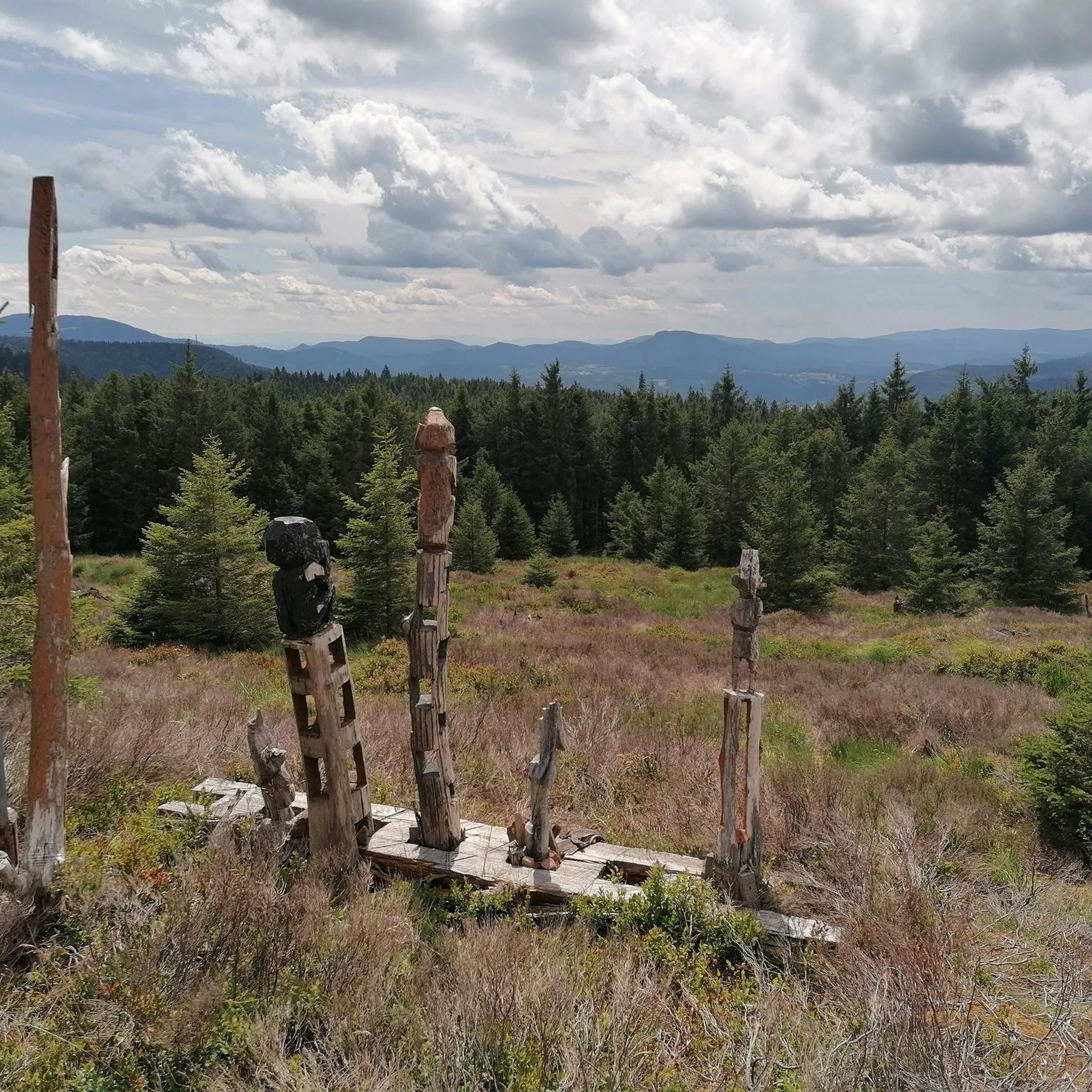
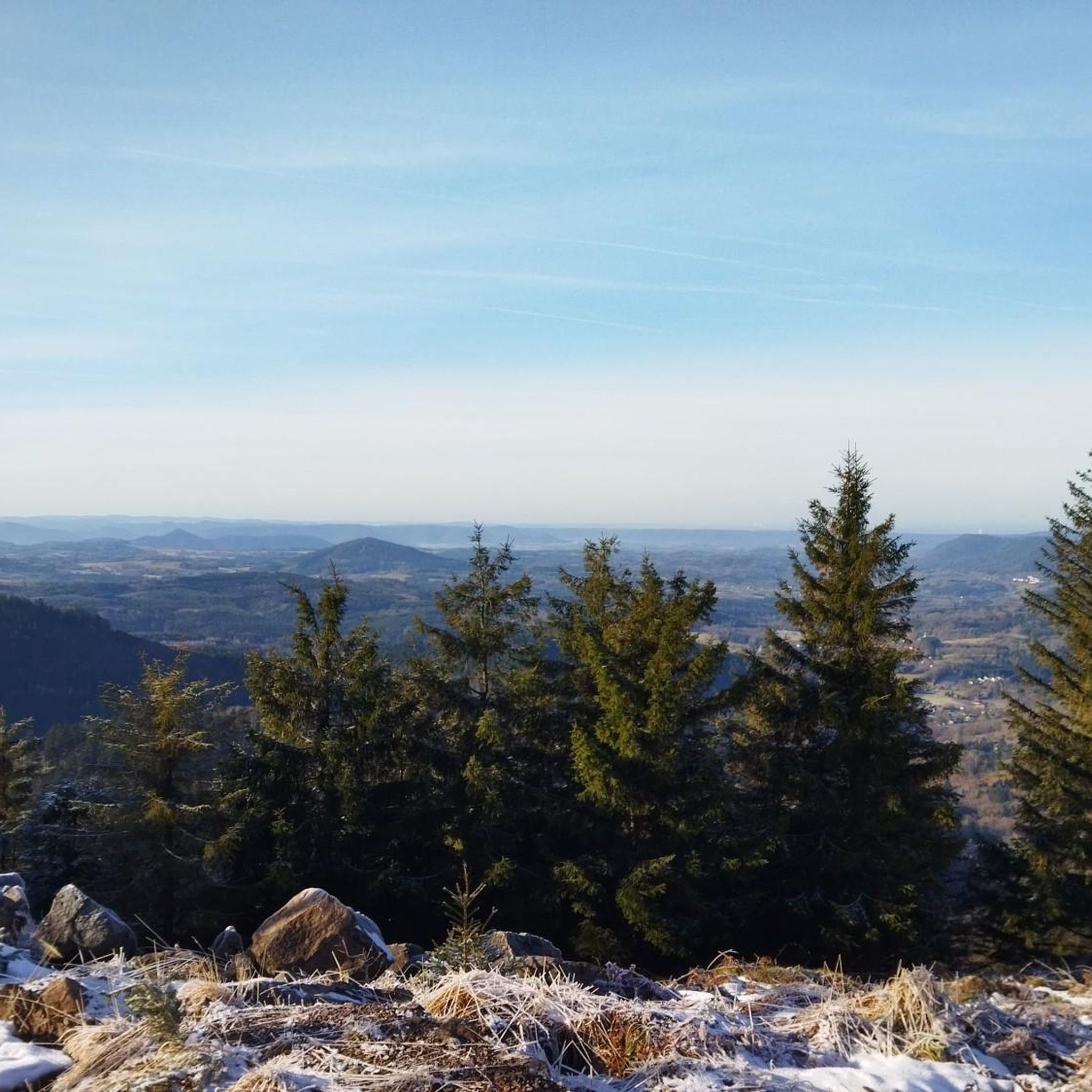
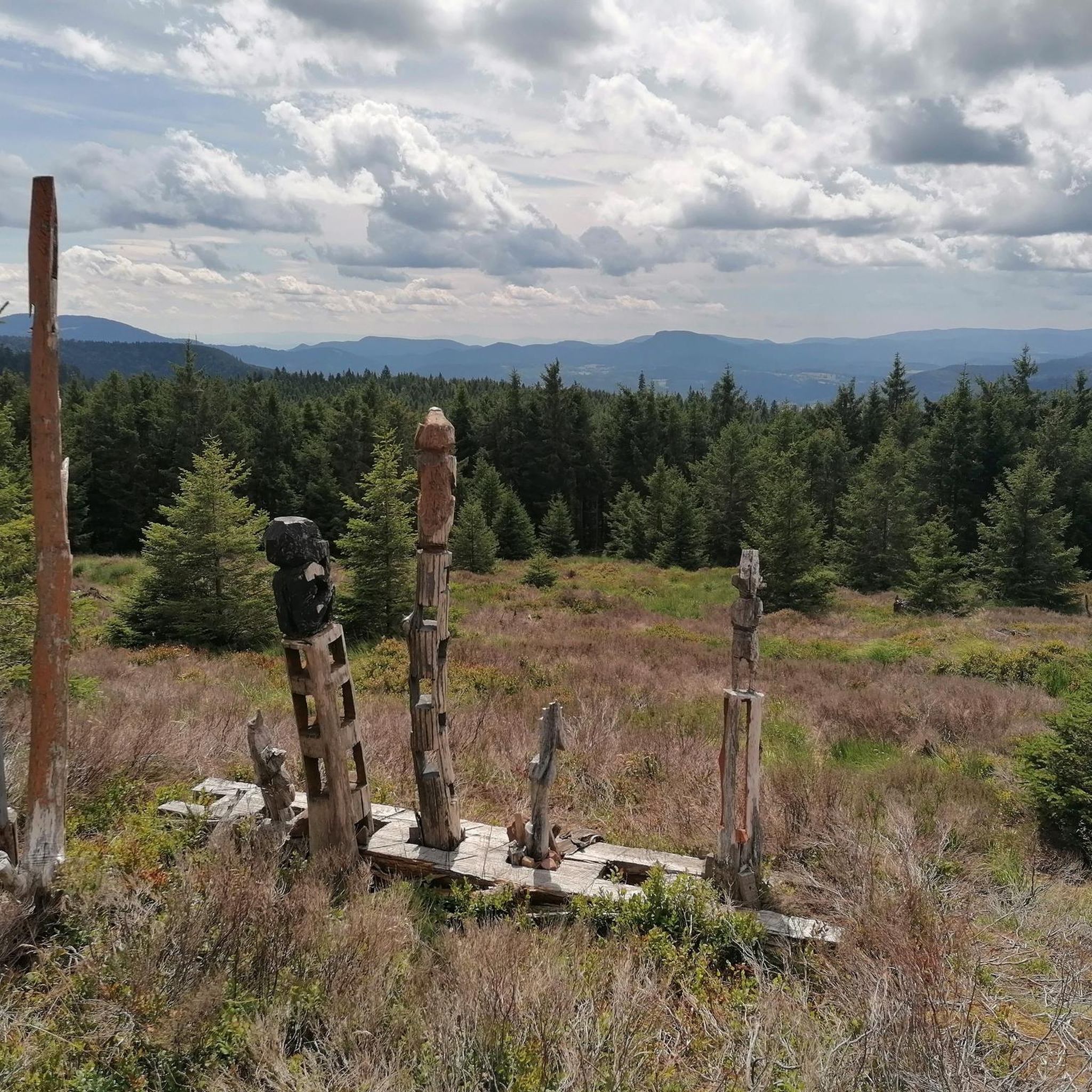
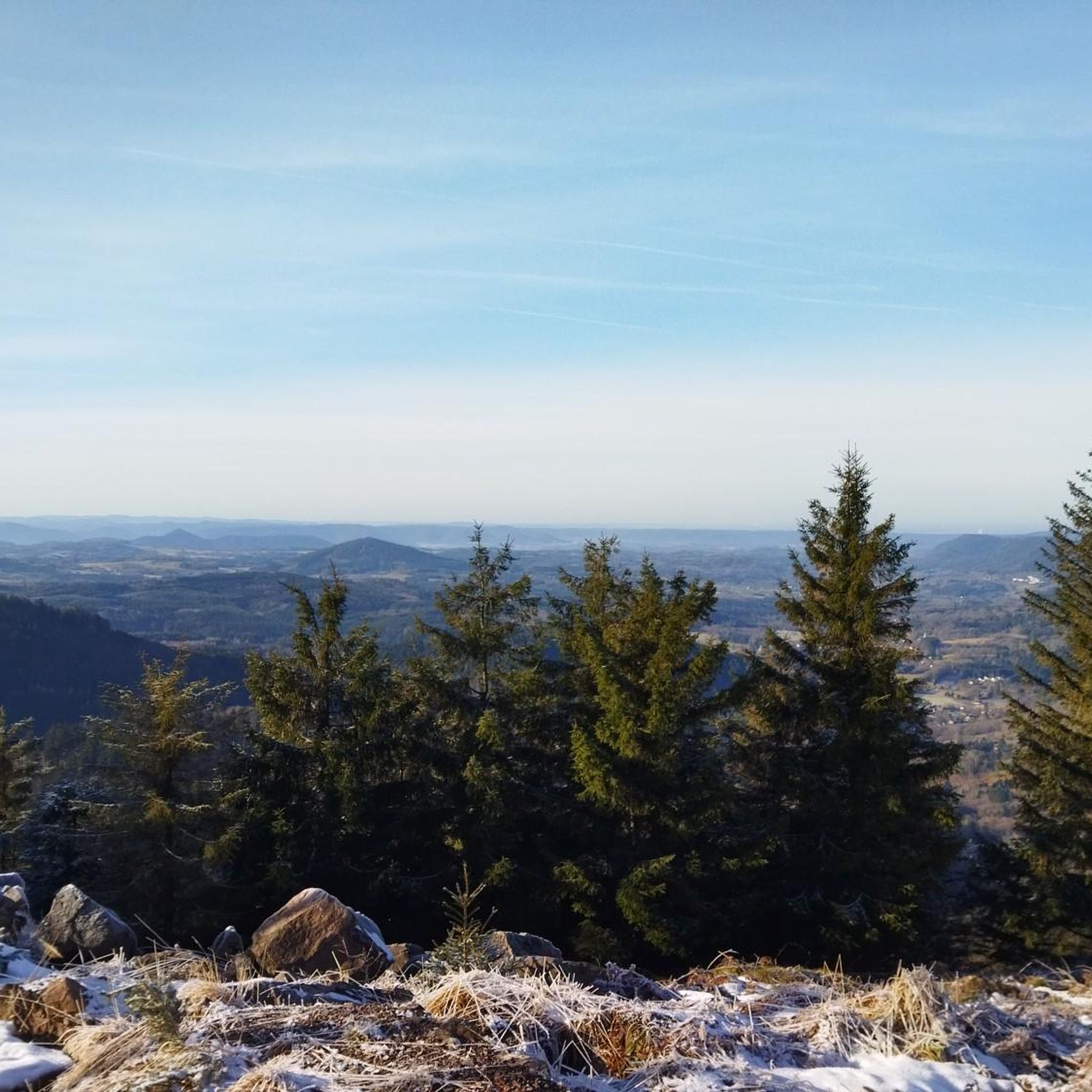
Beautiful ascent via Stampoumont and then a rest area with a magnificent view
0
0

Lac de la Plaine is a picturesque lake in the Vosges, located near Celles-sur-Plaine, near the larger Lac de Pierre-Percée. The lake is an artificial water reservoir of about 0.5 million m³ and serves as a supply basin for the reservoir above.
1
0

As in Germany, most fountains are merely decorative and labeled "Water not suitable for drinking." It's therefore all the more pleasant to find a fountain here that even explicitly says "drinking water." One of the few fountains in the area has drinking water.
0
0

The Second Princes' Palace of Salm was built between 1773 and 1778 by Ludwig Karl Otto. After the prince's escape in 1793, it was converted into a cotton mill. After this period, the building fell into disrepair. It has now been restored and is used as a residential building.
0
0

Near the Pierre-Percée lake, the Plaine lake is smaller, less known but just as charming. It also has the advantage of being bordered by a beautiful cycle path. Not the surface we prefer for mountain biking, but a great way to advance in the valley to access the many spots of the Vosges.
0
0

The Senones monastery, an abbey in the Rabodeau valley in the present-day town of Senones in Lorraine, was founded in 661 by Saint Gondelbert, the former Archbishop of Sens. The documentary evidence is incomplete. The Benedictine monk Richer of Senones wrote the story up to 1263. However, his work is disputed. Around two hundred monks are said to have lived in the abbey in the 9th century. The monastery became a fief of the bishops of Metz, and Angilram in particular tried to gain ties. The order's power lay with the diocese of Toul. In 1103, Kunegund, the widow of Matfried of Tincry, and her sons donated goods to the abbey's Tures priory. Her eldest son Gobert became vogt of Senones in 1105. From 1111 to 1126, Hermann II of Salm was vogt. His son Henry I continued his work. Abbot Augustin Calmet became famous through his Bible commentary La Saint Bible en Latin et en françois, avec une commentaire littéral et critique. Prince Konstantin Alexander Joseph of Salm-Salm ordered the secularization of Senones Abbey on February 24, 1790, against which the abbey protested in the chapter on March 1 and filed a complaint with the Imperial Chamber Court in Wetzlar. Nevertheless, the monastery was dissolved in 1793. The bell tower is from the High Middle Ages, the other buildings date from the 18th and 19th centuries. In 1983, the abbey was classified as a monument historique by the French Ministry of Culture. https://de.wikipedia.org/wiki/Abtei_Senones
2
3
Frequently Asked Questions
What kind of terrain can I expect when road cycling around Le Saulcy?
Road cycling around Le Saulcy is characterized by mountainous terrain, extensive forests, and numerous mountain passes. You'll encounter a diverse and challenging landscape with varied elevation profiles, including long climbs and descents. The region's location within the Vosges Regional Nature Park ensures routes traverse preserved natural landscapes, offering a non-monotonous cycling experience.
Are there road cycling routes suitable for beginners or those looking for an easier ride?
Yes, while Le Saulcy is known for its challenging terrain, there are options for all ability levels. For an easier ride, consider the Col de Steige – Salcée Pass loop from Plaine. This 12.7-mile (20.5 km) route leads through mountain passes and valleys and is often completed in about 1 hour 9 minutes. There are 8 easy routes in total available in the area.
What are some notable mountain passes I can cycle in the Le Saulcy region?
The Le Saulcy region, nestled in the Vosges, offers several significant mountain passes for road cyclists. The Col de Mandray (694 m) is a well-known, steady climb offering beautiful views over the Meurthe valley. Another scenic option is the Col du Pré de Raves, which provides a pleasant route through dense forests, often serving as an alternative to busier roads. You can also explore passes like Salcée Pass and Col du Donon.
Are there any family-friendly road cycling options in Le Saulcy?
While many routes feature significant climbs, some sections through valleys and forests can be more suitable for families. Look for routes categorized as 'easy' or 'moderate' that avoid the steepest mountain passes. The region's tranquil roads and scenic beauty make it enjoyable for families seeking a less strenuous ride, though specific dedicated family paths might be limited to flatter valley sections.
What natural features or landmarks can I see along the road cycling routes?
The region offers stunning natural beauty and points of interest. Cyclists can enjoy panoramic views from various points, such as the Meurthe valley from Col de Mandray. Routes often pass through picturesque valleys like the Petite Meurthe and extensive forests. For specific landmarks, consider routes that offer views of Donon Temple on Mont Donon or the distinctive peak of The Hanging Cat (La Chatte Pendue), both offering expansive views of the surrounding massifs.
What is the best time of year to go road cycling in Le Saulcy?
The best time for road cycling in Le Saulcy is generally from spring through autumn. During these seasons, the weather is more favorable, and the natural landscapes are at their most vibrant. Summer offers warmer temperatures and lush greenery, while autumn provides cooler rides amidst stunning fall foliage. Always check local weather forecasts before heading out, especially for mountain passes where conditions can change rapidly.
Are there any circular road cycling routes available?
Yes, many of the road cycling routes around Le Saulcy are designed as loops, allowing you to start and finish in the same location. Examples include the challenging Urbeis Pass – Salcée Pass loop from La Petite-Raon, or the moderate View from La Fontenelle – Climb Senones loop from La Petite-Raon. These circular routes are popular for their convenience and varied scenery.
What do other road cyclists say about the routes in Le Saulcy?
The road cycling routes in Le Saulcy are highly rated by the komoot community, with an average score of 4.7 stars from over 60 reviews. Reviewers often praise the diverse and challenging terrain, the extensive forests, and the numerous mountain passes that provide a non-monotonous cycling experience. Many appreciate the preserved natural landscapes within the Vosges Regional Nature Park.
Is there parking available for cyclists in Le Saulcy?
Yes, parking is generally available in and around Le Saulcy, particularly in villages and at popular starting points for routes. While specific designated cyclist parking areas may vary, you can usually find suitable spots in village centers or near trailheads. It's advisable to check local signage for any parking restrictions.
Can I bring my dog on road cycling routes in Le Saulcy?
While the focus is on road cycling, which typically isn't ideal for dogs to run alongside, some quieter roads or paved paths might be suitable if your dog is in a trailer or basket. However, the mountainous terrain and potential for traffic on some routes mean that most road cycling is not inherently dog-friendly in the traditional sense. For off-road or walking with dogs, other types of trails might be more appropriate.
Are there any cafes or restaurants along the road cycling routes in Le Saulcy?
Yes, as you cycle through the villages and towns in the Le Saulcy region, you will find opportunities to stop at local cafes, bakeries, and restaurants. These establishments offer a chance to refuel and experience local cuisine. It's a good idea to plan your route to include stops in larger villages for the best selection of amenities.
Most popular attractions around Le Saulcy

Get inspired with the komoot mobile app


Explore more
Browse the best Road cycling routes in other regions.
