The best road cycling routes around Luvigny
4.8
(31)
935
riders
16
rides
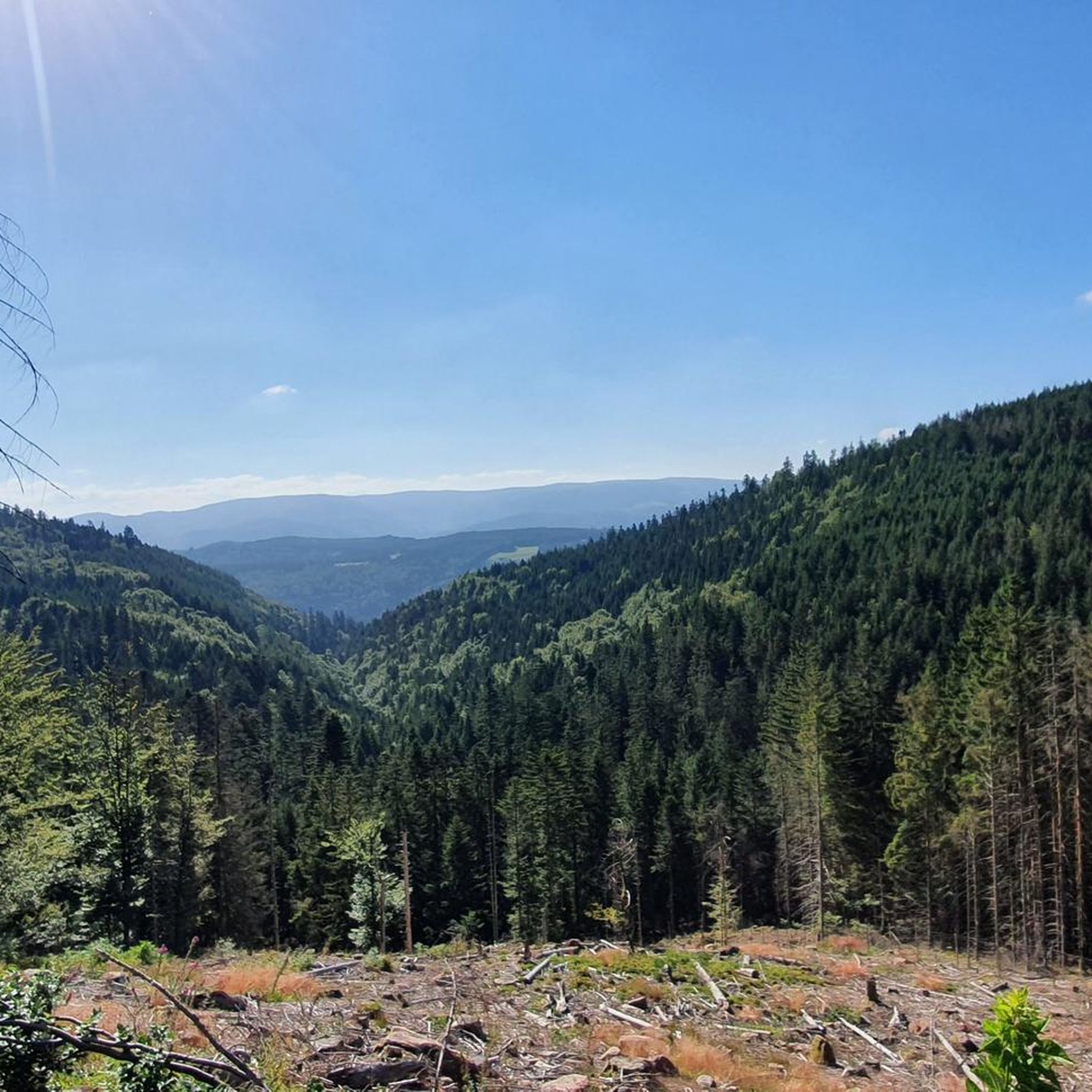
Road cycling routes around Luvigny traverse the picturesque Vosges Mountains, characterized by rolling "balloons," dense pine forests, and open mountain pastures. The region offers long, manageable climbs with elevations reaching up to 1,300 meters, providing panoramic views. The nearby Bruche Valley features wooded sections and routes through villages alongside the river, often with dedicated cycle paths. This area provides a blend of quiet forests and roads suitable for an immersive cycling experience.
Best road cycling routes around Luvigny
- The most…
Last updated: June 22, 2026
4.8
(10)
189
riders
61.0km
03:06
1,020m
1,020m
Hard road ride. Very good fitness required. Mostly well-paved surfaces and easy to ride.
33
riders
40.5km
02:07
560m
560m
Moderate road ride. Good fitness required. Mostly well-paved surfaces and easy to ride.

Sign up for free
5.0
(1)
26
riders
55.8km
02:32
450m
450m
Moderate road ride. Good fitness required. Some segments of this route may be unpaved and difficult to ride.
5.0
(1)
29
riders
19.7km
01:07
440m
440m
Moderate road ride. Good fitness required. Mostly well-paved surfaces and easy to ride.
35
riders
15.9km
00:50
230m
230m
Moderate road ride. Great for any fitness level. Some segments of this route may be unpaved and difficult to ride.
Get access to more routes and recommendations from other explorers.
Sign up for free
Already have an account?
Our route recommendations are based on thousands of hikes, rides, and runs completed by other people on komoot.
Start today with a free account
Your next adventure awaits.
Login or Signup
Tips from the Community

The visit of the little train is worth the detour!
0
0

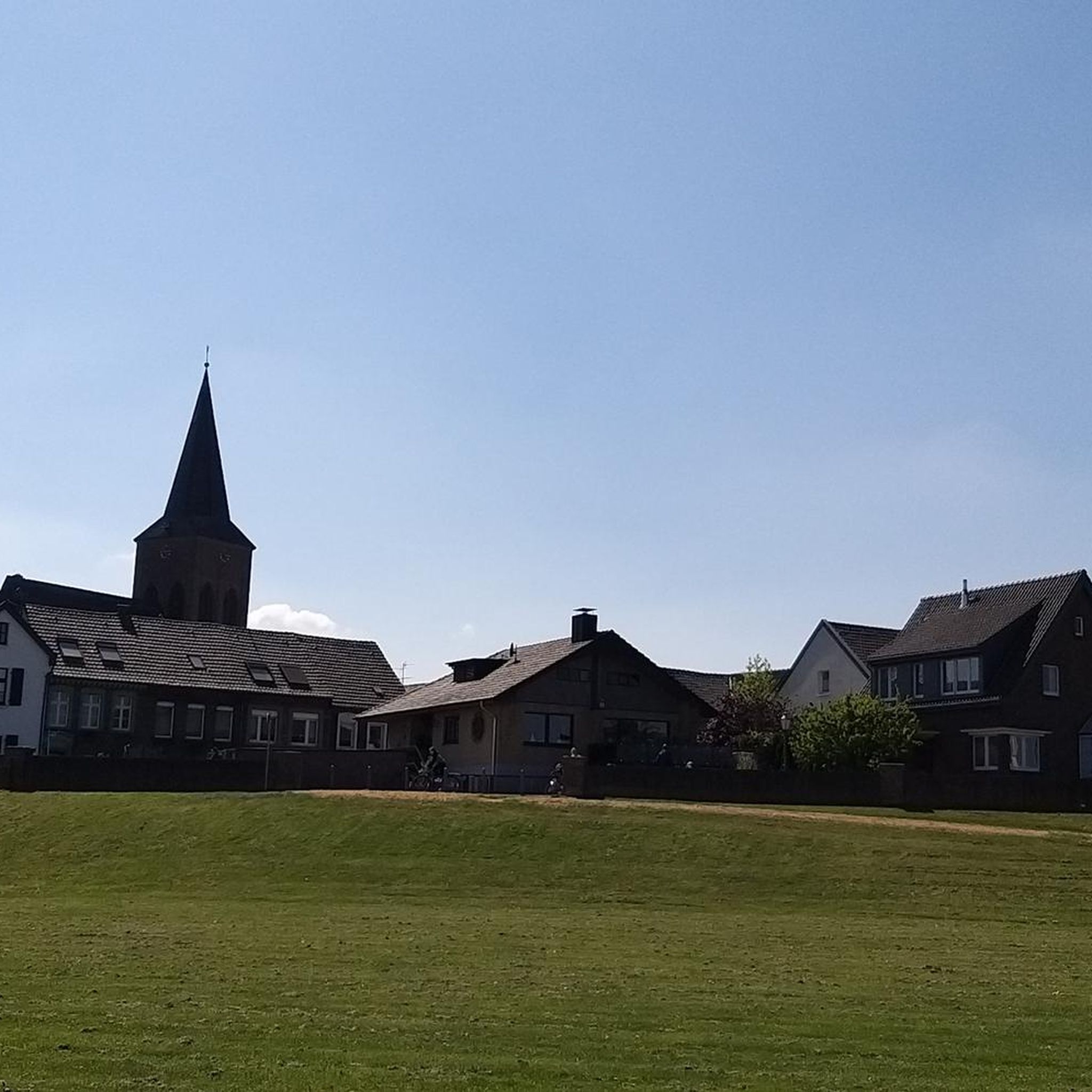
The Saint Barthélémy church, built in 1779. The current 3 bells date from 1922 and replace those taken by the Germans in 1917. They are named Louise, Pauline and Joséphine[146]. The church of Luvigny houses the statue of Notre-Dame de la Maix[147], a black virgin in painted wood probably dating from the 18th century. It is listed in the inventory of historical monuments. For a very long time, a procession took place on Corpus Christi day: the virgin of la Maix was carried during a procession going to the lake of la Maix, where mass was celebrated.
0
0
It is located on the left bank of the Meurthe, at number 14 rue Denfert-Rochereau. The Saint-Georges church is the church of La Neuveville-lès-Raon, which merged with Raon-l'Etape in 1947. It was built between 1835 and 1838 according to the plans of the district architect Boucher de Saint-Dié. The church was fitted out in 1894. In 1905 the dome was rebuilt. From 1973 to 1978, major restoration work was carried out, both interior and exterior. Inside, among other things, there is an old statue of Our Lady of Sorrows, a painting of Saint Nicholas, who is also the patron saint of wood-floaters, a painted wooden Christ, and a memorial chapel (1922).
0
0

Beautiful hiking destination, there is also a cycling route
0
0

Beautiful climb and lovely view at the pass - Altitude 728m Restaurants (inns) at the pass
0
0


Situated in the heart of the Vosges, this dam, together with Lac de la Plaine, forms an important water reservoir. The dam was built to feed Lac de Pierre-Percée via an underground system. The climb up to it is gradual and rewards you with a view of the peaceful Lac de la Plaine. The road along the lake is ideal for a breather, with little traffic and lots of nature. Perfect for a short break or a photo opportunity during your ride.
9
0
Lac de la Plaine is a picturesque lake in the Vosges, located near Celles-sur-Plaine, near the larger Lac de Pierre-Percée. The lake is an artificial water reservoir of about 0.5 million m³ and serves as a supply basin for the reservoir above.
1
0
Frequently Asked Questions
What kind of terrain can I expect when road cycling around Luvigny?
The Luvigny area, nestled in the Vosges Mountains, offers a diverse road cycling experience. You'll encounter rolling 'balloons,' dense pine forests, and open mountain pastures. Expect long but manageable climbs, with elevations reaching up to 1,300 meters, often rewarding you with stunning panoramic views. The nearby Bruche Valley provides a mix of wooded sections and routes through charming villages alongside the river, frequently utilizing dedicated cycle paths.
Are there challenging climbs for experienced road cyclists near Luvigny?
Yes, the region offers several challenging ascents. The Saint-Quirin Church – Col du Donon loop from Grandfontaine is a difficult route with significant elevation gain. More athletically inclined cyclists can also venture onto steeper climbs like the Col du Donon or the renowned Champ du Feu from the Bruche Valley, both offering substantial challenges.
Are there any moderate road cycling routes suitable for a less intense ride?
Absolutely. Many routes around Luvigny are classified as moderate. For instance, the Donon Pass – Col du Donon loop from Grandfontaine offers a moderate challenge with rewarding views. Another option is the Les Noires Colas – Lake La Plaine loop from Raon-sur-Plaine, which provides a scenic moderate ride.
What are some scenic viewpoints or landmarks I can see while road cycling near Luvigny?
The region is rich in natural beauty and historical sites. While cycling, you might pass by the historic Donon Temple, which offers sublime views. The nearby Le Petit Donon and the Mountain Trail to Mont Donon are also notable. For stunning vistas, consider routes that ascend to the Col du Donon or the Champ du Feu. The Fairies' Rock and the Source of the Red Saar are also points of interest in the natural landscape.
Are there any family-friendly road cycling options around Luvigny?
While many routes involve significant climbs, the Bruche Valley, near Luvigny, is known for its cycle paths like the VéloBruche. These often provide more leisurely rides through wooded sections and charming villages, away from heavy traffic, making them more suitable for families or those seeking a gentler experience. The La Voie Bleue, a cycle route along the Canal des Vosges, also offers car-free paths for an effortless ride.
What do other road cyclists enjoy most about the Luvigny area?
The road cycling routes around Luvigny are highly rated by the komoot community, with an average score of 4.8 stars from over 20 reviews. Cyclists often praise the immersive experience offered by the quiet forests and roads, the blend of French and German influences in the landscape, and the rewarding panoramic views from the higher elevations.
Are there any circular road cycling routes available?
Yes, many routes around Luvigny are designed as loops. Examples include the Saint-Quirin Church – Col du Donon loop from Grandfontaine, the Donon Pass – Col du Donon loop from Grandfontaine, and the Vieux-Pré Dam – War Memorial of Pierre-Percée loop from Celles-sur-Plaine. These circular routes allow you to start and finish at the same point, making logistics easier.
What is the best time of year for road cycling in the Vosges Mountains near Luvigny?
The best time for road cycling in the Vosges Mountains is typically from late spring through early autumn (May to October). During these months, the weather is generally milder, and the mountain passes are clear of snow. Summer offers the warmest temperatures, while spring and autumn provide beautiful foliage and fewer crowds. Always check local weather forecasts before heading out, especially for higher elevations.
Are there any castles or historical sites accessible by road bike near Luvigny?
Yes, the region features several historical castles. You can find routes that pass near or offer views of sites such as Salm Castle, Schirmeck Castle, Turquestein Castle, and Pierre-Percée Castle. These historical landmarks add a cultural dimension to your cycling adventure.
Can I find cafes or places to stop for refreshments along the road cycling routes?
While Luvigny itself is a small community, the broader Vosges region and the charming villages along routes, particularly in the Bruche Valley, often have cafes, bakeries, or small shops where you can stop for refreshments. The La Voie Bleue cycle route, for example, is dotted with cultural and gastronomic stops. Planning your route in advance and checking for amenities in towns along your path is recommended.
Are there long-distance road cycling routes available from Luvigny?
Yes, for those seeking longer rides, the region offers options that can be combined for extended distances. The Col du Donon – The Great Lock of Réchicourt loop from Grandfontaine is a challenging long-distance route covering over 120 km. Additionally, the broader Vosges area connects to routes like the Route des Crêtes and La Voie Bleue, which are designed for longer journeys and can be accessed from Luvigny's vicinity.
Most popular attractions around Luvigny

Get inspired with the komoot mobile app


Explore more
Browse the best Road cycling routes in other regions.
