The best cycling routes around Allarmont
4.5
(140)
1,366
riders
103
rides
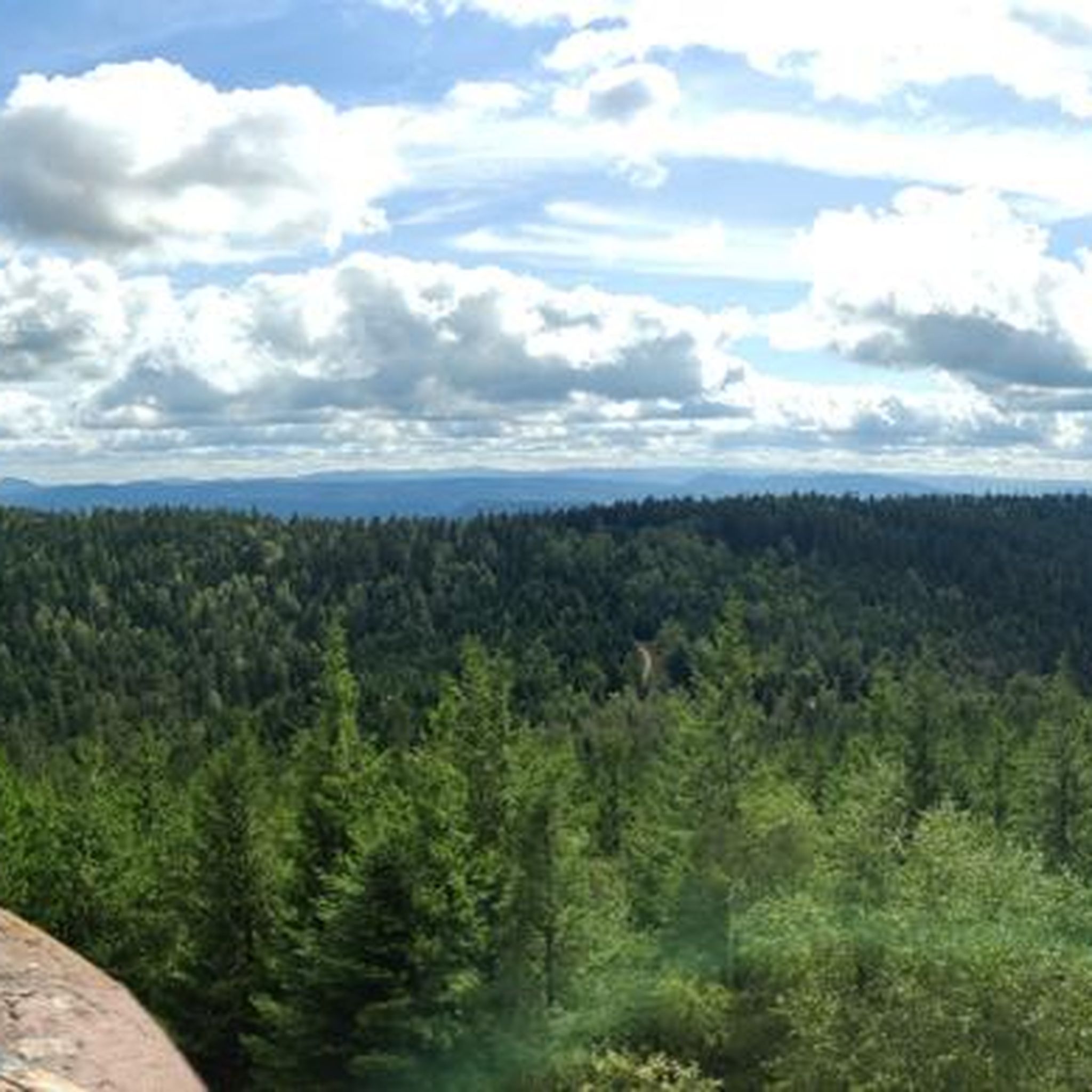
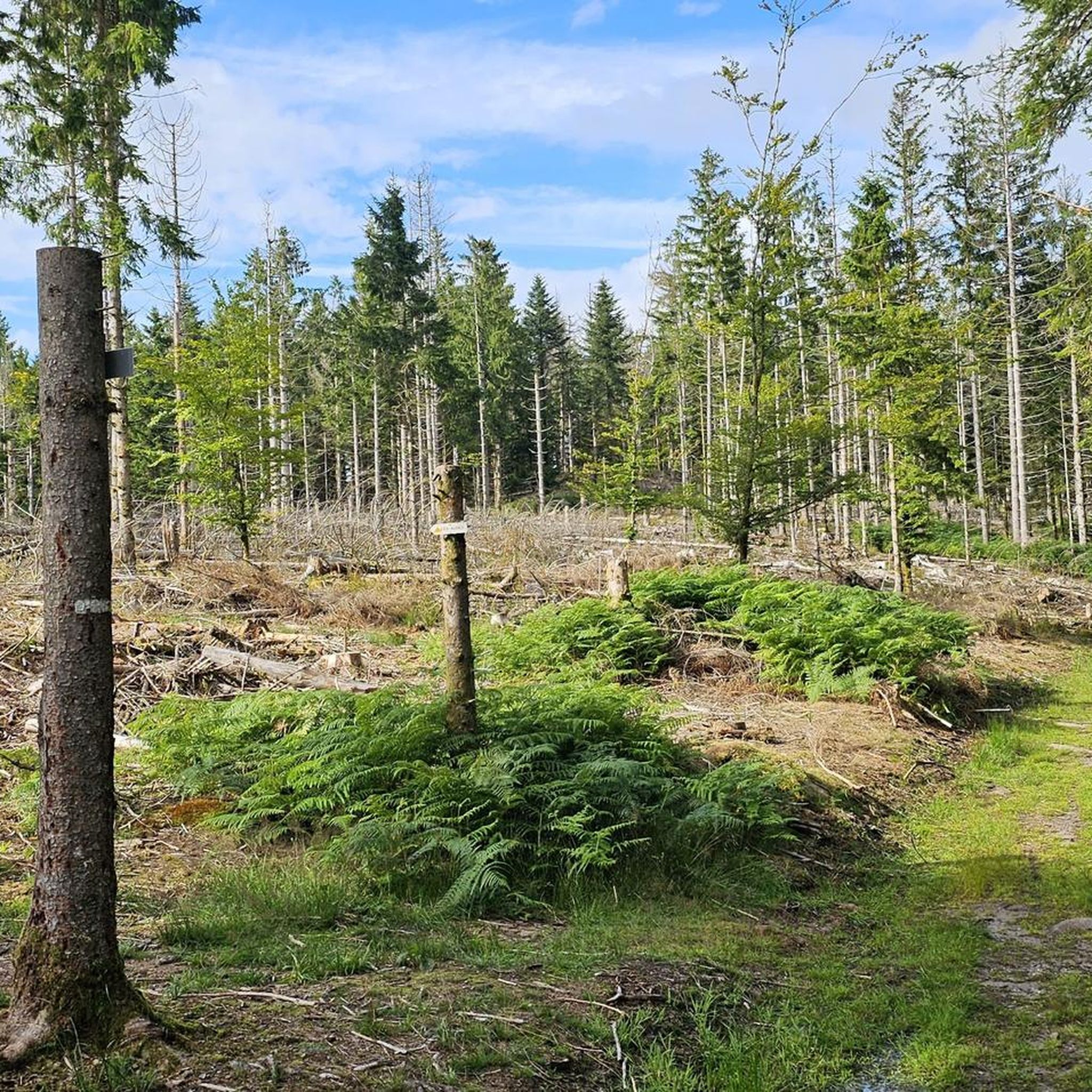
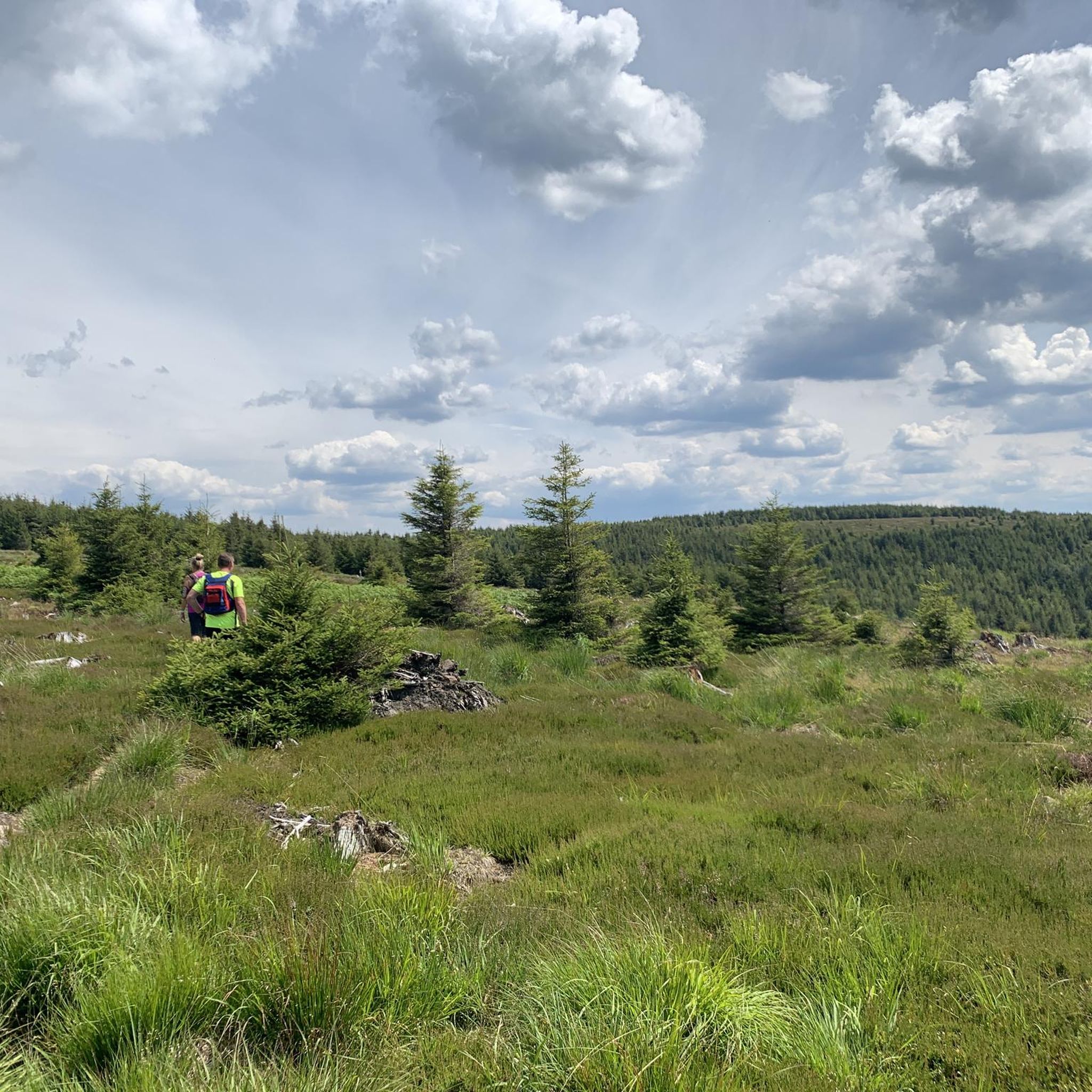
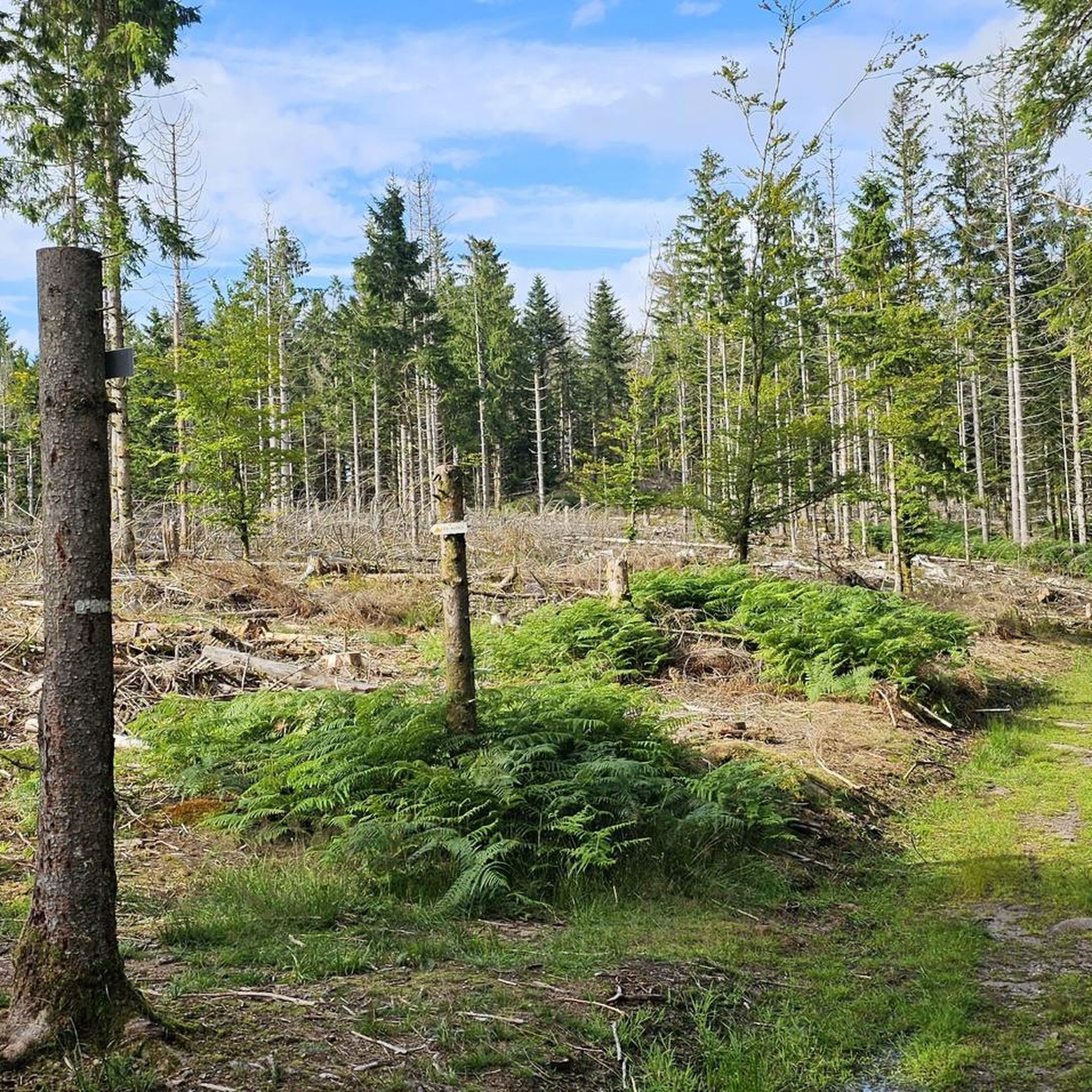
Touring cycling routes around Allarmont navigate a landscape characterized by rolling hills and dense forests, typical of the Vosges region. The area features a mix of paved roads and forest tracks, offering varied terrain for cyclists. Elevation changes are common, with routes often including climbs and descents through wooded valleys. Rivers and lakes, such as Lac de la Plaine, are prominent features, providing scenic backdrops for rides.
Best touring cycling routes around Allarmont
- The most popular touring cycling route is…
Last updated: June 22, 2026
4.5
(2)
32
riders
51.8km
03:18
600m
600m
Hard bike ride. Very good fitness required. Mostly paved surfaces. Suitable for all skill levels.
4.5
(2)
32
riders
37.3km
02:26
480m
480m
Hard bike ride. Very good fitness required. Mostly paved surfaces. Suitable for all skill levels.

Sign up for free
4.7
(3)
27
riders
51.2km
03:27
560m
560m
Hard bike ride. Very good fitness required. Mostly paved surfaces. Suitable for all skill levels.
11
riders
40.9km
02:42
540m
540m
Hard bike ride. Very good fitness required. Mostly paved surfaces. Suitable for all skill levels.
5.0
(1)
11
riders
18.2km
01:07
150m
150m
Moderate bike ride. Good fitness required. Mostly paved surfaces. Suitable for all skill levels.
Get access to more routes and recommendations from other explorers.
Sign up for free
Already have an account?
Our route recommendations are based on thousands of hikes, rides, and runs completed by other people on komoot.
Start today with a free account
Your next adventure awaits.
Login or Signup

Tips from the Community

Historic village in the Vosges Ban-de-Sapt is located on a strategic height in the Vosges and was the scene of fierce fighting during WWI, especially around the côte 627. Today it is a peaceful place with a rich culture of remembrance. The Nécropole nationale de la Fontenelle, original trenches, a panoramic table and a rare steel observation capsule from WWI make the village a unique destination for those who want to combine nature and history.
7
0
This granite memorial stone marks the exact location of the Western Front on 18 July 1918, during the final Allied offensives of the First World War. It is part of a series of 118 "Bornes du Front" designed by French sculptor and veteran Paul Moreau-Vauthier. Each stone bears a helmet on a laurel wreath and commemorates fierce fighting at that location. The borne at La Fontenelle commemorates the fierce battle in the Vosges, where French and German troops fought each other for a long time.
9
0
Mural by Matthieu Koga in Round-lÉstape
8
0
Situated in the heart of the Vosges, this dam, together with Lac de la Plaine, forms an important water reservoir. The dam was built to feed Lac de Pierre-Percée via an underground system. The climb up to it is gradual and rewards you with a view of the peaceful Lac de la Plaine. The road along the lake is ideal for a breather, with little traffic and lots of nature. Perfect for a short break or a photo opportunity during your ride.
9
0
Lac de la Plaine is a picturesque lake in the Vosges, located near Celles-sur-Plaine, near the larger Lac de Pierre-Percée. The lake is an artificial water reservoir of about 0.5 million m³ and serves as a supply basin for the reservoir above.
1
0
This impressive dam, located in the Vosges, forms an artificial water reservoir together with the Lac de Pierre-Percée. The dam is 69 metres high and 330 metres long, built with a clay core and lined with volcanic rock. It plays an important role in water management and energy production via an underground water connection with the Lac de la Plaine. The surrounding area offers beautiful views and is ideal for hiking along rocky paths, forests and viewpoints over the lake.
7
0
Pierre-Percée is a small mountain village in the east of the Meurthe-et-Moselle department, on the edge of the Vosges Mountains. With fewer than 100 inhabitants, it is one of the smallest communes in the region. Situated on the edge of the Plaine Valley, the village is built at the foot of the ruins of the medieval Château de Pierre-Percée, which once belonged to the Counts of Salm. The village's name refers to a 33-meter-deep well carved into the rock beneath the castle. During the Thirty Years' War, the village, like the castle, was largely destroyed. In the 20th century, Pierre-Percée regained significance with the construction of the EDF reservoir and the creation of a recreation area, which today attracts tourists for hiking, water sports, and nature experiences.
9
0
Frequently Asked Questions
How many touring cycling routes are available around Allarmont?
There are over 95 touring cycling routes around Allarmont, offering a wide range of options for cyclists. These routes are highly rated by the komoot community, with an average score of 4.5 stars from over 130 reviews.
What is the general terrain like for touring cycling in Allarmont?
The landscape around Allarmont is characterized by rolling hills and dense forests, typical of the Vosges region. You'll find a mix of paved roads and forest tracks, often with elevation changes as routes climb and descend through wooded valleys. Rivers and lakes, such as Lac de la Plaine, are prominent scenic features.
Are there touring cycling routes for different skill levels in Allarmont?
Yes, Allarmont offers routes for various skill levels. There are 15 easy routes, 42 moderate routes, and 38 difficult routes, ensuring options for beginners, intermediate riders, and experienced touring cyclists looking for a challenge.
Are there any easy touring cycling routes suitable for beginners in Allarmont?
While many routes feature significant elevation, you can find easier sections, especially around the lakes. For a moderate but less strenuous option, consider the Allarmont – Vexaincourt loop from Bionville, which covers 18.2 km with manageable climbs.
What are some challenging touring cycling routes in Allarmont?
For experienced touring cyclists, routes like the Chapelotte Pass – War Memorial of Pierre-Percée loop from Bionville offer significant climbs and panoramic views over 45.7 km. Another demanding option is the War Memorial of Pierre-Percée – Barrage du Vieux-Pré loop from Vexaincourt, a 38.9 km trail through forested areas with notable elevation gain.
Can I find circular touring cycling routes around Allarmont?
Many of the touring cycling routes in Allarmont are designed as loops, allowing you to start and end at the same point. Examples include the Ban-de-Sapt – Vauthier Marker loop from Moussey and the Lac de la Plaine – Lac de la Plaine loop from Vexaincourt.
What scenic viewpoints can I discover on touring cycling routes near Allarmont?
The region offers several scenic viewpoints. You might encounter Raven Rock or Rambiroche, which provide expansive views of the surrounding forests and valleys. Many routes also pass by picturesque lakes like Lake Pierre-Percée.
Are there any natural monuments or interesting landmarks to see along the routes?
Yes, the area is rich in natural and historical landmarks. You could explore the Rock with Basins and Grooves, the impressive The Big Oak, or the Protected Natural Area of La Châtaigne Pendue. Many routes also pass by war memorials and historical markers.
What is the best time of year for touring cycling in Allarmont?
The best time for touring cycling in Allarmont is typically from spring to autumn. During these seasons, the weather is generally milder, and the forests are vibrant. Summer offers longer daylight hours, while spring and autumn provide beautiful foliage and cooler temperatures, ideal for longer rides.
Are there options for public transport access to touring cycling routes in Allarmont?
Public transport options directly to specific trailheads in Allarmont can be limited due to its rural setting. It's advisable to check local bus services or regional train connections to nearby towns like Raon-l'Étape or Bionville, and then cycle to your desired starting point. Parking is generally available in the villages where routes often begin.
What should I pack for a touring cycling trip in Allarmont?
Given the varied terrain and potential for elevation changes, it's recommended to pack layers of clothing suitable for changing weather conditions. Essential items include a repair kit, sufficient water and snacks, a helmet, and a fully charged phone with offline maps. Waterproof gear is also advisable, especially during spring and autumn.
Most popular routes around Allarmont
Most popular attractions around Allarmont

Get inspired with the komoot mobile app


Explore more
Browse the best Cycling routes in other regions.
