Attractions and Places To See around Saint-Vincent-De-Paul - Top 20
Attractions and places to see around Saint-Vincent-De-Paul offer a mix of historical sites, religious architecture, and natural features within the Nouvelle-Aquitaine region of France. The area is characterized by its connection to the Dordogne river and its surrounding landscapes. Visitors can explore significant landmarks and tranquil spots that reflect the local heritage and environment.
Best attractions and places to see around Saint-Vincent-De-Paul
- The most popular attractions is Bourg-sur-Gironde Citadel, a historical site that has seen the construction of a…
Last updated: July 2, 2026
Saint Vincent De Paul Town Hall, Church and Pond
Highlight • Other
Translated by Google •
Tip by

Eiffel Bridge of Cubzac-les-Ponts
Highlight • Bridge
Translated by Google •
Tip by

Sign up now to discover places like this
Get recommendations on the best single tracks, peaks, & plenty of other exciting outdoor places.
Sign up for free
Saint-Géronce Church
Highlight • Religious Site
Translated by Google •
Tip by
Saint-André de Cubzac
Highlight • Monument
Tip by
Carbon-Blanc, Liberation Square and Saint Paulin Church
Highlight • Other
Translated by Google •
Tip by
Sign up for free to discover even more attractions around Saint-Vincent-De-Paul.
Sign up for free
Already have an account?
Start today with a free account
Your next adventure awaits.
Login or Signup

Tips from the Community

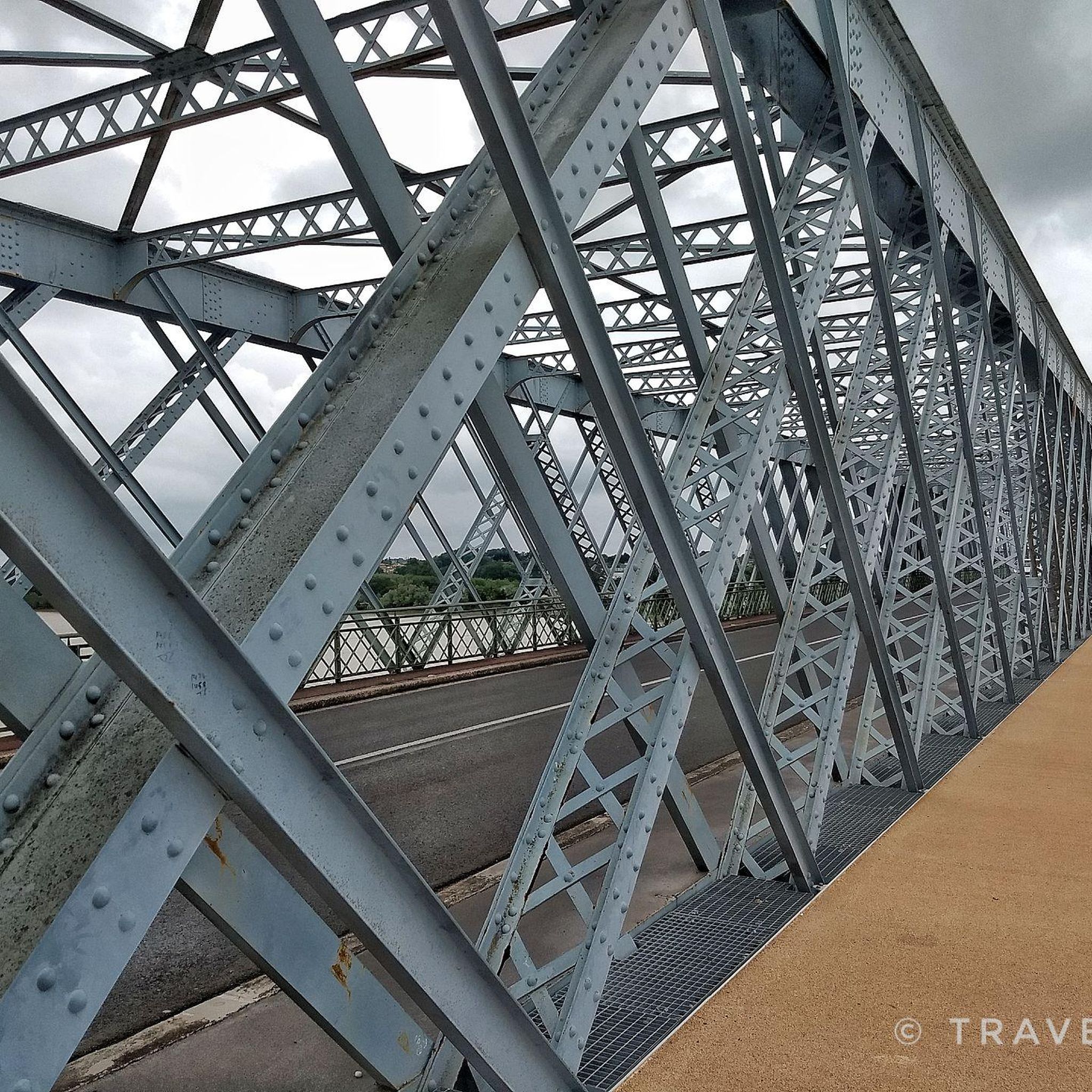
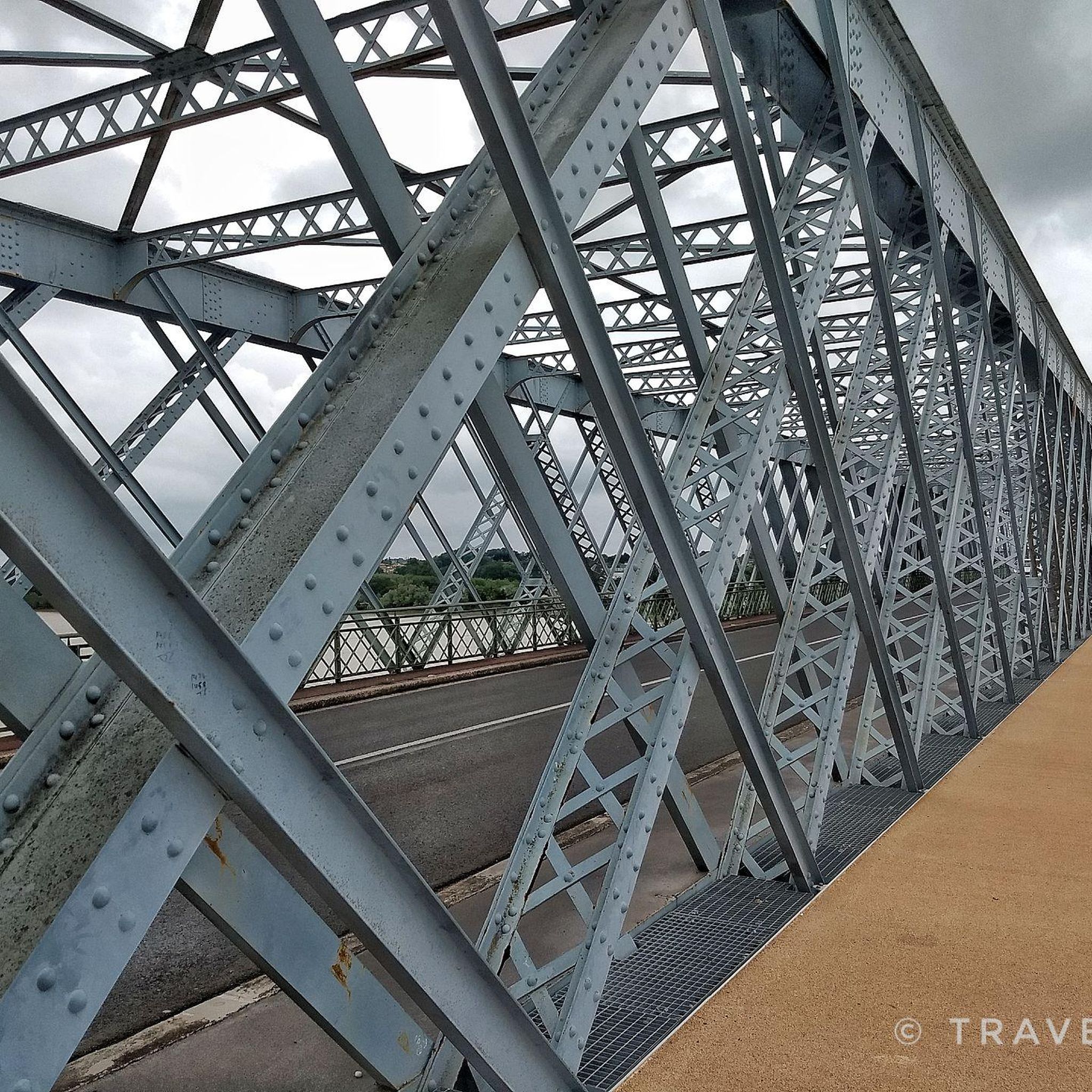
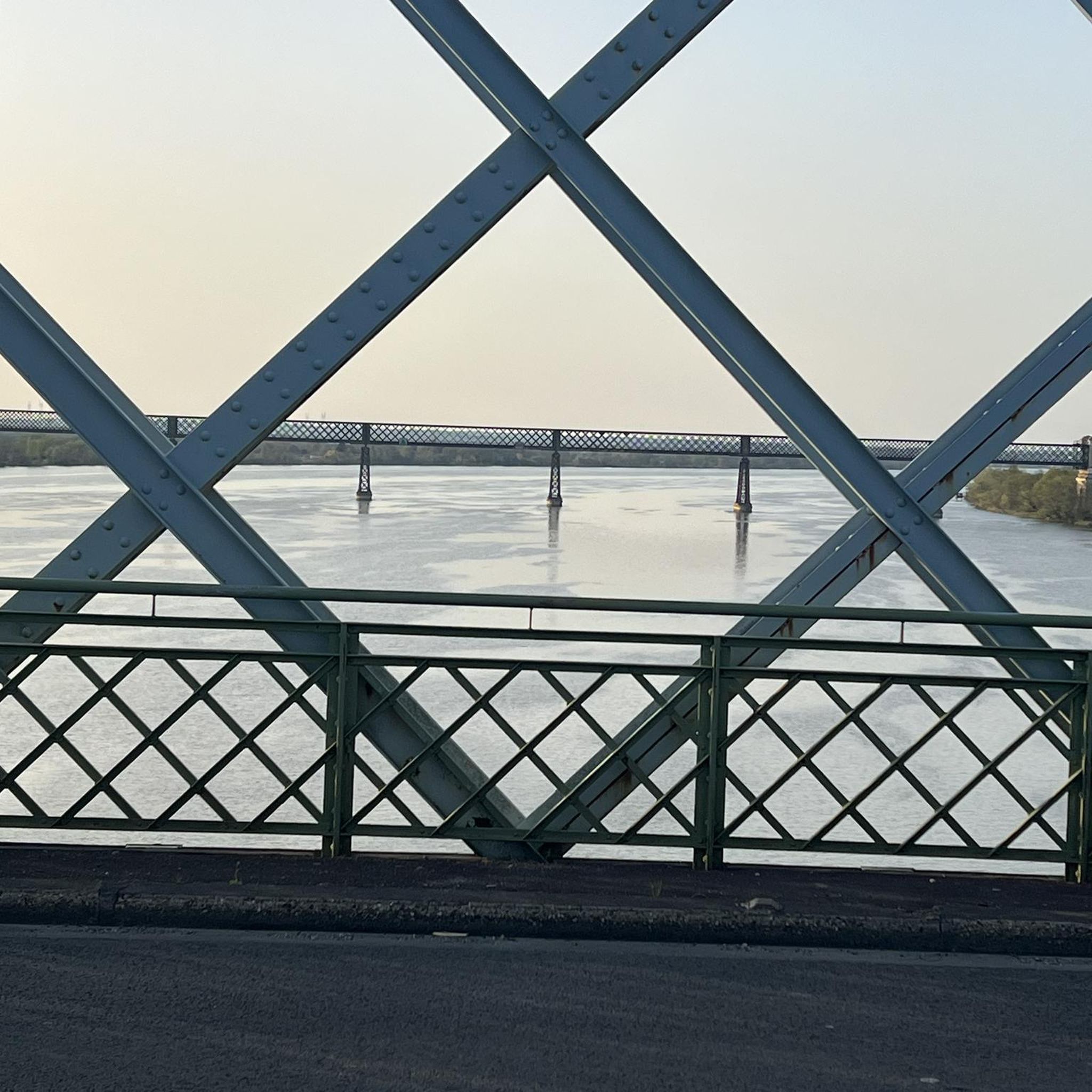
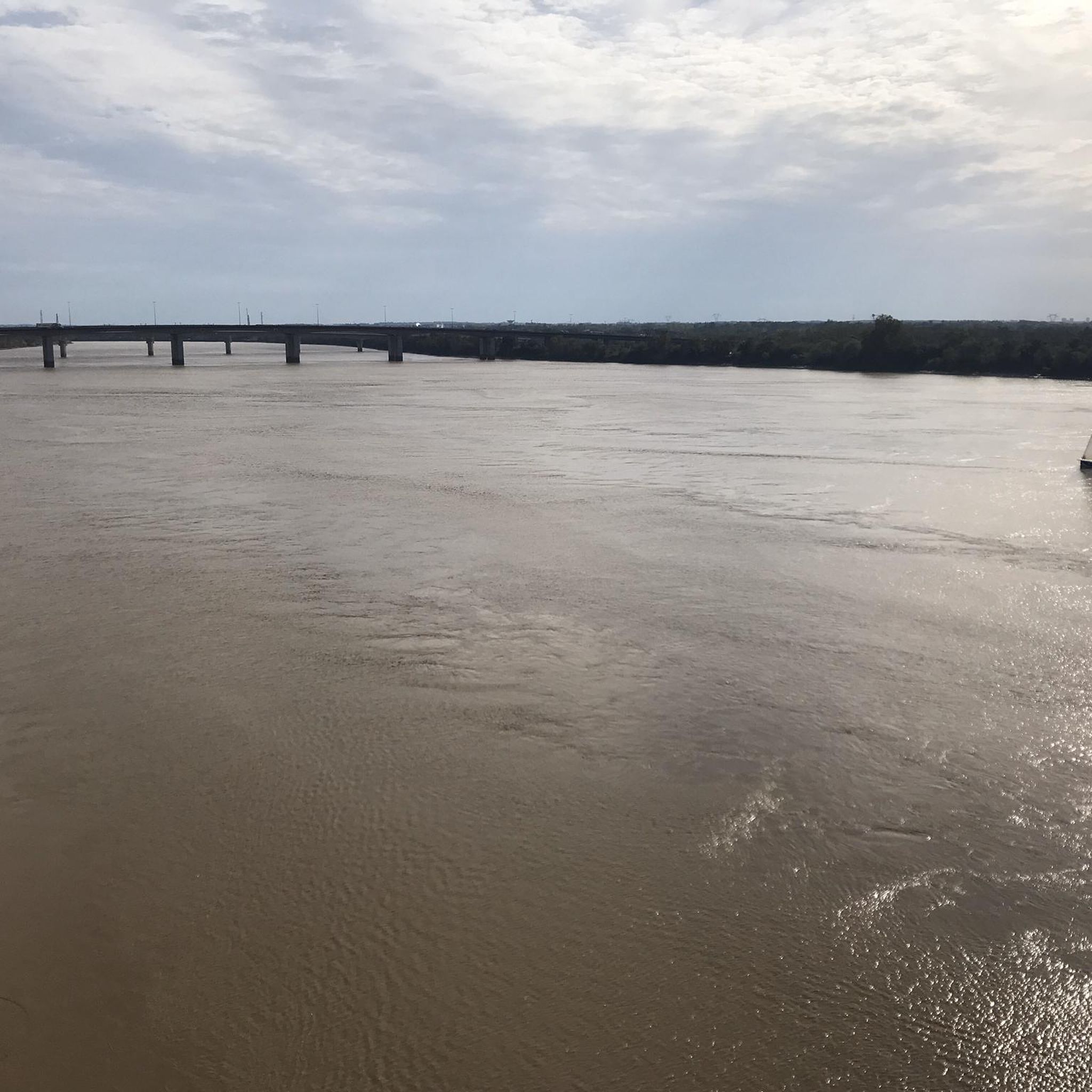
This road bridge was built by Gustave Eiffel, between 1879 and 1883, on the foundations of a first suspension bridge (1839-1869) carried away by a storm. Destroyed during the Second World War, it was rebuilt by his grandson. The access ramp is supported by stone arcades which, seen from below, have the appearance of a Gothic cathedral.
0
0

A little piece of history with this bridge built by Gustave Eiffel!
0
0
Pretty lake with ducks, the opportunity to rest in a bucolic setting.
1
0

This neo-Gothic church was built to replace the dilapidated church of the Recollect Fathers, a men's convent founded in 1627. In the 19th century, the church wanted to encourage a revival of Catholic worship; it encouraged the construction of new religious buildings in Gironde. Thus, in 1856, the Saint-Géronce church was consecrated. Due to lack of space, its apse was oriented towards the south, contrary to what the liturgy provided. The organ, which has its original construction from 1861, is remarkable. Mass is celebrated there every Sunday morning at 10:00 a.m.
0
0
The Church of Saint-André-du-Nom-de-Dieu includes sections whose construction dates from the 12th to the 19th centuries. It was built by the Benedictines of the Abbey of La Sauve-Majeure and was once used by a priory founded after 1115, dependent on the abbey. The dominant style of this fortified church is Romanesque. Its massive, square-based bell tower is imposing. The building boasts beautiful stained-glass windows and a remarkable organ case. The church was last restored in 1977. The Virgin of Mercy is an alabaster sculpture dating from the 16th century and is a listed historic monument.
1
0
Construction of the Saint-Paulin church began in 1849. It was initially just a chapel linked to the Saint-Pierre de Bassens parish church. It became a parish church in 1852, one year before the creation of the commune of Carbon-Blanc. The bell tower was designed by Pierre Labbé: begun in 1848, it was completed with a spire in 1852. The transept and sacristies were built in 1864. The church has magnificent stained-glass windows installed gradually between 1867 and 1890 in the choir, the nave and the gallery, and finally the baptismal font. It is remarkable and quite rare that the works of three generations of master glassmakers (Thibaud, Villiet and Dagrand) are exhibited in the same church. The latter was restored in 1993.
1
0

Nice spot for a break before continuing on the old Eiffel bridge !
1
0

The linguistic proximity of the "Pont Eiffel", which spans the Dordogne river here, and the low mountain range "Eifel" in the far west of Germany is no coincidence: The family of the designer - whose world-famous Tower of Paris (named after its builder) is probably known to everyone - has German roots. The ancestors of the Eiffel Tower builder Gustave EIFFEL come from the Eifel town of Marmagen (in the Euskirchen district, North Rhine-Westphalia). The village square there - if you are interested, see the following hiking highlight https://www.komoot.com/de-de/highlight/1830307 - is named after him.
6
0
Frequently Asked Questions
What historical sites can I explore around Saint-Vincent-De-Paul?
The region is rich in history. You can visit the Bourg-sur-Gironde Citadel, a site with a history spanning from a Gallo-Roman villa to a 16th-century citadel. Another significant historical landmark is the Eiffel Bridge of Cubzac-les-Ponts, originally built by Gustave Eiffel and rebuilt after WWII, featuring a modern cantilevered cycle bridge. The town of Saint-André de Cubzac also offers prehistoric vestiges, Gallo-Roman villas, and a Romanesque church.
Are there any notable religious buildings to visit?
Yes, the Saint-Géronce Church is a beautiful neo-Gothic structure consecrated in 1856, known for its original 1861 organ. The village center of Saint Vincent De Paul Town Hall, Church and Pond also features a charming church.
What natural features can I discover in the area?
Beyond the Dordogne river, you can enjoy tranquil spots like the Abesse Pond, ideal for appreciating local flora and fauna. The Bois de Boulogne, a Natura 2000 protected area, offers insights into local biodiversity, with the Maison de la Barthe serving as a gateway. The nearby Parc Naturel des Landes de Gascogne also provides extensive natural beauty for exploration.
What outdoor activities are available near Saint-Vincent-De-Paul?
The area is great for outdoor enthusiasts. You can find various hiking, road cycling, and mountain biking routes. For hiking, consider the moderate 'Cubzac-sur-Dordogne Bridge loop from Saint-Vincent-de-Paul'. Cyclists might enjoy 'A loop between Saint-André and Libourne' or the 'Eiffel Bridge – Cubzac-sur-Dordogne Bridge loop'. Mountain bikers have options like the 'Villegouge Singletrack' or the 'Abandoned Vineyard Trail'. You can find more details on these activities in the dedicated guides for hiking, road cycling, and MTB trails around Saint-Vincent-De-Paul.
Are there family-friendly attractions or activities?
Absolutely. The Maison de la Barthe, located at the entrance to the Bois de Boulogne Natura 2000 area, offers educational events, exhibitions, and workshops suitable for families, along with access to hiking trails. The Domaine de Certes is also known for its family-friendly trails and birdwatching opportunities. The Eiffel Bridge of Cubzac-les-Ponts features a safe cantilevered cycle bridge, perfect for family bike rides.
What is the best time of year to visit Saint-Vincent-De-Paul for outdoor activities?
The Nouvelle-Aquitaine region generally enjoys pleasant weather for outdoor activities from spring through early autumn. Spring and early summer offer mild temperatures ideal for hiking and cycling, with lush landscapes. Autumn also provides comfortable conditions and beautiful scenery. Summers can be warm, perfect for water activities at Lac d'Aureilhan.
Where can I experience local culture and markets?
The Marché de Saint-Vincent-de-Paul is a bustling local market where you can immerse yourself in the local culture and find fresh produce and regional delicacies. The town of Saint-André de Cubzac also historically featured an important market, reflecting its role in regional trade.
Are there any unique natural phenomena nearby?
Yes, a unique natural feature in the vicinity is The Hot Fountain in Dax, a natural thermal water source that is worth experiencing.
What do visitors enjoy most about the attractions around Saint-Vincent-De-Paul?
Visitors appreciate the blend of historical significance and natural beauty. The Saint Vincent De Paul Town Hall, Church and Pond is often described as a cute village with a pretty lake, and the rebuilt Eiffel Bridge is valued for its practical and safe cycle path. The historical depth of sites like the Bourg-sur-Gironde Citadel and the architectural beauty of Saint-Géronce Church are also highly regarded.
Are there any water-based activities or attractions?
Yes, the Lac d'Aureilhan offers opportunities for various water activities such as canoeing, fishing, or simply relaxing by the lakeside. The Saint Vincent De Paul Town Hall, Church and Pond also features a tranquil pond, providing a peaceful waterside setting.
Are there any accessible attractions for visitors with mobility needs?
The Eiffel Bridge of Cubzac-les-Ponts is noted as wheelchair accessible, offering a long, flat path with scenic views over the Dordogne, making it suitable for a wider range of visitors.
Most popular routes around Saint-Vincent-De-Paul

Get inspired with the komoot mobile app


Explore more
Still not found the Highlight you’re looking for? See guides of the top attractions in other regions:
