Attractions and Places To See around Minzier - Top 20
Best attractions and places to see around Minzier include a mix of historical sites, unique architecture, and natural viewpoints in the Haute-Savoie department of France. The area features landmarks such as a distinctive bubble house and a 19th-century church. Visitors can also find traces of historical border paths and enjoy panoramic views of the Rhône, the Salève, and Mont Blanc from nearby vantage points. This region offers diverse points of interest for exploration.
Best attractions and places to see around…
Last updated: July 6, 2026
View of the Rhône
Highlight • Viewpoint
Translated by Google •
Tip by

Caille Bridge
Highlight • Bridge
Translated by Google •
Tip by

Sign up now to discover places like this
Get recommendations on the best single tracks, peaks, & plenty of other exciting outdoor places.
Sign up for free
Border Marker No. 1 – Westernmost Point of Switzerland
Highlight • Monument
Translated by Google •
Tip by

Ruins of the Bains de la Caille
Highlight • Historical Site
Translated by Google •
Tip by

View of the Salève and Mont Blanc
Highlight • Viewpoint
Translated by Google •
Tip by

Sign up for free to discover even more attractions around Minzier.
Sign up for free
Already have an account?
Start today with a free account
Your next adventure awaits.
Login or Signup

Tips from the Community

A beautiful route between Yvoire and Annecy mostly via cycle paths and country roads.
0
0

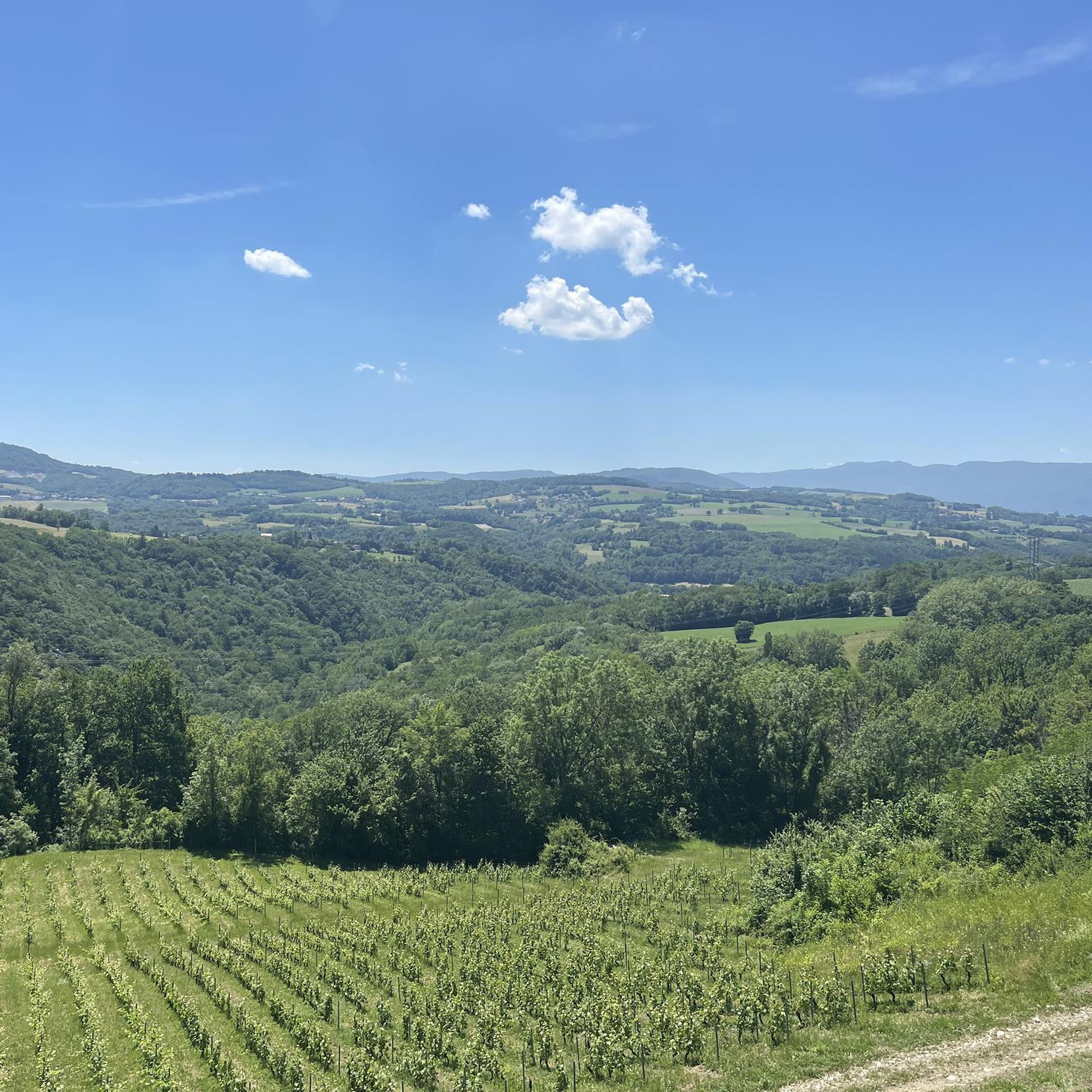
Beautiful panorama of Lake Annecy, the Aravis and Mont Blanc
0
0

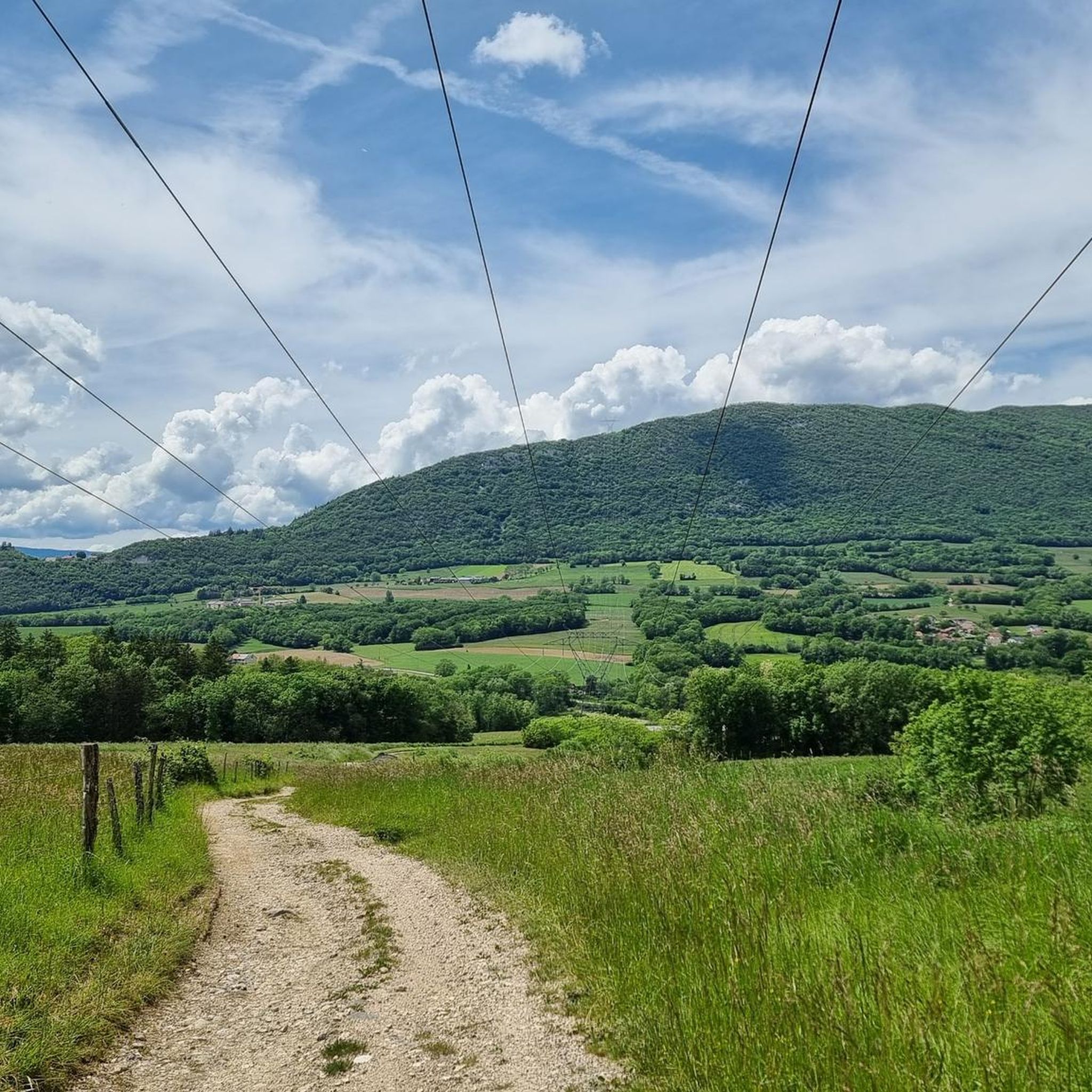
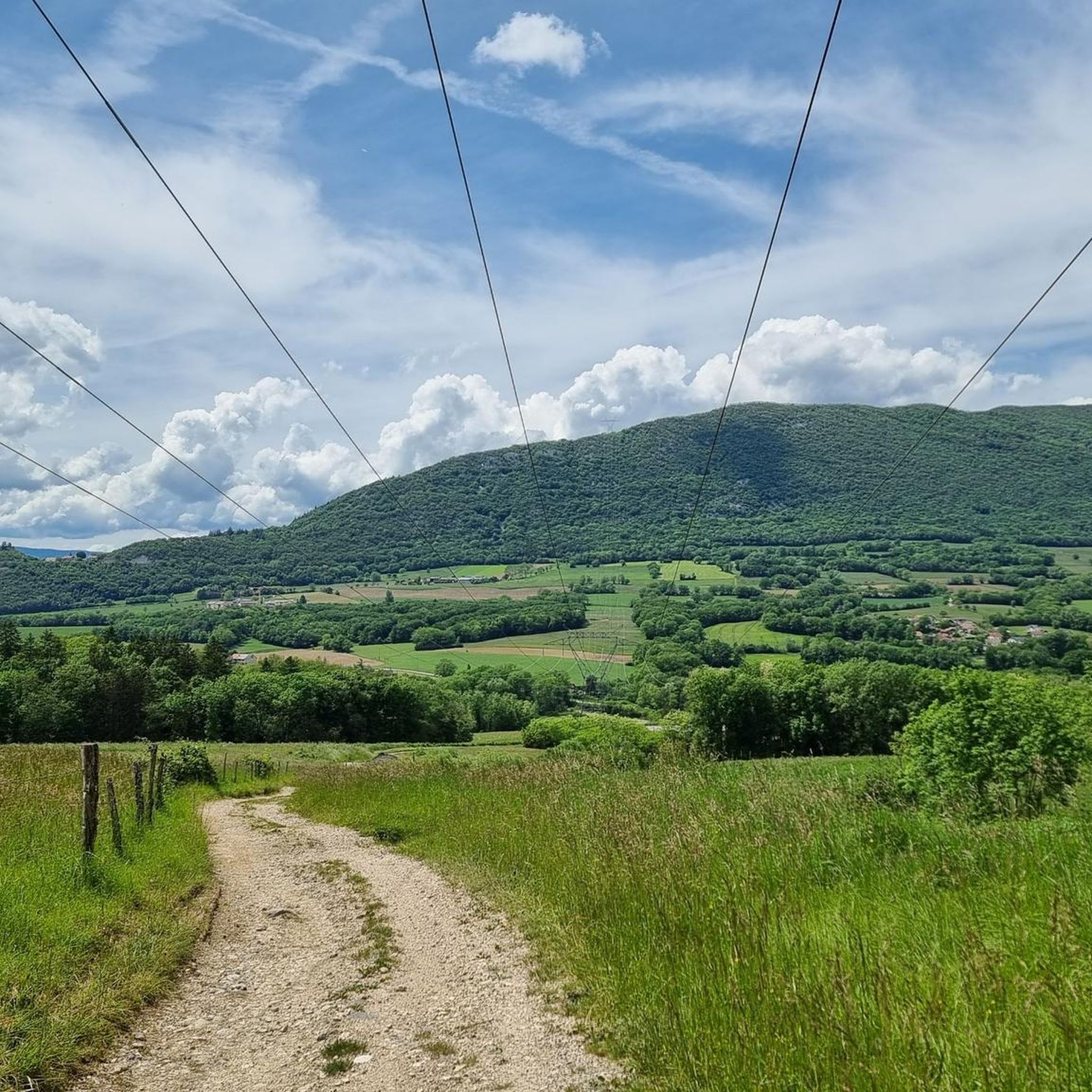
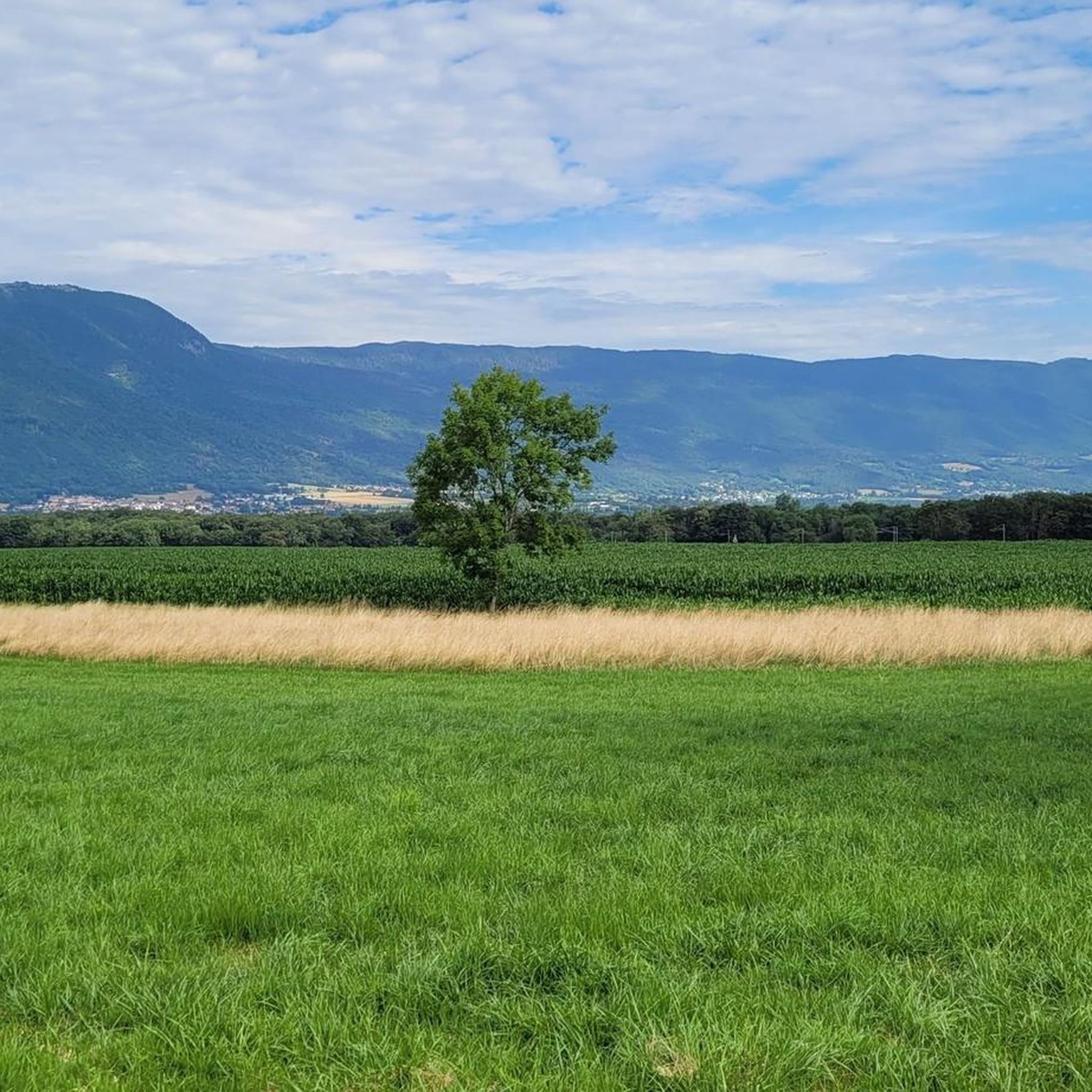
Magnificent panorama of the valley at the foot of the Alps. We hear the cowbells in spring, the breeze is gentle, the shade of a tree welcomes us for a moment to enjoy a short break on the ascent of Salève. This view alone is worth the effort of climbing up there!
0
0

very gloomy place housing the ancient thermal baths of the pont de la quailles
0
0

Nice view of the Bornes plateau and the mountains in the background. With a little luck, we can see Mont Blanc.
2
0

Ancient thermal baths, a rather dark and gloomy place
0
1
The Caille baths are former thermal baths, now disused, located in the Usses gorges, in the town of Cruseilles in Haute-Savoie. Probably already known to the Romans1, they are fed by two sulfurous springs which spring at the bottom of the Usses valley, downstream from the Caille bridges. These baths have been used several times at least since the Middle Ages. They were actually developed from the middle of the 19th century but have not been exploited since the 1960s, their location nestled in the gorges, the moderate flow and temperature of the springs not having favored the sustainability of the establishment. The waters are sulphurous, alkaline, gaseous, hot at 24°Re or 30°C1. They are used in drinks, baths, showers and steam baths. They become cloudy as soon as they are exposed to air and then give off a very characteristic odor. They escape in two sources from the limestone bases of the so-called “Châtelard” mountain. Their flow rate of approximately one hundred liters of water per minute corresponds, for example, to the content of a bath per minute1. They are easily digested; also, patients can drink 8 to 12 glasses per day. They are used more particularly against diseases of the skin, joints, gout, rheumatism, scrofula, internal and external engorgement, vapors, migraines, etc. The operation of the baths stopped definitively around the 1960s. The buildings were then partly destroyed, and ruins remained, including the old swimming pool at the entrance to which we can still read the inscription “BENI BE GOD WHO MADE THE SPRINGS BRING OUT. ALONGSIDE THE EVILS, HE PUT THE REMEDY.”
1
0

A great view for a wooden bridge… infamous in the region but superb.
0
0
Frequently Asked Questions
What natural viewpoints can I explore around Minzier?
The area around Minzier offers several scenic viewpoints. A popular spot is the View of the Salève and Mont Blanc, which provides a wide panorama of the Bornes plateau and, on clear days, Mont Blanc. Another excellent location is the View of the Rhône, offering magnificent views of the Rhône river and the "Etournel Marshes" nature reserve.
Are there any historical landmarks or cultural sites in Minzier itself?
Minzier is home to several historical and cultural sites. You can find a 19th-century church, a flamboyant chapel, and war memorials, including one with a statue of Joan of Arc. The former public school has been repurposed to house the town hall and municipal library. Additionally, the historic Fortified House of Novéry (Maison forte de Novéry) is a significant landmark.
Where can I find unique architectural sites in Minzier?
Minzier is known for the unique Maison Bulle de Minzier (Bubble House of Minzier). This distinctive round house, designed by architects Claude Costy and Pascal Haüsermann, uses a reinforced concrete veil technique and currently serves as Claude Costy's pottery workshop.
What outdoor activities, like hiking or cycling, are available near Minzier?
The region around Minzier is excellent for outdoor activities. For hiking, you can explore routes like the 'Belvedere – Chaumont loop from Chaumont' or the 'Borbannaz Waterfall – Belvedere loop from Savigny'. Cyclists can enjoy road cycling routes such as the 'Col des Pitons – Croisette Pass loop from Minzier' or touring bicycle routes like the 'Seyssel – Old bridge of Seyssel loop from Jonzier-Épagny'. You can find more details on these and other routes in the hiking guide and cycling guides for the area.
Are there any family-friendly attractions or activities in the Minzier area?
Yes, the Caille Bridge is considered family-friendly. It's an 1839 suspension bridge that can be crossed on foot or by bike, offering views into a deep gorge. It's a great spot for a short, engaging outing with children.
Can I see traces of historical border paths near Minzier?
Yes, Minzier holds discreet traces of paths that historically allowed passage across the Swiss border. These paths were used by Protestants and later during World War II, offering a glimpse into the region's past as a significant crossing point.
What is the Caille Bridge, and why is it a notable attraction?
The Caille Bridge is an impressive 1839 suspension bridge spanning the river Les Usses. It's notable for its historical significance and the spectacular views it offers into the deep gorge below. Visitors can cross it on foot or by bike, making it a popular spot for a scenic stop.
What is the significance of Border Marker No. 1 near Minzier?
Border Marker No. 1 – Westernmost Point of Switzerland is a legendary man-made monument dating from 1816. It marks the westernmost point of Switzerland and bears the crests of Geneva and Piedmont-Sardinia. This marker served as a crucial reference point for establishing topographical maps of Switzerland in the mid-19th century.
What are the Ruins of the Bains de la Caille, and what is their history?
The Ruins of the Bains de la Caille are the remains of former thermal baths located in the Usses gorges. Fed by two sulfurous springs, these baths were developed in the mid-19th century but ceased operation around the 1960s. Today, they are a rather gloomy but historically intriguing site, with remnants of the old swimming pool and an inscription that reads: "BENI BE GOD WHO MADE THE SPRINGS BRING OUT. ALONGSIDE THE EVILS, HE PUT THE REMEDY."
What kind of views can I expect from the View of the Rhône highlight?
From the View of the Rhône, you can expect a magnificent elevated perspective of the Rhône river and the "Etournel Marshes" nature reserve. The narrow gorge below makes the Rhône appear almost like a small reservoir at this point. It's a great spot for beautiful photos, especially on clear days.
When is the best time of year to visit Minzier for outdoor activities?
While specific seasonal data for Minzier isn't provided, the Haute-Savoie region generally offers pleasant conditions for outdoor activities from spring through autumn. Spring brings blooming landscapes, summer is ideal for longer days and warmer weather, and autumn provides beautiful foliage. Winter can be suitable for specific activities like snowshoeing, but many trails might be less accessible.
Are there any hidden gems or less-known spots worth discovering near Minzier?
Beyond the main attractions, the 'discreet traces' of historical Swiss border paths offer a unique, less-traveled experience, connecting visitors to the region's past. Exploring the local villages and their small chapels or fortified houses, like the Maison forte de Novéry, can also reveal charming, less-known aspects of the area.
What do visitors particularly enjoy about the viewpoints around Minzier?
Visitors particularly enjoy the grandiose panoramas and the opportunity to see iconic landmarks. For instance, from the View of the Salève and Mont Blanc, people appreciate the wide vista of the Bornes plateau and the chance to spot Mont Blanc. At the View of the Rhône, the magnificent perspective over the river and nature reserve is highly praised, especially for photography.
Most popular routes around Minzier

Get inspired with the komoot mobile app


Explore more
Still not found the Highlight you’re looking for? See guides of the top attractions in other regions:
