The best walks and hikes around Blunk
4.5
(777)
3,451
hikers
18
hikes
Hiking trails around Blunk are characterized by a gently undulating landscape featuring forests, heathland, and moorland areas. The region includes natural features such as the Trave River and various lakes, offering diverse scenery for hikers. Elevations are generally low, with routes typically involving less than 100 meters of ascent.
Best hiking trails around Blunk
- The most popular hiking route is Trave Bridge – Heathland in the Forest loop from Blunk, a 12.2 miles (19.7 km) trail that takes 5…
Last updated: June 21, 2026
4.6
(5)
48
hikers
19.7km
05:04
90m
90m
Hard hike. Very good fitness required. Easily-accessible paths. Suitable for all skill levels.
4.6
(5)
18
hikers
13.4km
03:28
70m
70m
Moderate hike. Good fitness required. Easily-accessible paths. Suitable for all skill levels.

Sign up for free
4.8
(6)
18
hikers
14.6km
03:46
70m
70m
Moderate hike. Good fitness required. Easily-accessible paths. Suitable for all skill levels.
5.0
(1)
10
hikers
Easy hike. Great for any fitness level. Easily-accessible paths. Suitable for all skill levels.
5.0
(2)
8
hikers
11.3km
02:54
60m
60m
Moderate hike. Good fitness required. Easily-accessible paths. Suitable for all skill levels.
Get access to more routes and recommendations from other explorers.
Sign up for free
Already have an account?
Our route recommendations are based on thousands of hikes, rides, and runs completed by other people on komoot.
Start today with a free account
Your next adventure awaits.
Login or Signup
Tips from the Community

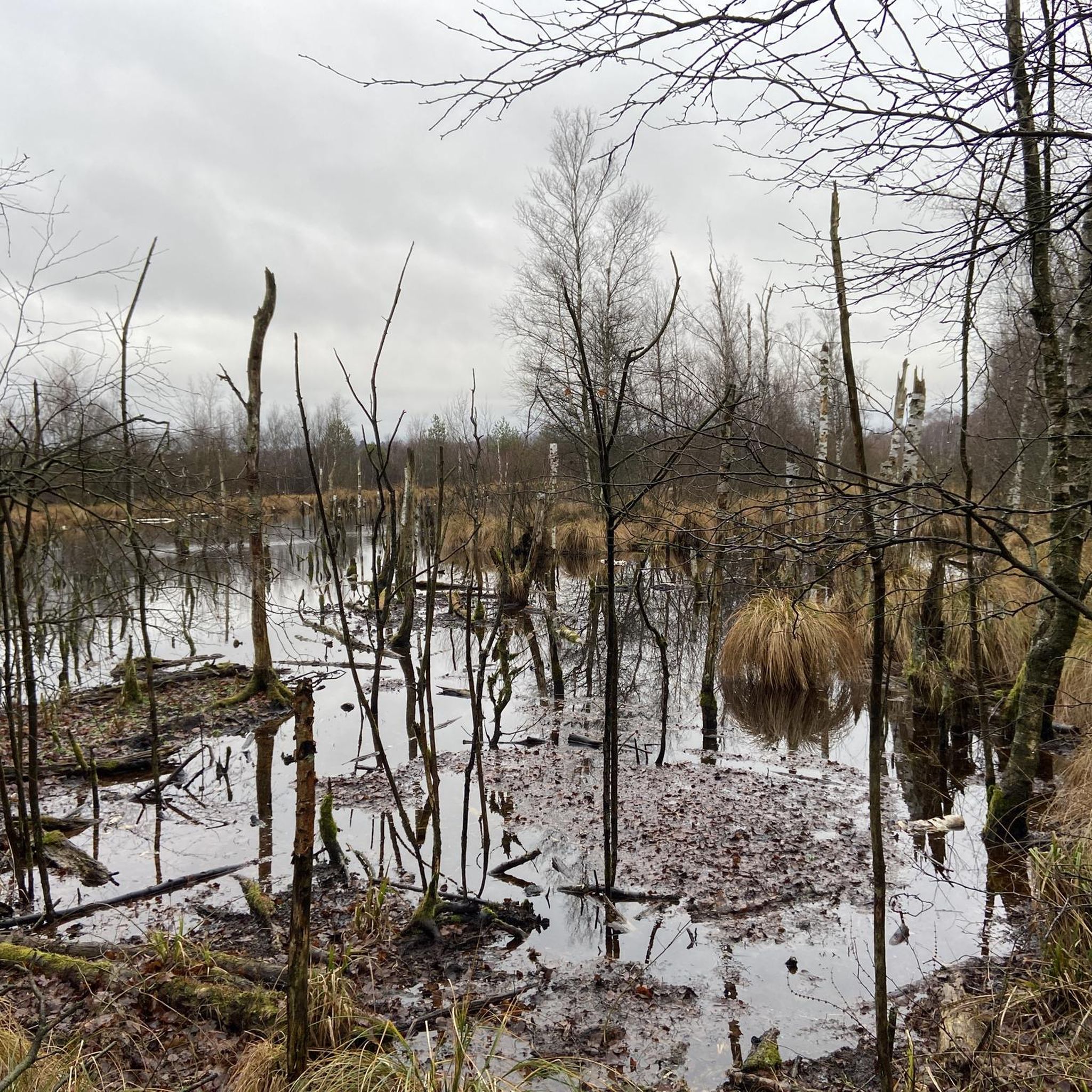
The Tarbeker Moor is the remnant of a larger moor complex that formed in a meltwater channel after the last ice age. The surrounding moors were drained and almost completely converted into grassland in the 19th and 20th centuries. The Tarbeker Moor was partially industrially drained down to the mineral subsoil from 1951 to 1990. The peat extraction led to the complete destruction of the high moor vegetation.
7
0
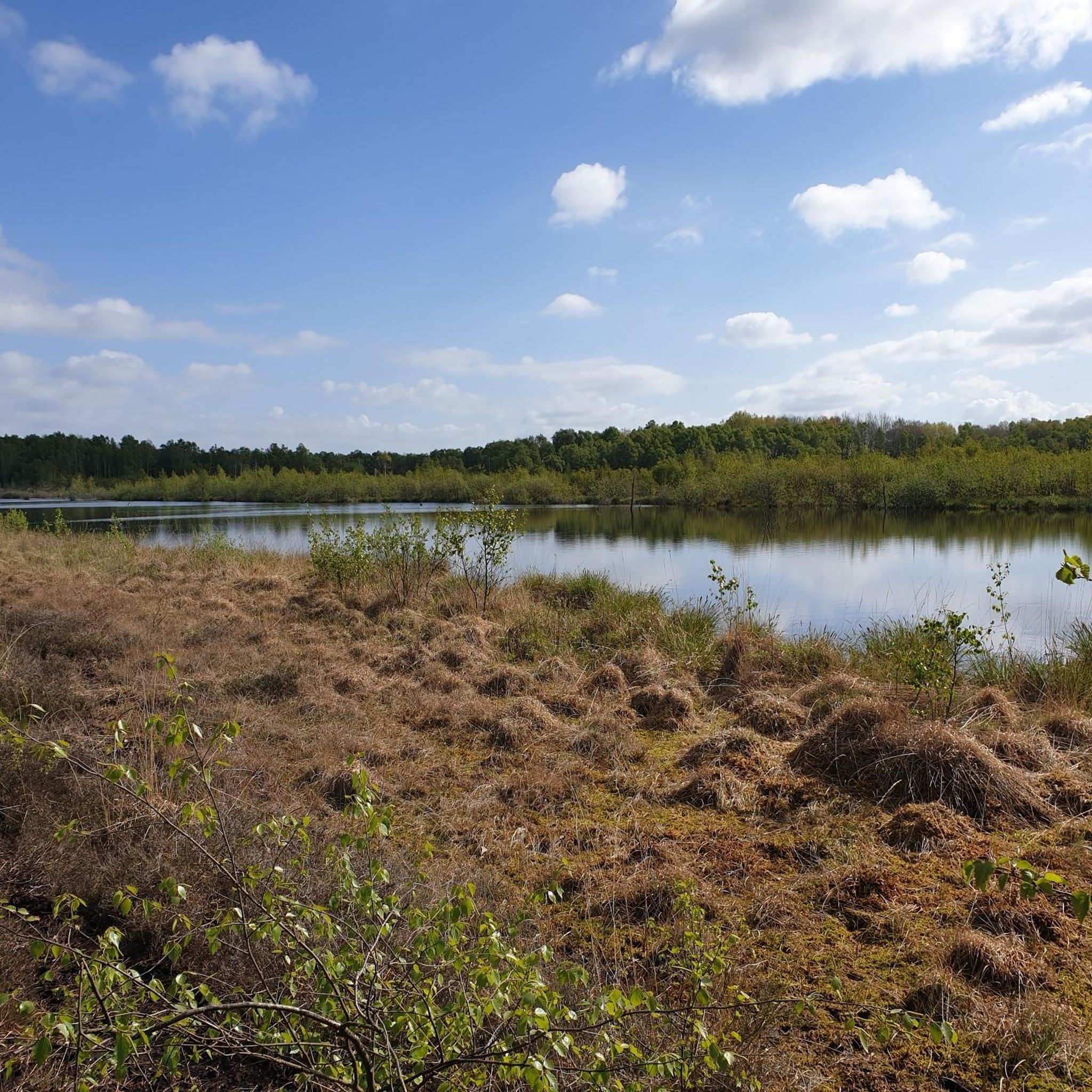
In 1991, the renaturation of the Tarbeker Moor (a raised bog still capable of renaturation) began. Through the impoundment of the water from the Tensfelder Au, as well as inflow from springs from the subsoil and from the slopes, a large-scale vegetation of transition and quaking bogs has developed on the former extraction areas. In the western shallow lakes, peat moss-rich quaking mats of Calla palustris (bog-calla) and open water areas with Utricularia vulgaris (common bladderwort) dominate. In the eastern excavation areas, extensive stands of Carex paniculata (great-panicled sedge), Carex pseudocyperus (pseudocyphel sedge), and Juncus effusus (soft-rush) interspersed with grey willows have formed. In places, rare peat mosses occur
8
0

The moor is a quiet, natural place. You can and should linger here peacefully.
1
0

An absolute dream rest stop. Trash cans, a dock, several barbecue and seating areas, and shelters.
0
0

Water, forest, peace and quiet...you can't go wrong...
0
0
Really beautiful, quiet heathland landscape. Different from the surrounding area. Ideal with a dog, as there are few pedestrians.
0
0

As part of the Holstein Switzerland Nature Park, the Tarbek Moor with its special charm is a popular excursion destination that gives you a variety of impressions. With its diverse composition of ponds and vegetation-free peat banks, it offers undisturbed insights into a mysterious-looking habitat. A moor birch forest borders dark ponds surrounded by snakeroot, dead birch trees in water-filled peat pits rise picturesquely into the sky and fields of waving cotton grass are reminiscent of images from Nordic legends. In the 131-hectare area, which was previously used as a peat extraction area, remnants of this use can still be seen today and carefree cycling and hiking from the Tarbek Moor to the Ihlsee in Bad Segeberg is possible both along former routes that have been preserved to this day and along the railway embankment that connected Bad Segeberg, Bornhöved and Kiel until 1960. https://www.blunkerbach-sh.de/tarbeker-moor
3
0

The field edge path south of the lake offers occasional views of the lake and a particularly beautiful bathing area, although this is in the shade of two linden trees.
1
0
Frequently Asked Questions
What kind of landscape can I expect when hiking around Blunk?
Hiking around Blunk offers a diverse landscape characterized by gently undulating terrain, featuring extensive forests, open heathland, and unique moorland areas. You'll also encounter natural features such as the Trave River and various lakes, providing varied scenery for your walks.
How many hiking trails are there in the Blunk area?
There are nearly 20 hiking trails available around Blunk, catering to various skill levels. The komoot community has explored these routes over 3500 times, highlighting their popularity and variety.
Are there any easy hiking trails suitable for beginners or casual walkers?
Yes, Blunk offers several easy trails. For instance, the Former Blunk train station – Railway embankment towards Blunk loop from Blunk is an easy 5.8 km loop that follows a former railway embankment, offering a gentle and accessible walk.
What are some of the natural highlights or landmarks I can see on a hike in Blunk?
The region around Blunk is rich in natural attractions. You can explore the unique Tarbeker Moor, visit the impressive Kalkberg in Bad Segeberg, or enjoy the tranquility of Lake Ihl. Many trails also offer views of larger bodies of water like the Großer Segeberger Lake.
Are there any circular hiking routes around Blunk?
Yes, many of the trails around Blunk are designed as loops, allowing you to start and end at the same point. Popular circular routes include the Tarbeker Moor – View of Tarbeker Moor loop from Blunk and the Lake Muggesfelder – Muggesfelder Moor loop from Blunk.
What is the typical elevation gain on hikes in Blunk?
The hiking trails around Blunk are generally characterized by low elevation changes. Most routes involve less than 100 meters of ascent, making them accessible for a wide range of fitness levels. Even the more challenging trails, like the Trave Bridge – Heathland in the Forest loop from Blunk, have modest elevation gains.
What do other hikers say about the trails in Blunk?
The trails in Blunk are highly regarded by the komoot community, holding an average rating of 4.6 stars from over 750 reviews. Hikers often praise the varied terrain, the peaceful atmosphere of the forests and moorlands, and the well-maintained paths.
Are there any trails that offer views of the Tarbeker Moor?
Absolutely. The Tarbeker Moor – View of Tarbeker Moor loop from Blunk and the View of Tarbeker Moor – Tarbeker Moor loop from Blunk are excellent choices, specifically designed to showcase the significant natural beauty of the Tarbeker Moor.
Can I find trails that pass by lakes in the Blunk region?
Yes, the Blunk area features several trails that incorporate lakes into their routes. The Lake Muggesfelder – Muggesfelder Moor loop from Blunk is a great example, offering scenic views of Lake Muggesfelder and its surrounding moorland.
Are there any particularly long or challenging hikes in Blunk?
For those seeking a longer and more challenging experience, the Trave Bridge – Heathland in the Forest loop from Blunk is a difficult 19.7 km trail that takes approximately 5 hours to complete, traversing varied terrain through forest and heathland.
What kind of natural monuments can be found near Blunk?
Beyond the trails, the area boasts several natural monuments. Notable examples include the impressive Kalkberg in Bad Segeberg and the tranquil Stocksee Nature Reserve, offering additional points of interest for nature enthusiasts.
Most popular attractions around Blunk

Get inspired with the komoot mobile app


Explore more
Browse the best Hikes in other regions.
