Top 5 Castles around Fargues
Best castles around Fargues offer a blend of historical architecture and the renowned winemaking tradition of the Bordeaux region. Fargues is situated in the heart of the Gironde, overlooking the Garonne valley. The area is characterized by its historical significance, particularly its medieval fortresses and their connection to the local viticulture. This region provides a unique setting for exploring centuries of French history and culture.
Best castles around Fargues
- The most popular castles is Budos Castle, a castle and…
Last updated: May 11, 2026
Château de Villandraut
Highlight • Castle
If you want to visit it, all the info here:
chateaudevillandraut.fr/visites-animations/visites-guid%C3%A9es-visites-libres
Translated by Google •
Tip by

Budos Castle
Highlight • Castle
Translated by Google •
Tip by

Sign up now to discover places like this
Get recommendations on the best single tracks, peaks, & plenty of other exciting outdoor places.
Sign up for free
Sainte-Croix-du-Mont
Highlight • Historical Site
Translated by Google •
Tip by
Fargues Castle
Highlight • Castle
Translated by Google •
Tip by
Château du Hamel
Highlight • Castle
privately inhabited and therefore not accessible, well built on a rock.
Translated by Google •
Tip by

Start today with a free account
Your next adventure awaits.
Login or Signup


Tips from the Community

Budos Castle is the work of Raymond Guilhem de Budos, nephew of Pope Clement V. Largely supported by his uncle, he rebuilt the old family castle in 1306, adopting the architectural features of the neighboring Château de Villandraut, as evidenced by the following document from King Edward I, written from Wynten on March 9, 1306, to the Seneschal of Gascony[4]: "The Knight of Budos, nephew of Clement V, Sovereign Pontiff, has begged us to allow him to crenellate his house in Budos, to surround it with walls, towers, moats, and finally to fortify it. Out of respect for the Sovereign Pontiff, and because a fortress of this nature will protect not only our possessions in this part of Guienne, but also the subjects of the Pope's nephew, we grant the aforementioned Raymond permission to fortify his castle and we grant it to him, his heirs, and successors in perpetuity, and we undertake not to disturb him in any way in this possession." In 1422-23, the King of England took possession of the castle and placed Pons, Lord of Castillon, in charge. Around 1433, Henry VI granted the lands and the castle to the Duke of Gloucester. In 1446-47, Budos was given to Gaston IV of Foix-Béarn, Count of Foix, following the death of the Earl of Gloucester. After the conquest of Guyenne, the Budos family, which had supported the cause of France, regained possession of its lordships in Guyenne. Purchased from the Budos family by Raymond de La Roque in 1571, Budos Castle suffered a severe assault in 1652 during the Fronde Wars. Lasserre ransacked, pillaged, and burned its archives. The Budos lordship remained in the La Roque family until the Revolution, which nearly destroyed it. It was sold as national property and used as a quarry to build dikes on the Ciron. In 1841, the Gironde Historical Monuments Commission was informed of this by Léo Drouyn. In 1860, it became the property of Léon de Brivazac, son of Delphine Catherine de La Roque de Budos (born at the castle in 1789). Five descendants (including Savary de Beauregard) entrusted it to the Adichats association, which brings together young people to enhance and preserve what can be preserved. The castle was registered as a historic monument in 1988
0
0

The castle has variable opening hours. In August, we found the gates closed. It only opens at 2:30 PM.
0
0

Worth seeing and imposing castle ruins.
5
1

The Château de Villandraut is a medieval castle located in the town of Villandraut, in the department of Gironde, France. Built in the 14th century, it is considered one of the best examples of military Gothic architecture in the region. Villandraut Castle was built under the order of Bertrand de Goth, future Pope Clement V, who wanted to reside there after being elected Pope. The castle was then used as a residence for the French royal family during the Wars of Religion. The castle of Villandraut is surrounded by moats and has a drawbridge, a walkway and several imposing towers. It also houses a chapel, a great hall and royal apartments. The castle is open to visitors who can discover its history and architecture through guided tours, exhibitions and cultural events organized throughout the year.
5
0

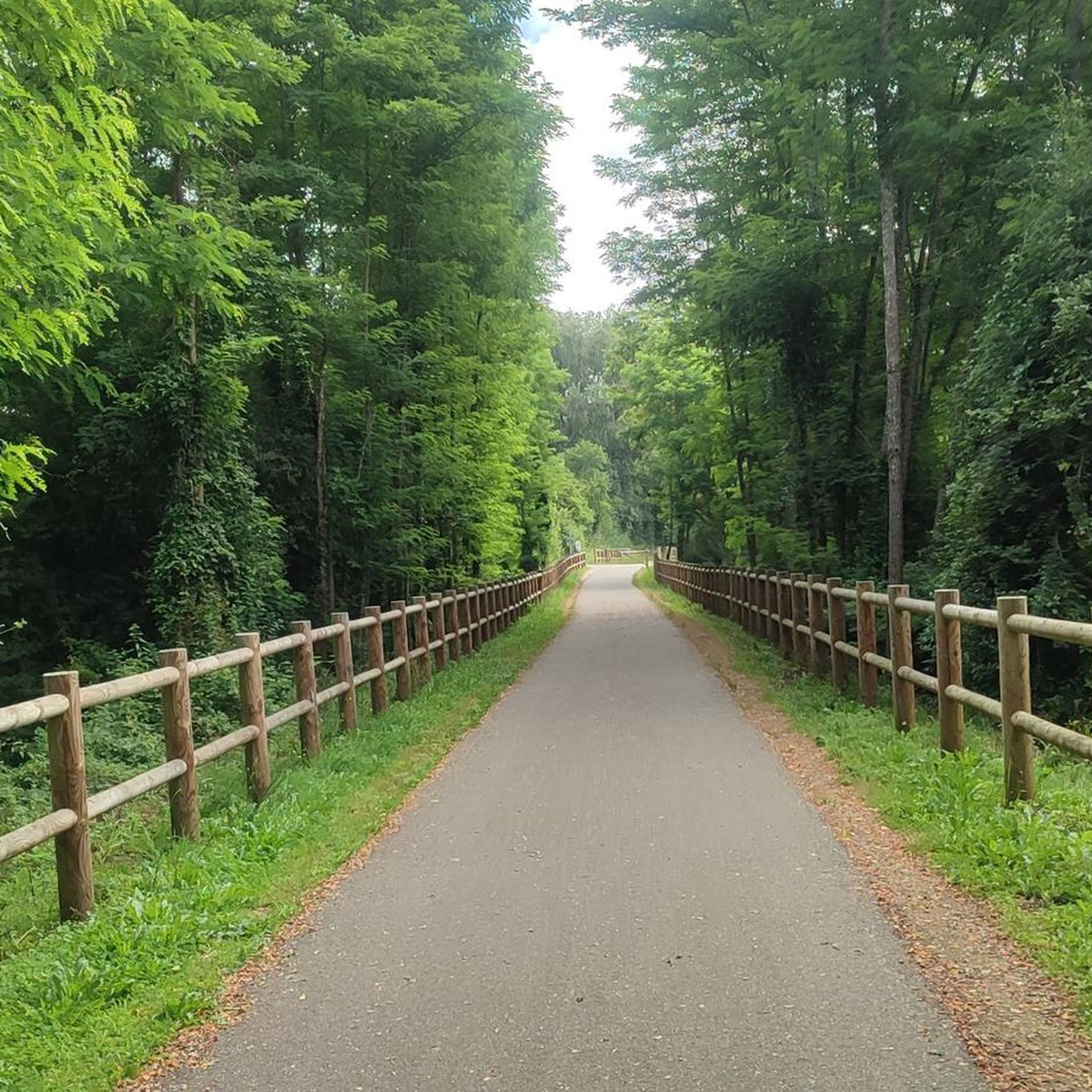
Beautiful ruins of the castle of Budos, accessible by road but also by paths along the river. Much nicer!
1
0

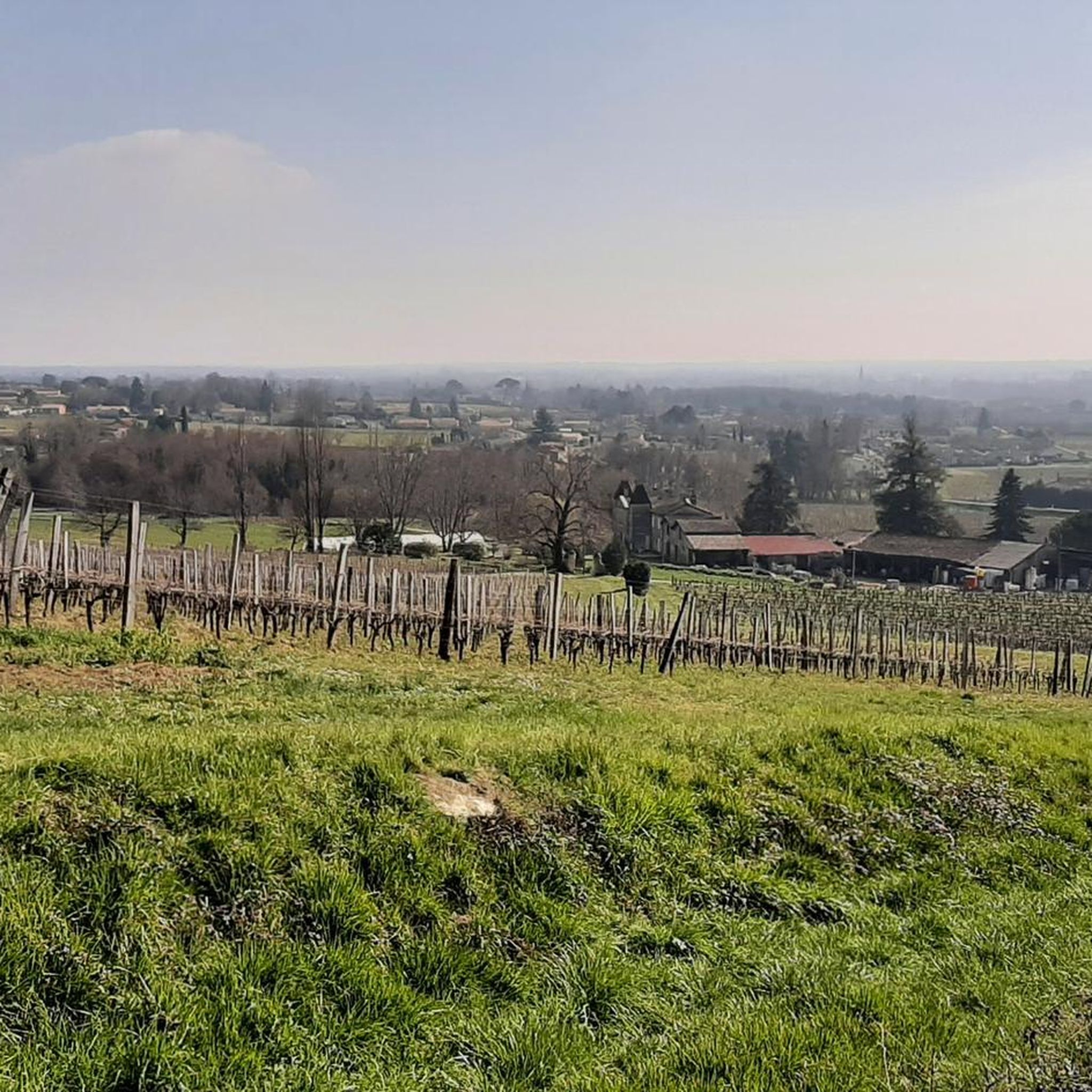
Incredible ruins of the 14th century Budos castle, in the middle of the vineyards. Under restoration by Adichats association for about thirty years.
2
1
Imposing medieval fortress which now houses a wine estate. The castle comprises two buildings, the old one, of which only a few foundations remain, and the new one, remodeled during the reign of Henri IV and remodeled in the 17th century.
2
0
Sainte-Croix-du-Mont is built on a rocky outcrop overlooking the Garonne valley and the Sauternes vineyards. At the foot of the imposing castle of Tastes, there is an interpretive trail and a belvedere from which you can see the Pyrenees on a clear day. The town also has a unique geological site in France: a cave made up of oyster fossils dating back 22 million years. Have !
2
0
Frequently Asked Questions
What are some of the most popular castles to visit around Fargues?
Among the most popular castles, you'll find Budos Castle, known for its incredible 14th-century ruins currently under restoration. Another favorite is Château de Villandraut, a well-preserved 12th-century medieval castle with impressive military Gothic architecture.
Are there family-friendly castles to visit near Fargues?
Yes, Château de Villandraut is categorized as family-friendly. Its moats, drawbridge, and imposing towers offer an engaging experience for visitors of all ages, allowing them to explore medieval architecture.
What kind of historical significance do the castles in Fargues hold?
The castles in Fargues, such as Fargues Castle and Château de Villandraut, are primarily medieval fortresses. They showcase military Gothic architecture and have deep roots in French history, often linked to powerful figures like Pope Clement V. Many have been continuously owned by families for centuries, blending ancient past with the region's viticulture.
Can I combine a castle visit with a wine tasting experience in Fargues?
Absolutely. Fargues Castle is a prime example, as it's an imposing medieval fortress that also houses a renowned wine estate within the prestigious Sauternes appellation. Visitors can often explore the castle's exterior and enjoy a tasting of its exceptional sweet white wine.
Are there guided tours available for castles in the Fargues region?
Yes, guided tours are available for some castles. For instance, Château de Villandraut offers guided tours to discover its history and architecture. It's always recommended to check the specific castle's website for current tour information and booking details.
What outdoor activities can I do near the castles in Fargues?
The region around Fargues offers various outdoor activities. You can find numerous cycling routes, such as the 'Castles of Budos and Fargues - loop in the Sauternais vineyards' or the 'Château de Villandraut – Saint-Symphorien loop'. There are also running trails like 'The Sauternes vineyards – Château La Tour Blanche loop'. For more details, explore the cycling and running guides around Fargues.
What is unique about the architecture of castles in the Fargues area?
The castles in the Fargues area are notable for their medieval and military Gothic architecture. Many, like Château de Villandraut, feature robust walls, moats, drawbridges, and imposing towers, characteristic of 14th-century fortresses. Some, like Fargues Castle, have been remodeled over centuries, blending ancient foundations with later architectural styles.
What is the best time of year to visit the castles around Fargues?
The best time to visit the castles around Fargues is generally during the spring (April-June) and autumn (September-October). During these periods, the weather is pleasant for exploring, and you can also experience the beauty of the vineyards, especially during harvest season in autumn. Many castles and wine estates will have full operating hours.
Are there any lesser-known or 'hidden gem' castles worth exploring near Fargues?
While not a 'hidden gem' in the traditional sense, Sainte-Croix-du-Mont offers a unique experience. It's built on a rocky outcrop overlooking the Garonne valley, with an imposing castle of Tastes at its foot. Beyond the castle, you can find an interpretive trail, a belvedere with potential Pyrenees views, and a unique geological site with oyster fossil caves.
What do visitors particularly enjoy about the castles around Fargues?
Visitors appreciate the blend of historical architecture and the region's renowned winemaking tradition. The opportunity to explore well-preserved medieval structures like Château de Villandraut, or the atmospheric ruins of Budos Castle, while being surrounded by vineyards, is a unique draw. The komoot community has shared 20 photos and given 45 upvotes, highlighting the visual appeal and historical interest.
Is there a castle near Fargues that is still actively being restored?
Yes, Budos Castle, with its incredible 14th-century ruins, is currently under restoration by the Adichats association. This ongoing work allows visitors to witness the preservation efforts firsthand.
Can I find cycling routes that specifically pass by castles in the Fargues area?
Yes, several cycling routes are designed to take you past the region's castles. For example, the 'Castles of Budos and Fargues - loop in the Sauternais vineyards' is a moderate 33.7 km route. Another option is the 'Budos Castle – Budos Castle loop from Sauternes', available for both touring bicycle and road cycling. These routes offer a scenic way to explore the historical sites.
Most popular routes around Fargues
Most popular attractions around Fargues

Get inspired with the komoot mobile app


Explore more
Looking for the best castles somewhere else? Discover other guides around Fargues:
