Top 5 Castles around Barsac
Best castles around Barsac are found in a renowned wine-growing commune in the Bordeaux region, primarily known for its sweet white wines within the Sauternes-Barsac appellation. This area features historic châteaux, many of which are active wine estates with significant historical and architectural features. The surrounding Gironde region also offers notable castles, providing a blend of medieval history and viticultural heritage.
Best castles around Barsac
- The most popular castles is Budos Castle, a castle that features incredible ruins of…
Last updated: June 24, 2026
Budos Castle
Highlight • Castle
Translated by Google •
Tip by

Château de la Benauge.
Highlight • Castle
Translated by Google •
Tip by

Sign up now to discover places like this
Get recommendations on the best single tracks, peaks, & plenty of other exciting outdoor places.
Sign up for free
Sainte-Croix-du-Mont
Highlight • Historical Site
Translated by Google •
Tip by
Fargues Castle
Highlight • Castle
Translated by Google •
Tip by
Landiras Castle Ruins
Highlight • Castle
Translated by Google •
Tip by

Start today with a free account
Your next adventure awaits.
Login or Signup


Tips from the Community

Budos Castle is the work of Raymond Guilhem de Budos, nephew of Pope Clement V. Largely supported by his uncle, he rebuilt the old family castle in 1306, adopting the architectural features of the neighboring Château de Villandraut, as evidenced by the following document from King Edward I, written from Wynten on March 9, 1306, to the Seneschal of Gascony[4]: "The Knight of Budos, nephew of Clement V, Sovereign Pontiff, has begged us to allow him to crenellate his house in Budos, to surround it with walls, towers, moats, and finally to fortify it. Out of respect for the Sovereign Pontiff, and because a fortress of this nature will protect not only our possessions in this part of Guienne, but also the subjects of the Pope's nephew, we grant the aforementioned Raymond permission to fortify his castle and we grant it to him, his heirs, and successors in perpetuity, and we undertake not to disturb him in any way in this possession." In 1422-23, the King of England took possession of the castle and placed Pons, Lord of Castillon, in charge. Around 1433, Henry VI granted the lands and the castle to the Duke of Gloucester. In 1446-47, Budos was given to Gaston IV of Foix-Béarn, Count of Foix, following the death of the Earl of Gloucester. After the conquest of Guyenne, the Budos family, which had supported the cause of France, regained possession of its lordships in Guyenne. Purchased from the Budos family by Raymond de La Roque in 1571, Budos Castle suffered a severe assault in 1652 during the Fronde Wars. Lasserre ransacked, pillaged, and burned its archives. The Budos lordship remained in the La Roque family until the Revolution, which nearly destroyed it. It was sold as national property and used as a quarry to build dikes on the Ciron. In 1841, the Gironde Historical Monuments Commission was informed of this by Léo Drouyn. In 1860, it became the property of Léon de Brivazac, son of Delphine Catherine de La Roque de Budos (born at the castle in 1789). Five descendants (including Savary de Beauregard) entrusted it to the Adichats association, which brings together young people to enhance and preserve what can be preserved. The castle was registered as a historic monument in 1988
0
0

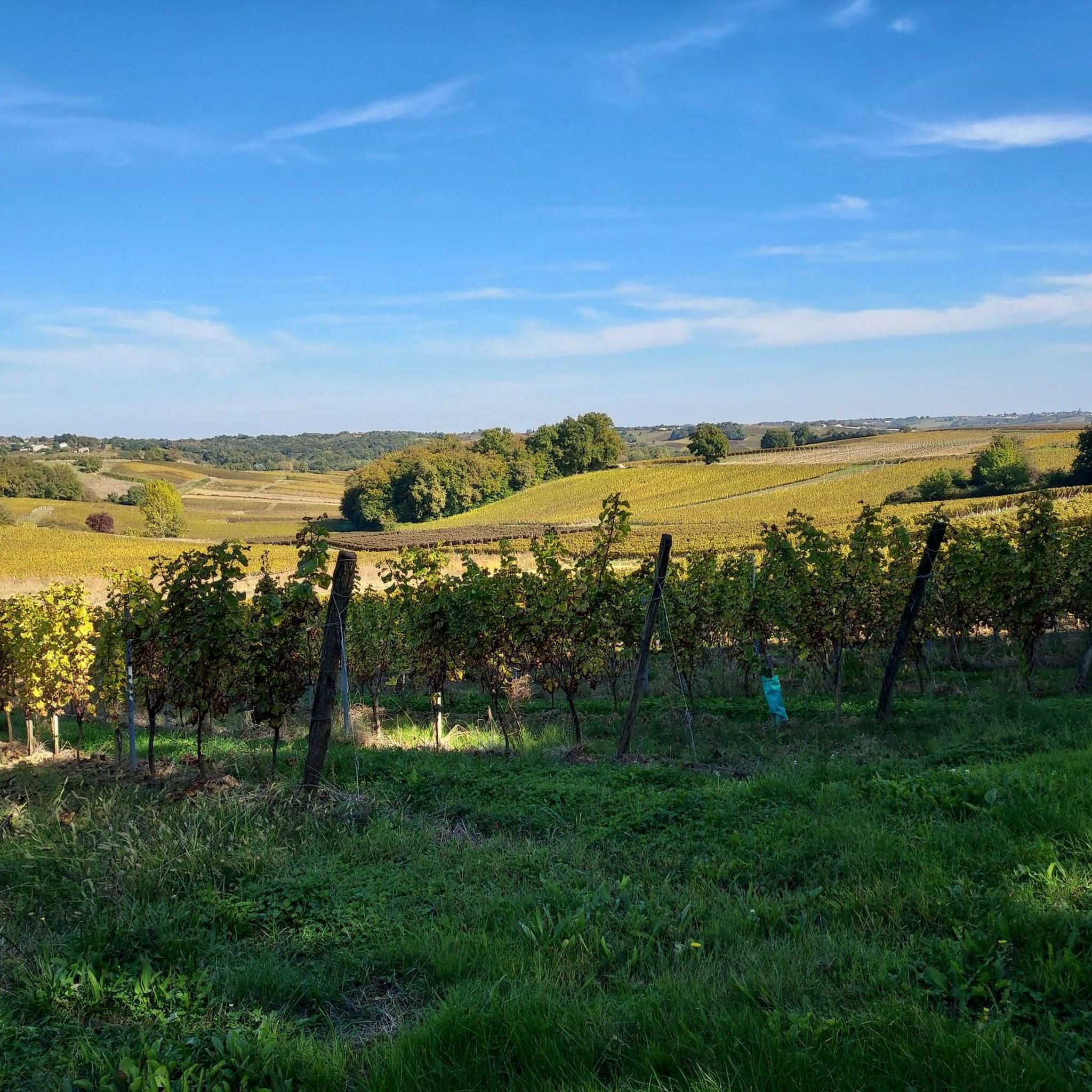
A pretty (private) chateau surrounded by its hillsides of vines.
2
0

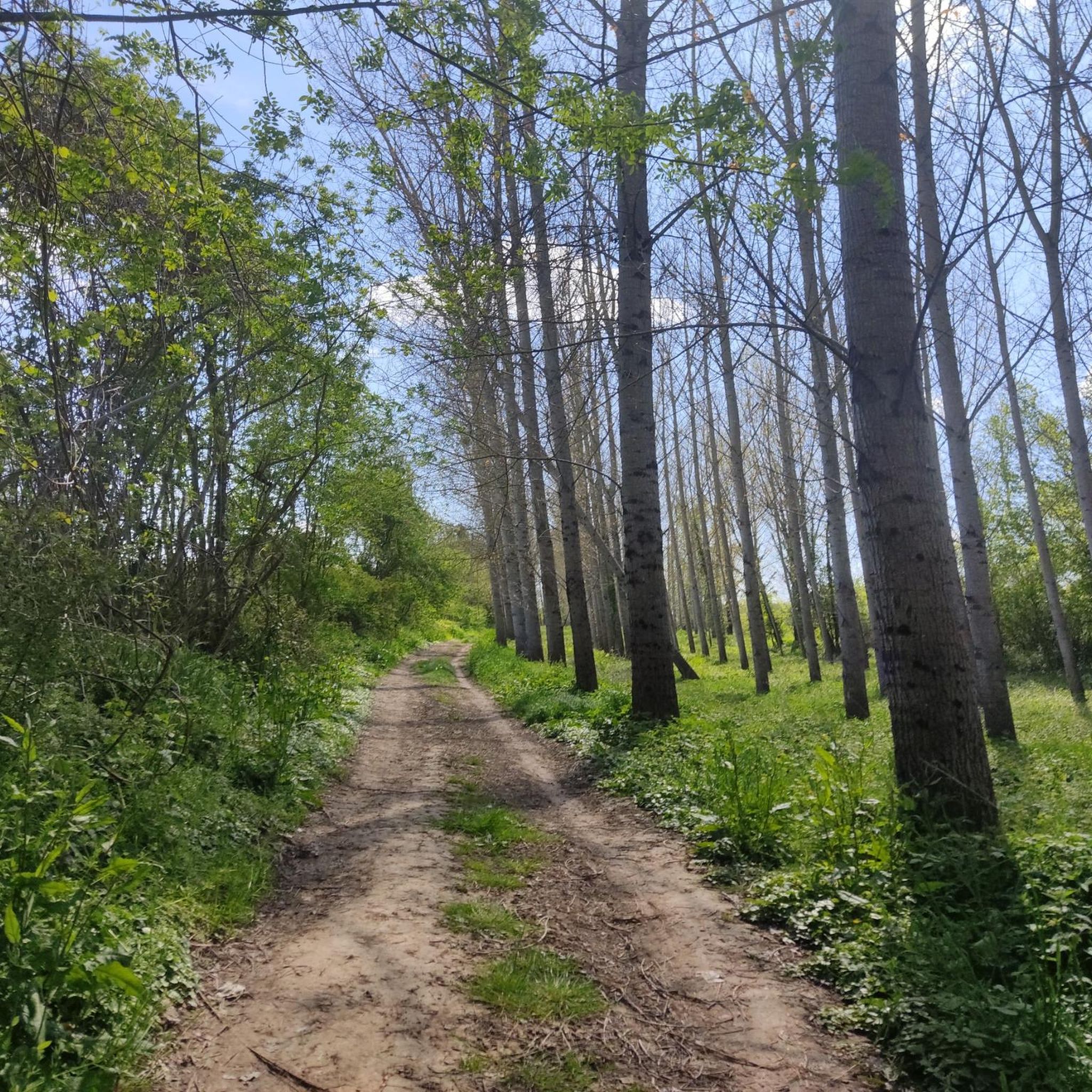
Beautiful ruins of the castle of Budos, accessible by road but also by paths along the river. Much nicer!
1
0

Incredible ruins of the 14th century Budos castle, in the middle of the vineyards. Under restoration by Adichats association for about thirty years.
2
1
Imposing medieval fortress which now houses a wine estate. The castle comprises two buildings, the old one, of which only a few foundations remain, and the new one, remodeled during the reign of Henri IV and remodeled in the 17th century.
2
0
Sainte-Croix-du-Mont is built on a rocky outcrop overlooking the Garonne valley and the Sauternes vineyards. At the foot of the imposing castle of Tastes, there is an interpretive trail and a belvedere from which you can see the Pyrenees on a clear day. The town also has a unique geological site in France: a cave made up of oyster fossils dating back 22 million years. Have !
2
0

Private place generally open during Heritage Days, it can be admired anyway from all around. You will have to climb to look at it from a distance, and climb to admire it up close! But the reward for the eyes on these landscapes of Entre-Deux-Mers will be well worth these efforts.
2
0

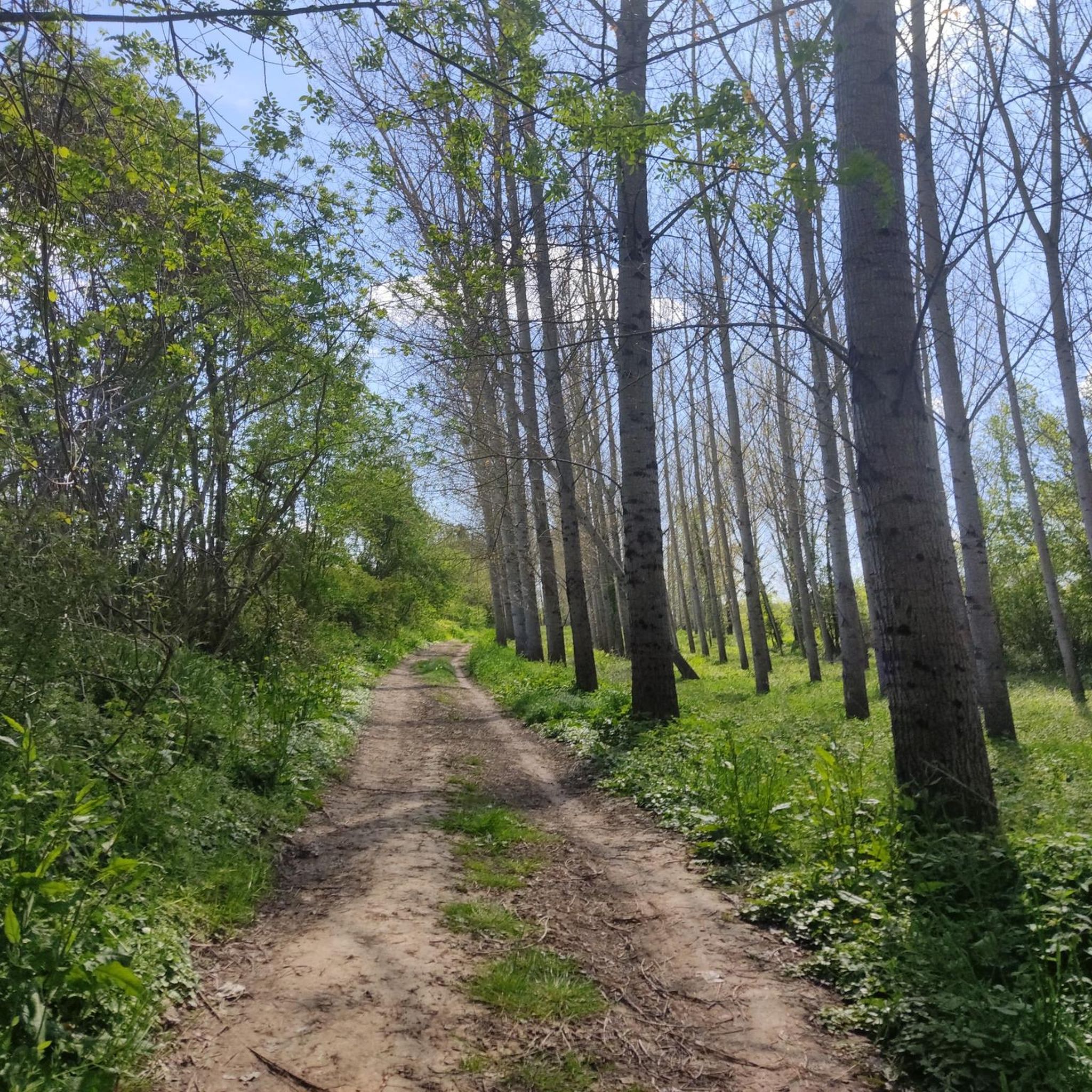
After scouring the gravel paths and the local sand. Pause in front of the impressive ruin of this castle.
1
0
Frequently Asked Questions
What types of castles can I explore around Barsac?
The Barsac area offers a diverse range of castles, from well-preserved medieval fortresses to significant historical ruins and active wine estates. You can find castles like Budos Castle, which features incredible 14th-century ruins, or Fargues Castle, an imposing medieval fortress that now houses a wine estate. Many châteaux in Barsac are also renowned for their sweet white wines, blending history with viticulture.
Are there any castles near Barsac with significant historical connections to the region's past?
Yes, several castles offer deep historical insights. Château Coutet, for instance, began as a 13th-century English fortress, with its original square tower still standing. Budos Castle was built by the nephew of Pope Clement V and played a role in the Franco-English wars. Further afield, Château de Roquetaillade is a remarkable medieval fortress continuously inhabited by the same family for over 700 years, featuring interiors by Viollet-le-Duc.
What outdoor activities can I do near the castles around Barsac?
The region around Barsac's castles is excellent for outdoor activities. You can find numerous running trails, such as the 'Aire naturelle de Sanches loop' or the 'Château Les Rochers loop'. For cycling enthusiasts, there are routes like 'The Footbridge – Budos Castle loop' or 'Cadillac Gate – Saint-Saturnin Church loop'. Gravel biking is also popular, with routes like 'From Langon to Bordeaux'. You can explore more options on the Running Trails around Barsac, Cycling around Barsac, and Gravel biking around Barsac guide pages.
Are there family-friendly castles or activities near Barsac?
While specific family-friendly activities vary by castle, many offer grounds to explore and a glimpse into history that can captivate children. Castles like Château de Roquetaillade often provide guided tours, sometimes by family members, which can make history engaging. The ruins of Budos Castle can be an exciting place for children to imagine medieval life. Additionally, the surrounding natural landscapes provide opportunities for family walks and picnics.
What natural features or viewpoints can I find near the castles?
Many castles in the Barsac area are set amidst beautiful natural landscapes, particularly vineyards. Château de la Benauge, for example, is surrounded by hillsides of vines, offering picturesque views. Sainte-Croix-du-Mont, a historical site near Barsac, is built on a rocky outcrop overlooking the Garonne valley and Sauternes vineyards, featuring a belvedere from which you can sometimes see the Pyrenees. It also has a unique cave made up of oyster fossils.
What is the best time of year to visit the castles around Barsac?
The best time to visit the castles around Barsac is generally during the spring (April to June) and autumn (September to October). During these seasons, the weather is pleasant for exploring, and the vineyards are either blooming or showcasing their harvest colors. Many wine estates also offer special tours or events during these periods. Summer can be warm, but still enjoyable, while winter offers a quieter experience, though some attractions might have reduced hours.
Are there any dog-friendly castles or walking routes near Barsac?
While specific castle interiors may have restrictions, many castle grounds and surrounding natural areas are suitable for walks with dogs. For example, the paths around the ruins of Budos Castle offer a scenic route. It's always advisable to check individual castle policies regarding pets before your visit, especially for guided tours or indoor access. The numerous hiking and cycling trails in the region are generally dog-friendly, provided dogs are kept on a leash.
Can I visit castles that are also active wine estates in Barsac?
Absolutely. Barsac is famous for its sweet white wines, and many historic châteaux are active wine estates. Château Coutet, Château Climens, Château de Rolland, and Château de Myrat are all Premier Cru Classé or historically significant wine-producing castles. Visiting these allows you to appreciate both their historical architecture and their winemaking traditions, often including tastings.
What do visitors enjoy most about the castles around Barsac?
Visitors particularly enjoy the blend of rich history and the stunning viticultural landscapes. The opportunity to explore ancient ruins like Budos Castle, or admire private châteaux like Château de la Benauge from a distance, is highly appreciated. The komoot community has shared over 16 photos and given more than 40 upvotes, highlighting the visual appeal and historical significance of these sites.
Are there any castles near Barsac that are particularly well-preserved or offer guided tours?
Château de Roquetaillade, located in Mazères (within the wider Gironde region), is an exceptionally well-preserved medieval fortress. It has been continuously inhabited by the same family for over 700 years and offers guided tours, often led by family members, providing unique personal insights into its history and the exquisite 19th-century interiors by Viollet-le-Duc. While Château de la Benauge is private, it is sometimes open during Heritage Days.
How long should I plan for a visit to the castles in the Barsac area?
The duration of your visit depends on the castle and your interest. For a quick overview of a single castle, 1-2 hours might suffice. However, if you plan to explore the grounds, take a guided tour, or participate in a wine tasting at a château, you should allocate 2-3 hours per site. To visit multiple castles and enjoy the surrounding landscapes or nearby routes, a full day or even a weekend would be ideal.
Are there any castles that are currently in ruins but still worth visiting for their historical value?
Yes, Budos Castle is a prime example of a magnificent 14th-century castle in ruins, currently under restoration. Its historical significance, tied to Pope Clement V, makes it a captivating visit. Similarly, Château de Villandraut, built by Pope Clement V, is a majestic 14th-century fortress palace, now in ruins but offering a profound historical experience and often hosting medieval-themed events.
Most popular attractions around Barsac

Get inspired with the komoot mobile app


Explore more
Looking for the best castles somewhere else? Discover other guides around Barsac:
