Attractions and Places To See around Léogeats - Top 18
Best attractions and places to see around Léogeats include a variety of historical sites and natural landscapes. This region in Gironde offers more than 18 diverse attractions for exploration. Visitors can discover medieval castles, historical villages, and scenic routes. The area is suitable for those interested in easy hiking trails and cultural exploration.
Best attractions and places to see around Léogeats
- The most popular attractions is Budos Castle, a castle that features incredible 14th-century ruins. It is situated amidst vineyards and is currently undergoing restoration.
- Another must-see spot is Château de Villandraut, a well-preserved 14th-century castle. This site is considered a prime example of military Gothic architecture in the region.
- Visitors also love Verdelais, a historical village. It is known for its large basilica, an impressive Calvary, and a working mill, making it a significant stop on the way to Santiago de Compostela.
- Léogeats is known for its historical castles, charming villages, and viewpoints. The region offers a variety of attractions to see and explore, from ancient ruins to cultural landmarks.
- The attractions around Léogeats are appreciated by the komoot community, with more than 45 upvotes and 20 photos shared by visitors.
Last updated: May 25, 2026
Château de Villandraut
Highlight • Castle
If you want to visit it, all the info here:
chateaudevillandraut.fr/visites-animations/visites-guid%C3%A9es-visites-libres
Translated by Google •
Tip by

Budos Castle
Highlight • Castle
Translated by Google •
Tip by

Sign up now to discover places like this
Get recommendations on the best single tracks, peaks, & plenty of other exciting outdoor places.
Sign up for free
Sainte-Croix-du-Mont
Highlight • Historical Site
The town also has a unique geological site in France: a cave made up of oyster fossils dating back 22 million years. Have !
Translated by Google •
Tip by
Verdelais
Highlight • Other
Translated by Google •
Tip by
Château Saint Vincent
Highlight • Castle
Translated by Google •
Tip by

Sign up for free to discover even more attractions around Léogeats.
Sign up for free
Already have an account?
Start today with a free account
Your next adventure awaits.
Login or Signup



Tips from the Community

Budos Castle is the work of Raymond Guilhem de Budos, nephew of Pope Clement V. Largely supported by his uncle, he rebuilt the old family castle in 1306, adopting the architectural features of the neighboring Château de Villandraut, as evidenced by the following document from King Edward I, written from Wynten on March 9, 1306, to the Seneschal of Gascony[4]: "The Knight of Budos, nephew of Clement V, Sovereign Pontiff, has begged us to allow him to crenellate his house in Budos, to surround it with walls, towers, moats, and finally to fortify it. Out of respect for the Sovereign Pontiff, and because a fortress of this nature will protect not only our possessions in this part of Guienne, but also the subjects of the Pope's nephew, we grant the aforementioned Raymond permission to fortify his castle and we grant it to him, his heirs, and successors in perpetuity, and we undertake not to disturb him in any way in this possession." In 1422-23, the King of England took possession of the castle and placed Pons, Lord of Castillon, in charge. Around 1433, Henry VI granted the lands and the castle to the Duke of Gloucester. In 1446-47, Budos was given to Gaston IV of Foix-Béarn, Count of Foix, following the death of the Earl of Gloucester. After the conquest of Guyenne, the Budos family, which had supported the cause of France, regained possession of its lordships in Guyenne. Purchased from the Budos family by Raymond de La Roque in 1571, Budos Castle suffered a severe assault in 1652 during the Fronde Wars. Lasserre ransacked, pillaged, and burned its archives. The Budos lordship remained in the La Roque family until the Revolution, which nearly destroyed it. It was sold as national property and used as a quarry to build dikes on the Ciron. In 1841, the Gironde Historical Monuments Commission was informed of this by Léo Drouyn. In 1860, it became the property of Léon de Brivazac, son of Delphine Catherine de La Roque de Budos (born at the castle in 1789). Five descendants (including Savary de Beauregard) entrusted it to the Adichats association, which brings together young people to enhance and preserve what can be preserved. The castle was registered as a historic monument in 1988
0
0

The castle has variable opening hours. In August, we found the gates closed. It only opens at 2:30 PM.
0
0

Worth seeing and imposing castle ruins.
5
1

The Château de Villandraut is a medieval castle located in the town of Villandraut, in the department of Gironde, France. Built in the 14th century, it is considered one of the best examples of military Gothic architecture in the region. Villandraut Castle was built under the order of Bertrand de Goth, future Pope Clement V, who wanted to reside there after being elected Pope. The castle was then used as a residence for the French royal family during the Wars of Religion. The castle of Villandraut is surrounded by moats and has a drawbridge, a walkway and several imposing towers. It also houses a chapel, a great hall and royal apartments. The castle is open to visitors who can discover its history and architecture through guided tours, exhibitions and cultural events organized throughout the year.
5
0

Beautiful ruins of the castle of Budos, accessible by road but also by paths along the river. Much nicer!
1
0

Incredible ruins of the 14th century Budos castle, in the middle of the vineyards. Under restoration by Adichats association for about thirty years.
2
1
On the way to Santiago de Compostela, Verdelais has a large basilica, an impressive Calvary (in the cemetery where Toulouse-Lautrec is buried), as well as a mill still in operation: the mill of Cussol. The central alley of the village, lined with plane trees is ideal for taking a break in the shade!
2
0
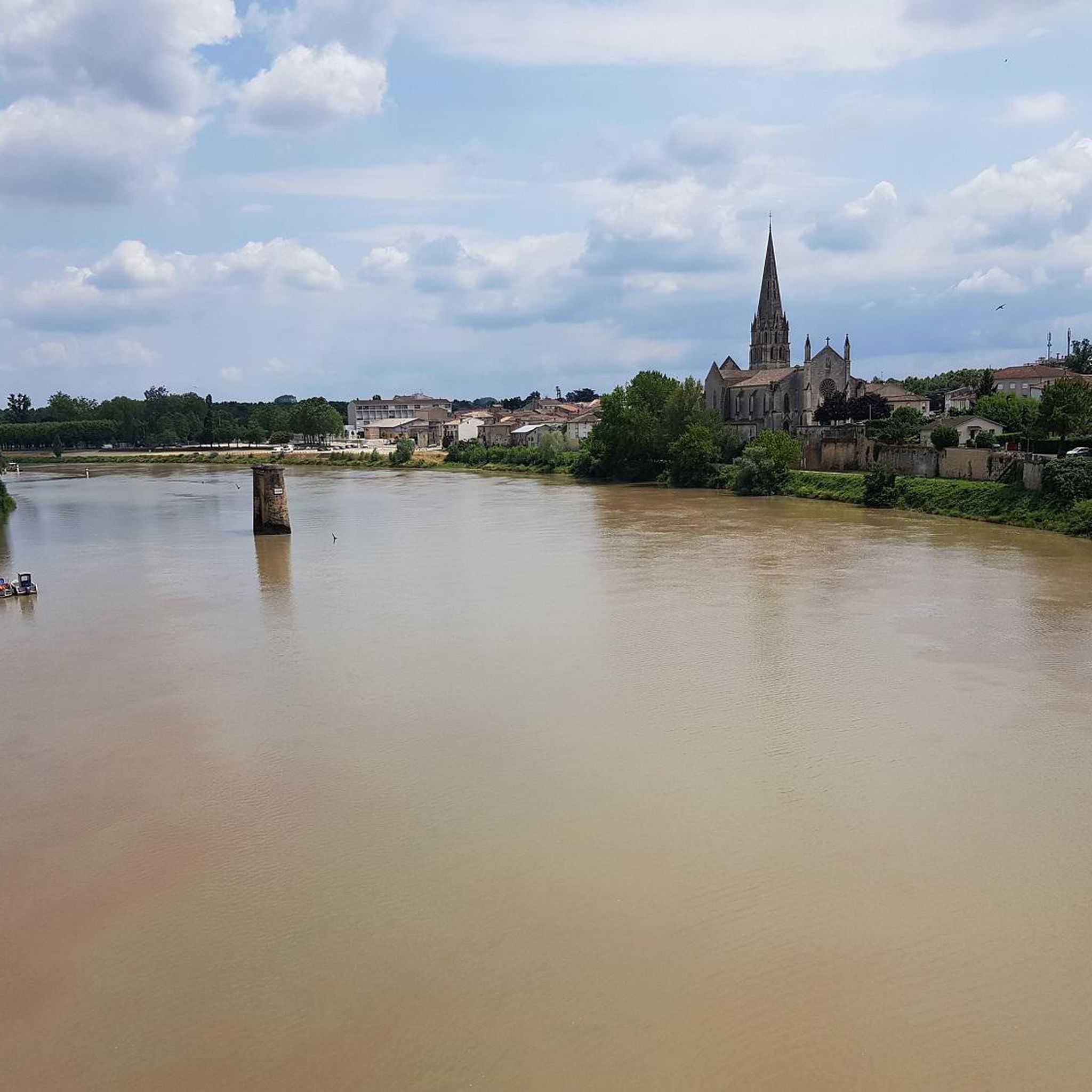
Sainte-Croix-du-Mont is built on a rocky outcrop overlooking the Garonne valley and the Sauternes vineyards. At the foot of the imposing castle of Tastes, there is an interpretive trail and a belvedere from which you can see the Pyrenees on a clear day. The town also has a unique geological site in France: a cave made up of oyster fossils dating back 22 million years. Have !
2
0
Frequently Asked Questions
What family-friendly attractions can we visit near Léogeats?
The region offers several family-friendly attractions. Château de Villandraut is a well-preserved 14th-century castle that often hosts events suitable for families. While not explicitly listed as 'family-friendly' in its categories, historical sites like Budos Castle, with its impressive ruins, can also be engaging for older children interested in history and exploration.
Are there easy hiking trails around Léogeats?
Yes, the region is suitable for those interested in easy hiking trails. For a moderate option, you can explore the Château de Noaillan loop from Langon, which is about 6.5 km. Many of the paths around the historical villages and vineyards offer gentle terrain for pleasant walks.
Where can I find the best viewpoints around Léogeats?
For stunning views, head to Sainte-Croix-du-Mont. It's built on a rocky outcrop overlooking the Garonne valley and the Sauternes vineyards. There's a belvedere from which you can see the Pyrenees on a clear day, offering a truly impressive panorama.
What outdoor activities are popular around Léogeats?
Outdoor activities are very popular, especially cycling and hiking. You can find numerous MTB trails, road cycling routes, and hiking routes that explore the vineyards, castles, and natural landscapes. The komoot community has shared over 20 photos and 45 upvotes for the attractions, indicating a vibrant outdoor scene.
Are there challenging hiking trails available near Léogeats?
While many trails are easy to moderate, some longer routes offer more challenge. For instance, the Budos Castle – Budos Castle loop from Budos is a moderate 16 km hike. For more challenging options, look for longer routes that traverse varied terrain, often found in the nearby forest areas or along river valleys.
What is the best time of year to visit attractions around Léogeats?
The spring (April-June) and autumn (September-October) months are generally ideal. During these periods, the weather is pleasant for exploring historical sites and enjoying outdoor activities like hiking and cycling, and the vineyards are particularly scenic. Summer can be warm, but still enjoyable, especially in the mornings or late afternoons.
Can I find circular walking routes near Léogeats?
Yes, there are several circular walking routes available. For example, the Le Tucau loop from Langon is a moderate 9.7 km circular hike. Many local guides and komoot tours offer circular paths that allow you to start and end at the same point, often passing by key attractions or scenic spots.
Are there any lesser-known or 'hidden gem' attractions around Léogeats?
While the main castles are well-known, exploring the smaller, historical villages like Verdelais can feel like discovering a hidden gem. It's known for its basilica, impressive Calvary, and a working mill, offering a quieter, culturally rich experience away from the more prominent sites.
What should I wear for hiking or exploring attractions in Léogeats?
For hiking and exploring, comfortable walking shoes are essential, especially if you plan to visit historical sites with uneven terrain or walk through vineyards. Layered clothing is recommended as temperatures can change, and a hat and sunscreen are advisable during sunnier months. For cooler seasons, a waterproof jacket is always a good idea.
Are there scenic routes for cycling or driving around Léogeats?
Absolutely. The region is renowned for its scenic routes, particularly through the vineyards of Sauternes and along the Garonne River. For road cycling, consider routes like the Budos Castle – Budos Castle loop from Sauternes. These routes offer picturesque views of the countryside, châteaux, and charming villages.
Is parking available at attractions around Léogeats?
Most major attractions and historical sites, including castles and villages, typically have designated parking areas nearby. For smaller, more remote spots or trailheads, parking might be less formal but generally available. It's always a good idea to check specific location details if you are driving to a particular attraction.
Are there specific attractions or activities recommended for winter in Léogeats?
While outdoor activities might be less frequent due to weather, winter can be a good time to explore the historical castles and villages without the crowds. Indoor tours of places like Château de Villandraut can be enjoyed. Many local wineries also offer tastings and tours year-round, providing a cozy activity during colder months.
Most popular attractions around Léogeats

Get inspired with the komoot mobile app


Explore more
Still not found the Highlight you’re looking for? See guides of the top attractions in other regions:
