Attractions and Places To See around Mazères - Top 20
Best attractions and places to see around Mazères include a blend of historical architecture, cultural sites, and natural beauty. This charming bastide town in the Ariège department is known for its distinctive red brick architecture. Located at the crossroads of three departments, Mazères serves as a convenient base for exploring the wider region. The area offers a variety of experiences, from exploring ancient castles and cathedrals to enjoying natural features like bird sanctuaries and unique caves.
Best attractions and places…
Last updated: June 24, 2026
Garonne Lateral Canal
Highlight (Segment) • Other
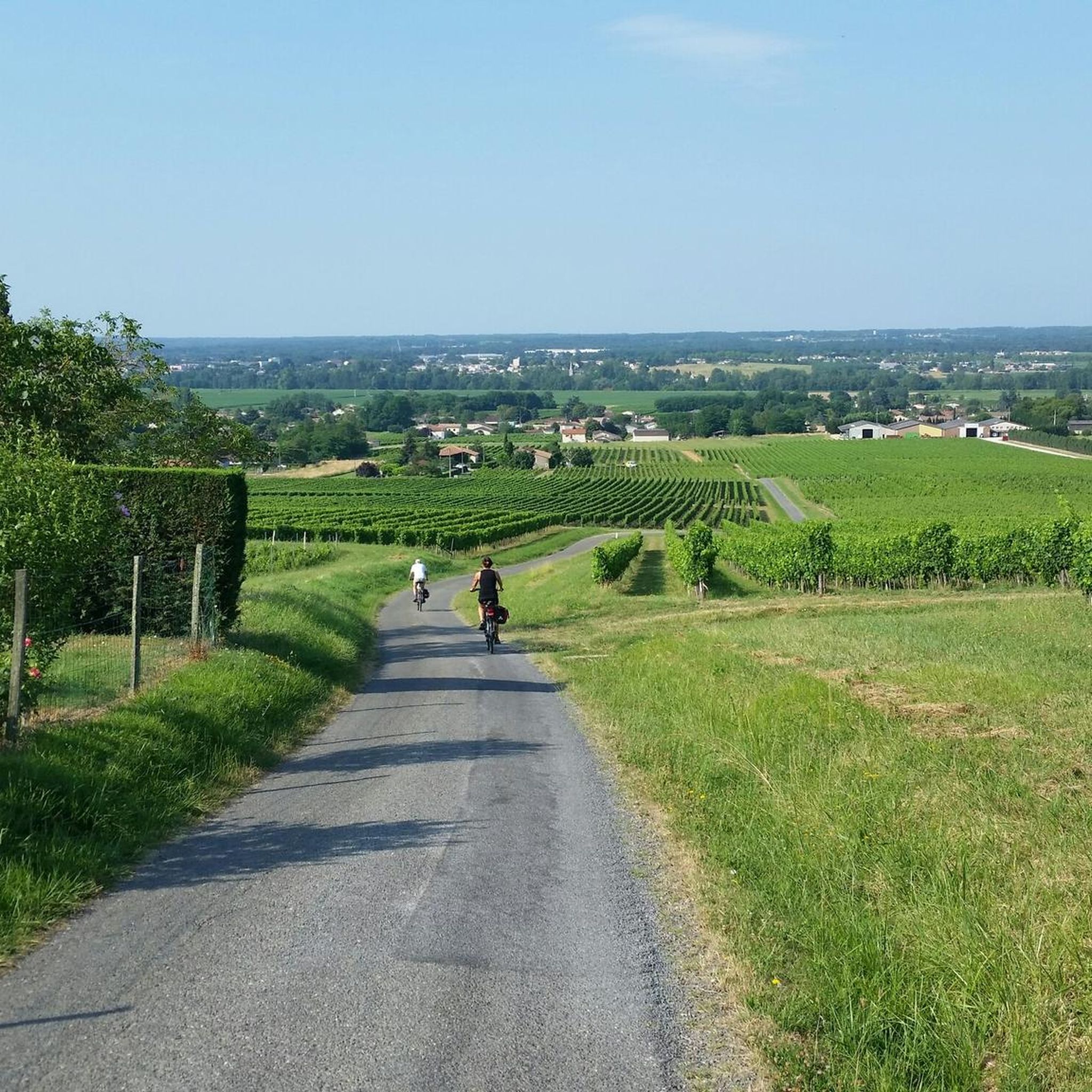
In the Gironde department, the surface is better than in the Lot-Garonne department.
Sometimes nice and shady, many small locks.
Translated by Google •
Tip by

Château de Villandraut
Highlight • Castle
If you want to visit it, all the info here:
chateaudevillandraut.fr/visites-animations/visites-guid%C3%A9es-visites-libres
Translated by Google •
Tip by

Sign up now to discover places like this
Get recommendations on the best single tracks, peaks, & plenty of other exciting outdoor places.
Sign up for free
Budos Castle
Highlight • Castle
Translated by Google •
Tip by

Bazas Cathedral
Highlight • Religious Site
Translated by Google •
Tip by

Castets Lock, no. 53
Highlight • Structure
Translated by Google •
Tip by

Sign up for free to discover even more attractions around Mazères.
Sign up for free
Already have an account?
Start today with a free account
Your next adventure awaits.
Login or Signup

Tips from the Community

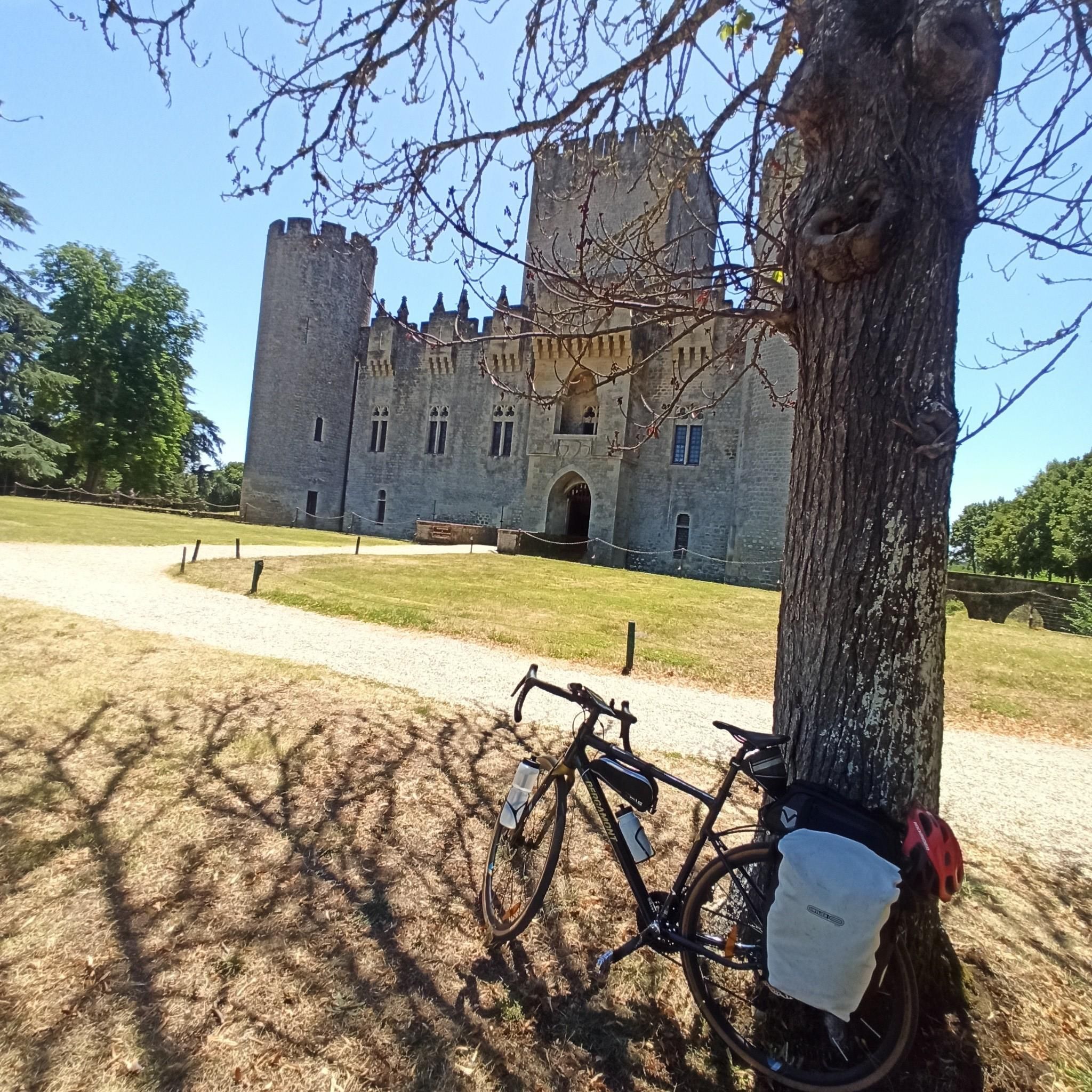
Budos Castle is the work of Raymond Guilhem de Budos, nephew of Pope Clement V. Largely supported by his uncle, he rebuilt the old family castle in 1306, adopting the architectural features of the neighboring Château de Villandraut, as evidenced by the following document from King Edward I, written from Wynten on March 9, 1306, to the Seneschal of Gascony[4]: "The Knight of Budos, nephew of Clement V, Sovereign Pontiff, has begged us to allow him to crenellate his house in Budos, to surround it with walls, towers, moats, and finally to fortify it. Out of respect for the Sovereign Pontiff, and because a fortress of this nature will protect not only our possessions in this part of Guienne, but also the subjects of the Pope's nephew, we grant the aforementioned Raymond permission to fortify his castle and we grant it to him, his heirs, and successors in perpetuity, and we undertake not to disturb him in any way in this possession." In 1422-23, the King of England took possession of the castle and placed Pons, Lord of Castillon, in charge. Around 1433, Henry VI granted the lands and the castle to the Duke of Gloucester. In 1446-47, Budos was given to Gaston IV of Foix-Béarn, Count of Foix, following the death of the Earl of Gloucester. After the conquest of Guyenne, the Budos family, which had supported the cause of France, regained possession of its lordships in Guyenne. Purchased from the Budos family by Raymond de La Roque in 1571, Budos Castle suffered a severe assault in 1652 during the Fronde Wars. Lasserre ransacked, pillaged, and burned its archives. The Budos lordship remained in the La Roque family until the Revolution, which nearly destroyed it. It was sold as national property and used as a quarry to build dikes on the Ciron. In 1841, the Gironde Historical Monuments Commission was informed of this by Léo Drouyn. In 1860, it became the property of Léon de Brivazac, son of Delphine Catherine de La Roque de Budos (born at the castle in 1789). Five descendants (including Savary de Beauregard) entrusted it to the Adichats association, which brings together young people to enhance and preserve what can be preserved. The castle was registered as a historic monument in 1988
0
0

Very interesting flood marks, sometimes you can't even imagine how high the water once was.
1
0

The castle has variable opening hours. In August, we found the gates closed. It only opens at 2:30 PM.
0
0
The cathedral is an impressive Gothic church. The windows and the light are fantastic. The side altars for Peter and John the Baptist are beautifully designed and painted with pictures from the lives of both of them.
2
0

Worth seeing and imposing castle ruins.
5
1
Seen from Toulouse, the last lock on the side canal.
3
1
Very scenic, a few places to stop for refreshments. In the Gironde department, the surface is better than in the Lot-Garonne department. Sometimes nice and shady, many small locks.
4
0
Frequently Asked Questions
What historical sites can I visit in and around Mazères?
Mazères and its surroundings are rich in history. Within the town, you can explore the Musée de l'Hôtel Ardouin, housed in a 16th-century pastelier hotel, which covers local history from the Neolithic period. Other historical structures include the Halle de Mazères and the Maison des Comtes de Foix, both recognized as Monument Historique. Nearby, you can visit the well-preserved 14th-century medieval Château de Villandraut, or the incredible ruins of Budos Castle amidst vineyards.
Are there natural attractions or parks to explore near Mazères?
Yes, Mazères offers several natural attractions. The Domaine des Oiseaux (The Bird Area) is a significant natural site spanning nearly 100 hectares, serving as a migratory stopover and habitat for diverse fauna and flora, with trails around three ponds. You can also visit Le Parc aux Bambous (Bamboo Park) in Lapenne for another natural experience. For water-based relaxation, Lac de Montbel is a large body of water ideal for various activities.
What are some family-friendly attractions in the Mazères area?
Families can enjoy several attractions. The Domaine des Oiseaux offers trails suitable for walks. The Garonne Lateral Canal provides scenic towpaths for walking or cycling, which can be a pleasant family outing. The Château de Villandraut is also listed as family-friendly. Additionally, the unique Grotte du Mas d'Azil, which can be traversed by vehicle, offers an exciting experience for all ages.
What outdoor activities, like hiking or cycling, are available near Mazères?
The region around Mazères is excellent for outdoor activities. You can find numerous hiking trails, with options ranging from easy to moderate, such as those around Saint-Macaire. For cycling, the towpaths along the Garonne Lateral Canal are very popular. Gravel biking routes are also available, including an easy loop around Château de Villandraut. You can explore more options on the Hiking around Mazères, Running Trails around Mazères, and Gravel biking around Mazères guide pages.
Are there any unique natural features to see in the area?
Absolutely. One of the most unique natural features is the Grotte du Mas d'Azil, which is the only cave in Europe that can be traversed by vehicle through a natural tunnel. It also boasts Europe's longest navigable underground river. Another remarkable site is the Grotte de Niaux, renowned for its masterpiece of parietal art and one of the few decorated caves still open to the public.
What do visitors particularly enjoy about the attractions around Mazères?
Visitors frequently praise the scenic beauty and historical depth of the region. For instance, the Garonne Lateral Canal is loved for its very scenic views and pleasant, often shaded paths. The ruins of Budos Castle are described as incredible, especially when approached via scenic paths along the river. The Château de Villandraut is appreciated as a well-preserved example of military Gothic architecture. The area's blend of history and nature receives high acclaim from the komoot community, with over 80 upvotes and more than 100 photos shared.
When is the best time to visit Mazères for outdoor activities?
The best time to visit Mazères for outdoor activities generally aligns with pleasant weather for hiking, cycling, and exploring. Spring (April-May) and early autumn (September-October) typically offer mild temperatures and beautiful scenery, ideal for enjoying the trails and natural sites like the Domaine des Oiseaux or the Garonne Lateral Canal. Summer can be warm, but many routes offer shade.
What other interesting towns or cities are easily accessible from Mazères?
Mazères is strategically located, making several interesting towns easily accessible. Mirepoix is known for its central square with half-timbered houses. Foix, the prefecture of Ariège, features a comtal castle and historic streets. Carcassonne, a UNESCO World Heritage site, is famous for its extensive fortifications. Pamiers, the most populated commune in Ariège, offers a cathedral and historic districts. Revel is known for its market and proximity to the Saint Ferréol basin.
Are there any significant religious or architectural sites nearby?
Yes, the region boasts several significant religious and architectural sites. In Bazas, you can visit the impressive Bazas Cathedral, a Roman Catholic church and national monument known for its Gothic architecture. Another notable site is the Cathédrale et Cloître de Saint Lizier, offering significant historical and architectural interest with its 11th-century cathedral and Roman cloister.
Can I learn about specific historical periods or figures in the Mazères area?
Yes, the Musée de l'Hôtel Ardouin in Mazères provides extensive insights into the region's history, from the Neolithic period to contemporary times. It features exhibitions on the largest Merovingian necropolis in Southern France, artifacts from the Bénazet site, and displays on the history of the Counts of Foix, including Gaston Fébus. The museum also covers the history of woad (pastel), a plant used for blue dye, which was significant in the region.
Are there any opportunities for water sports or relaxation by the water?
Yes, for water-based activities and relaxation, Lac de Montbel is a large body of water perfect for various water sports and simply enjoying the lakeside environment. Additionally, the Garonne Lateral Canal is popular for river tourism, offering opportunities for boating or leisurely strolls along its towpaths.
Most popular attractions around Mazères

Get inspired with the komoot mobile app


Explore more
Still not found the Highlight you’re looking for? See guides of the top attractions in other regions:
