Attractions and Places To See around Saint-Martial - Top 15
Best attractions and places to see around Saint-Martial, a village in the Gard department of France, include a blend of historical sites and natural features. Located within the Cévennes National Park, the area is characterized by its promontory location, schist and granite geology, and the Rieutord river. The region offers insights into its agricultural heritage, including the Cévennes sweet onion, and features a historic Romanesque church.
Best attractions and places to see around Saint-Martial
- The most popular attractions is Garonne Lateral Canal, a navigable canal that connects Toulouse to Castets-en-Dorthe, France. It is part of the network of canals in southwestern France and offers panoramic views from its towpaths.
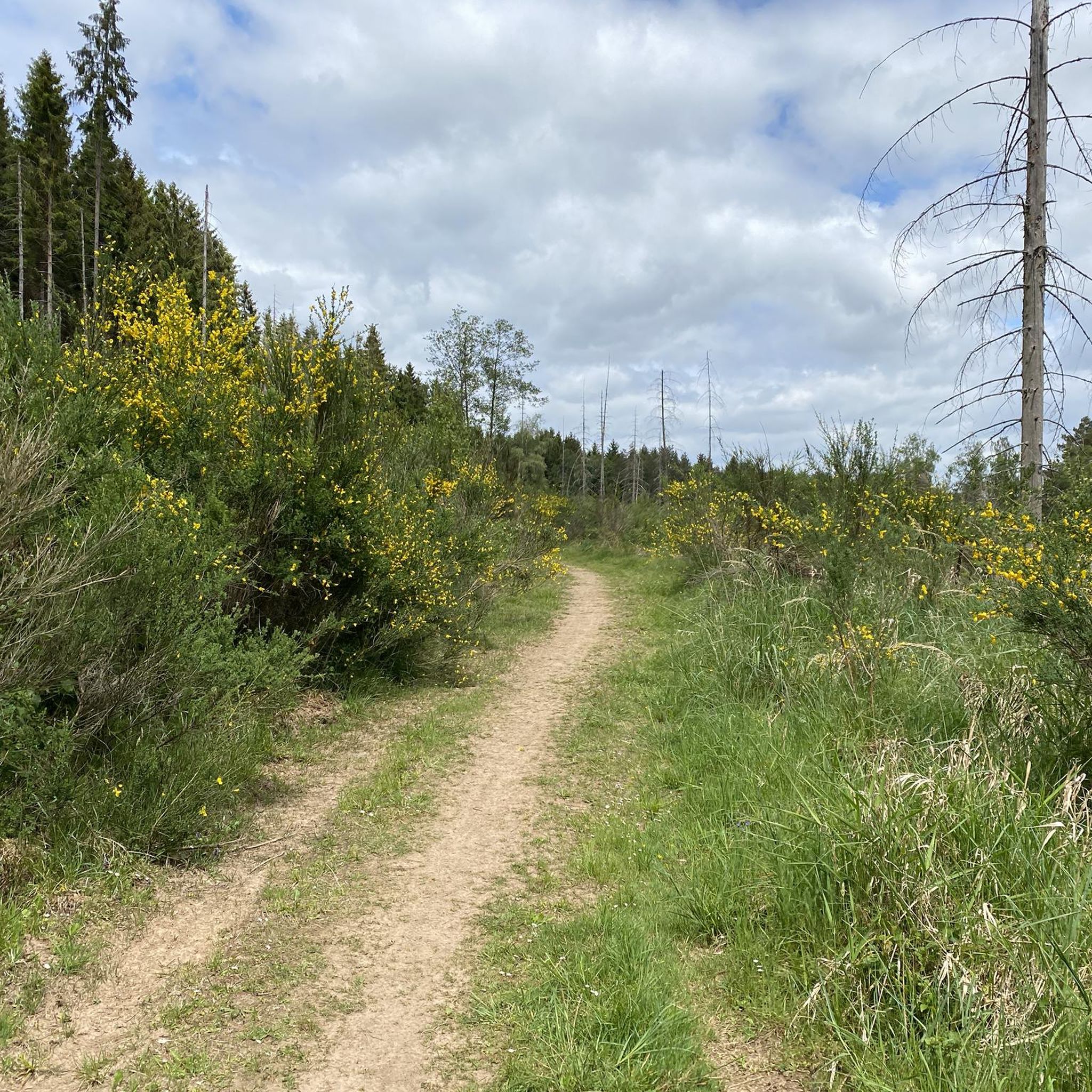
- Another must-see spot is Roger Lapébie track - Sauveterre to Cessac, a greenway built on an old railway line. This well-developed cycle path connects Créon and Sauveterre-de-Guyenne, offering a pleasant route through the forest.
- Visitors also love Le Moulin de Loubens, a man-made monument. This mill, dating from the 11th century, utilizes the power of moving water to drive its wheel.
- Saint-Martial is known for its historical landmarks, natural features, and hiking opportunities. The region offers a variety of attractions to see and explore, from ancient churches to scenic river valleys.
- The attractions around Saint-Martial are appreciated by the komoot community, with 88 upvotes and 102 photos shared by visitors.
Last updated: May 26, 2026
Garonne Lateral Canal
Highlight (Segment) • Other
In the Gironde department, the surface is better than in the Lot-Garonne department.
Sometimes nice and shady, many small locks.
Translated by Google •
Tip by

Le Moulin de Loubens
Highlight • Monument
Translated by Google •
Tip by

Sign up now to discover places like this
Get recommendations on the best single tracks, peaks, & plenty of other exciting outdoor places.
Sign up for free
Sauveterre-de-Guyenne - bastide
Highlight • Other
Translated by Google •
Tip by

Roger Lapébie track - Sauveterre to Cessac
Highlight (Segment) • Other
Translated by Google •
Tip by

Castets Lock, no. 53
Highlight • Structure
Translated by Google •
Tip by

Sign up for free to discover even more attractions around Saint-Martial.
Sign up for free
Already have an account?
Start today with a free account
Your next adventure awaits.
Login or Signup

Tips from the Community

Majestic in its size and appearance, the Loubens mill is one of the most remarkable in the Entre-deux-Mers region. Its installation seems to date back to the 11th century. A square, medieval tower, built on an island, bears similarities to the Bagas mill located 2 km downstream. It includes three sets of millstones still in place. However, it is not a fortified building; it is a weir mill. To the north construction, a bridge with a double row of arches was added in the 18th century, containing two more pairs of millstones and a fulling mill (a machine used not for grinding grain, but for fulling textiles. These mills were often called "beating mills"). This southern part of the mill earned it the name "little Chenonceau". The mill has been classified as a Historic Monument since 2000.
0
0

Beautiful view of the ivy-covered mill.
1
0

Sauveterre-de-Guyenne is a bastide. A bastide is a type of French medieval town, founded in the 13th and 14th centuries, primarily in southwestern France. A bastide is characterized by a rectangular street pattern that divides the town into eight blocks around a central market square. The Treaty of Paris (1229) prohibited the building of walls around new towns. Many bastides were provided with some form of fortification, such as gates, after their founding to provide some protection during turbulent times. Most bastides had only local significance and did not develop into large towns. As a result, many bastides, such as that of Sauveterre-de-Guyenne, have been preserved in their original state.
1
0

Very interesting flood marks, sometimes you can't even imagine how high the water once was.
1
0

Using the power of moving water to drive a mill wheel is an ancient invention that dates back to pre-Christian times. Thanks to such a construction, human or animal muscle power could be easily replaced by a watercourse - natural or artificially created - in order to grind grain into corn, for example. There are essentially two different ways of driving watermills: Either the water simply hits the blades of the water wheel from below to set it in motion; or the water is guided above the wheel and falls onto the blades; this type of construction is more efficient due to natural gravity.
1
1

Pretty village in the center of Entre-Deux-Mers - Medieval bastide with ramparts all around, some pretty gates and a central square which is worth a stop...
2
0
Very well developed cycle path and easy to ride.
2
0

Seen from Toulouse, the last lock on the side canal.
3
1
Frequently Asked Questions
What historical and cultural sites can I explore in Saint-Martial?
Saint-Martial offers a rich history. You can visit the Romanesque Church, dating back to 1156, which is dedicated to Saint-Martial and notable for its schist construction. Wander through the Historic Village Center with its narrow alleys and cobblestone streets. The village also has a Traditional Textile Workshop, housed in an old olive grove, demonstrating silkworm cultivation and cashmere production. Additionally, Saint-Martial is part of the Cévennes Sweet Onion Thematic Circuit, showcasing traditional agricultural expertise.
Are there any notable natural features or viewpoints in the Saint-Martial area?
Yes, Saint-Martial is situated on a promontory, offering scenic views of the surrounding Cévennes landscapes. The village is located within the optimal adhesion area of the Cévennes National Park, providing access to wider natural beauty. The Rieutord river flows through the commune, joined by its affluent, the Elbès, and several other streams, all contributing to the picturesque environment.
What are some popular attractions further afield from Saint-Martial?
Beyond the immediate village, visitors often enjoy the Garonne Lateral Canal, a navigable waterway offering panoramic views from its towpaths. Another popular spot is the Roger Lapébie track - Sauveterre to Cessac, a greenway built on an old railway line that provides a pleasant cycling route through the forest. The historic Le Moulin de Loubens, an 11th-century mill, is also a cherished landmark.
What kind of outdoor activities can I do near Saint-Martial?
The region around Saint-Martial is excellent for outdoor enthusiasts. You can explore numerous hiking and walking circuits with varying degrees of difficulty. For cycling, there are routes like the Espiet tunnel – Canal latéral à la Garonne loop or the Canal latéral à la Garonne – Fontet Marina loop. Running trails are also available, such as the Porte de Benauge loop. You can find more details on these activities in the dedicated guides for cycling, road cycling, and running around Saint-Martial.
Are there any family-friendly activities or trails around Saint-Martial?
While specific family-friendly trails are not detailed, the general hiking and walking circuits in the Cévennes National Park area can be adapted for families, with many easy walks available. The Roger Lapébie track, a well-developed greenway, is also suitable for family bike rides. Exploring the historic village center and the textile workshop can also be engaging for children.
What is the best time of year to visit Saint-Martial for outdoor activities?
The Cévennes region generally offers pleasant conditions for outdoor activities from spring through autumn. Spring brings blooming landscapes, while autumn provides comfortable temperatures and beautiful fall foliage. Summer can be warm, but the shaded sections of trails and the presence of rivers offer respite. Winter hikes are possible, but some routes may be more challenging due to weather conditions.
What do visitors particularly enjoy about the attractions near Saint-Martial?
Visitors frequently praise the scenic beauty and tranquility of the region. For instance, the Garonne Lateral Canal is noted for its beautiful sections, often described as driving through a 'green tunnel' due to the shade of trees. The Le Moulin de Loubens is admired for its majestic appearance and historical significance. The medieval bastide of Sauveterre-de-Guyenne is appreciated for its preserved original state and charming central square.
Can I find any unique geological features in the area?
The commune of Saint-Martial is characterized by its geology, primarily composed of schist and granite. These materials were historically used to construct most of the village's buildings, giving them a distinctive appearance. The promontory location of the village itself is a result of these geological formations, offering unique perspectives of the landscape.
Are there any specific cycling routes recommended around Saint-Martial?
Yes, for cycling, you can explore routes like the 'Canal latéral à la Garonne – Fontet Marina loop' which is a moderate 40 km ride, or the more challenging 'Espiet tunnel – Canal latéral à la Garonne loop' covering over 110 km. These routes often follow the scenic canal paths. For more options, refer to the Cycling around Saint-Martial guide.
What is the significance of the Cévennes Sweet Onion in Saint-Martial?
Saint-Martial is part of a thematic circuit dedicated to the production of the Cévennes sweet onion (AOC). This onion is manually cultivated, perpetuating traditional expertise that has shaped the remarkable landscape over centuries. It represents an important part of the region's agricultural heritage and local identity.
Are there any historical fortifications or medieval towns nearby?
Yes, the medieval bastide of Sauveterre-de-Guyenne is a notable example. Founded in the 13th and 14th centuries, it features a characteristic rectangular street pattern, ramparts, and a central market square. Many bastides like Sauveterre-de-Guyenne have been preserved in their original state, offering a glimpse into medieval town planning.
What is the Garonne Lateral Canal and what can I see there?
The Garonne Lateral Canal is a navigable canal that connects Toulouse to Castets-en-Dorthe. It's part of a larger network of canals in southwestern France. Along its towpaths, you can enjoy panoramic views of the surrounding countryside. Highlights include the Castets Lock, no. 53, which features impressive high water marks from past floods, and various picturesque towns and villages.
Most popular routes around Saint-Martial

Get inspired with the komoot mobile app


Explore more
Still not found the Highlight you’re looking for? See guides of the top attractions in other regions:
