Attractions and Places To See around La Rivière-Drugeon - Top 20
Best attractions and places to see around La Rivière-Drugeon are located in this commune within the Doubs department of France. The area features a blend of historical sites and natural landscapes. Situated in the valley of the Drugeon river, it offers ponds and various hiking trails for exploration. Visitors can discover cultural heritage alongside scenic natural features.
Best attractions and places to see around La Rivière-Drugeon
- The most popular attractions is La Cluse-et-Mijoux, a settlement nestled in a valley…
Last updated: June 24, 2026
Lac de Saint-Point
Highlight • Lake
Translated by Google •
Tip by

La Cluse-et-Mijoux
Highlight • Settlement
Translated by Google •
Tip by

Sign up now to discover places like this
Get recommendations on the best single tracks, peaks, & plenty of other exciting outdoor places.
Sign up for free
Pontarlier
Highlight • Settlement
Translated by Google •
Tip by
Joux Castle
Highlight • Castle
Translated by Google •
Tip by
Saint-Bénigne Church
Highlight • Religious Site
Translated by Google •
Tip by

Sign up for free to discover even more attractions around La Rivière-Drugeon.
Sign up for free
Already have an account?
Start today with a free account
Your next adventure awaits.
Login or Signup

Tips from the Community

La Cluse-et-Mijoux is a pretty village nestled at the bottom of a valley in the Jura Mountains. Busy with cars heading to Switzerland, the town boasts a wide range of shops and services. History buffs can visit Fort de Joux or Fort Malher, which overlook La Cluse-et-Mijoux. Several chapels (Saint-Léger and Saint-Claude) also dot the outskirts of the town.
1
0

The complex is impressive even from the outside and, despite its 1,000-year-old and eventful history, is still in good condition. It has been continuously modernized to accommodate the latest military and artillery technologies.
2
0

Village located between the Joux fortified castle and Fort Malher
0
0


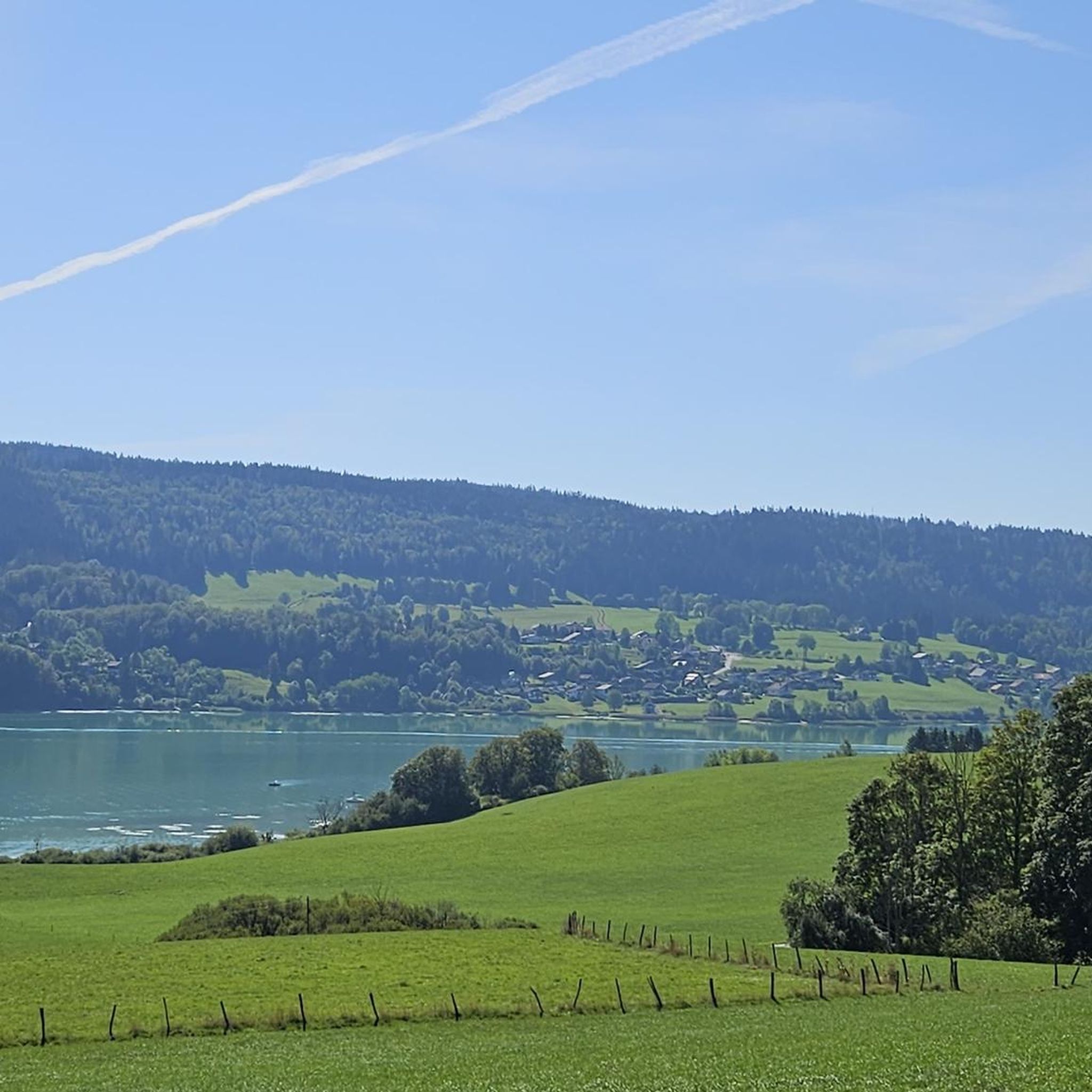
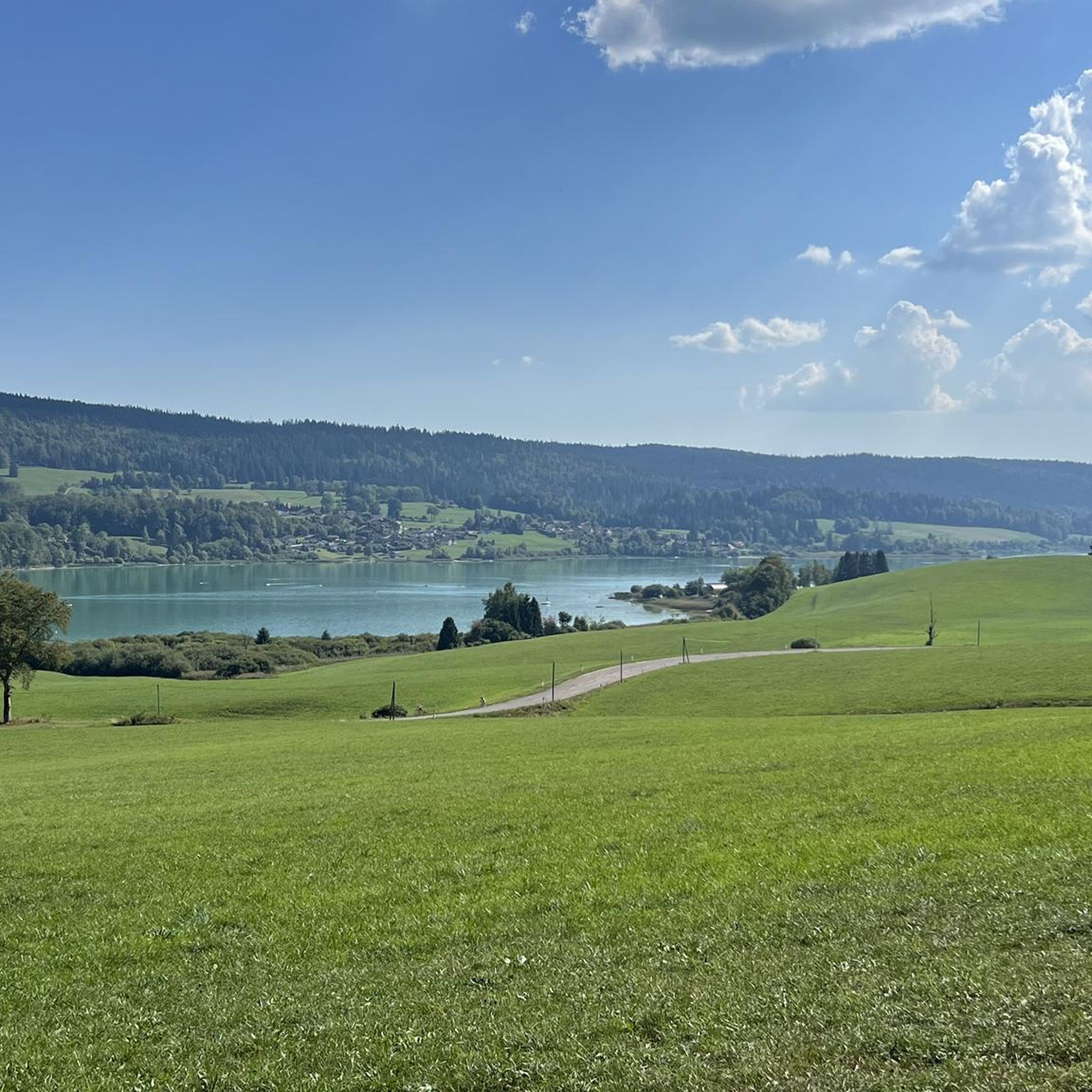
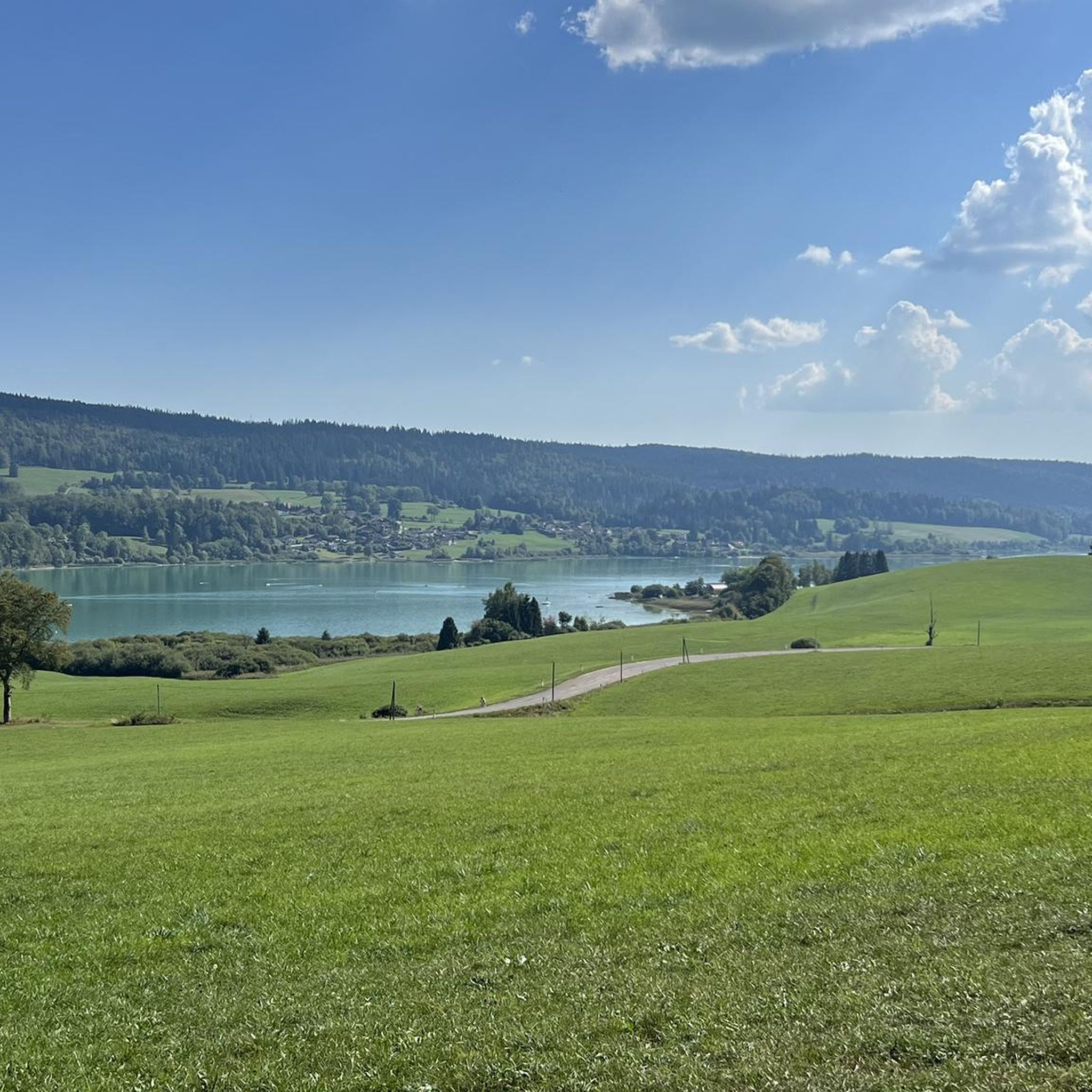
This lake, known for its bright blue water, crosses the Doubs in a 'valley'. This lake once formed one large body of water together with Lake Remoray. The lake is 6.3 km long and 800m wide, making it the fourth largest natural lake in France. In winter it freezes. By constructing a dam on the north side, it helps regulate the water of the Doubs.
6
0
The Église Saint-Bénigne in Pontarlier is a church dating from the 15th, 16th and 17th centuries. This church combines Romanesque, Gothic and Franc-Comtoise style elements. The striking clocher porch is topped with an imperial domed roof, also known as a clocher comtois, a traditional feature of Franche-Comté. The roof is covered with glazed tiles. The Église Saint-Bénigne is located in the Haut-Doubs and is dedicated to Saint Bénigne. Since May 19, 1970, the building has been registered as a historical monument. Historically, the church was almost completely rebuilt between 1651 and 1666 on the same site as an original 11th century Romanesque church, of which almost nothing remains (except a 15th century portal). This happened after the passage of the troops of Duke Bernard de Saxe-Weimar during the Thirty Years' War. In 1666 the church was rededicated in honor of Saint Bénigne. The church has suffered serious damage over time from two fires, one in 1680 and one during the Pontarlier fire of 1736. The clocher porch was rebuilt in 1681, and the imperial dome was added in 1753 by architect Nicolas Nicole. In 1970 the church underwent a major restoration, and in 1974 new stained glass windows were created by artist Alfred Manessier and the Lorin de Chartres workshops. The organ, which dates from 1758 and is in Louis XV style, was restored in 1844 and again in 1982.
7
0
Pontarlier is a mountain town located 837 meters above sea level in the heart of the Jura Mountains. As the capital of Haut Doubs, it is located at the entrance to a vast area of protected natural areas, where forests, lakes and green meadows are essential for the production of Mont d'Or and Comté cheese. Pontarlier was once known worldwide for its production of absinthe at the beginning of the last century. Today, the city has revived this tradition, with two distilleries once again producing absinthe.
8
0

The view of the mountain fortress of Château de Joux and the Fort du Larmont Inférieur is impressive.
1
0
Frequently Asked Questions
What historical sites can I visit around La Rivière-Drugeon?
The region offers several historical sites. You can explore the remnants of an
ancient mill in La Rivière-Drugeon, offering a glimpse into the village's industrial past. Nearby, Joux Castle, perched on a rocky outcrop, served as both an observation point and a prison. The village of La Cluse-et-Mijoux also features historical structures like Fort de Joux and Fort Malher. Additionally, the Saint-Bénigne Church in Pontarlier showcases Romanesque, Gothic, and Franc-Comtoise architectural styles.
What natural attractions are there around La Rivière-Drugeon?
La Rivière-Drugeon is rich in natural beauty. The Lac de Saint-Point is a prominent glacial lake known for its bright blue water, offering a peaceful setting. Within La Rivière-Drugeon itself, the
Étang de La Rivière-Drugeon (pond) is a central natural feature, historically used for fish farming and now a spot for relaxation and fishing. The area is also situated within the scenic Valley of the Drugeon river, and the nearby Source Bleue is recognized for its natural scenery.
Are there family-friendly activities or attractions in the area?
Yes, several attractions are suitable for families. Lac de Saint-Point is a great spot for walks and connecting with nature. The village of La Cluse-et-Mijoux and the town of Pontarlier are also listed as family-friendly. For an engaging outdoor experience, the Sentier Drugeon et Dragon interpretive walking trail in La Rivière-Drugeon offers a playful adventure for children and adults, combining historical and natural elements.
What kind of outdoor activities can I do near these attractions?
The region offers a variety of outdoor activities, particularly hiking and cycling. You can find numerous trails for running, such as the 'Étang de la Rivière-Drugeon loop' or the 'Croix de la Bêche loop'. For cycling, there are routes like the 'Étang de la Rivière-Drugeon – Lac de Bouverans loop' for an easy ride, or more challenging options like the 'Col sur le Mont – Route du Lac de Saint-Point loop'. Road cycling enthusiasts can enjoy routes like 'View of the Marshes – Tour of Lake Saint Point loop'.
Are there any scenic viewpoints in the area?
Yes, the area boasts several scenic viewpoints. Lac de Saint-Point offers beautiful vistas of its bright blue waters. The village of La Cluse-et-Mijoux provides impressive views of the surrounding Jura Mountains and historical forts. Joux Castle, situated on a rocky outcrop, also offers commanding views of the valley below.
What is the 15th-Century Church in La Rivière-Drugeon?
The 15th-Century Church in La Rivière-Drugeon is a significant landmark reflecting the village's rich past and architectural heritage. Its origins are deeply intertwined with the political and ecclesiastical history of the Arlier plateau, making it a key historical site to visit within the commune.
What is the Sentier Drugeon et Dragon?
The Sentier Drugeon et Dragon is an interpretive walking trail in La Rivière-Drugeon. This 4-kilometer circuit guides visitors through the village, combining historical and natural elements through a playful adventure of finding a lost fibula (a medieval brooch). It features informational markers and panels, and a complementary booklet is available at the local mairie, village grocery store, and tourist offices.
Can I go fishing in La Rivière-Drugeon?
Yes, the Étang de La Rivière-Drugeon (pond) is a popular spot for fishing. It is home to various fish species like pike, perch, and roach, making it an ideal location for anglers seeking a peaceful natural setting.
What is special about Pontarlier?
Pontarlier is a mountain town located in the heart of the Jura Mountains, known as the capital of the 'green fairy' due to its historical production of absinthe. It is the second highest town in France and offers a very pleasant city center. The town is also a gateway to vast protected natural areas, essential for the production of local cheeses like Mont d'Or and Comté.
What do visitors enjoy most about the attractions around La Rivière-Drugeon?
Visitors particularly appreciate the blend of historical exploration and natural beauty. The impressive views from sites like La Cluse-et-Mijoux and the well-preserved Joux Castle are frequently mentioned. The serene setting of Lac de Saint-Point and the charm of the historical sites like the 15th-Century Church and the old mill also receive high praise from the komoot community.
Are there any less crowded alternatives for nature exploration?
While popular spots like Lac de Saint-Point can attract visitors, the wider Valley of the Drugeon river offers numerous opportunities for tranquil exploration. The Étang de La Rivière-Drugeon provides a peaceful setting for walks, and the various Circuits de Randonnée (hiking trails) around the commune allow you to discover less frequented natural landscapes.
Is there public transport available to reach attractions?
Information on specific public transport options directly to every attraction is limited. However, towns like Pontarlier and La Cluse-et-Mijoux are more accessible and can serve as starting points for exploring nearby sites. For local attractions within La Rivière-Drugeon, personal transport or cycling is often the most convenient way to get around.
Most popular routes around La Rivière-Drugeon
Most popular attractions around La Rivière-Drugeon

Get inspired with the komoot mobile app


Explore more
Still not found the Highlight you’re looking for? See guides of the top attractions in other regions:
