Attractions and Places To See around Longuenesse - Top 20
Best attractions and places to see around Longuenesse include a variety of historical sites, cultural landmarks, and natural spaces. Located in the Pas-de-Calais department of France, Longuenesse serves as a suburb of Saint-Omer, providing access to both local points of interest and those in the nearby city. The region features significant historical architecture, unique engineering marvels, and protected natural reserves. Visitors can explore a landscape shaped by both human history and diverse ecosystems.
Best attractions and places to see around Longuenesse
- The most popular attractions is Watten Hill, a summit and man-made monument that offers panoramic views of the city and its surroundings. The Mont de Watten is the westernmost extension of the West Flemish Hills, dominating the Aa valley and the Flemish plain.
- Another must-see spot is Romelaëre Ponds Nature Reserve, a nature reserve covering approximately 108 hectares. This area is a remnant of 19th-century peat cutting, consisting of ponds, canals, bridges, and chain pits, and offers a rich diversity of flora and fauna.
- Visitors also love Boat Lift of Fontinettes, a historic boat lift in Arques, France. Built between 1881 and 1887, it is the only remaining boat lift of its kind in France and a unique example of hydraulic engineering.
- Longuenesse is known for its nature reserves, historical sites, and unique engineering structures. The area offers a diverse range of attractions, from natural landscapes to significant cultural and industrial heritage.
- The attractions around Longuenesse are appreciated by the komoot community, with more than 120 upvotes and 70 photos shared by visitors.
Last updated: July 2, 2026
Romelaëre Ponds Nature Reserve
Highlight • Other
Translated by Google •
Tip by

Watten Hill
Highlight • Summit
Translated by Google •
Tip by
Sign up now to discover places like this
Get recommendations on the best single tracks, peaks, & plenty of other exciting outdoor places.
Sign up for free
Saint-Omer station
Highlight • Monument
In 1904, a new, monumental station building was inaugurated, designed by the architect Clément Ligny. This building, with its neoclassical architecture, was built with high-quality materials such as blue stone from Soignies and white stone from Creil. The design reflects the grandeur of a 17th-century castle, complete with symmetrical pavilions and decorative elements such as triglyphs and pediments.
Translated by Google •
Tip by
Saint-Omer Cathedral
Highlight • Other
Translated by Google •
Tip by
Boat Lift of Fontinettes
Highlight • Monument
Translated by Google •
Tip by
Sign up for free to discover even more attractions around Longuenesse.
Sign up for free
Already have an account?
Start today with a free account
Your next adventure awaits.
Login or Signup
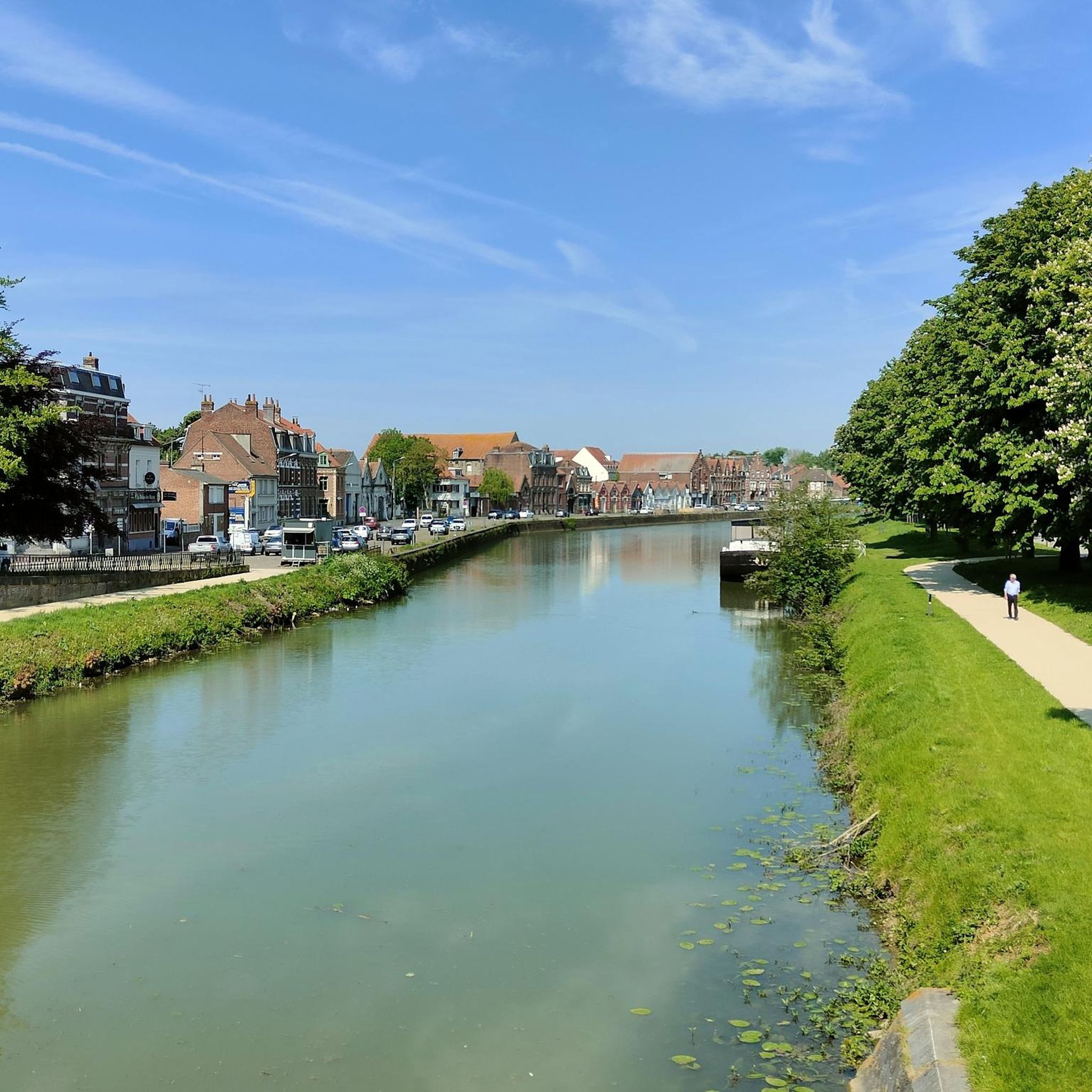
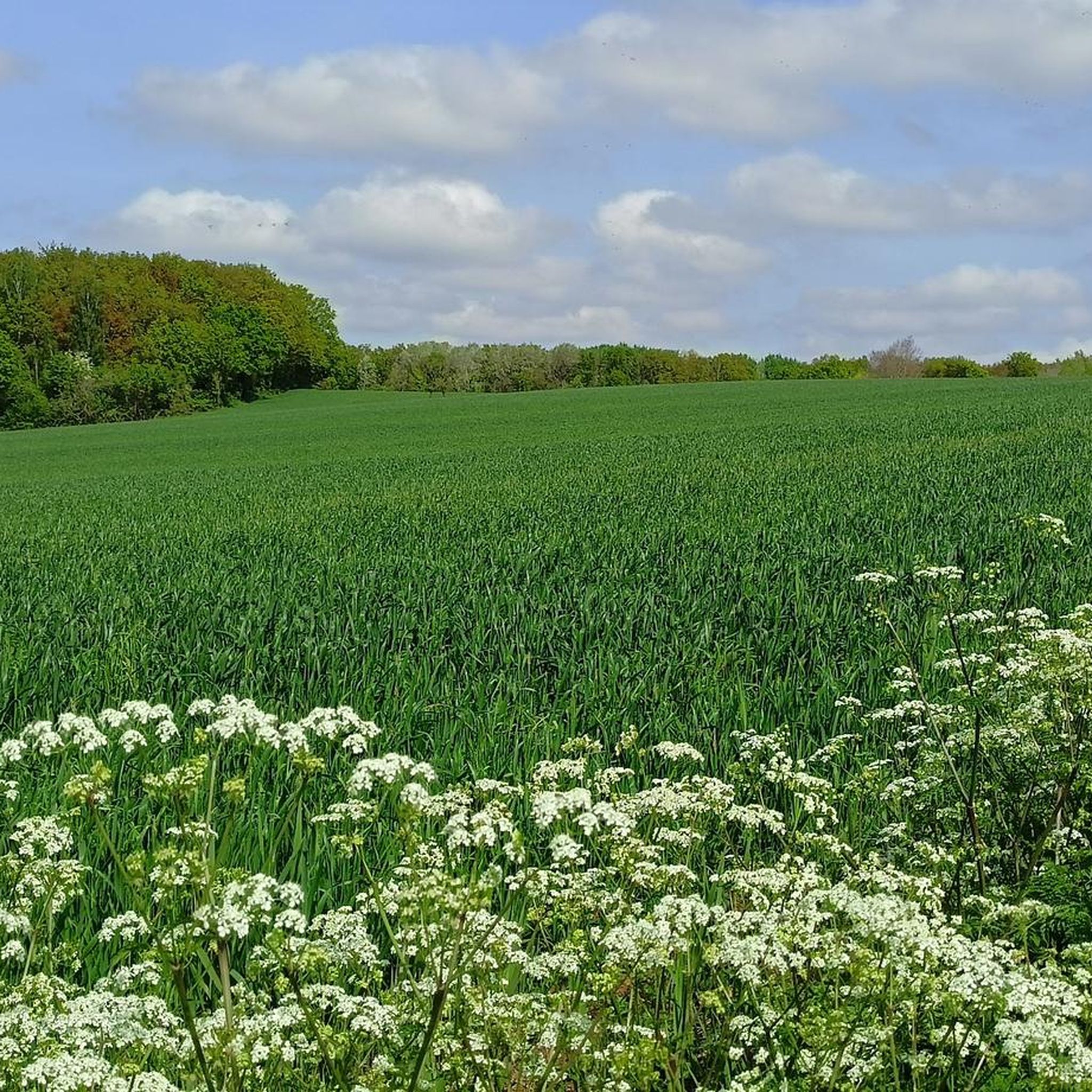
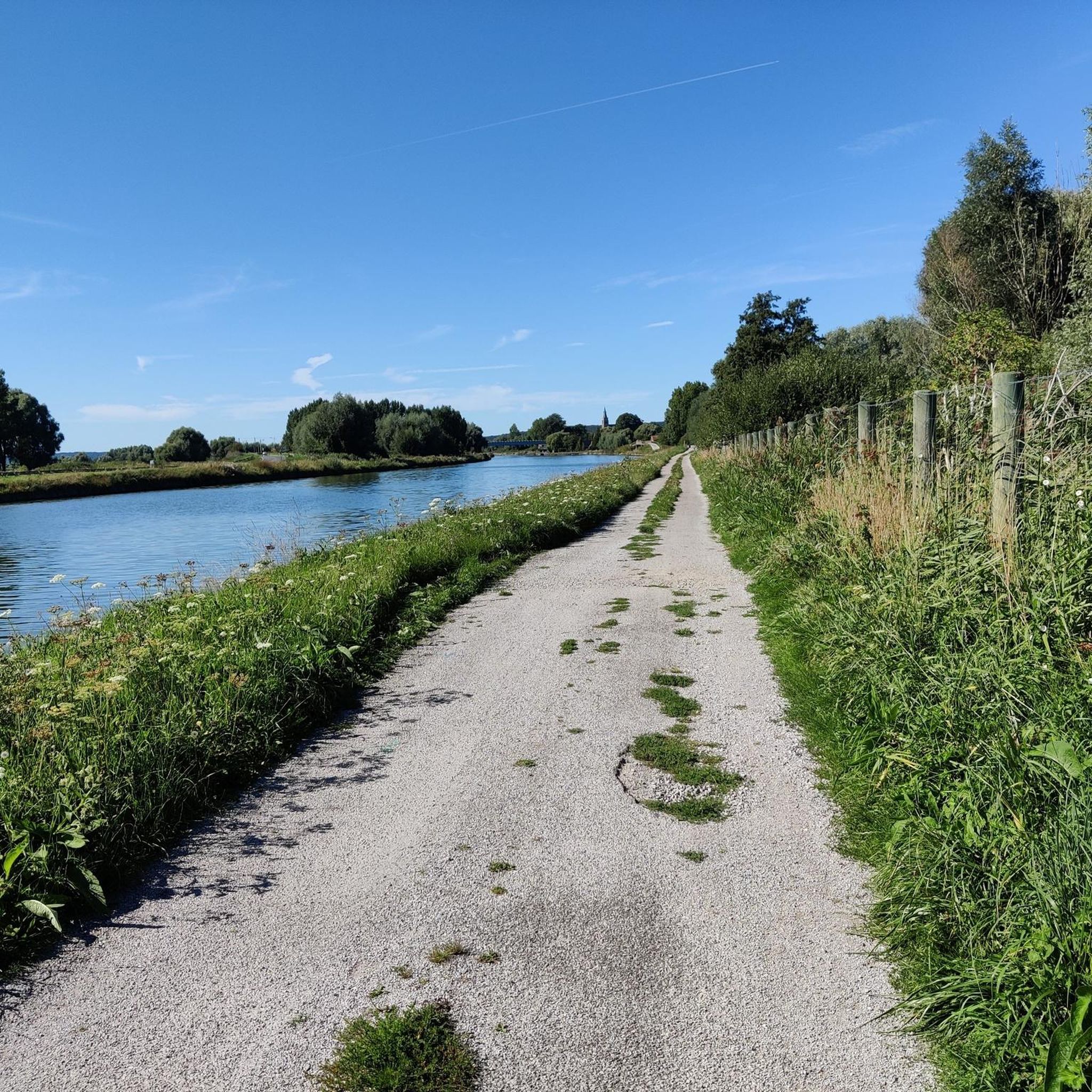
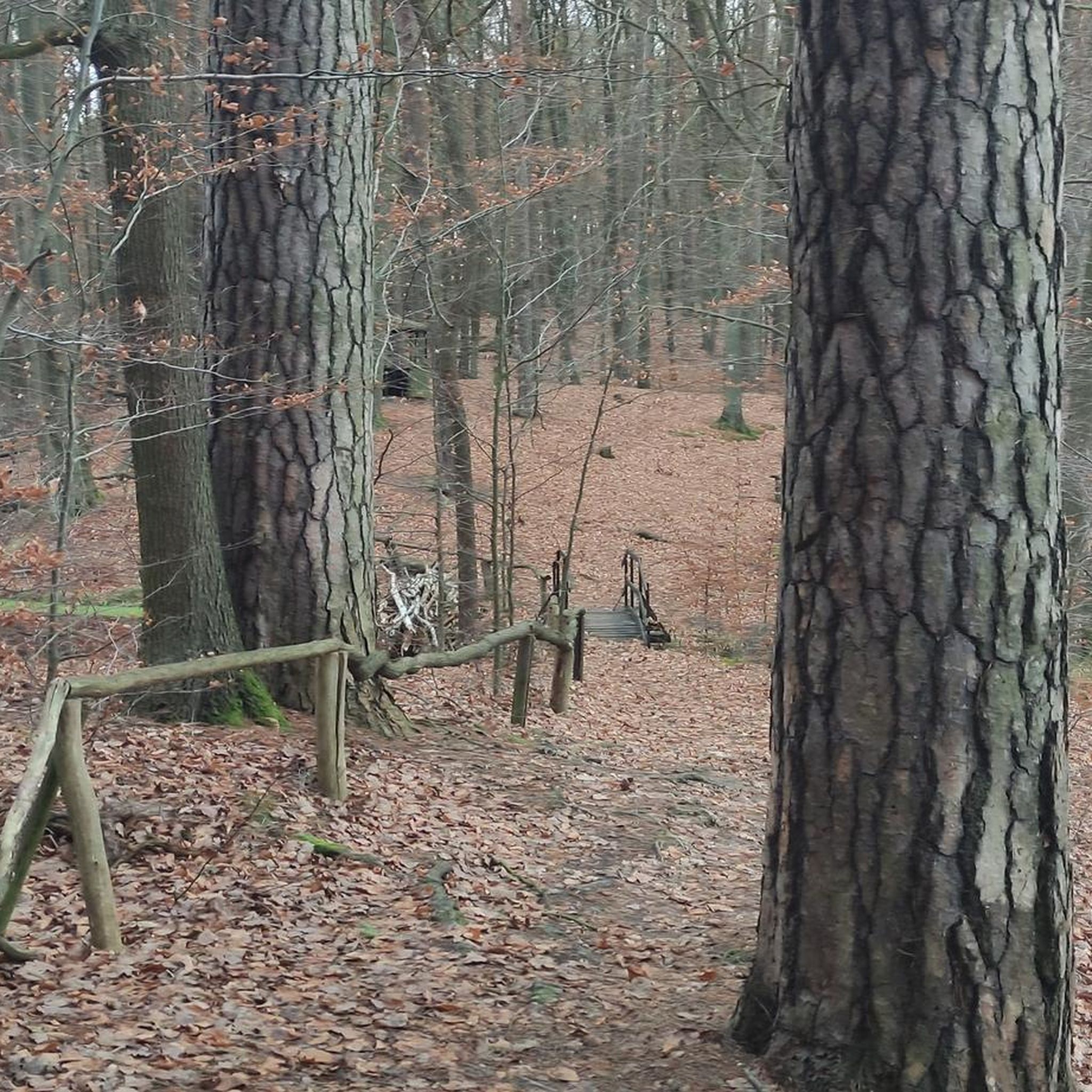

Tips from the Community

After being closed for several years, the Saint-Omer train station has been given a facelift. The new, completely renovated building is dedicated to travelers, of course, but also to artists, craftspeople, entrepreneurs… La Station isn't just a station; it's "a space for innovation with a station inside." (c) https://nl.tourisme-saintomer.com/verwonderend/erfgoed-wonderen/meesterwerken-bewonderen/het-station-een-station-en-een-plaats-voor-innovatie/
0
0

nature reserve where you can take a short circular walk (1 hour) and go to the observatory
0
0

Worth seeing small boat lift.
0
0

ship lift from 1888 can be visited as a museum, see www.ascenseurabataux.com with interesting audio tour
0
0

A midweek walk in March, outside of school holidays. Few people. A joy.
0
0

Located in Saint-Omer, France, the Gare de Saint-Omer has a rich history dating back to the 19th century. The first version of the station opened on September 1, 1848, as part of the railway line from Lille to Calais. The original building was modest and located outside the city walls, between the Porte de Lyzel and the Porte du Haut-Pont. In 1904, a new, monumental station building was inaugurated, designed by the architect Clément Ligny. This building, with its neoclassical architecture, was built with high-quality materials such as blue stone from Soignies and white stone from Creil. The design reflects the grandeur of a 17th-century castle, complete with symmetrical pavilions and decorative elements such as triglyphs and pediments.
9
0
This cathedral, the former "Cloître Notre-Dame" of the canons, is the most beautiful religious building in the region. The shape and dimensions are impressive. The choir dates from 1200, the transept from the 13th century, the nave from the 14th-15th century. The 50 m high facade tower is decorated with vertical blind arches and crowned with watchtowers (15th century). On the middle buttress of the southern portal there is a statue of the Virgin Mary (14th century), and on the tympanum a Last Judgement with very few chosen ones. In the corner next to the choir there is an octagonal Romanesque tower.
9
0
You will see the tomb of St. Audomarus and the mausoleum of Eustache de Croy, chapter provost in Saint-Omer and bishop of Arras, a moving work by Jacques Dubroeucq (16th century). He shows the deceased kneeling, in bishop's robes, but also lying down and naked, as in classical antiquity. Note the 15th-century tombstones with inscriptions and the Descent from the Cross by Rubens (first bay of the right aisle). The tombs are 15th century, the alabaster statues 16th and 17th centuries. Other eye-catchers are the Madonna with cat (right aisle), the statue (13th century) of Notre-Dame des Miracles that attracts pilgrims every September, a Nativity of Christ from the 13th century and the tomb (8th century) of St. Erkembode, abbot of Saint-Bertin - here they leave shoes of children who have difficulty learning to walk. Above the astronomical clock (1558) a jaquemart tolls the hours (transept left). Above it is a rose window in flamboyant style. The statue group Grand Dieu de Thérouanne (13th century) stood 20 m above the portal of the cathedral of Thérouanne, which was destroyed by Charles V. The figures seem distorted, but the artist foreshortened them so that they had the correct perspective from below (transept left).
10
0
Frequently Asked Questions
What historical sites can I explore around Longuenesse?
The region offers a rich historical tapestry. You can visit the magnificent Saint-Omer Cathedral, a Gothic masterpiece with origins dating back to the 13th century, featuring medieval funeral slabs, an astronomical clock, and a Rubens painting. Also, don't miss the historic Boat Lift of Fontinettes in Arques, a unique 19th-century hydraulic engineering marvel. The Watten Hill also holds historical significance as a lookout point.
Are there any nature reserves or natural attractions near Longuenesse?
Absolutely. The Romelaëre Ponds Nature Reserve is a beautiful area covering approximately 108 hectares, a remnant of 19th-century peat cutting with ponds, canals, and diverse flora and fauna. It's a crucial stopover for migratory birds. Additionally, the mystical Marais Audomarois, a UNESCO biosphere reserve, can be explored by boat from the Maison du Marais visitor center, offering a vast network of canals and ditches.
What outdoor activities are available near Longuenesse?
You can enjoy a variety of outdoor activities. For cycling enthusiasts, there are numerous routes, including challenging road cycling tours like the 'St Omer au Kemmelberg' loop or more moderate gravel biking options such as the 'Lansberghe Path – Chestnut tree bridge loop'. Runners can explore trails like 'La porte des Chanoines loop' or the 'Fontinettes Boat Lift loop'. You can find more details on these activities in the Road Cycling Routes around Longuenesse, Gravel biking around Longuenesse, and Running Trails around Longuenesse guides.
Are there family-friendly attractions in the Longuenesse area?
Yes, families will find several engaging options. The Boat Lift of Fontinettes is a fascinating historical engineering site that can be interesting for all ages. While not directly in Longuenesse, Dennlys Parc, an amusement park, is also located further afield and offers attractions for families.
What are some unique cultural experiences in the region?
Beyond the grand Saint-Omer Cathedral, consider visiting La Coupole Centre D'histoire in Saint-Omer, a former V2 rocket launching site transformed into an interactive museum about World War II. You can also explore local markets in Longuenesse and nearby towns like Arques and Lumbres for a taste of local life.
What is the best way to get around and access attractions in Longuenesse and Saint-Omer?
Longuenesse is a suburb of Saint-Omer, making many attractions in both areas accessible. Saint-Omer has a train station, Saint-Omer station, which is a key public transport hub. From there, local buses or taxis can connect you to various points of interest. For attractions further afield, driving is often the most convenient option.
Are there any accessible attractions for visitors with mobility needs?
The Saint-Omer station has been renovated and is designed to be wheelchair accessible, serving as a modern gateway to the region. While specific accessibility details for all attractions vary, major public facilities often strive for improved access.
What do visitors particularly enjoy about the attractions around Longuenesse?
Visitors frequently appreciate the panoramic views from Watten Hill, the serene beauty and rich biodiversity of the Romelaëre Ponds Nature Reserve, and the unique historical insight offered by the Boat Lift of Fontinettes. The architectural grandeur and historical depth of the Saint-Omer Cathedral are also highly praised.
Can I bring my dog to the nature reserves or on walks?
While many outdoor areas are dog-friendly, it's important to check specific regulations. For instance, dogs are not allowed in the Romelaëre Ponds Nature Reserve to protect its delicate ecosystem and wildlife. Always look for signage or specific guidelines at each location.
Where can I find places to eat or stay near the attractions?
Both Longuenesse and the nearby city of Saint-Omer offer a range of cafes, pubs, restaurants, and accommodation options. Saint-Omer, being a larger town, will have a broader selection of dining and lodging choices to suit various preferences and budgets.
Are there any hidden gems or lesser-known spots worth visiting?
Beyond the main attractions, consider exploring the ruins of St. Bertin Abbey in Saint-Omer, a historical monument since 1840, offering a glimpse into the region's monastic past. The Parc de l'ancienne abbaye in Longuenesse also provides a peaceful public garden experience.
What is the best time of year to visit Longuenesse for sightseeing and outdoor activities?
The spring and summer months (April to September) generally offer the most pleasant weather for exploring attractions and engaging in outdoor activities like hiking and cycling. During these periods, the natural reserves are vibrant, and historical sites are typically fully accessible. However, some attractions may have seasonal opening hours, so it's always good to check in advance.
Most popular routes around Longuenesse
Most popular attractions around Longuenesse

Get inspired with the komoot mobile app


Explore more
Still not found the Highlight you’re looking for? See guides of the top attractions in other regions:
