The best road cycling routes around Saint-Médard-D'Eyrans
4.3
(207)
5,279
riders
25
rides
Road cycling around Saint-Médard-D'Eyrans, a commune in Gironde, offers diverse landscapes for cyclists. The region features picturesque vineyards, part of the Pessac-Léognan wine appellation, and transitions into wetlands and forests. The area is characterized by varied topography, including the Natura 2000 protected site "Bocage humide de Cadaujac et Saint-Médard-d'Eyrans," which includes prairies, marshes, and riverside forests near the Garonne river. Dedicated cycling paths, such as the Piste Roger Lapébie, provide accessible routes.
Best road cycling routes around Saint-Médard-D'Eyrans
- The most…
Last updated: May 23, 2026
4.8
(8)
161
riders
Moderate road ride. Good fitness required. Mostly well-paved surfaces and easy to ride.
3.0
(1)
30
riders
63.3km
02:29
160m
160m
Moderate road ride. Good fitness required. Mostly well-paved surfaces and easy to ride.

Sign up for free
24
riders
53.9km
02:13
250m
250m
Moderate road ride. Good fitness required. Some segments of this route may be unpaved and difficult to ride.
18
riders
73.0km
02:54
280m
280m
Moderate road ride. Good fitness required. Mostly well-paved surfaces and easy to ride.
11
riders
Moderate road ride. Good fitness required. Some segments of this route may be unpaved and difficult to ride.
Get access to more routes and recommendations from other explorers.
Sign up for free
Already have an account?
Our route recommendations are based on thousands of hikes, rides, and runs completed by other people on komoot.
Start today with a free account
Your next adventure awaits.
Login or Signup

Tips from the Community

Budos Castle is the work of Raymond Guilhem de Budos, nephew of Pope Clement V. Largely supported by his uncle, he rebuilt the old family castle in 1306, adopting the architectural features of the neighboring Château de Villandraut, as evidenced by the following document from King Edward I, written from Wynten on March 9, 1306, to the Seneschal of Gascony[4]: "The Knight of Budos, nephew of Clement V, Sovereign Pontiff, has begged us to allow him to crenellate his house in Budos, to surround it with walls, towers, moats, and finally to fortify it. Out of respect for the Sovereign Pontiff, and because a fortress of this nature will protect not only our possessions in this part of Guienne, but also the subjects of the Pope's nephew, we grant the aforementioned Raymond permission to fortify his castle and we grant it to him, his heirs, and successors in perpetuity, and we undertake not to disturb him in any way in this possession." In 1422-23, the King of England took possession of the castle and placed Pons, Lord of Castillon, in charge. Around 1433, Henry VI granted the lands and the castle to the Duke of Gloucester. In 1446-47, Budos was given to Gaston IV of Foix-Béarn, Count of Foix, following the death of the Earl of Gloucester. After the conquest of Guyenne, the Budos family, which had supported the cause of France, regained possession of its lordships in Guyenne. Purchased from the Budos family by Raymond de La Roque in 1571, Budos Castle suffered a severe assault in 1652 during the Fronde Wars. Lasserre ransacked, pillaged, and burned its archives. The Budos lordship remained in the La Roque family until the Revolution, which nearly destroyed it. It was sold as national property and used as a quarry to build dikes on the Ciron. In 1841, the Gironde Historical Monuments Commission was informed of this by Léo Drouyn. In 1860, it became the property of Léon de Brivazac, son of Delphine Catherine de La Roque de Budos (born at the castle in 1789). Five descendants (including Savary de Beauregard) entrusted it to the Adichats association, which brings together young people to enhance and preserve what can be preserved. The castle was registered as a historic monument in 1988
0
0

It is very worthwhile to use this cycle path: beautiful area, little to no traffic
0
0

To ride safely. 💪🏻
0
0
Beautiful cycle path on the old railway line.
0
0

pleasant leisure center in Hostens with mountain bike trails
0
0

A connection is possible with the Mios-Bazas track near Hostens.
1
0
Beautiful cycle path among the pines
0
0

Imposing church in town, directly on the Garonne.
4
0
Frequently Asked Questions
What kind of terrain can I expect on road cycling routes around Saint-Médard-D'Eyrans?
The region offers a diverse topography for road cyclists. You'll find picturesque vineyard landscapes, especially within the Pessac-Léognan wine appellation, as well as transitions into wetlands and riverside forests near the Garonne river. Routes often feature a mix of these environments, providing varied scenery.
How many road cycling routes are available in the Saint-Médard-D'Eyrans area?
There are over 20 road cycling routes around Saint-Médard-D'Eyrans, catering to various skill levels. The komoot community has explored these routes extensively, with more than 300 road cyclists using komoot to discover the area's diverse terrain.
Are there any easy or family-friendly road cycling routes in Saint-Médard-D'Eyrans?
Yes, the area offers options for different ability levels. While most routes are moderate, there are at least 2 easy routes available. The Piste Roger Lapébie is highlighted as an ideal track for leisurely cycling, suggesting well-maintained and accessible routes suitable for families or those seeking a relaxed ride.
What are some notable landmarks or attractions I can see while road cycling?
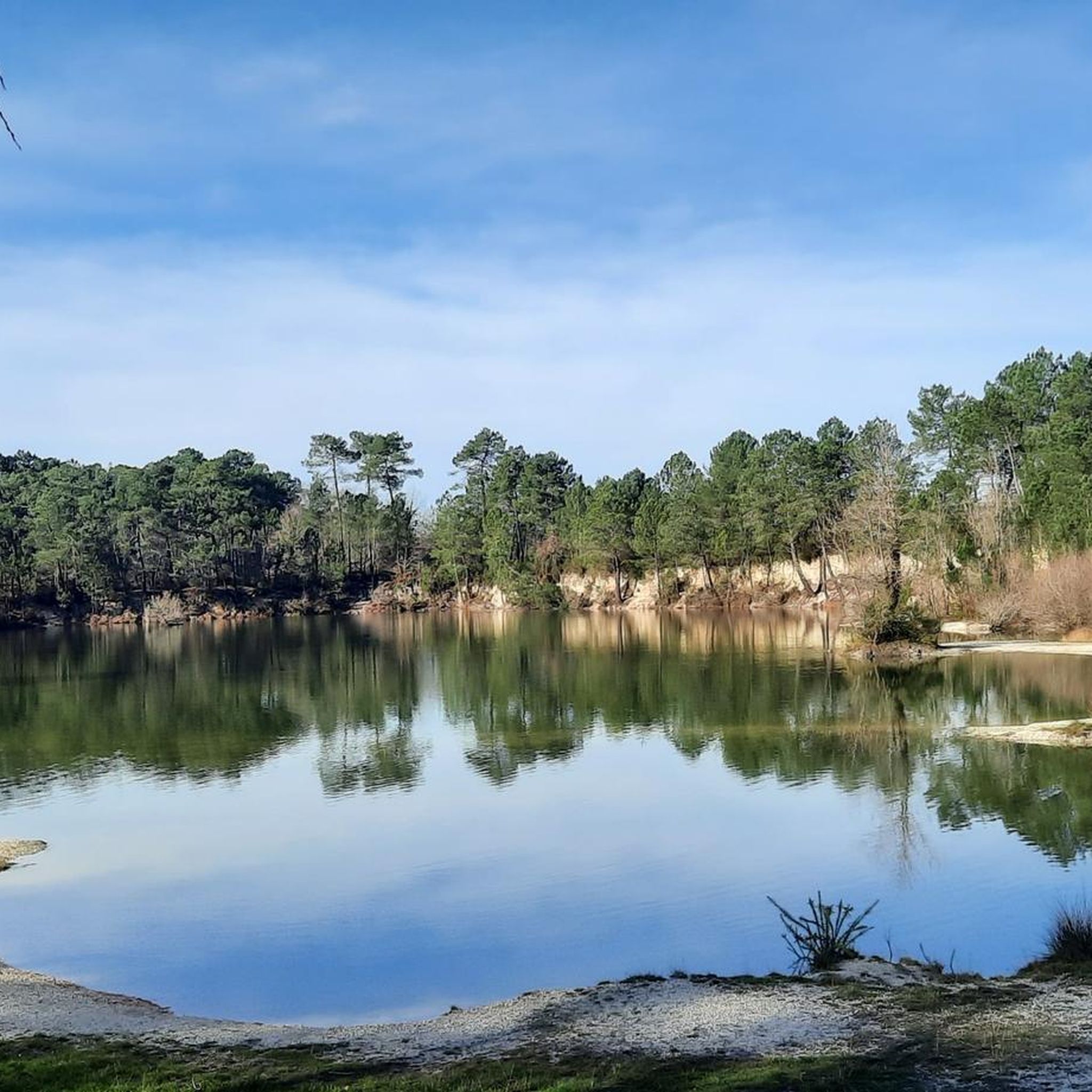
You can incorporate cultural and natural stops into your rides. Historical sites include the medieval Cayac Priory, which was a refuge for pilgrims, and the Château d'Eyran. For natural beauty, consider routes near L'Étang des Sources (The Springs Pond), known for its biodiversity and cycling path.
What is the typical difficulty level of road cycling routes in this region?
The majority of road cycling routes around Saint-Médard-D'Eyrans are classified as moderate, with 17 out of 20 routes falling into this category. There are also a few easy options and at least one difficult route for more experienced cyclists seeking a challenge.
Which routes offer scenic views of vineyards?
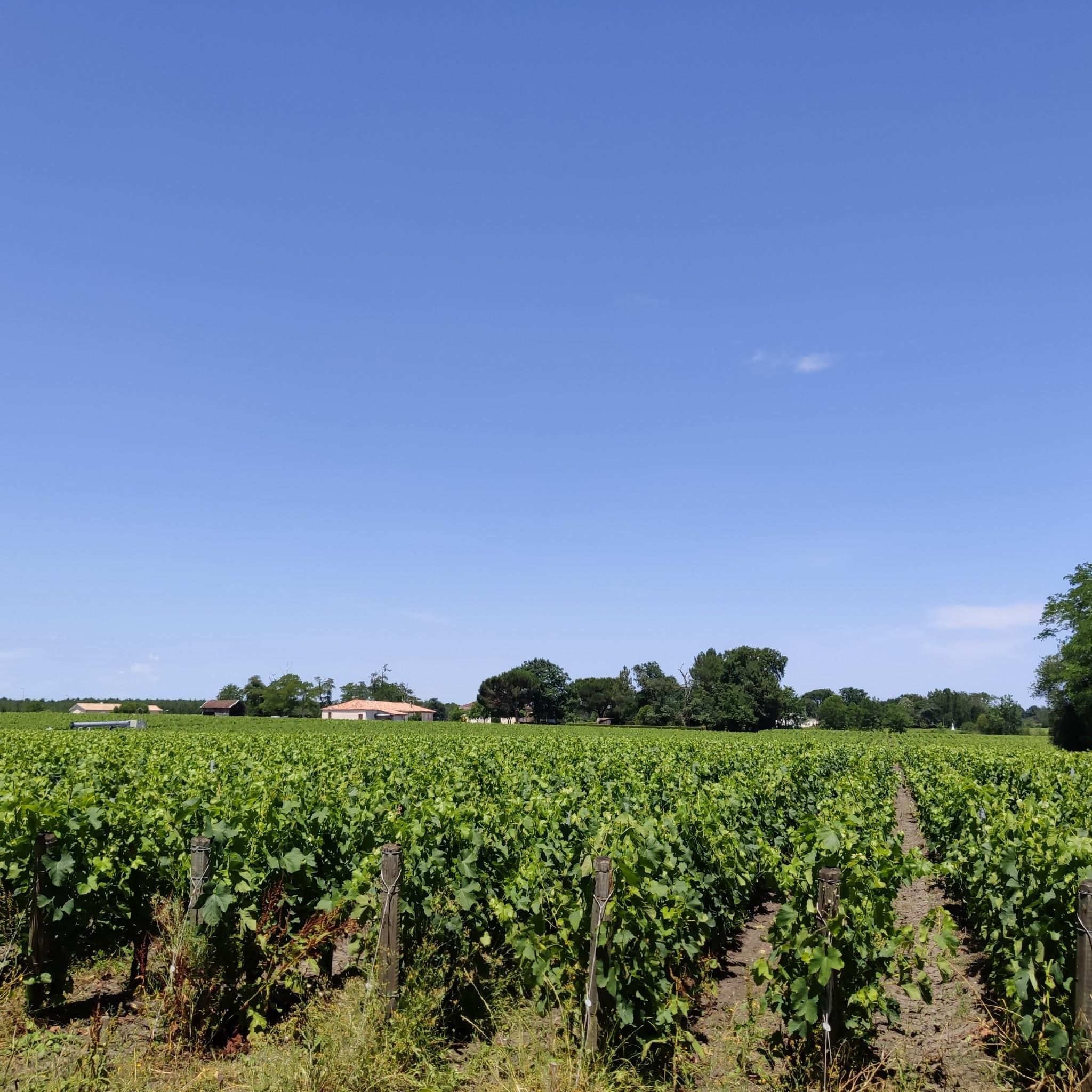
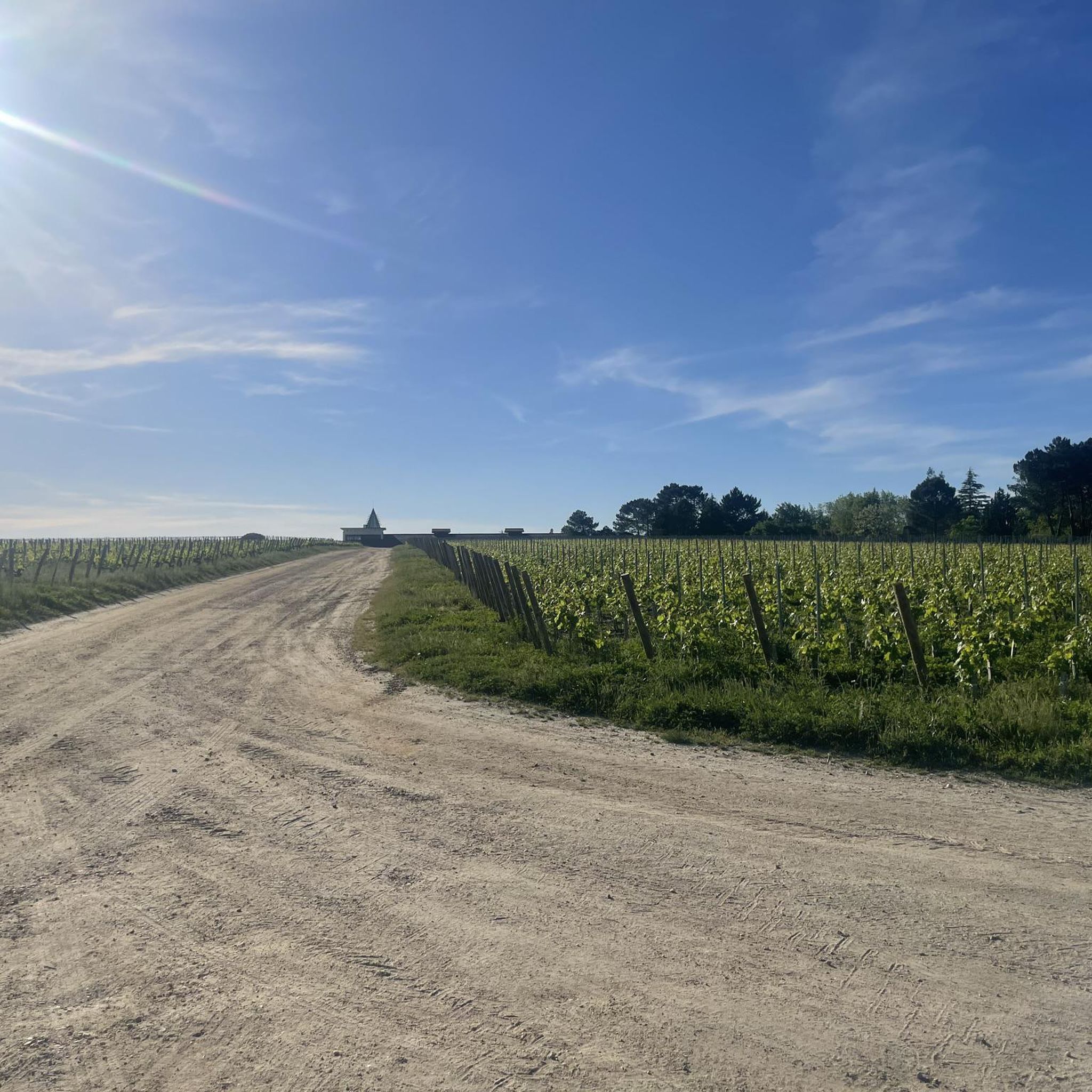
Many routes traverse the picturesque vineyards of the Pessac-Léognan wine appellation. For example, the 'Boucle dans les vignobles' is mentioned as offering scenic rides through renowned wine estates. You'll find vineyard views are a common feature of road cycling in this area.
Are there any routes that explore the natural wetlands or forests?
Yes, the region includes significant wetlands and forests. The Natura 2000 protected site, 'Bocage humide de Cadaujac et Saint-Médard-d'Eyrans,' offers unique ecological environments. Routes like 'La Bugonne' provide glimpses of this biodiversity and tranquil settings, characterized by prairies, marshes, and riverside forests connected to the Garonne river.
What do other road cyclists enjoy most about cycling in Saint-Médard-D'Eyrans?
The routes in Saint-Médard-D'Eyrans are highly rated by the komoot community, with an average score of 4.6 stars from more than 10 reviews. Cyclists often praise the varied terrain, which includes charming vineyard landscapes, protected wetlands, and riverside forests, offering a diverse and engaging experience.
Can I find long-distance road cycling routes near Saint-Médard-D'Eyrans?
Yes, there are several longer routes available. For instance, the Port of Isle-Saint-Georges – Les Domaines de la Mette loop from Saint-Médard-d'Eyrans is a substantial 115.7 km (71.9 miles) ride, offering a more extended exploration of the region.
Are there circular road cycling routes available?
Many of the routes around Saint-Médard-D'Eyrans are designed as loops, allowing you to start and finish in the same location. Examples include the Blue Lake – Château Haut-Bailly loop from Saint-Medard d'Eyrans and the Landes - Toller Radweg – Mios–Bazas Cycle Path loop from Saint-Medard d'Eyrans, which are popular choices among local cyclists.
What is the best time of year for road cycling in Saint-Médard-D'Eyrans?
The region generally offers pleasant conditions for cycling. Spring and autumn are often ideal, with milder temperatures and beautiful scenery as the vineyards change color. Summer can be warm, but early mornings or late afternoons provide comfortable riding. Winters are typically mild, allowing for year-round cycling, though some days may be cooler or wetter.
Is public transport available to access cycling routes in Saint-Médard-D'Eyrans?
Saint-Médard-D'Eyrans is located near Bordeaux, which has good public transport links. While specific details for accessing individual cycling routes via public transport aren't provided, it's generally possible to reach the commune itself, and from there, many routes are accessible. Checking local bus or train schedules to Saint-Médard-D'Eyrans would be advisable.
Where can I find places to eat or drink along the cycling routes?
While specific cafes or pubs directly on every route are not detailed, the region is known for its wine culture and local amenities. You might find options in the villages and towns you pass through. For example, the Bistrot de la Pimpine is a highlight that could serve as a stop.
Most popular routes around Saint-Médard-D'Eyrans
Most popular attractions around Saint-Médard-D'Eyrans

Get inspired with the komoot mobile app


Explore more
Browse the best Road cycling routes in other regions.
