The best cycling routes around Isle-Saint-Georges
4.5
(972)
5,500
riders
284
rides
Touring cycling routes around Isle-Saint-Georges primarily traverse the flat, fertile lands of the Garonne river valley. The region is characterized by extensive vineyards, particularly in the Graves wine area, and agricultural fields. Routes often follow the Garonne River, offering views of its banks and surrounding rural landscapes. The terrain generally features minimal elevation changes, making it suitable for various cycling abilities.
Best touring cycling routes around Isle-Saint-Georges
- The most popular touring cycling route is Graves and Garonne Loop, a…
Last updated: July 2, 2026
5.0
(4)
17
riders
74.1km
04:25
250m
250m
Moderate bike ride. Good fitness required. Mostly paved surfaces. Suitable for all skill levels.
35
riders
41.7km
03:07
160m
160m
Moderate bike ride. Good fitness required. Mostly paved surfaces. Suitable for all skill levels.

Sign up for free
3.0
(1)
21
riders
49.2km
03:47
180m
180m
Moderate bike ride. Good fitness required. Mostly paved surfaces. Suitable for all skill levels.
4.8
(4)
10
riders
65.0km
03:48
160m
160m
Moderate bike ride. Good fitness required. Mostly paved surfaces. Suitable for all skill levels.
7
riders
92.8km
05:19
280m
280m
Hard bike ride. Very good fitness required. Mostly paved surfaces. Suitable for all skill levels.
Get access to more routes and recommendations from other explorers.
Sign up for free
Already have an account?
Our route recommendations are based on thousands of hikes, rides, and runs completed by other people on komoot.
Start today with a free account
Your next adventure awaits.
Login or Signup
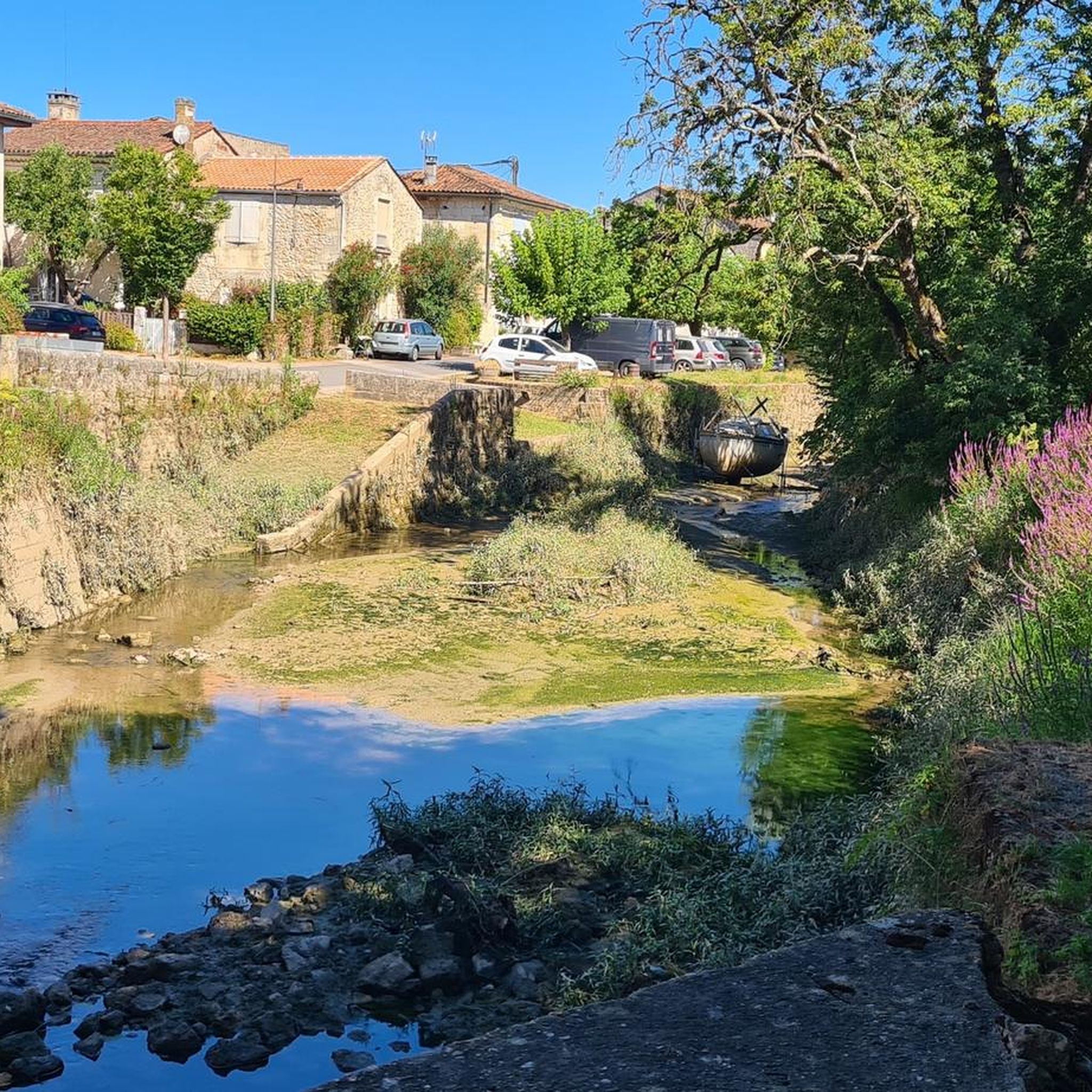



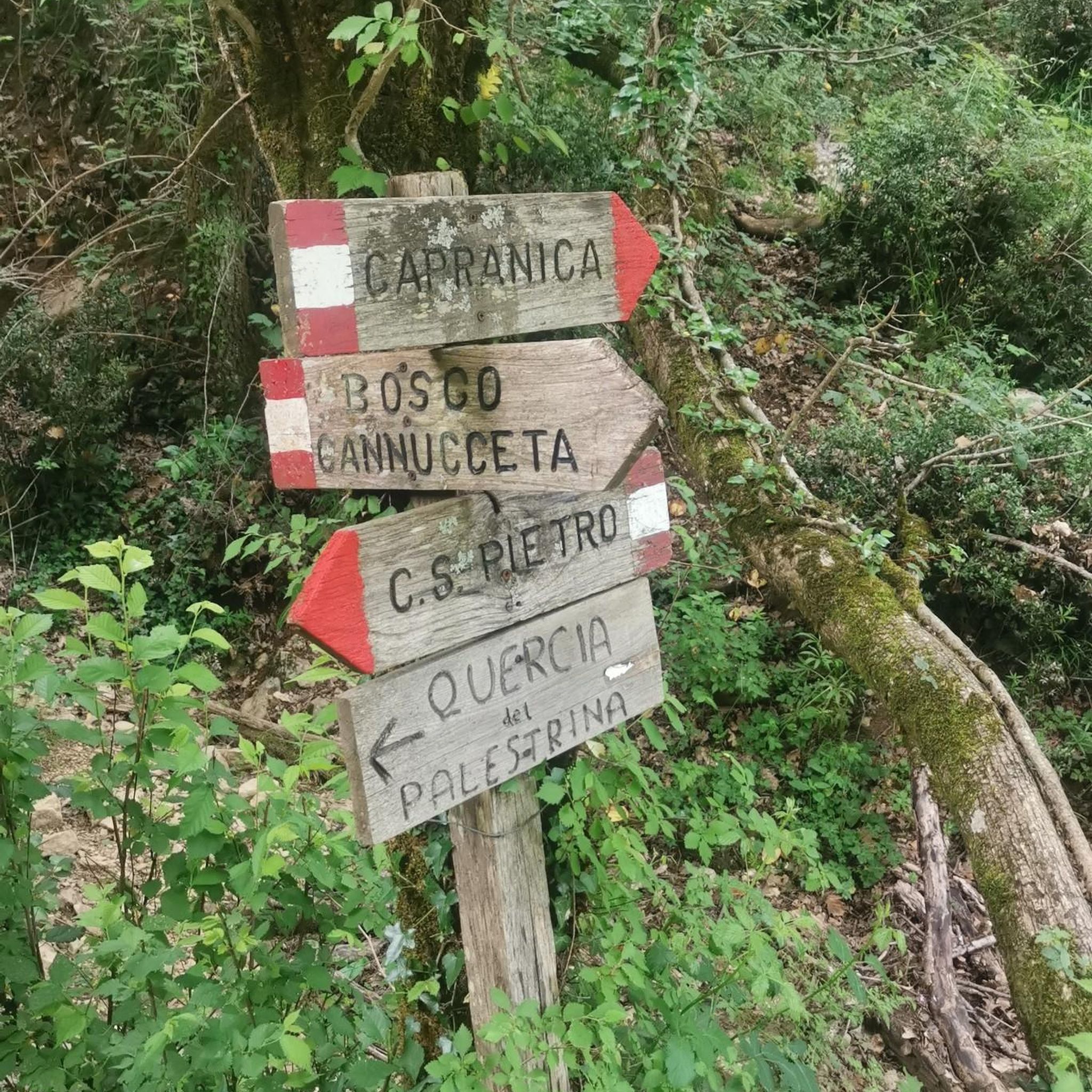
Tips from the Community


Budos Castle is the work of Raymond Guilhem de Budos, nephew of Pope Clement V. Largely supported by his uncle, he rebuilt the old family castle in 1306, adopting the architectural features of the neighboring Château de Villandraut, as evidenced by the following document from King Edward I, written from Wynten on March 9, 1306, to the Seneschal of Gascony[4]: "The Knight of Budos, nephew of Clement V, Sovereign Pontiff, has begged us to allow him to crenellate his house in Budos, to surround it with walls, towers, moats, and finally to fortify it. Out of respect for the Sovereign Pontiff, and because a fortress of this nature will protect not only our possessions in this part of Guienne, but also the subjects of the Pope's nephew, we grant the aforementioned Raymond permission to fortify his castle and we grant it to him, his heirs, and successors in perpetuity, and we undertake not to disturb him in any way in this possession." In 1422-23, the King of England took possession of the castle and placed Pons, Lord of Castillon, in charge. Around 1433, Henry VI granted the lands and the castle to the Duke of Gloucester. In 1446-47, Budos was given to Gaston IV of Foix-Béarn, Count of Foix, following the death of the Earl of Gloucester. After the conquest of Guyenne, the Budos family, which had supported the cause of France, regained possession of its lordships in Guyenne. Purchased from the Budos family by Raymond de La Roque in 1571, Budos Castle suffered a severe assault in 1652 during the Fronde Wars. Lasserre ransacked, pillaged, and burned its archives. The Budos lordship remained in the La Roque family until the Revolution, which nearly destroyed it. It was sold as national property and used as a quarry to build dikes on the Ciron. In 1841, the Gironde Historical Monuments Commission was informed of this by Léo Drouyn. In 1860, it became the property of Léon de Brivazac, son of Delphine Catherine de La Roque de Budos (born at the castle in 1789). Five descendants (including Savary de Beauregard) entrusted it to the Adichats association, which brings together young people to enhance and preserve what can be preserved. The castle was registered as a historic monument in 1988
0
0

A lovely square and a village with a small restaurant. It's becoming exceptional. A unique town hall.
0
0
The castle has variable opening hours. In August, we found the gates closed. It only opens at 2:30 PM.
0
0

A good cycle path starts from here
3
0

We are crossing the areas burned two years ago but nature is coming back
2
1

Shaded track with a great surface! Very pleasant in the early morning!
2
0
Frequently Asked Questions
What are the typical difficulty levels for touring cycling routes around Isle-Saint-Georges?
The touring cycling routes around Isle-Saint-Georges are predominantly easy to moderate, reflecting the region's flat terrain. Out of nearly 300 routes, about 146 are considered easy, and 125 are moderate. There are also 26 more challenging routes for experienced cyclists.
What is the typical duration for touring cycling routes in the Isle-Saint-Georges area?
Route durations vary, but many popular touring cycling routes in Isle-Saint-Georges can be completed within a few hours. For example, the Graves and Garonne Loop typically takes around 4 hours 25 minutes, while the Blue Lake – Lac Bleu loop from Saint-Medard d'Eyrans is often completed in about 3 hours 47 minutes.
Are there family-friendly touring cycling routes in Isle-Saint-Georges?
Yes, the flat and gentle terrain of the Garonne river valley makes many routes around Isle-Saint-Georges suitable for families. The abundance of easy routes (around 146) means there are plenty of options for leisurely rides through vineyards and agricultural fields, away from heavy traffic.
What kind of terrain can I expect on touring cycling routes in Isle-Saint-Georges?
Touring cycling routes in Isle-Saint-Georges primarily feature flat, fertile landscapes along the Garonne river valley. You'll encounter extensive vineyards, agricultural fields, and riverbanks. While most routes are paved or well-maintained, some, like the Gravel Road by the Quarry loop from Saint-Medard d'Eyrans, incorporate gravel sections, offering varied surfaces.
What can I see along the touring cycling routes around Isle-Saint-Georges?
The routes offer a mix of natural beauty and historical interest. You can explore the renowned Graves wine region, pass by lakes such as Lac Bleu, and discover local landmarks. Notable attractions include the Roger Lapébie trail, Cayac Priory, and The Springs Pond.
Are there any circular touring cycling routes available?
Yes, many touring cycling routes around Isle-Saint-Georges are designed as loops, allowing you to start and end at the same point. Examples include the popular Graves and Garonne Loop, the Blue Lake – Lac Bleu loop from Saint-Medard d'Eyrans, and the Hostens lake beach – Shaded section loop from Saint-Médard-d'Eyrans.
What is the best time of year for touring cycling in Isle-Saint-Georges?
The region's mild climate generally makes touring cycling enjoyable for much of the year. Spring and autumn offer pleasant temperatures for exploring the vineyards and river paths. Summers can be warm, so early mornings or late afternoons are ideal, while winters are typically mild enough for cycling, though some paths might be damp.
What do other touring cyclists enjoy most about touring cycling in Isle-Saint-Georges?
The area is highly rated by the komoot community, with an average score of 4.5 stars from over 900 reviews. Reviewers often praise the peaceful rides through the vineyards, the scenic views along the Garonne River, and the well-maintained, mostly flat paths that are accessible to various skill levels.
Are there any longer, more challenging touring cycling routes for experienced riders?
While the region is known for its gentle terrain, there are options for longer and more challenging rides. For instance, the Château de Villandraut – Budos Castle loop from Beautiran is a difficult 92.8 km route that offers a more extensive exploration of the area, including historical sites.
Are there places to stop for refreshments or food along the routes?
Yes, as you cycle through the region, you'll find opportunities to stop. The area's focus on vineyards means there are often local producers or small villages with amenities. For example, the Bistrot de la Pimpine is a highlight that cyclists might encounter.
Can I access touring cycling routes in Isle-Saint-Georges using public transport?
Isle-Saint-Georges is situated in a region with local public transport options, including regional trains and buses that connect to larger hubs like Bordeaux. While specific route access points vary, it's often possible to combine cycling with public transport to reach starting points or return from end points, especially for routes originating from towns with train stations.
Most popular routes around Isle-Saint-Georges
Most popular attractions around Isle-Saint-Georges

Get inspired with the komoot mobile app


Explore more
Browse the best Cycling routes in other regions.
