Attractions and Places To See around Savigné-Sur-Lathan - Top 8
Best attractions and places to see around Savigné-Sur-Lathan include historical landmarks, cultural sites, and natural features. This commune in the Indre-et-Loire department retains vestiges of its medieval fortified past, including remnants of ramparts and towers. The area is situated in the falun basin, known for its geological history and fossils, with the Lathan river flowing through it. Savigné-Sur-Lathan offers access to numerous attractions within the wider Loire Valley region.
Best attractions and places to see around Savigné-Sur-Lathan
- The most popular…
Last updated: May 27, 2026
Château de Gizeux
Highlight • Castle
Translated by Google •
Tip by

Le Menhir de Vaujours
Highlight • Monument
Translated by Google •
Tip by

Sign up now to discover places like this
Get recommendations on the best single tracks, peaks, & plenty of other exciting outdoor places.
Sign up for free
Wildlife Observatory
Highlight • Other
Translated by Google •
Tip by

Château de Champchevrier
Highlight • Castle
Translated by Google •
Tip by

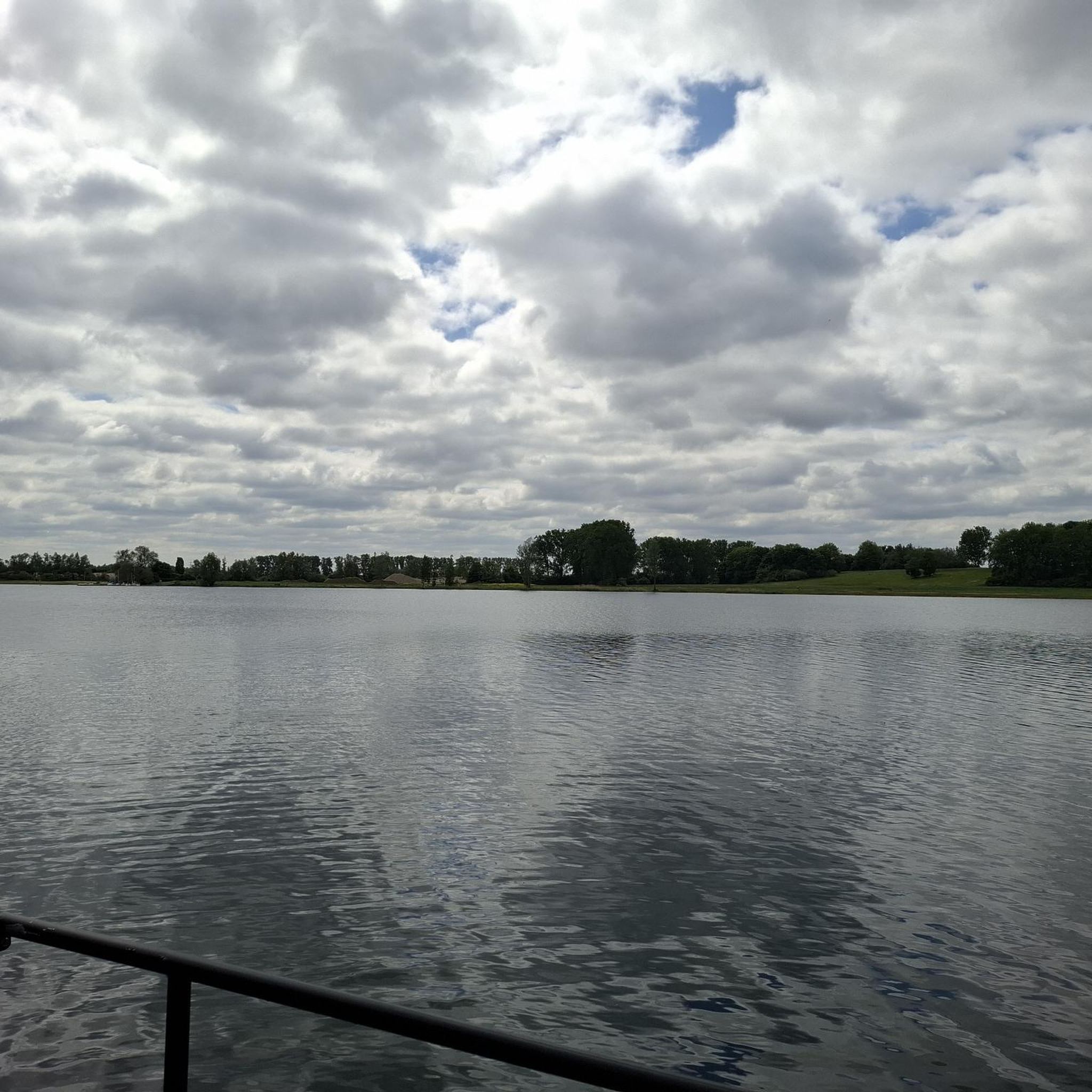
Val Joyeux Lake - Château-La-Vallière
Highlight • Other
Translated by Google •
Tip by
Sign up for free to discover even more attractions around Savigné-Sur-Lathan.
Sign up for free
Already have an account?
Start today with a free account
Your next adventure awaits.
Login or Signup



Tips from the Community


The Château de Gizeux dates back to the Middle Ages and was remodeled over the centuries, particularly during the Renaissance and the 18th century. Located in the commune of Gizeux, within the Loire-Anjou-Touraine Regional Natural Park, on the borders of the former province of Anjou, it is one of the Loire Valley châteaux. Its façades stretch over 250 meters, making it the longest château in the Angevin region of Touraine.
0
0

Very beautiful castle in Touraine
0
0


Home to two of the most beautiful galleries in France, the Château de Gizeux is a true treasure of the Loire Valley with its rich history and thanks to all the activities and events that bring it to life today. The oldest parts of the castle recall the family of the poet Joachim du Bellay, owner of Gizeux for 350 years. During these more than three centuries, the Du Bellays made numerous modifications to the building, changing it from medieval austerity to Renaissance charm. Among the numerous rooms of the castle, two of them are particularly remarkable: the François I gallery and the gallery of the King's castles. The first, produced at the end of the reign of Henri IV, was imagined by Italian artists at the request of Marie d'Yvetot, wife of Martin du Bellay. She therefore had the so-called “Francois I” gallery decorated with numerous remarkably preserved paintings and mythological scenes. The gallery of the King's castles, the true pride of the Château de Gizeux, was created around 1680. No less than 400m² of murals honor the royal castles of Chambord, Vincennes, Fontainebleau and Versailles. . These prestigious historical monuments are complemented by charming rural and bucolic scenes, emblematic of rural life of the time. A visit to the Château de Gizeux also allows you to immerse yourself in the heart of the 18th century with the discovery of the main building and the small lounges that make it up. Marquetry furniture and Louis XV armchairs decorate these elegant rooms, the furniture of which is classified as a Historic Monument. The kitchen to be discovered during the visit was functional until the 1970s, thus constituting a precious testimony to castle life in the 20th century. A wood stove is still present there, as is a large series of coppers including a turbotière, a jam basin and various dishes and pans. More recent history also draws visitors to the cellars, since they served as a hiding place for resistance fighters during the Second World War, even though the Germans occupied the castle. There is also the castle's first central heating installed in the 19th century, a guarantee of modernity for the time. In addition to the 15th century chapel and the incredible 18th century stables, the owners of the Château de Gizeux, Géraud and Stéphanie de Laffon, also offer to stay in this idyllic setting while enjoying the guest rooms furnished in the charm of the old and with modern comfort. They also bring this precious heritage to life on a daily basis through multiple fun and attractive activities for young and old: free or guided tours, costumed or narrated, by day or by candlelight. The numerous workshops offered to children (gardening, storytelling and snacks, bread oven, coat of arms) today bring all the life that has always defined this incredible Gizeux castle.
0
0

Lake Mousseaux (198 ha), property of the Entente Interdépartementale de l'Authion (Maine-et-Loire, Indre-et-Loire), has a rather wild character (it is also classified as a site of European interest for birds) with its gently sloping banks lined with abundant flora. Here is a small wooden hut which serves as a viewing platform. Most of the time you can see birds that live in swampy areas. Binoculars are recommended.
0
0

Castle dating from the Middle Ages and remodeled over the centuries, notably during the Renaissance. The castle is today a tourist attraction with a hotel offer as well as activities, such as an oenological discovery or a relaxation area.
0
0
This is the menhir of the Val Joyous lake at Château la Vallière
0
0
Frequently Asked Questions
What historical sites can I explore in Savigné-Sur-Lathan?
Savigné-Sur-Lathan boasts significant vestiges of its medieval fortified past, including remnants of its ramparts and seven original towers like the Tour d'Isoré. You can also see parts of the moats and the Porte de Courcelles. Other historical structures include the 17th-century Manoir de La Cour-Isoré, the private logis de La Ripaudière, the 15th and 16th-century Manoir de Bissé, and the 19th-century Château de Beaulieu. Don't miss the 1860 lavoir and several pigeonniers.
Are there any museums in Savigné-Sur-Lathan?
Yes, Savigné-Sur-Lathan offers two distinct museums. The Musée du Savignéen, also known as the Museum of the Faluns Sea, showcases marine and terrestrial animal fossils from the falun basin, alongside exhibits on local life. Additionally, La Petite France is a unique museum dedicated to miniature trains and transports, perfect for enthusiasts.
What natural attractions are there around Savigné-Sur-Lathan?
The region is situated in the falun basin, known for its geological history and fossils. The Lathan river flows through the commune, and you can visit the Val Joyeux Lake - Château-La-Vallière, which has been landscaped for leisure activities. The "complexe du Changeon et de la Roumer" is a special conservation area recognized for its rare butterflies, wetlands, and moorlands.
Are there opportunities for hiking or walking near Savigné-Sur-Lathan?
While specific hiking routes are not detailed, the broader area around Savigné-Sur-Lathan offers over 700 kilometers of trails suitable for hiking, cycling, and equestrian activities. For running, you can explore routes like the "Passage in the middle of the lake – Wildlife Observatory loop" or the "Lake Rillé loop." You can find more running trails on the Running Trails around Savigné-Sur-Lathan guide.
Can I go cycling around Savigné-Sur-Lathan?
Absolutely! The region offers extensive cycling opportunities. You can find various routes for road cycling, such as the "Étang du Grand Givry – Étang de la Céseraie loop" or the "Saint-Roch – Château de Champchevrier loop." For touring bicycles, consider the "Wild or Tamed Nature Trail" or the "Lake Rillé – Passage in the middle of the lake loop." Explore more options on the Road Cycling Routes around Savigné-Sur-Lathan guide and the Cycling around Savigné-Sur-Lathan guide.
Where can I observe wildlife in the area?
The Wildlife Observatory near Lake Mousseaux is an excellent spot. This wooden hut serves as a viewing platform where you can often see birds that live in swampy areas. Binoculars are recommended for a better experience. The "complexe du Changeon et de la Roumer" is also a conservation area known for its rare butterflies and wetlands.
Are there family-friendly activities or attractions in Savigné-Sur-Lathan?
Yes, families can enjoy several attractions. The Château de Champchevrier is a family-friendly castle that offers tours during specific periods. The Le Menhir de Vaujours, a leaning megalithic stone, can be an interesting stop for curious minds. Within the village, Le Savipark provides a skate park with ramps and modules, and the La Petite France museum with its miniature trains is also a hit with children.
What are some notable castles in the wider Loire Valley region near Savigné-Sur-Lathan?
Beyond the local attractions, the region is famed for its châteaux. Nearby, you can visit the Château de Champchevrier, a 16th-century family property, and the Château de Gizeux, known for its two art galleries with preserved paintings and murals. Other renowned châteaux within a short drive include Château de Langeais, Château de Villandry (famous for its gardens), Château d'Ussé (associated with Sleeping Beauty), Château d'Azay-le-Rideau, and Château du Lude.
Are there any unique or lesser-known attractions worth visiting?
For a unique experience, visit Le Menhir de Vaujours, a leaning megalithic stone dating from the Neolithic era, standing over 3.50 meters high. Within Savigné-Sur-Lathan itself, explore the well-preserved 1860 lavoir (wash house) and several traditional pigeonniers, which offer a glimpse into local heritage.
What is the best time to visit Savigné-Sur-Lathan for outdoor activities?
The Loire Valley generally enjoys pleasant weather from spring to early autumn (April to October), making these months ideal for outdoor activities like cycling, walking, and exploring the châteaux and gardens. Summer offers the warmest temperatures, while spring and autumn provide milder weather and beautiful scenery, often with fewer crowds.
What kind of geological features can I explore in the area?
Savigné-Sur-Lathan is located in the falun basin, an area rich in geological history. This region is particularly known for its marine and terrestrial animal fossils, including shark teeth and shells. The Musée du Savignéen provides excellent exhibits on these local geological finds, offering insight into the ancient marine life that once thrived here.
Most popular routes around Savigné-Sur-Lathan

Get inspired with the komoot mobile app


Explore more
Still not found the Highlight you’re looking for? See guides of the top attractions in other regions:
