The best road cycling routes around Courcelles-De-Touraine
4.7
(21)
197
riders
81
rides
Road cycling routes around Courcelles-De-Touraine offer largely flat to gently undulating terrain, making the region accessible for various skill levels. The landscape is characterized by extensive river valleys, including the Loire, Cher, Indre, and La Maulne, alongside picturesque vineyards. This area provides a network of quiet country roads and dedicated cycling paths, with minimal strenuous climbs.
Best road cycling routes around Courcelles-De-Touraine
- The most popular road cycling route is Étang du Grand Givry – Étang de la Céseraie loop from…
Last updated: July 3, 2026
13
riders
47.0km
01:52
170m
170m
Easy road ride. Great for any fitness level. Mostly well-paved surfaces and easy to ride.
3
riders
30.4km
01:19
110m
110m
Easy road ride. Great for any fitness level. Mostly well-paved surfaces and easy to ride.

Sign up for free
4
riders
64.1km
02:40
250m
250m
Moderate road ride. Good fitness required. Mostly well-paved surfaces and easy to ride.
5.0
(1)
4
riders
42.6km
01:48
200m
200m
Easy road ride. Great for any fitness level. Mostly well-paved surfaces and easy to ride.
5
riders
43.0km
01:43
210m
210m
Easy road ride. Great for any fitness level. Mostly well-paved surfaces and easy to ride.
Get access to more routes and recommendations from other explorers.
Sign up for free
Already have an account?
Our route recommendations are based on thousands of hikes, rides, and runs completed by other people on komoot.
Start today with a free account
Your next adventure awaits.
Login or Signup


Tips from the Community

After a tough climb, this is your reward. A beautiful view of the Loire. Take a seat and enjoy.
6
0

In Touraine, in the heart of a wooded estate, the Château de Champchevrier is both royal and family-friendly. Family-friendly because it has been inhabited by the same family since 1728. Royal because Kings Louis Louis XIII stayed at the castle on several occasions, his doctor Jean Hérouard recounts it in his memoirs. Rebuilt during the Renaissance then embellished in the 18th century, Champchevrier is both a Historic Monument and a family castle in which each generation has passed on the love and respect for heritage. The history of the castle begins in the 11th century when a first building was built by Hugues de Champchevrier. The owners then succeeded one another on these lands: the Maillé family, the Lavals, the Bastarnays then in 1550, the Daillons who were behind the construction of the Renaissance castle. On the François I Pavilion, we can still see the mullioned windows from this period. Henri de Daillon having no sons, it was his nephew Antoine de Roquelaure, Marshal of France, who inherited the castle in 1686. He contributed to the exterior development of the castle by creating courtyards, gardens and a moat. The Château de Champchevrier was sold in 1728 to Jean-Baptiste Pierre Henri, first Baron de Champchevrier. In fact, the lands of the domain were erected into a barony in 1741 by letters patent from Louis XV. The first baron created the large perspectives which extend from the castle towards the forest, and had the terrace built to give elegance to the residence. This taste for the French art of living is found in particular in the immense portrait room covered with a magnificent Italian marble floor and adorned with a sumptuous 18th century earthenware stove commissioned by a royal repurchase during the demolition of the Château de Richelieu. A very beautiful set of porcelain tableware and numerous pieces of old crystal are displayed in display cases. The beauty of the Château de Champchevrier also lies in the rich furniture of the different rooms open to the public: in the music room, the precious Regency period furniture was already part of the inventory of the château when it was purchased by the family in 1728. But the visit is also worth the detour for its collection of exceptional tapestries made by three factories in the 16th and 17th centuries, including eight unique tapestries in the world from the royal factory of Amiens based on cartoons by Simon Vouët, official painter to Louis XIIII . Finally, the Château de Champchevrier reveals the daily life of those who shared the lives of the owners behind the scenes. The lingerie, particularly complete in terms of accessories, is an interesting testimony to all the stewardship necessary for the life of such a place. In the old kitchens, the large battery of copper pans and other utensils from yesteryear allows you to imagine the activity of the staff. A visit to the Château de Champchevrier is an unforgettable walk between nature and heritage, to the rhythm of the seasons between the life of the hounds and the family events of a residence whose inhabitants, guarantors of traditions, have their eyes fixed on the future.
0
0

These are the ruins of a 15th century castle. After 12 years of opening to the public, the castle is changing the way guided tours take place. These will now be by appointment only, every day and all year except Tuesdays from 9:30 a.m. to 12:30 p.m. and 2:00 p.m. to 6:00 p.m. More info here: http://www.chateaudevaujours.fr/
0
0

Family property, Champchevrier Castle is a historic castle inhabited by the same family since 1728. It is open to the public from June 15 to the third weekend of September, European Heritage Days weekend.
1
0

one of the many castles in the Loire, from the 16th century
1
0

It is a castle with a royal past. Kings Louis XI and XIII both enjoyed hunting on the estate, which is still a tradition here today. The castle has been inhabited by the same family since 1728.
1
0
By visiting the surroundings of the castle of Champchevrier, this strong point makes you discover a small piece of the history of the region. It is in this building that the lords of Champchevrier rendered justice. The three inns in this village served as a stopover for farmers who took their herds of piglets from the Bourgueil region to Paris to sell them.
2
0

Small road that leads to Les Essarts, quiet, forest, brand new asphalt.
0
0
Frequently Asked Questions
What is the general terrain like for road cycling in Courcelles-De-Touraine?
The terrain in and around Courcelles-De-Touraine is largely flat to gently undulating, especially along the numerous river valleys like the Loire, Cher, Indre, and La Maulne. This makes it an ideal destination for road cyclists of all levels, including those seeking leisurely rides, as there are no significant climbs. You'll find many quiet country roads and dedicated cycling paths.
Are there road cycling routes suitable for families or beginners?
Yes, the region is very accommodating for families and beginners due to its predominantly flat to gently rolling terrain. Many local marked circuits are designated as flat and offer accessible routes. For example, the Étang du Grand Givry – Étang de la Céseraie loop from Savigné-sur-Lathan is an easy 47 km route featuring scenic lakes and ponds.
What kind of landscapes and attractions can I expect to see while cycling?
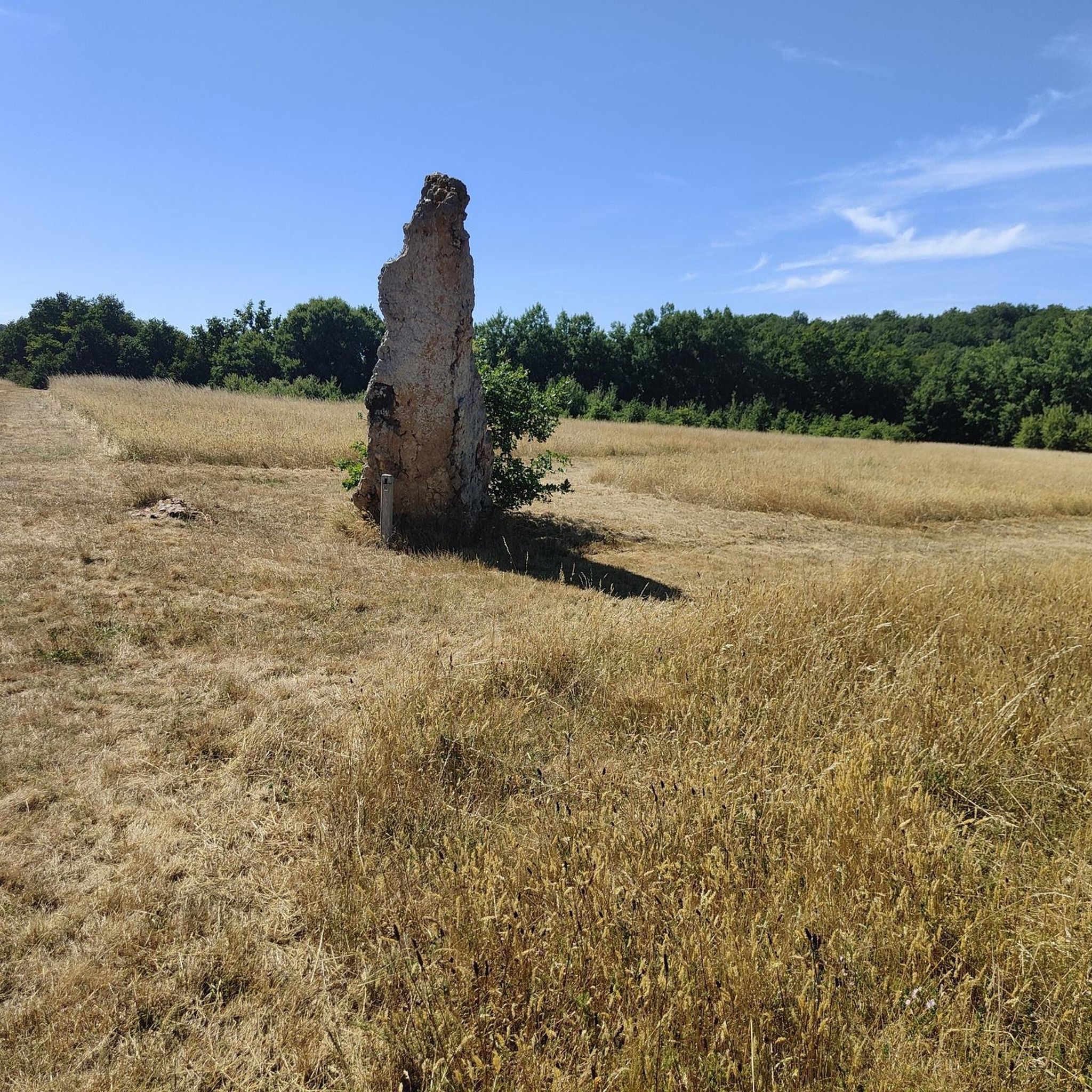
While cycling, you'll be treated to diverse sights including picturesque vineyards, historic châteaux, and the scenic valleys of the Loire, Cher, and Indre rivers. You might also discover charming French villages. Notable attractions include the ancient Le Menhir de Vaujours, the impressive Château de Champchevrier, and the tranquil Val Joyeux Lake - Château-La-Vallière.
Are there any famous châteaux accessible by bike from Courcelles-De-Touraine?
Absolutely. The Loire Valley is renowned for its châteaux, and many are accessible via the region's cycling routes. While Courcelles-De-Touraine is home to the Château des Sept Tours, you can also cycle to famous castles such as Villandry, Langeais, Azay-le-Rideau, Chenonceau, and Amboise, which are connected by the extensive cycling network.
What are the major cycling networks available in the area?
Courcelles-De-Touraine benefits from its proximity to major cycling routes. The iconic Loire à Vélo, part of the EuroVelo 6, offers well-signed, largely car-free, and paved paths along the Loire River. The Cœur de France à Vélo route follows the Cher River, providing more flat and family-friendly sections. Beyond these, there are 65 additional marked cycling loops through the countryside.
What do other road cyclists enjoy the most about road cycling in Courcelles-De-Touraine?
The area is highly rated by the komoot community, with an average score of 4.6 stars from over 20 reviews. Cyclists often praise the region's varied terrain, which includes river valleys and vineyards, and the abundance of quiet country roads. The routes are suitable for different ability levels, making it enjoyable for a wide range of riders.
Are there any challenging road cycling routes in the region?
While the region is known for its gentle terrain, there are routes that offer a bit more distance and elevation for those seeking a moderate challenge. For instance, the Château de Champchevrier – Saint-Roch loop from Savigné-sur-Lathan is a moderate 73.5 km route with over 330 meters of elevation gain, providing a longer and more engaging ride.
Can I find circular road cycling routes starting from Courcelles-De-Touraine?
Yes, the region is well-suited for circular routes. Many of the local marked circuits and komoot tours are designed as loops, allowing you to start and finish in the same location. An example is the Val de Roumer – Le Vaugelé viewpoint loop from Savigné-sur-Lathan, which is an easy 42.6 km ride through varied countryside.
What is the best time of year to go road cycling in Courcelles-De-Touraine?
The gentle terrain and pleasant climate make spring, summer, and early autumn ideal for road cycling in Courcelles-De-Touraine. During these seasons, you can enjoy the vineyards, river valleys, and charming villages in comfortable weather. Always check local forecasts for the best riding conditions.
Are there services for cyclists, such as accommodation or bike rentals?
Yes, the region is committed to cyclists, evident through the 'Accueil Vélo' label, which guarantees quality services. This includes accommodations, rentals, and information tailored for cycling tourists. Many charming villages along the routes offer cafes and restaurants for a break.
Is it possible to combine cycling with public transport in the area?
Yes, the regional trains in Touraine allow bikes, offering flexibility for one-way rides or for extending your cycling range. This can be particularly useful if you wish to explore different sections of the major cycling networks like the Loire à Vélo without having to cycle back.
Where can I find parking for my car when starting a cycling route?
Many of the villages and towns that serve as starting points for cycling routes, such as Savigné-sur-Lathan or Château-la-Vallière, offer public parking facilities. It's advisable to check specific starting points for designated parking areas, which are generally available in these smaller communities.
Most popular routes around Courcelles-De-Touraine
Most popular attractions around Courcelles-De-Touraine

Get inspired with the komoot mobile app


Explore more
Browse the best Road cycling routes in other regions.
