Attractions and Places To See around Amanlis - Top 13
Best attractions and places to see around Amanlis, a commune in Ille-et-Vilaine, Brittany, France, offers a blend of historical landmarks and natural landscapes. Situated in the Seiche River basin, the area features a green and undulating landscape characterized by fertile fields, pastures, orchards, and woodlands. Visitors can explore historical sites such as the Église Saint-Martin de Tours and the Château d'Amanlis, alongside natural features like the Seiche River.
Best attractions and places to see around Amanlis
- The most popular attractions…
Last updated: May 9, 2026
Saint-Maximilien-Kolbé Church
Highlight • Religious Site
Translated by Google •
Tip by

La Roche-aux-Fées Dolmen
Highlight • Monument
Translated by Google •
Tip by

Sign up now to discover places like this
Get recommendations on the best single tracks, peaks, & plenty of other exciting outdoor places.
Sign up for free
Châteaugiron Castle
Highlight • Castle
Translated by Google •
Tip by

Mill trail
Highlight (Segment) • Trail
Translated by Google •
Tip by

Corps-Nuds
Highlight • Settlement
Translated by Google •
Tip by

Sign up for free to discover even more attractions around Amanlis.
Sign up for free
Already have an account?
Start today with a free account
Your next adventure awaits.
Login or Signup




Tips from the Community

With nearly 20 meters long, 6 meters wide, and 4 meters high, the Roche-aux-Fées remains the largest dolmen in France and one of the best-preserved in Europe. It is composed of a schist-covered passage formed by four chambers whose meaning has not yet been revealed. Although the construction of this monument dates back to the Neolithic period, around 2000 BC, specialists remain perplexed about its construction method. The site is impressive. And when you know that some stones weighing over 40 tons come from several kilometers around, you wonder how the inhabitants of the time managed to move them there. Such a site could only inspire stories, legends, and beliefs. One of them tells that the fairy Viviane, aided by fellow fairies, would have built this imposing monument... in one night. Another concerns lovers: to know if their union will last, couples must walk around the Roche-aux-fées, each in a different direction, and count the stones. If they find the same number of stones, their future will be bright! Through a mysterious alignment during the winter solstice on December 21st or 22nd, the sun rises facing the entrance of the dolmen. At that moment, the light rays magically illuminate the stone located at the back of the covered passage. Access is free and open. The small surrounding roads are charming and quiet.
0
0

Short video of the site: https://www.youtube.com/watch?v=bqEBsKL7P7s
0
0

Nice but some passages with lots of brambles and nettles impossible to avoid in summer.
0
0

Very nice place, very friendly! I recommend !
0
0

The first castle of Châteaugiron was built in the middle of the 11th century by Anquetil, a Norman knight, who had received the lands from Alan III, Duke of Brittany. The oldest part of the current castle is the castle's Romanesque chapel dating from the 12th century. Probably in the 13th century, Châteaugiron castle was rebuilt as a stone fortress. Currently the Château de Châteaugiron fulfills several functions; its main body is used as a town hall, the other parts are used as offices and the independent keep is used for exhibitions. You can book your tickets online here: https://www.tourisme-paysdechateaugiron.bzh/activites/chateau-de-chateaugiron/
0
0

This church stands in the middle of the countryside, you can see it from afar, it is magnificent! The bell tower in the form of a "bulb", characteristic of the Byzantine style, made it pass for an Orthodox church, while it is just linked to the originality of the architect in 1875. Anecdote of the German occupation: in 1941, the Nazi propaganda filmed a film there ("Threshing wheat in Ukraine") to make believe in an advance of German troops in Ukraine (against the Soviet Union). Until 2011, the church was under the patronage of St. Peter the Apostle. On this date, his patronage was changed to that of Saint-Maximilien-Kolbé (1894-1941), a Polish priest with exceptional charisma, especially in the face of Nazism. Held in the Auschwitz concentration camp, he offered himself to take the place of a father sentenced to death. He was canonized (recognized as a "saint" by the Catholic Church in Rome) in 1982.
1
0

The rock of the fairies, French: Roche-aux-fées, located in the middle of green nature, is simply enchanting. If you are interested in megaliths, you should take a break here. The undisputed largest dolmen in France is also closely linked to the legend of the fairy Liliane. The construction of this monument undoubtedly dates back to the Neolithic period, i.e. around 2,000 years before our time. So far, researchers have not found an explanation for exactly how it was built. With its 19.50 meters length, six meters width and four meters height, the structure is more than impressive. And when you consider that some of the stones, which weigh more than 40 tons, come from several kilometers away, you can rightly ask yourself how the people of that time managed to transport them here. This mystery gave rise to a legend: it is said that the impressive structure was built by Viviane and her fairy friends.
2
0

Truly magical and impressive. It's hard to believe what people can achieve with simple means...
0
0
Frequently Asked Questions
What historical sites can I visit in and around Amanlis?
Amanlis and its surroundings are rich in history. Within Amanlis, you can explore the 14th-century Église Saint-Martin de Tours, the Château d'Amanlis (dating to around 1680), and the Former Presbytery (now the Town Hall) built in 1779. Nearby, don't miss Châteaugiron Castle, which features a 12th-century Romanesque chapel, and the impressive Neolithic monument, La Roche-aux-Fées Dolmen, dating back to approximately 2000 BCE.
Are there any natural attractions or trails to explore near Amanlis?
Yes, the area offers natural beauty, particularly around the Seiche River basin. You can experience nature up close on the Mill trail, a small path known for its lush, humid environment. The region is characterized by fertile fields, pastures, orchards, and woodlands, providing a green and undulating landscape for exploration.
What are some family-friendly activities or attractions around Amanlis?
For families, La Roche-aux-Fées Dolmen is a fascinating historical site with a captivating legend of fairies that children might enjoy. Châteaugiron Castle also offers an engaging historical experience for all ages, with its ancient architecture and current use as a town hall and exhibition space.
What kind of outdoor activities can I do near Amanlis?
The area around Amanlis is excellent for various outdoor activities. You can find numerous routes for road cycling, touring cycling, and mountain biking. For example, there are challenging MTB trails like the 'Single VTT near Epron' or more moderate road cycling loops such as 'Châteaugiron Castle – View of Acigné Mill loop'. You can explore more options on the dedicated guides for Road Cycling Routes around Amanlis, Cycling around Amanlis, and MTB Trails around Amanlis.
Are there any unique religious buildings to see in the region?
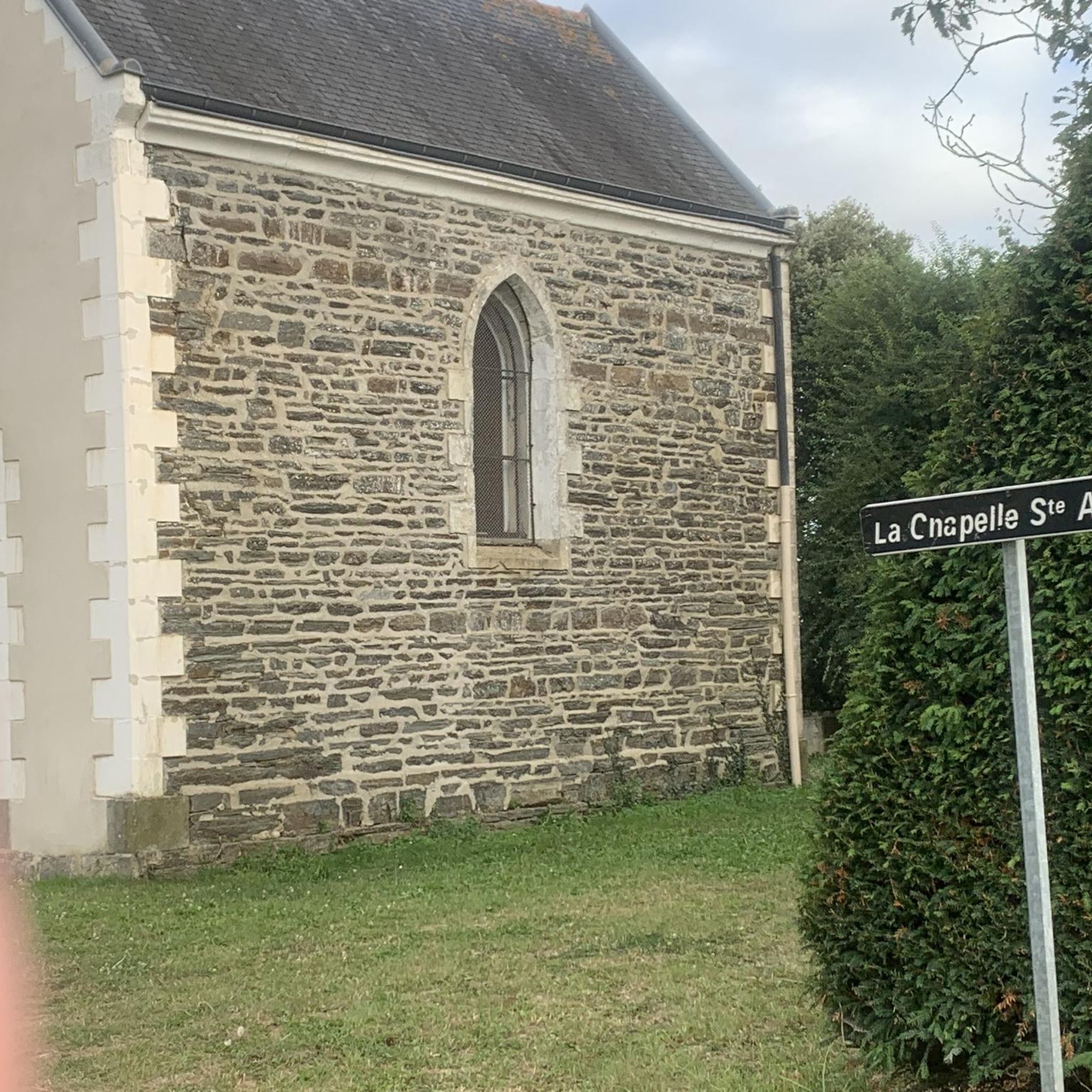
Absolutely. The Église Saint-Martin de Tours in Amanlis is a significant historical monument dating back to the 14th and 17th centuries. Additionally, the Saint-Maximilien-Kolbé Church, located in the countryside, is notable for its distinctive 'Byzantine' style with a bulb-shaped bell tower, designed by architect Arthur Regnault in the 19th century. The Chapelle Sainte-Anne, inaugurated in 1877, is also a site of an annual pilgrimage.
What is the significance of La Roche-aux-Fées Dolmen?
La Roche-aux-Fées Dolmen, known as the 'rock of the fairies,' is considered the largest undisputed dolmen in France. This impressive Neolithic monument, dating to approximately 2000 BCE, is shrouded in mystery regarding its construction, with some stones weighing over 40 tons. It's also closely linked to the legend of the fairy Liliane.
What is the history behind Châteaugiron Castle?
Châteaugiron Castle has a rich history, with its first construction dating back to the mid-11th century. The oldest part still standing is a 12th-century Romanesque chapel. It was rebuilt as a stone fortress in the 13th century and now serves multiple functions, including housing the town hall and hosting exhibitions.
Are there any interesting historical structures related to daily life in Amanlis?
Yes, the Floating Wash House (Lavoir), constructed in 1949 on the banks of the Seiche river, offers a glimpse into the past. Although no longer in use, it remains in excellent condition, serving as a testament to the daily lives of local washerwomen from a bygone era.
What do visitors particularly enjoy about the attractions around Amanlis?
Visitors frequently praise the enchanting and impressive nature of sites like La Roche-aux-Fées Dolmen, often marveling at the ancient construction methods. The Mill trail is appreciated for its close encounter with nature, while Châteaugiron Castle is noted for being a very nice and friendly place to visit.
What are some notable towns or cities near Amanlis worth visiting?
Beyond Amanlis, the capital of Brittany, Rennes, is about 19 km away and boasts a very picturesque medieval center. Approximately 23 km away, Vitre features a superb historic center with numerous fascinating buildings, offering additional exploration opportunities in the region.
Can I find any hidden gems or less-known spots in the Amanlis area?
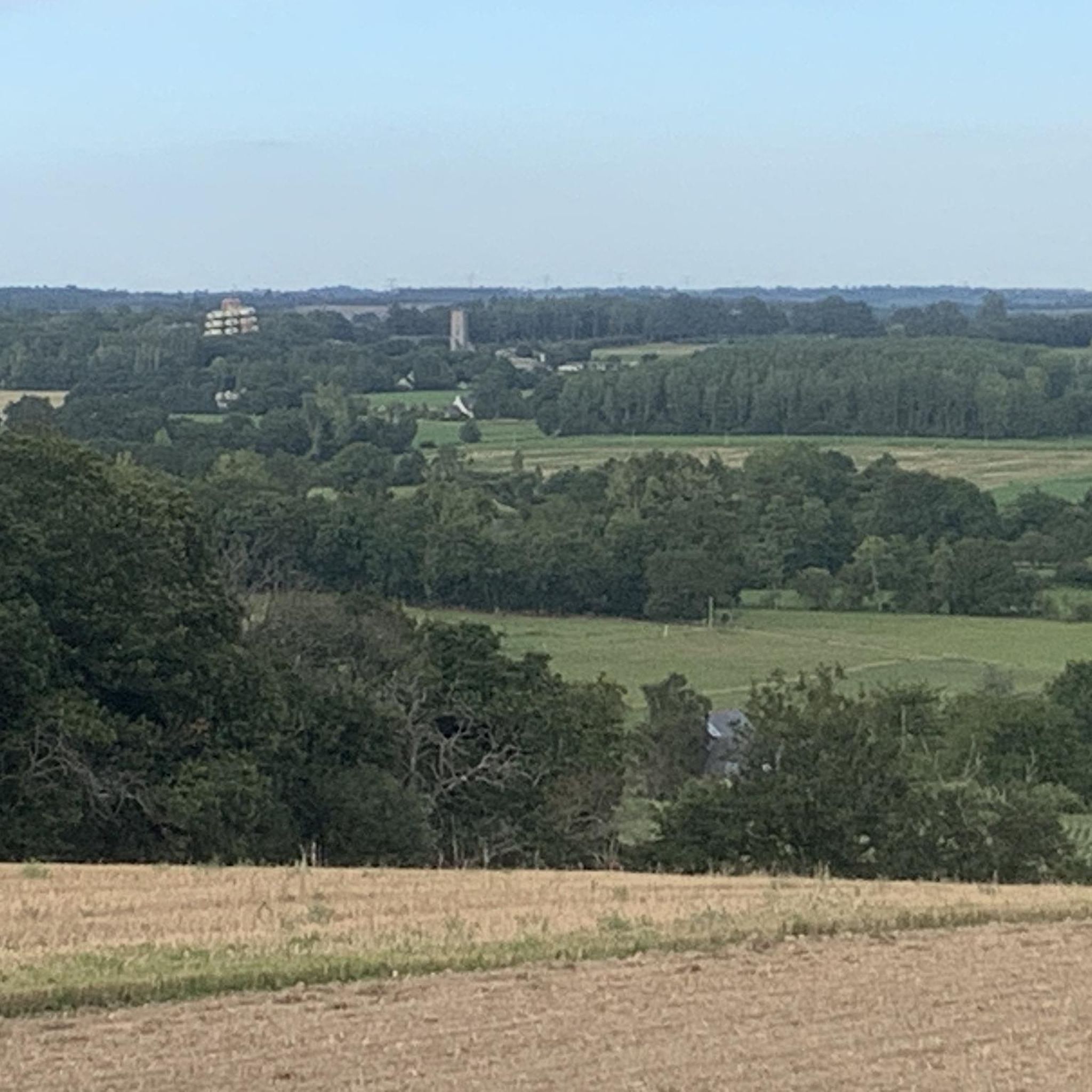
While not widely publicized, the Sentier du moulin (Mill trail) offers a more intimate encounter with nature, described as a place where humidity is very present even in hot weather, providing a unique sensory experience. The Chapelle Sainte-Anne, situated at the boundary of three communes, also offers serene views of fertile fields and woodlands from its 90-meter elevation.
Most popular routes around Amanlis

Get inspired with the komoot mobile app


Explore more
Still not found the Highlight you’re looking for? See guides of the top attractions in other regions:
