Attractions and Places To See around Périers-Sur-Le-Dan - Top 20
Best attractions and places to see around Périers-Sur-Le-Dan include a range of historical sites and architectural landmarks. The region is notable for its connection to significant 20th-century events, particularly those of June 1944. Visitors can explore a mix of man-made structures, from ancient abbeys to strategic bridges, alongside scenic waterways. This area offers insights into both historical narratives and local heritage.
Best attractions and places to see around Périers-Sur-Le-Dan
- The most popular attractions is Pegasus Bridge, a bridge that…
Last updated: May 20, 2026
Pegasus Bridge
Highlight • Bridge
Translated by Google •
Tip by

Memorial to the Free French Forces at Ouistreham
Highlight • Historical Site
In a beautiful park on the coast lies this monument of the No.4 Commando's of Lt.Kieffer, who came ashore in the early morning of June 6, 1944 …
Translated by Google •
Tip by
Sign up now to discover places like this
Get recommendations on the best single tracks, peaks, & plenty of other exciting outdoor places.
Sign up for free
Caen-to-the-Sea Canal at Blainville-sur-Orne
Highlight (Segment) • Other
Translated by Google •
Tip by

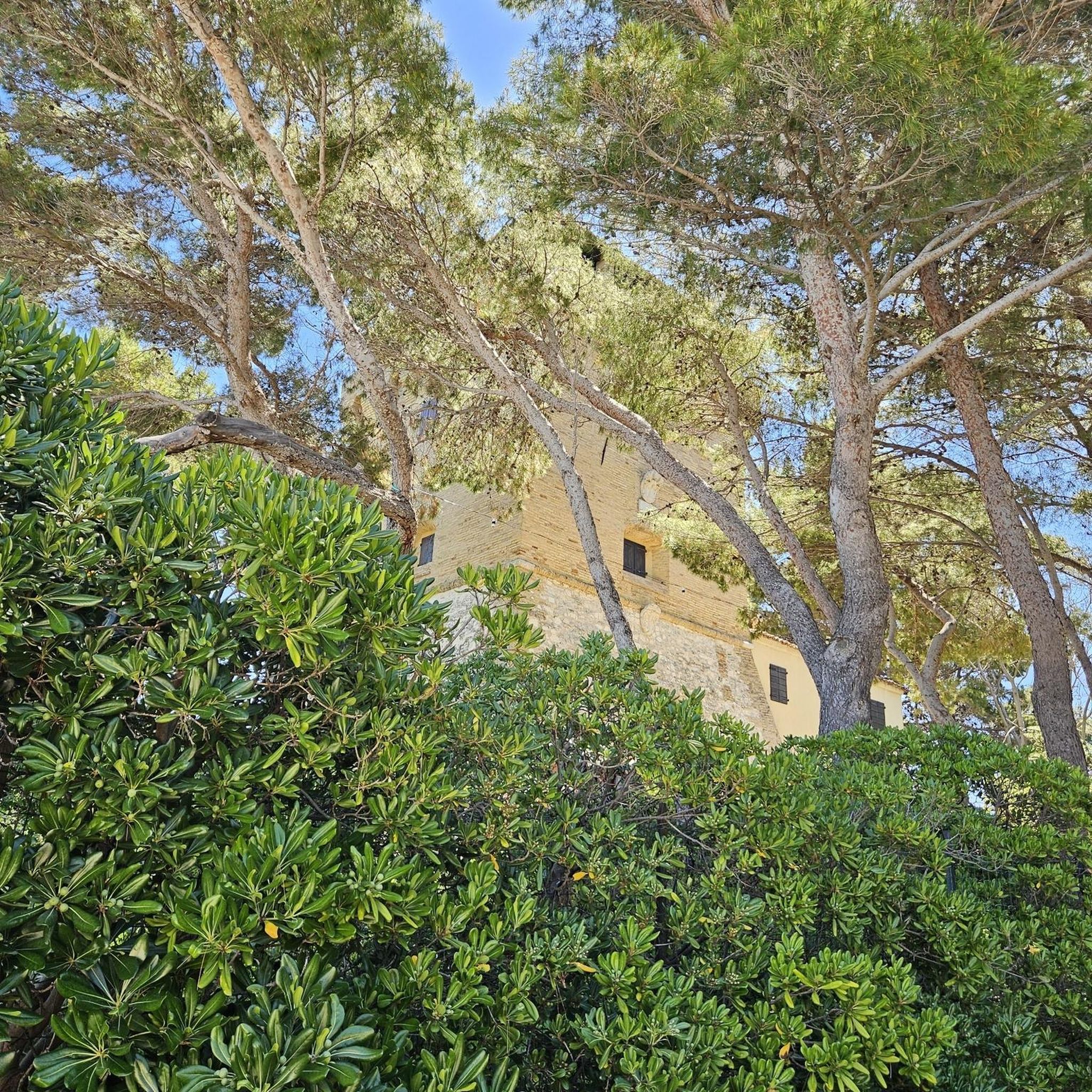
Bénouville Castle
Highlight • Castle
Translated by Google •
Tip by
Men's Abbey (Saint Stephen), Caen
Highlight • Religious Site
Translated by Google •
Tip by

Sign up for free to discover even more attractions around Périers-Sur-Le-Dan.
Sign up for free
Already have an account?
Start today with a free account
Your next adventure awaits.
Login or Signup


Tips from the Community

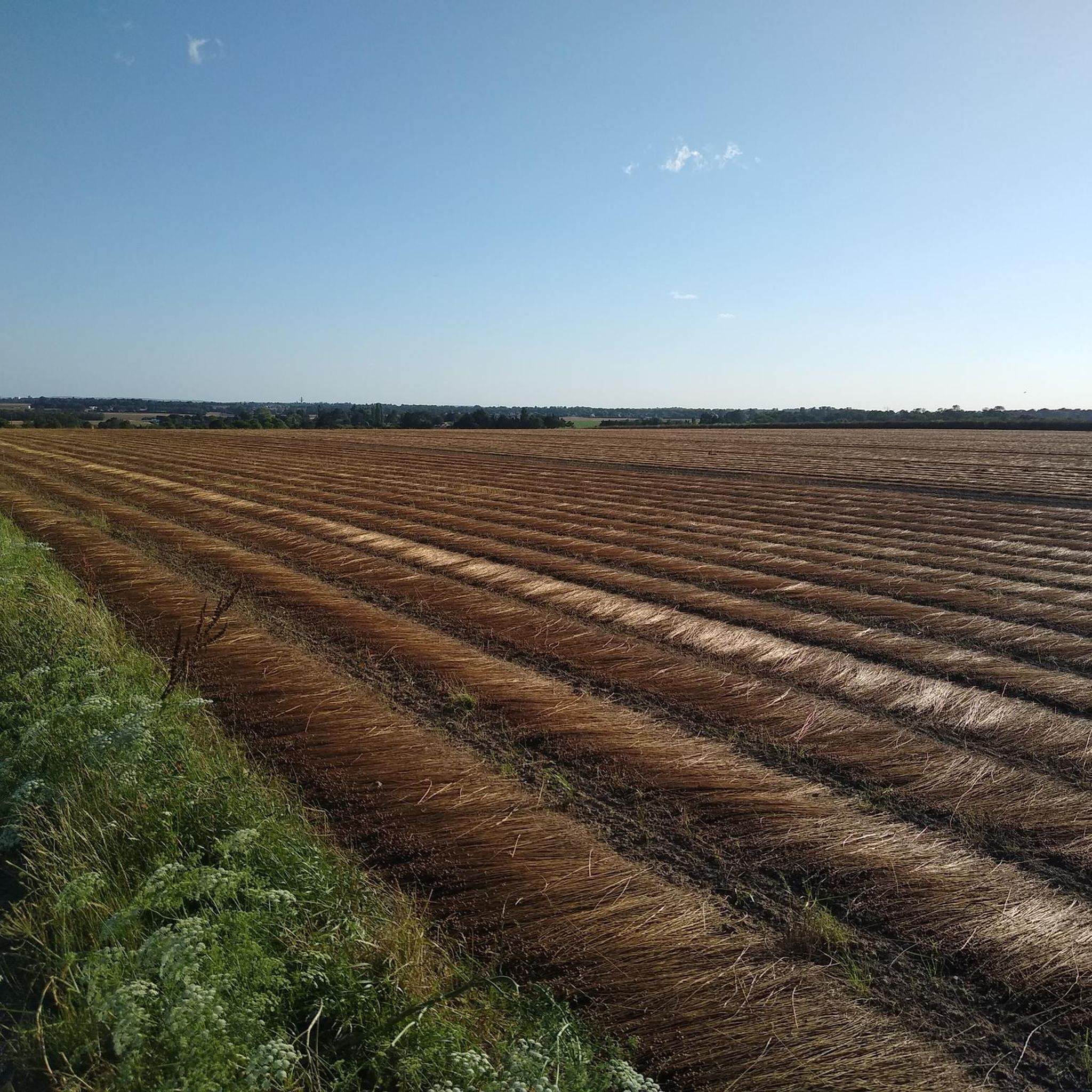
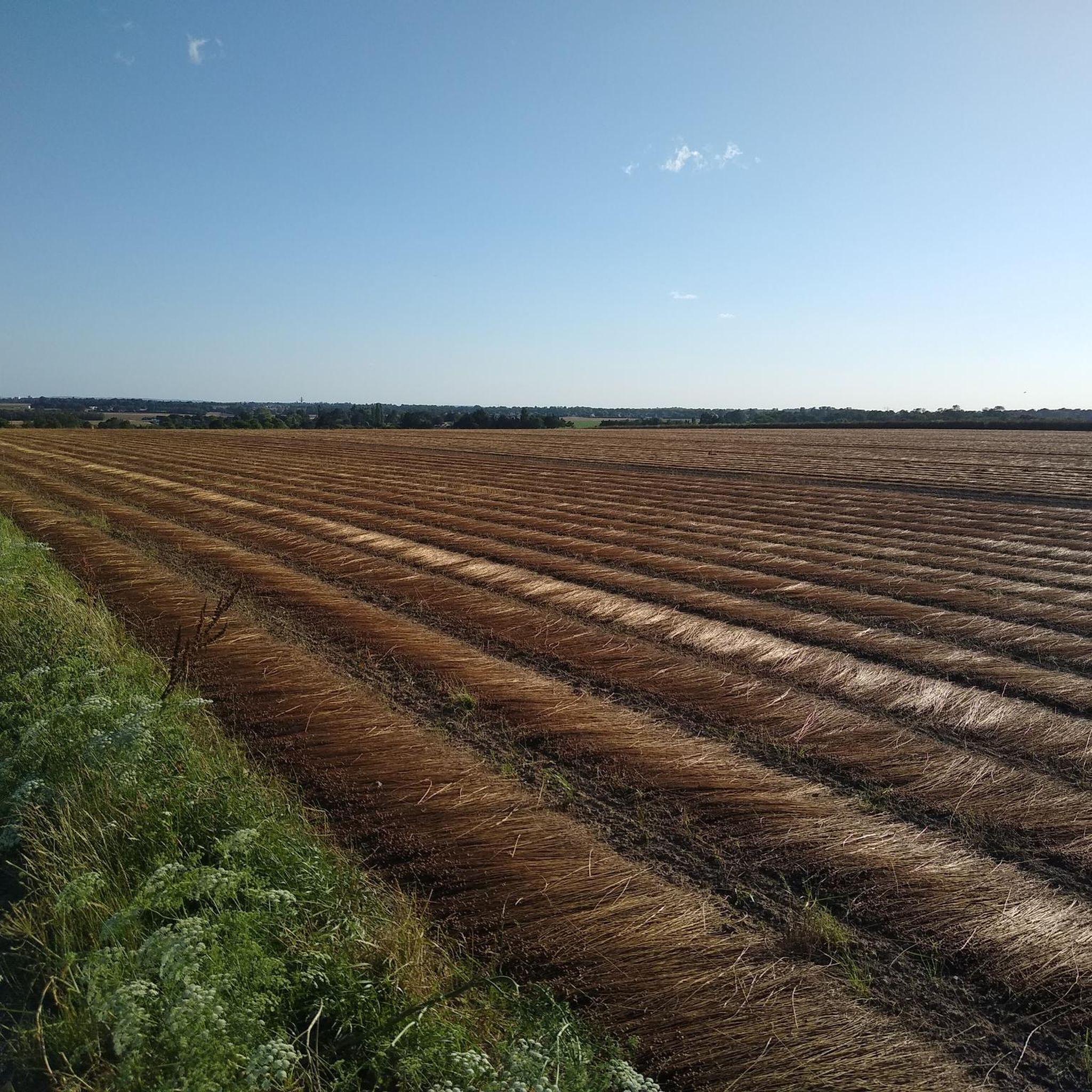
The Orne estuary is so beautiful with its wild environment.
0
0

The memorial commemorates the French soldiers who neutralized the Wehrmacht bunkers here on June 6, 1944.
1
0

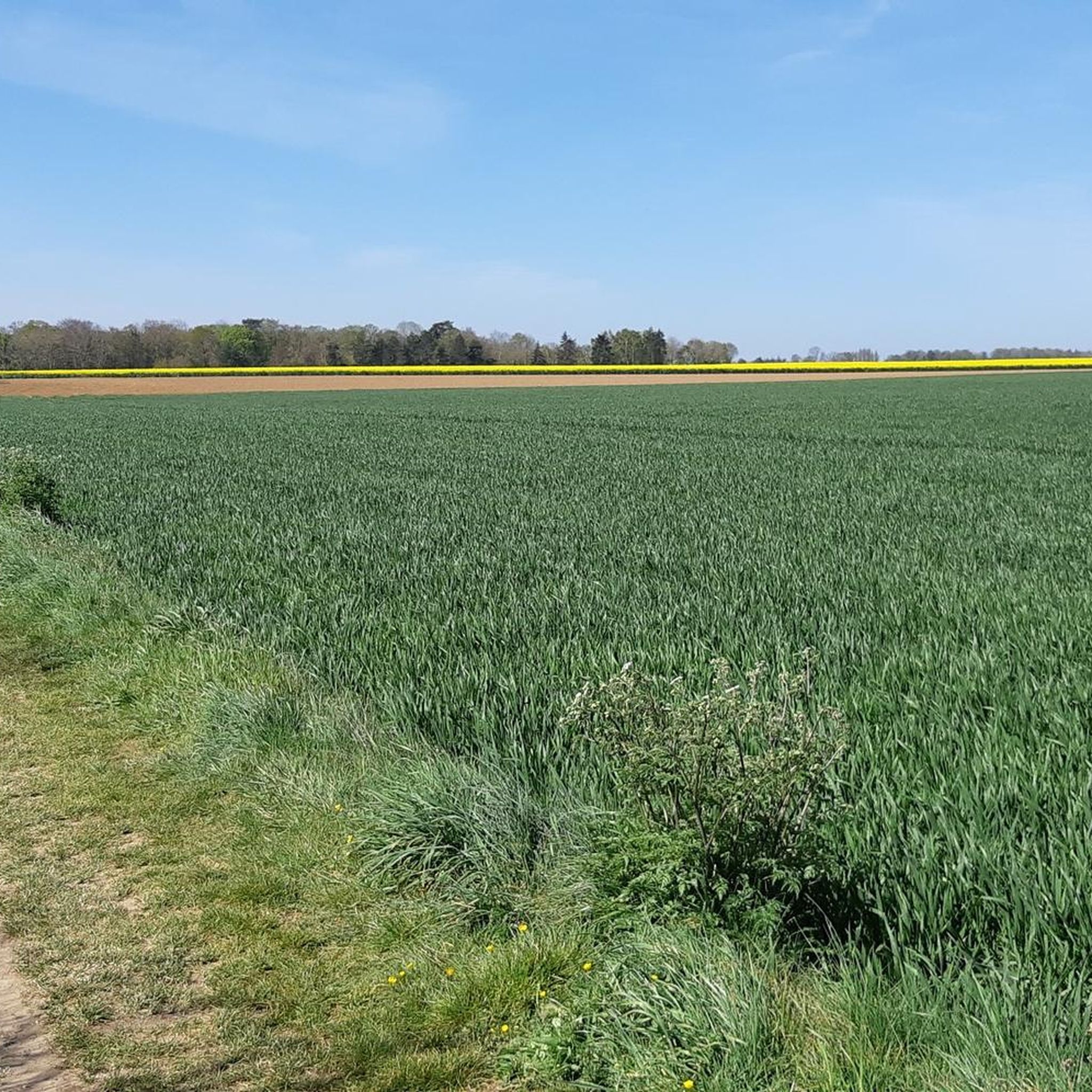
Great walk along the seaside.
0
0

Caen, first mentioned in documents in 1027, experienced rapid urban development in the 11th century. It was called a burgus (bourg), was the centre of an extensive ducal domain, lay at the crossroads of important roads and had markets and a port. It first developed as an important city in the Duchy of Normandy under William the Conqueror. He had a strong fortress built in Caen and around 1059 an abbey for women (Abbaye aux dames) and one for men (Abbaye aux hommes), in which he was also buried. Later, during the Huguenot Wars (1562), his grave was destroyed and his bones were lost. William's gravestone can still be seen in the church today. He had the monasteries built to atone for his marriage to his cousin Mathilde, which was disapproved of by the Pope. Both monasteries are among the most important monuments in Normandy and are today – by the monks and nuns during the French Revolution
2
0

The former Benedictine abbey with the monastery church of Saint-Étienne was founded by William the Conqueror in Caen, built from 1060 onwards, but probably not completed until after 1090. From 1120/25 onwards, six-part cross-ribbed vaults were installed in the originally flat-roofed building, which are among the oldest in France.
5
0

11th Century Abbey Church where William the Conqueror is buried. Definitely worth seeing.
2
0
Here William the Conqueror is buried, in the 11th-century abbey church.
3
0

Frequently Asked Questions
What historical sites can I visit around Périers-Sur-Le-Dan?
The region is rich in history, particularly related to D-Day. You can visit Pegasus Bridge, a crucial site captured by the British 5th Parachute Brigade. Another significant location is the Memorial to the Free French Forces at Ouistreham, commemorating the Kieffer Commando's landing. Further inland, explore the historic Men's Abbey (Saint Stephen) in Caen, where William the Conqueror is buried.
Are there family-friendly attractions around Périers-Sur-Le-Dan?
Yes, several attractions are suitable for families. Pegasus Bridge and its nearby museum offer an engaging history lesson. The Memorial to the Free French Forces at Ouistreham is also family-friendly. Additionally, Bénouville Castle provides a glimpse into 18th-century architecture and often hosts exhibitions.
What outdoor activities can I do near these attractions?
The area offers various outdoor activities, especially cycling. You can find numerous routes for cycling, gravel biking, and mountain biking. For example, explore the cycling routes around Périers-Sur-Le-Dan, including easy loops like the 'Villa La Bluette – Lion-sur-Mer loop'. There are also gravel biking trails and MTB trails for more adventurous rides.
Are there easy walking or cycling paths along waterways?
Absolutely. The Caen-to-the-Sea Canal at Blainville-sur-Orne features a 14 km long, paved cycle path that is very pleasant for both walking and cycling. It connects the English Channel to Caen and is appreciated by roller skaters and racing cyclists for its smooth surface.
When is the best time to visit Périers-Sur-Le-Dan attractions?
The best time to visit is generally from late spring to early autumn (May to September) when the weather is mild and conducive to exploring historical sites and enjoying outdoor activities. June is particularly significant for those interested in D-Day history due to the anniversary events.
Are there cafes or places to eat near the main attractions?
Yes, near Pegasus Bridge, you'll find the Café-Museum Gondrée, which is a historic meeting point for veterans and tourists. Along the Caen-to-the-Sea Canal, you may also find various establishments in the towns it passes through, such as Blainville-sur-Orne or Ouistreham.
What kind of architecture can I see in the region?
The region showcases a blend of historical architecture. You can admire the neoclassical design of Bénouville Castle, built in the late 18th century. The Men's Abbey (Saint Stephen) in Caen is a prime example of Romanesque architecture, dating back to the 11th century with some of France's oldest cross-ribbed vaults.
Are there any attractions related to the French Resistance during WWII?
Yes, Bénouville Castle played a significant role in the Resistance. Its director, Léa Vion, used the castle as a cover for Resistance activities, transmitting intelligence to the Allies and hiding fugitives. The castle's history during this period is quite compelling.
How does Périers-Sur-Le-Dan compare to Caen for attractions?
Périers-Sur-Le-Dan and its immediate surroundings offer a focused experience on key D-Day historical sites like Pegasus Bridge and the Memorial to the Free French Forces, alongside scenic canal paths. Caen, while nearby, provides a broader range of attractions, including the impressive Men's Abbey and a larger urban environment with more museums and shopping.
Can I find routes for mountain biking near Périers-Sur-Le-Dan?
Yes, there are several mountain biking trails available. You can explore routes like the 'Pegasus Bridge – Washhouse of the Caen Canal loop' or the 'Hermanville beach – Ouistreham Lighthouse loop'. For more options, check out the MTB Trails around Périers-Sur-Le-Dan guide.
What is the significance of the Caen-to-the-Sea Canal?
The Caen-to-the-Sea Canal is a vital 14 km waterway connecting the city of Caen to the English Channel at Ouistreham. It features two locks and is historically important for trade and transport. Today, it's also a popular recreational area with its paved cycle path.
Are there any attractions related to William the Conqueror?
Yes, the Men's Abbey (Saint Stephen) in Caen was founded by William the Conqueror himself. It is also his burial place, making it a significant site for those interested in his legacy and the Norman conquest.
Most popular routes around Périers-Sur-Le-Dan
Most popular attractions around Périers-Sur-Le-Dan

Get inspired with the komoot mobile app


Explore more
Still not found the Highlight you’re looking for? See guides of the top attractions in other regions:
