Attractions and Places To See around Poillé-Sur-Vègre - Top 6
Attractions and places to see around Poillé-Sur-Vègre include a blend of historical landmarks and natural beauty. This charming village in the Sarthe department of France is characterized by its rural setting and green, hilly landscape. The Vègre River flows through the area, contributing to its picturesque scenery. Visitors can explore historical sites and natural features within and around the village.
Best attractions and places to see around Poillé-Sur-Vègre
- The most popular attractions is Sarthe River Viaduct, a bridge that offers enjoyable riverside walks with views of bridges, trees, dams, and wildlife.
- Another must-see spot is Saulges Caves and Prehistory Museum, a gorge where visitors can explore caves and shelters occupied by humans around 25,000 years ago. The site also features a museum with archaeological collections and interactive exhibits.
- Visitors also love Saint Cénéré Oratory, an edifice built over a cave to protect the statue of Saint Céneré. A continuous spring flows from the rock at this location.
- Poillé-Sur-Vègre is known for its historical sites, natural landscapes, and cultural points of interest. The region offers a variety of attractions to see and explore, from ancient mills to picturesque river views.
- The attractions around Poillé-Sur-Vègre are appreciated by the komoot community, with 19 photos and 23 upvotes shared by visitors.
Last updated: May 28, 2026
Saulges Caves and Prehistory Museum
Highlight • Gorge
Translated by Google •
Tip by

Saint Cénéré Oratory
Highlight • Other
Translated by Google •
Tip by
Sign up now to discover places like this
Get recommendations on the best single tracks, peaks, & plenty of other exciting outdoor places.
Sign up for free
Solesmes Abbey
Highlight • Religious Site
Translated by Google •
Tip by
Parcé Mill
Highlight • Other
In the 19th century, three wheels were in service. The smallest was used to grind oak or chestnut bark to tan hides. The other two wheels were used to produce flour. The mill has been beautifully restored over the past decade.
Translated by Google •
Tip by
Sarthe River Viaduct
Highlight (Segment) • Bridge
Translated by Google •
Tip by
Sign up for free to discover even more attractions around Poillé-Sur-Vègre.
Sign up for free
Already have an account?
Start today with a free account
Your next adventure awaits.
Login or Signup




Tips from the Community

If you are looking for a hike combining nature, history and art, you can visit the Caves of Saulges and the prehistory museum. This site offers a unique opportunity to explore the caves and shelters that were occupied by humans around 25,000 years ago, during the Paleolithic period. Some caves are decorated with rock art, such as paintings, carvings and graffiti. You can also visit the Prehistory Museum, which features archaeological collections and interactive exhibits related to prehistoric life in Mayenne. The site is located in the Erve valley, which is a protected natural area with rich biodiversity. The hiking trails allow you to admire the landscapes of the valley and the limestone cliffs. The site is open from April to November. You can check opening hours and prices on the website. Don't forget to bring comfortable shoes, a flashlight and a camera to immortalize your experience.
2
0
This fascinating edifice was built on top of a cave in 1849 to protect the statue of the saint therein, Céneré, a 7th-century Benedictine monk. He would have caused the manifestation of the source which springs from the rock at this place. This continuous stream of water from the spring gave the saint the nickname "saint who pisses".
3
0
At the beginning of the 11th century it was a Benedictine abbey. It is worth visiting, but also crossing the river to admire it from its elevated position.
2
0
The mill dates from the 10th century. The lords of Champagne allowed the inhabitants of the parish to use the mill for a fee. In the 19th century, three wheels were in service. The smallest was used to grind oak or chestnut bark to tan hides. The other two wheels were used to produce flour. The mill has been beautifully restored over the past decade.
2
0
Bridges, trees, dams and wildlife make this riverside walk very enjoyable.
2
0
But at the beginning of the 11th century, this abbey was a Benedictine abbey. It is worth visiting it, but also crossing the river and admiring the abbey from this grandiose angle.
2
0

The oratory of Saint Céneré is located on the banks of the Erve, one kilometer from the town of Saulges. For 13 centuries, without stopping, the inhabitants of Maine and Anjou come to Saulges around August 15 to celebrate their protector. A spring has been flowing since the 7th century in this oratory built over the cave of its former hermitage. SourceWikipedia
1
0

Open Monday to Sunday from 10 a.m. to 6 p.m.
0
0
Frequently Asked Questions
What historical sites can I explore in and around Poillé-Sur-Vègre?
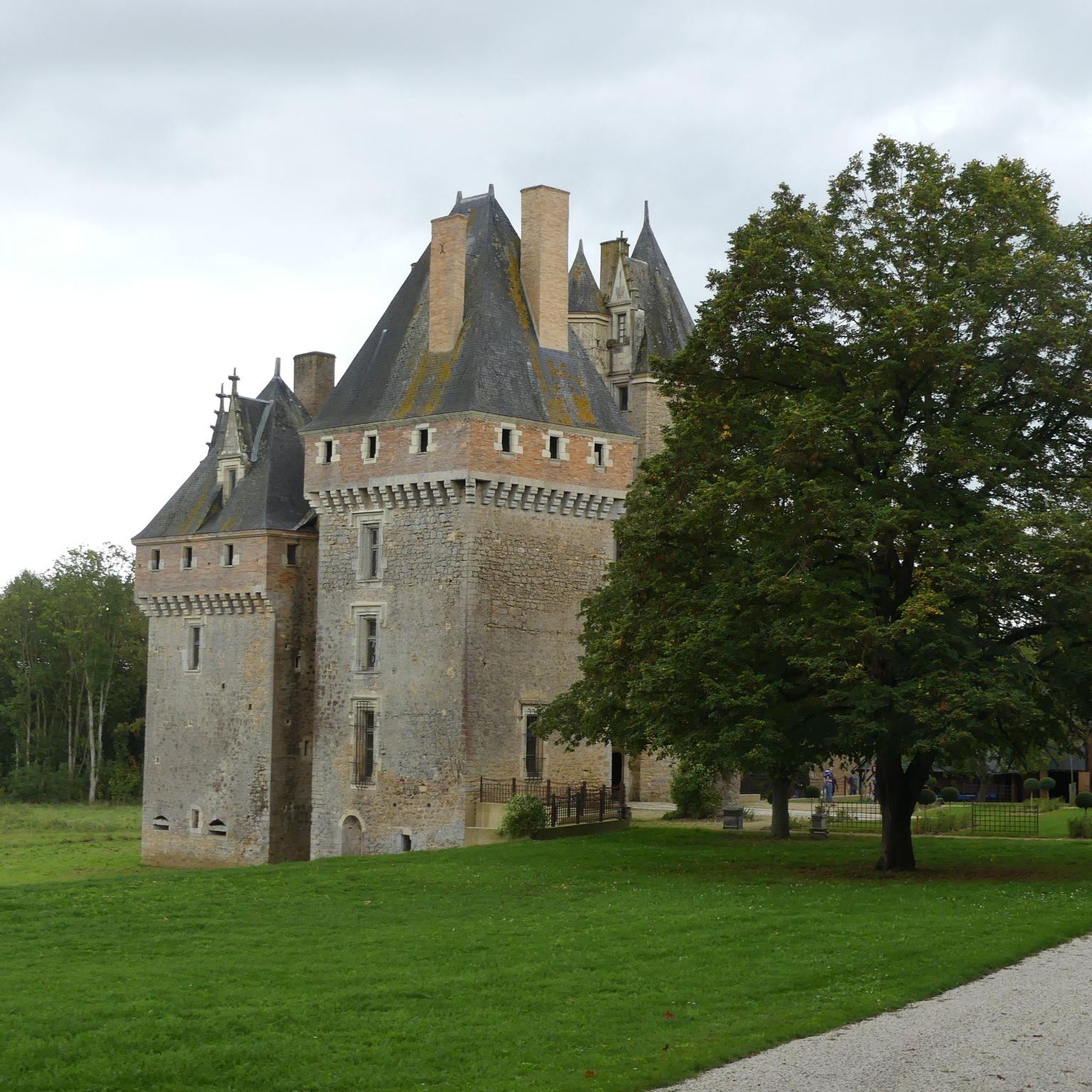
Poillé-sur-Vègre itself boasts the remarkable Parcé Mill, dating back to the 10th century and beautifully restored. The village also features the privately owned Château de Verdelles, a significant 15th-century monument with Louis XII style architecture. Nearby, you can visit the well-known Solesmes Abbey, the Manoir de la Cour in Asnières-sur-Vègre which houses museums, and the Notre Dame Church in Sablé-sur-Sarthe, known for its medieval architecture.
Are there any notable natural attractions or scenic spots near Poillé-Sur-Vègre?
Yes, the Vègre River flows through the village, contributing to its picturesque landscape. The region is characterized by its green, hilly terrain. A prominent natural attraction is the Saulges Caves and Prehistory Museum, a gorge where you can explore caves and shelters. You can also enjoy riverside walks along the Sarthe River Viaduct, offering views of bridges, trees, dams, and wildlife. The Bois de Saint-Brice is another natural site within the commune.
What outdoor activities, like hiking or cycling, can I do in the area?
The area around Poillé-Sur-Vègre is excellent for outdoor activities. For hiking, you can explore trails like the 'Trompe-Souris Circuit' or routes around the 'Foret chemin des rochers'. Cyclists can enjoy road cycling routes such as the 'Solesmes Abbey – Parcé Mill loop'. You can find more details and specific routes on the Hiking around Poillé-Sur-Vègre and Road Cycling Routes around Poillé-Sur-Vègre guide pages.
Are there family-friendly attractions suitable for children?
Families can enjoy the Saulges Caves and Prehistory Museum, which offers interactive exhibits about prehistoric life. The Sarthe River Viaduct provides enjoyable riverside walks suitable for all ages. For more active fun, the Centre Aquatique Communauté de Communes de Sablé-sur-Sarthe and Go Bowling Sablé-Solesmes are available in nearby Sablé-sur-Sarthe.
Where can I experience local culture or find unique local products?
To experience local culture, visit the picturesque towns of Asnières-sur-Vègre and Parcé-sur-Sarthe, both designated 'petites cités de caractère'. You can also explore local markets in nearby towns like Sablé-sur-Sarthe (Mondays), Loué (Tuesdays), and Noyen-sur-Sarthe (Saturdays) for local products and a vibrant atmosphere.
What is the <a href="https://www.komoot.com/highlight/6210018" target="_blank" rel="noopener">Saulges Caves and Prehistory Museum</a>, and what can I expect there?
The Saulges Caves and Prehistory Museum is a unique site where you can explore caves and shelters once occupied by humans around 25,000 years ago. Some caves feature rock art. The museum houses archaeological collections and interactive exhibits detailing prehistoric life in Mayenne. It's located in the protected Erve valley, offering beautiful landscapes and limestone cliffs. The site is open from April to November.
Can you tell me more about the <a href="https://www.komoot.com/highlight/4560328" target="_blank" rel="noopener">Saint Cénéré Oratory</a>?
The Saint Cénéré Oratory is a fascinating edifice built in 1849 over a cave to protect the statue of Saint Céneré, a 7th-century Benedictine monk. A continuous spring flows from the rock at this location, which is said to have been manifested by the saint. It's a site of pilgrimage, particularly around August 15th, and is located on the banks of the Erve, near Saulges.
What is the best time of year to visit Poillé-Sur-Vègre for sightseeing?
The region's green and hilly landscape is particularly appealing during spring and summer when the weather is mild, and nature is in full bloom. Many attractions, like the Saulges Caves, are open from April to November. Visiting during these months allows for comfortable exploration of outdoor sites and historical landmarks.
Are there any unique or lesser-known experiences to discover?
For a unique well-being experience, consider visiting 'The Tipis du Bonheur de Vivre' in Brûlon. This site offers a natural setting with a jacuzzi in a specially designed tipi, a traditional Amerindian sweat lodge, and Japanese AMMA massages. It provides a different kind of cultural and relaxing experience away from traditional sightseeing.
What kind of wildlife might I spot around Poillé-Sur-Vègre?
The Vègre River and the surrounding green, hilly landscape provide habitats for various wildlife. Along the Sarthe River Viaduct, visitors often spot diverse wildlife during riverside walks. The Erve valley, where the Saulges Caves are located, is a protected natural area known for its rich biodiversity, making it a good spot for nature observation.
Are there any picturesque villages or towns worth visiting nearby?
Absolutely. Just 4 km away, Asnières-sur-Vègre is a small, charming village known for its beauty, especially around its bridge. About 11 km distant, Parcé-sur-Sarthe is another 'petite cité de caractère' with an attractive town center. Both offer a glimpse into traditional French rural life and architecture.
Are there any gardens I can visit in the vicinity?
Yes, several remarkable gardens are accessible within a reasonable distance. These include the Jardins de la Massonnière (11km), Jardins du Mirail (17km), and Jardin du château de Vilaines (23km). These gardens offer beautiful landscapes and a peaceful escape.
Most popular routes around Poillé-Sur-Vègre

Get inspired with the komoot mobile app


Explore more
Still not found the Highlight you’re looking for? See guides of the top attractions in other regions:
