Attractions and Places To See around Rouessé-Fontaine - Top 20
Best attractions and places to see around Rouessé-Fontaine include historical landmarks and cultural sites within this commune in the Sarthe department of the Pays de la Loire region. The area offers insights into French history and rural life, with archaeological findings spanning from the Neolithic period to medieval times. Notable features include a 12th-century church and historical structures reflecting past agricultural practices. Its location also provides access to nearby natural areas like the Forêt de Perseigne.
Best attractions and places…
Last updated: July 6, 2026
Château de Fresnay-sur-Sarthe
Highlight • Castle
Translated by Google •
Tip by

Saint Mathurin Gate and Chapel
Highlight • Historical Site
The …
Translated by Google •
Tip by

Sign up now to discover places like this
Get recommendations on the best single tracks, peaks, & plenty of other exciting outdoor places.
Sign up for free
Catholic Church - St-Étienne de Neuchâtel ⛪✨🙏🏻
Highlight • Other
Translated by Google •
Tip by

René
Highlight • Settlement
Translated by Google •
Tip by
Saint Peter's Church
Highlight • Other
This construction had several functions: It was reserved for catechumens who were …
Translated by Google •
Tip by

Sign up for free to discover even more attractions around Rouessé-Fontaine.
Sign up for free
Already have an account?
Start today with a free account
Your next adventure awaits.
Login or Signup


Tips from the Community

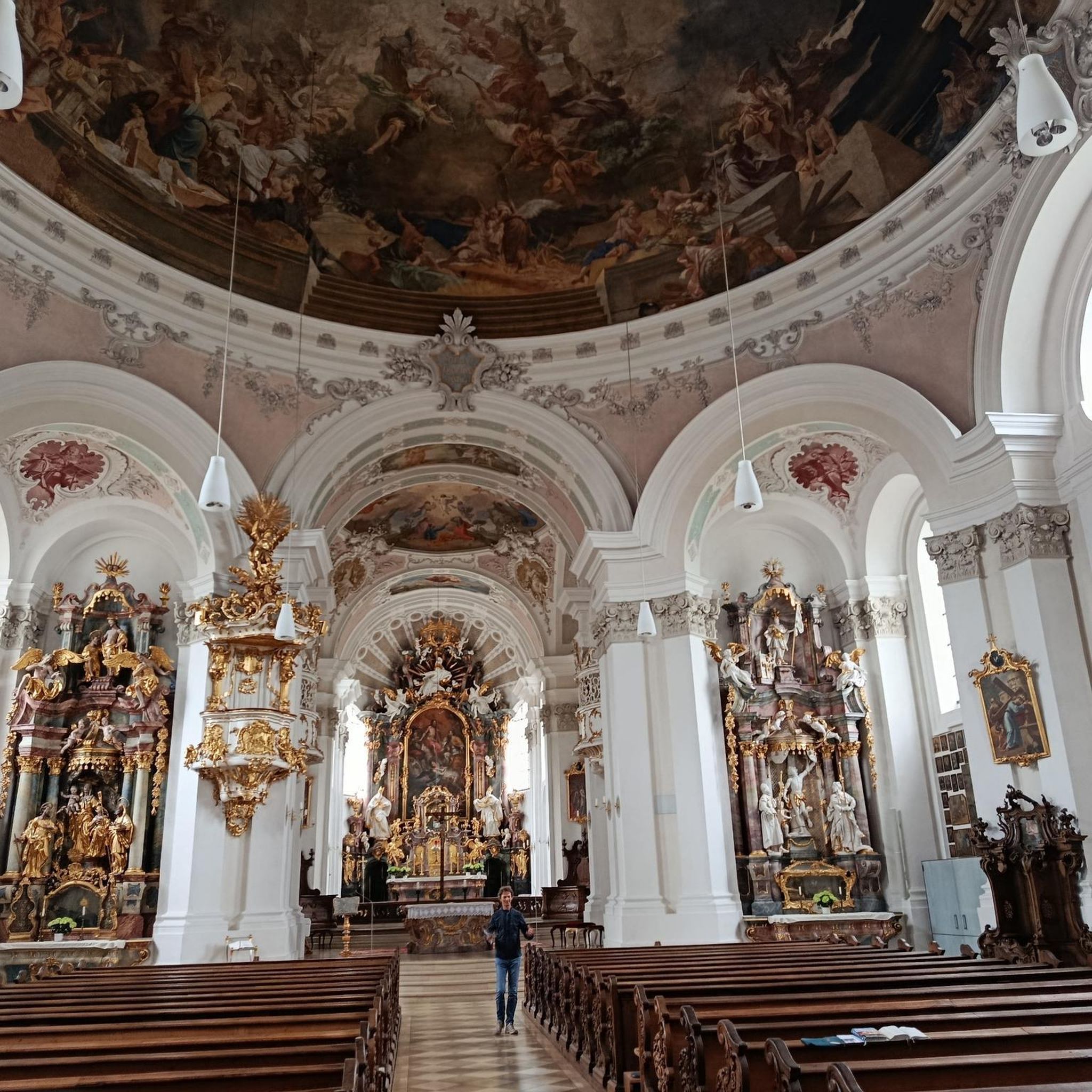
This magnificent church in Neuchâtel is dedicated to the patronage of "Saint-ETIENNE". He is one of the first seven deacons of the early Jerusalem community and, according to the biblical accounts in the "New Testament", the first martyr (witness by blood) of early Christianity. The church commemorates his death on the second day of Christmas, December 26th. As the Acts of the Apostles reports: When Stephen loudly proclaimed his vision of the open sky "But he, full of the Holy Spirit, looked up to heaven and saw the glory of God, and Jesus standing at the right hand of God" (Chapter 7, Verse 55), the people were so outraged that they drove him out of the city and stoned him.
0
0

The Chapitrel is the name given to the entrance gate. The period door is in the Renaissance style. This construction had several functions: It was reserved for catechumens who were not allowed to enter the church and served as a warehouse for farmers who sold at the market on Sunday mornings. The saddleback tower dates from 1545. It is 28 m high. It is square and has four levels. Each floor is separated by an external Roussard belt called a "larmier" which overhangs quite widely, preventing water from running off. At the top of the roof are two granite crosses, each topped with a copper weather vane representing a crowned dragon's head.
0
0

Good for a little break
0
0
Meeting points for walks to Perseigne
0
0

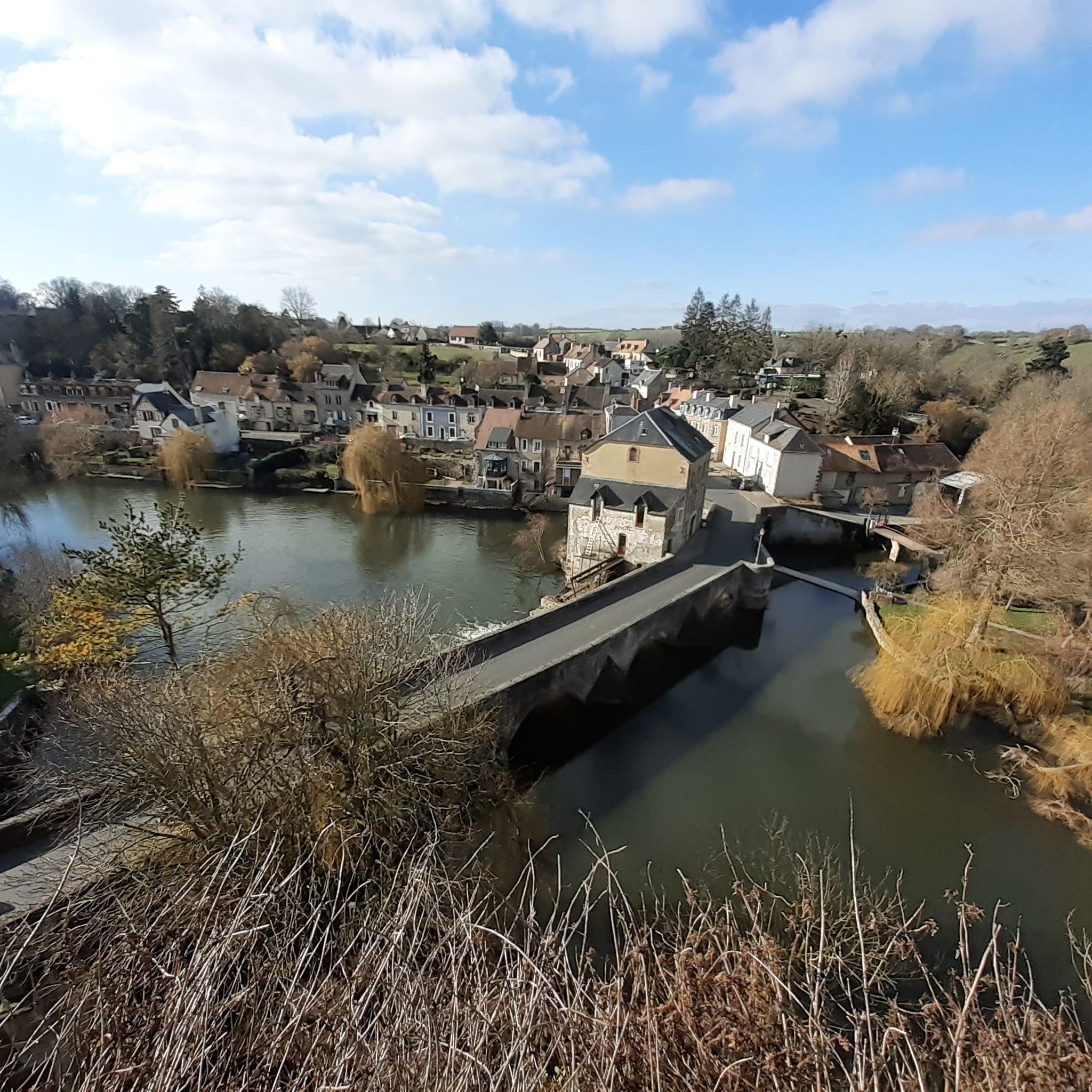
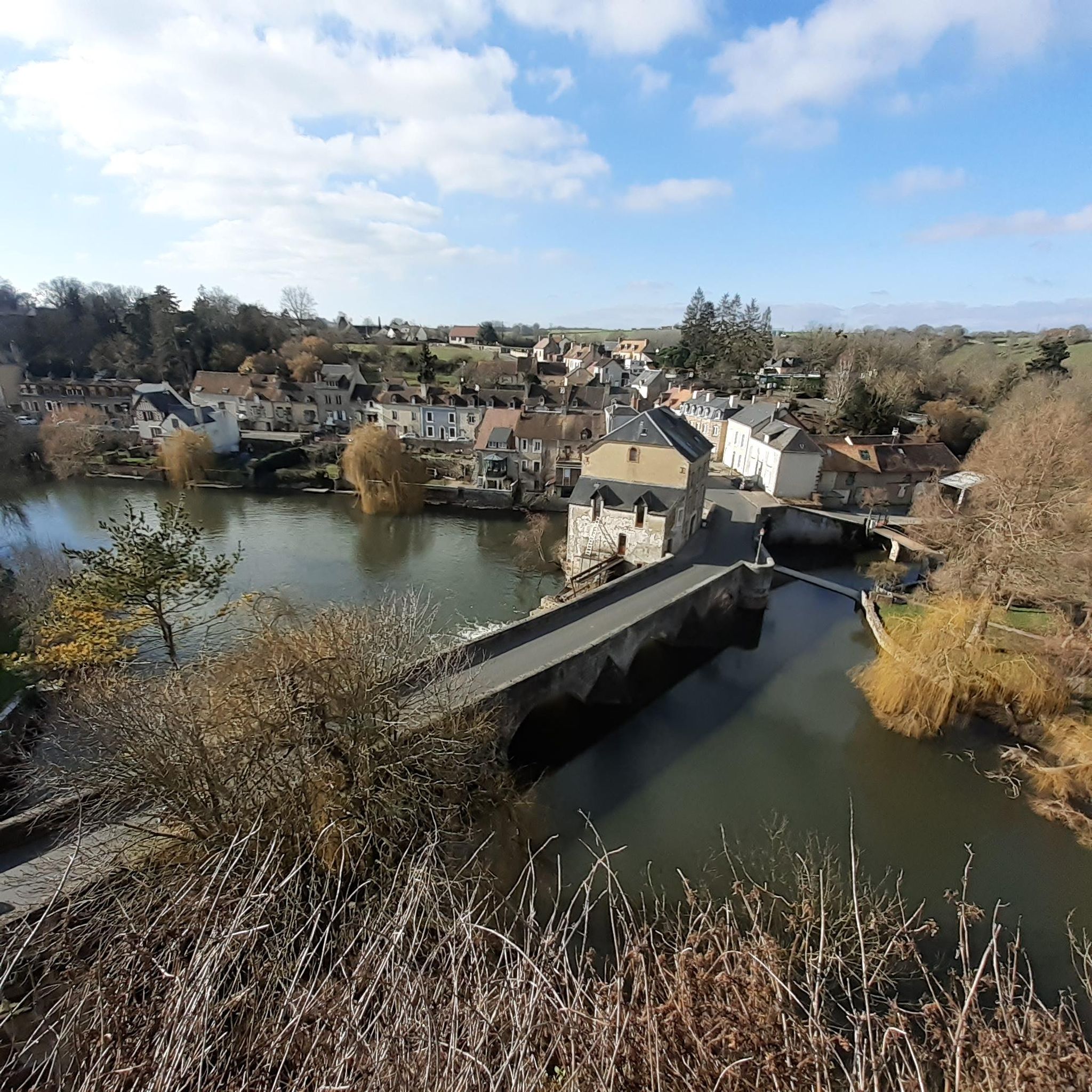
This small castle is built on a rocky promontory which dominates the main access roads to Alençon, Le Mans and Angers.
5
1

The Château de Fresnay-sur-Sarthe ensured the defense of the city in the Middle Ages. Although its construction dates back to the 10th century, it was modified and enlarged several times during the Middle Ages. From the 18th century, it fell into disrepair due to lack of maintenance. After being purchased by the municipality, the castle now houses the public garden. The two-towered châtelet recalls the physiognomy of the place in the 18th century.
1
0

I really want to see this castle!
0
0
"O Crux Ave, Spes Unica" is a Latin phrase which means: “Hail, O Cross [of Jesus Christ, you are our] only hope” Until the 1960s, this is how French families taught their children to greet Calvaries all along their fields, by making the sign of the cross.
0
0
Frequently Asked Questions
What historical sites can I explore within Rouessé-Fontaine itself?
In Rouessé-Fontaine, you can visit the 12th-century Église Saint-Hermès, which features a historical monument-classified bell tower, a 13th-century statue, and a 17th-century funerary slab. Nearby, you'll find the War Memorial (Monument aux Morts). The commune also has historical structures like a Hemp Oven and the Old School-Town Hall, built in 1866, offering a glimpse into local history and past agricultural practices.
Are there any medieval structures to visit near Rouessé-Fontaine?
Yes, several medieval structures are accessible. You can visit the Château de Fresnay-sur-Sarthe, a castle built on a rocky promontory that once defended the city and now houses a public garden. Another significant site is the Saint Mathurin Gate and Chapel, featuring an ogival arch believed to be original and housing 14th-18th century religious artifacts. Additionally, the Les Halles de René, a man-made monument built in 1535, still serves as a central point for the municipality.
What religious landmarks are there in the area?
Beyond the Église Saint-Hermès in Rouessé-Fontaine, you can also visit the Saint Mathurin Gate and Chapel, which includes a chapel with historical religious items. Further afield, the Catholic Church - St-Étienne de Neuchâtel is another notable religious site in the vicinity.
What outdoor activities are available near Rouessé-Fontaine?
The area around Rouessé-Fontaine offers various outdoor activities. You can find numerous running trails, gravel biking routes, and cycling tours. For specific routes and details, explore the Running Trails around Rouessé-Fontaine, Gravel biking around Rouessé-Fontaine, and Cycling around Rouessé-Fontaine guides.
Are there good running trails around Rouessé-Fontaine?
Yes, there are several running trails available. Popular options include the Running loop from Fyé (10.7 km), the Chérancé Greenway loop from Les Mées (9.6 km), and the Fanum gallo-romain loop from Béthon (10.9 km). These routes offer moderate difficulty and are great for exploring the local landscape. You can find more details in the Running Trails around Rouessé-Fontaine guide.
Can I go cycling or gravel biking in the area?
Absolutely. The region provides excellent opportunities for both cycling and gravel biking. For gravel biking, consider routes like the Perseigne Viewpoint – Vallée d'Enfer loop (65.5 km) or the Château de Bellerive – Saosnois Greenway loop (33.5 km). Cyclists can enjoy tours such as the Saint-Céneri-le-Gérei Bridge loop (95.7 km) or the Château de Fresnay-sur-Sarthe loop (27.2 km). Detailed routes are available in the Gravel biking around Rouessé-Fontaine and Cycling around Rouessé-Fontaine guides.
Are there family-friendly attractions around Rouessé-Fontaine?
Many attractions in the area are suitable for families. The Château de Fresnay-sur-Sarthe, with its public garden, is a great spot for a family outing. The Saint Mathurin Gate and Chapel offers an interesting historical visit. Additionally, the village of René, known for its old market halls, provides a charming atmosphere for a family stroll and even has a village café.
Where can I find natural areas for walks near Rouessé-Fontaine?
The nearby Forêt de Perseigne, located about 12 km away, is an excellent natural area for walks and outdoor exploration. While Rouessé-Fontaine itself is a rural commune, its surroundings offer access to the wider Sarthe department's natural beauty, including parts of the Parc naturel régional Normandie-Maine. You can also find various walking and running routes that traverse the local countryside.
What do visitors enjoy most about the attractions near Rouessé-Fontaine?
Visitors appreciate the rich history and rural charm of the area. They particularly enjoy the well-preserved medieval sites like the Château de Fresnay-sur-Sarthe and the historical significance of places like the Les Halles de René. The komoot community has shared over 72 photos and given more than 90 upvotes, highlighting the scenic beauty and historical interest of these locations.
What archaeological discoveries have been made in Rouessé-Fontaine?
Archaeological surveys in Rouessé-Fontaine have uncovered a rich history spanning from the Neolithic period to Gallo-Roman and medieval times. Discoveries include traditional lithic tools, fragments of schist rings around a buried megalith, and evidence of eight Gallo-Roman sites. These findings highlight the commune's long-standing human presence and historical significance.
Are there any cafes or places to relax near the attractions?
Yes, the village of René, home to the historic market halls, is known for its character and offers a village café where you can relax and enjoy the atmosphere. This makes it a good spot to take a break while exploring the local attractions.
Most popular routes around Rouessé-Fontaine

Get inspired with the komoot mobile app


Explore more
Still not found the Highlight you’re looking for? See guides of the top attractions in other regions:
