The best road cycling routes around Écommoy
4.3
(46)
1,169
riders
52
rides
Road cycling routes around Écommoy traverse varied landscapes within the Sarthe department of the Pays de la Loire region. The terrain features a mix of relatively flat routes through farmlands and small villages, alongside undulating sections found in areas like the Forêt de Bercé. Routes often follow river valleys, such as the Loir and Sarthe rivers, providing generally gentler gradients. This region is well-connected to extensive cycling networks like "La Sarthe à Vélo" and "Vélobuissonnière".
Best road cycling routes around…
Last updated: July 2, 2026
3.0
(1)
21
riders
40.6km
01:42
200m
200m
Easy road ride. Great for any fitness level. Mostly well-paved surfaces and easy to ride.
17
riders
115km
04:47
630m
630m
Moderate road ride. Good fitness required. Some segments of this route may be unpaved and difficult to ride.

Sign up for free
11
riders
55.8km
02:37
470m
470m
Moderate road ride. Good fitness required. Mostly well-paved surfaces and easy to ride.
9
riders
115km
05:29
770m
770m
Hard road ride. Very good fitness required. Some segments of this route may be unpaved and difficult to ride.
6
riders
34.4km
01:29
220m
220m
Easy road ride. Great for any fitness level. Mostly well-paved surfaces and easy to ride.
Get access to more routes and recommendations from other explorers.
Sign up for free
Already have an account?
Our route recommendations are based on thousands of hikes, rides, and runs completed by other people on komoot.
Start today with a free account
Your next adventure awaits.
Login or Signup



Tips from the Community


The oven is the highest point of the sector
0
0

Placed in a self-service distributor 7 days a week, 24 hours a day, if you have a craving for rillettes! Butcher, bakery and Spar right next door
0
0

a short 100m stretch of road (in poor condition to get there but it's worth it!
0
0
Very good cycling club
0
0
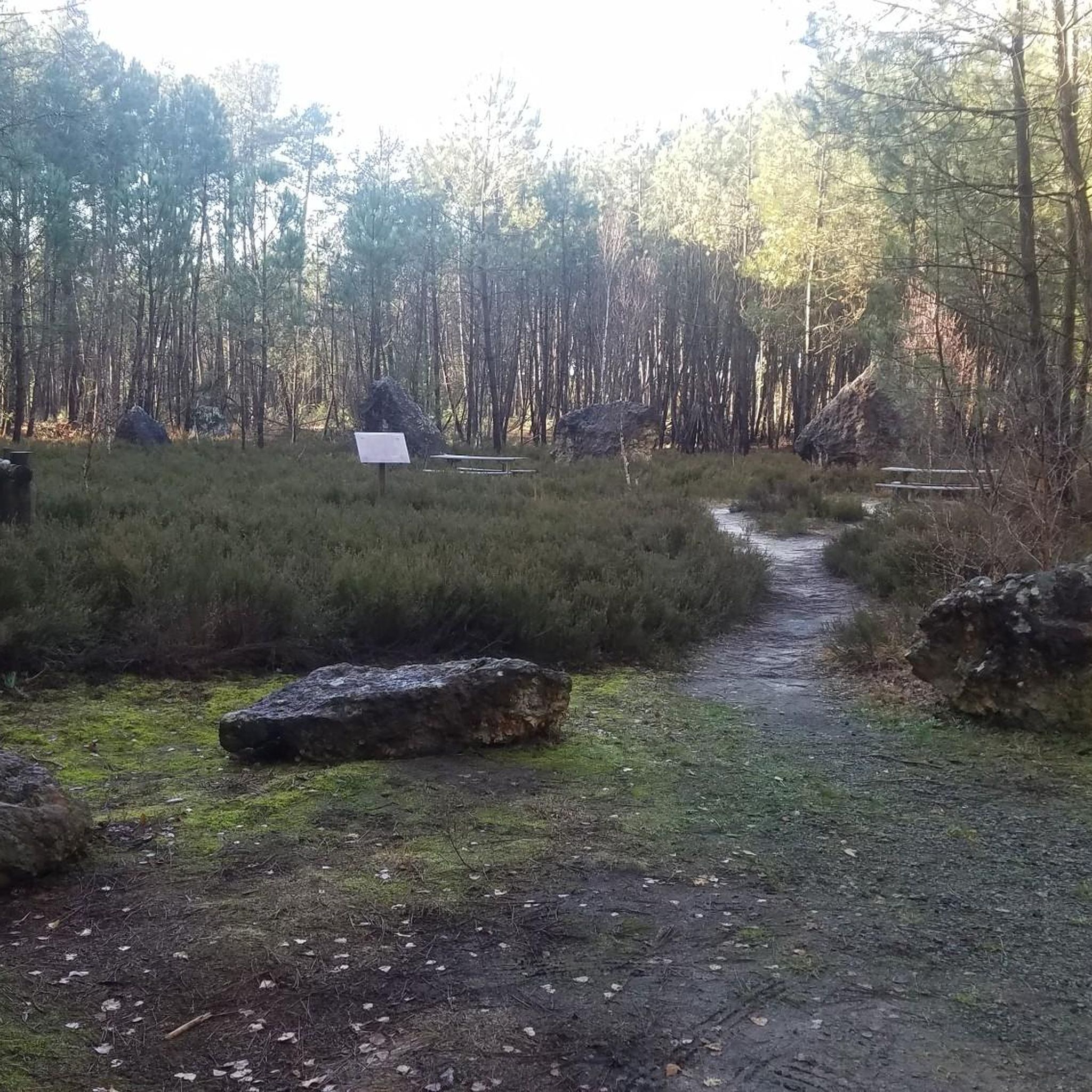
Very pleasant for a moment of relaxation
0
0

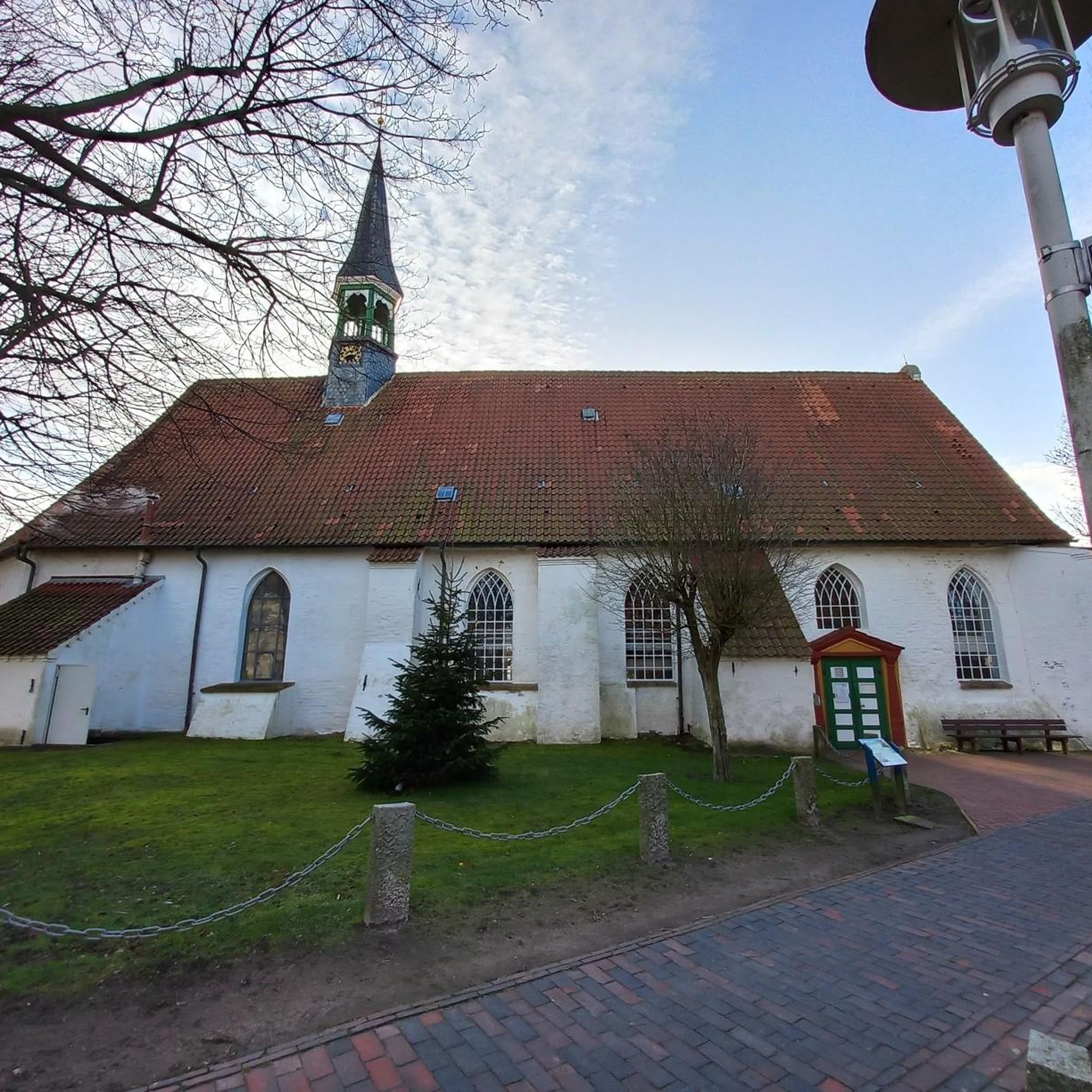
The first mentions of the Saint-Germain church in Sceaux-sur-Huisne appear in the cartulary of the Saint-Vincent abbey in Le Mans: around 1050, Bouchard de Théligny gave the Sceaux church land and a meadow located at proximity. At this time, the building, then "in bad woods", was rebuilt in stone. The nave is considered to be the oldest part of the church and dates back to the 11th century, but it is in reality difficult to date due to multiple alterations and even reconstructions. The masonry shows several repetitions and a confused assembly of elements which could come from older buildings, such as the remains of the Gallo-Roman villa which was exhumed at the end of the 19th century in the valley (small regularly cut rubble stones, debris of roof tiles). There are also traces of old openings, such as a door opening onto the priory. Although it is probable, there is no element to formally identify the Romanesque construction. The current openings are later, such as the small Gothic bay in the western wall and perhaps the south door (15th century?) and the other openings probably made around the first half of the 18th century. Significant masonry and structural work is actually mentioned in the nave in 1709. The choir and the bell tower were probably built in the first half of the 16th century, in a late Gothic style. The factory accounts mention various works in the 1530s and 1540s: roofing, construction of a ballet, stained glass window of the "grant window"... The tower was perhaps built in several stages if we rely on the changes masonry nets in the elevation. It was visibly remodeled at the end of the 16th century or the beginning of the 17th century, as indicated by the semi-circular openings, one of which was walled up. From 1570, the du Bouchets were lords of Sceaux and had their coat of arms, "azure with three rings of sand", affixed to the keystone of the chapel under the bell tower (since replaced by a flower) and on the vault paneled nave and choir. As for the windows on the north wall of the choir, they were undoubtedly open in the 18th century like those in the nave. During the Revolution, the church was seized as national property and sold to a certain René Neveu in September 1796, excluding the furniture. The two bells installed in 1719 and the fittings were handed over to the administration to be melted down. The church was returned to the town after the death of Mr. Neveu in the 1810s. The church underwent some occasional maintenance work (mainly on the roof) in the 19th and 20th centuries, but not an overall restoration. In 1831, an estimate was drawn up to enlarge the church with a chapel, in order to better accommodate all parishioners: this project was not carried out. The same year, the flag which still covers the bell tower was put up. The current sacristy (Gambert architect) was added in 1862 to replace another very dilapidated one, blocking a window now only visible from the inside. The second half of the 19th century also saw the clearing of the surroundings of the church, cluttered with lean-tos and hidden by an imposing washhouse finally moved in 1870. The last work, concerning the roofing, was carried out in 1989. The church of Sceaux-sur-Huisne has been listed as a Historic Monument since 1926.
0
0
Frequently Asked Questions
What kind of terrain can I expect on road cycling routes around Écommoy?
The region offers a diverse mix of landscapes. You'll find relatively flat routes winding through farmlands and charming small villages, ideal for relaxed rides. For more challenge, there are undulating sections, particularly in areas like the Forêt de Bercé, providing climbs and descents. Many routes also follow river valleys, such as the Loir and Sarthe rivers, which generally offer gentler gradients and picturesque views.
How many road cycling routes are available in the Écommoy area?
There are over 50 road cycling routes available around Écommoy, catering to various skill levels. This includes 11 easy routes, 33 moderate routes, and 6 more difficult options for experienced cyclists.
Are there any family-friendly road cycling routes near Écommoy?
Yes, the region offers several easy routes suitable for families. These often utilize quiet country roads through farmlands and villages, providing a safe and enjoyable experience. An example is the L'Enfournerie loop from Écommoy, an easy 40.6 km trail that winds through rural countryside.
What are the best times of year for road cycling in Écommoy?
The best times for road cycling in the Sarthe department, including Écommoy, are typically spring and autumn. During these seasons, the weather is generally mild and pleasant, and the natural landscapes, especially the forests and river valleys, are at their most beautiful. Summer can also be good, but be prepared for warmer temperatures.
Are there challenging road cycling routes with significant climbs near Écommoy?
Yes, while many routes are gentle, more challenging options exist, particularly in areas like the Forêt de Bercé. For instance, the Deadly Climb – L'Enfournerie loop from Écommoy is a difficult 116.2 km route with over 770 meters of elevation gain, offering a substantial challenge for experienced riders.
What kind of natural features or landmarks can I expect to see along the routes?
You'll encounter diverse natural beauty, including extensive sections through the scenic Forêt de Bercé. Routes often follow river valleys like the Loir and Sarthe, offering views of water mills, châteaux, and gardens. The region is characterized by quiet back roads winding through agricultural lands and authentic French villages, providing a quintessential rural cycling experience.
Are there circular road cycling routes available around Écommoy?
Yes, many of the routes around Écommoy are designed as loops, allowing you to start and finish in the same location. Examples include the popular L'Enfournerie – Rond des Forges loop from Écommoy, a moderate 55.8 km path, and the longer Smooth Forest Road – L'Enfournerie loop from Écommoy, which is 112.4 km.
How well-connected is Écommoy to larger cycling networks?
Écommoy is well-integrated into broader cycling networks. It benefits from its location within the 'La Sarthe à Vélo' network and the 'Vélobuissonnière' cycling path. These connect to major European itineraries like the Véloscénie and the Loire à Vélo, offering extensive options for exploring wider areas of the Pays de la Loire region.
What do other road cyclists say about the routes in Écommoy?
The routes in Écommoy are highly rated by the komoot community, with an average score of 4.25 stars from 8 reviews. Cyclists often praise the quiet country roads, the extensive forest sections like the Forêt de Bercé, and the picturesque river valleys, noting the variety of options for different ability levels.
Are there options for food and drink stops along the road cycling routes?
While Écommoy itself has local facilities, including cafes and restaurants, many routes traverse rural areas. It's advisable to plan your stops in advance, especially on longer rides, by checking for villages or towns along your chosen route that offer amenities. Some routes may pass through charming small villages where you can find local establishments.
Is there public transport available to reach Écommoy, especially with a bike?
Écommoy is approximately 21 km from Le Mans, which is a central hub. While specific bike-friendly public transport options directly to Écommoy might vary, Le Mans is well-connected by train. It's recommended to check local bus and train services for their bike carriage policies if you plan to use public transport to access the area.
Where can I find parking for road cycling in Écommoy?
Écommoy, being a smaller commune, typically offers parking in its town center or near local facilities. Look for designated public parking areas. These spots often serve as convenient starting points for many of the local road cycling loops.

Get inspired with the komoot mobile app


Explore more
Browse the best Road cycling routes in other regions.
