Attractions and Places To See around Montmirail - Top 7
Best attractions and places to see around Montmirail include historical sites and religious buildings. The region of Montmirail offers a collection of places to explore, characterized by its historical architecture. Visitors can discover structures that reflect centuries of local heritage. These attractions provide insight into the area's past and cultural significance.
Best attractions and places to see around Montmirail
- The most popular attractions is Château de Montmirail, a castle that is a striking example of the region's historical architecture.…
Last updated: May 20, 2026
Château de Montmirail
Highlight • Castle
Translated by Google •
Tip by

Notre-Dame Church of Chapelle-Guillaume
Highlight • Religious Site
Translated by Google •
Tip by

Sign up now to discover places like this
Get recommendations on the best single tracks, peaks, & plenty of other exciting outdoor places.
Sign up for free
Saint-Denis Church of Cormes
Highlight • Religious Site
Translated by Google •
Tip by
Church of Our Lady of the Assumption of Montmirail
Highlight • Religious Site
Translated by Google •
Tip by
Saint Martin's Church
Highlight • Other
Translated by Google •
Tip by
Sign up for free to discover even more attractions around Montmirail.
Sign up for free
Already have an account?
Start today with a free account
Your next adventure awaits.
Login or Signup

Tips from the Community


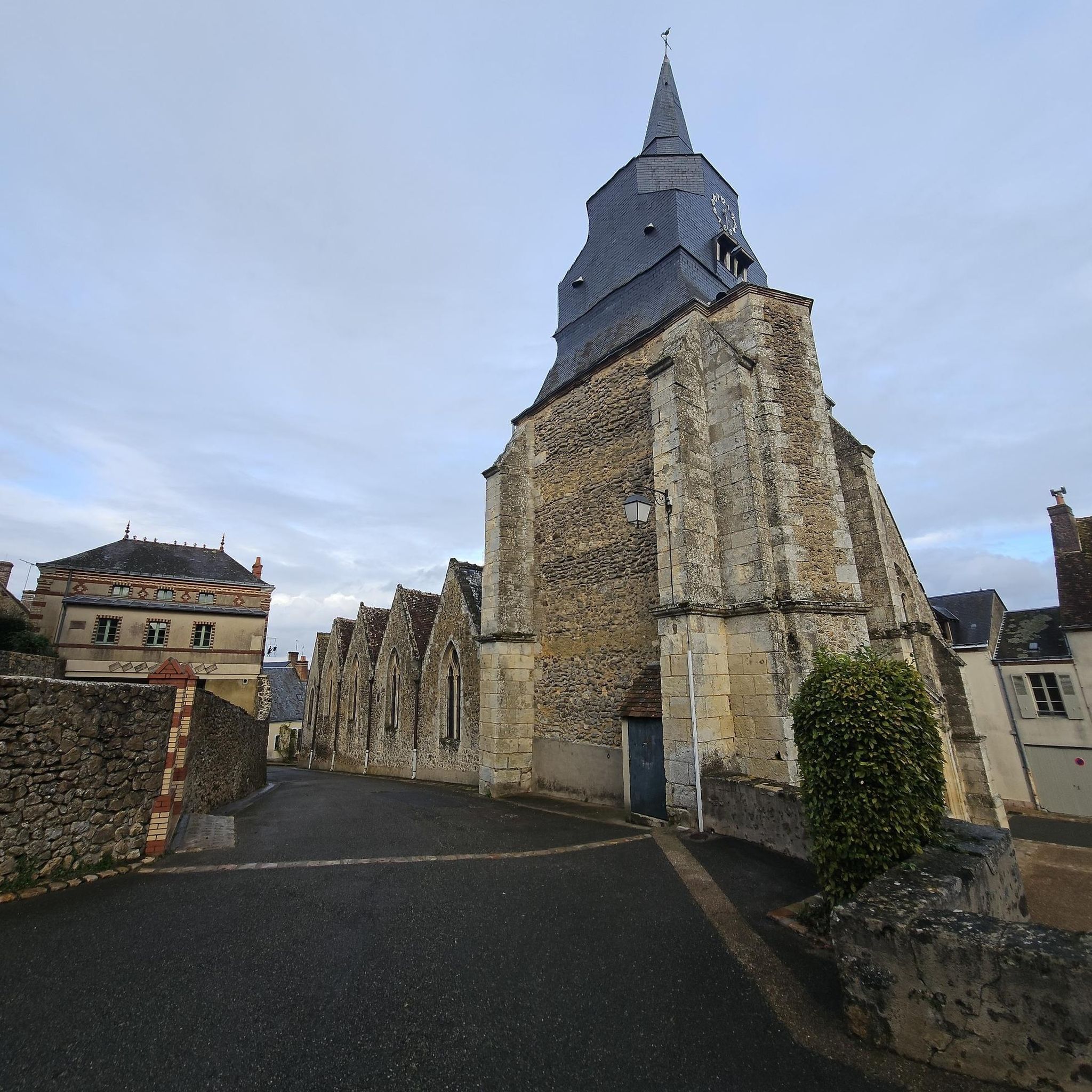
Church of ancient foundation, mentioned around 969. The church, rectangular in plan, is composed of a main nave of four bays extended by a chancel with a flat apse of two bays; the nave is covered by hull paneling; the choir is ribbed vaulted (16th century); the main vessel is flanked to the northwest by a three-story square bell tower. In the 16th century, the main vessel was increased by an aisle of three bays following the bell tower, with ribbed vaults. The joining pillar between the choir and the first aisle bay is decorated with a small commemorative mural of the priest Lemaçon who embellished the church (1612).
0
0
The first part of the church, a wide and short nave (slate roof) dates from the 11th century. It shows a device marked by the use of russet and monolithic arch bays characteristic of the beginning of the 11th century. During the Renaissance a new choir was built and the Romanesque bell tower was raised. The nave received new windows, the main portal was rebuilt and the elevation of the stone bell tower began on the left annex. The interior of the church was restored in the 1990s by the Cormes Heritage Committee. Schedules Monday, Thursday & Friday: 4:00 p.m. - 6:00 p.m. Tuesday: 5:00 p.m. -7:00 p.m. Wednesday: 10:00 a.m. - 12:00 p.m.
0
0
The robust grison pillars of the church of Chapelle-Guillaume reveal its distant roots in the beautiful country of Perche-Gouët, and even if it is often difficult to fix with precision the date of construction of a church, at least It seems obvious to her that she has been watching over the small village that surrounds her for many centuries – probably not far from ten… It owes her name to Guillaume Gouët. In any case, the last two hundred years have given it many alterations and restorations. Thus the bell tower that a hurricane had brought down was rebuilt in 1827, while the capital which adorned the entrance disappeared a few decades later, serving as a narthex, or more simply as a “caquetoire”. Everything here announces the joy of welcome and the simple peace that a place of prayer requires. The interior is distinguished by the great care taken in maintaining the warm furnishings: painted vault, gallery, benches, paneling, statues and choir woodwork. The altarpiece is illustrated by a pretty painting of the Annunciation. A great harmony emerges from the whole and invites prayer. There was also not far from there near the church a Notre-Dame priory dependent on Marmoutier, where Saint Martin resided.
0
0
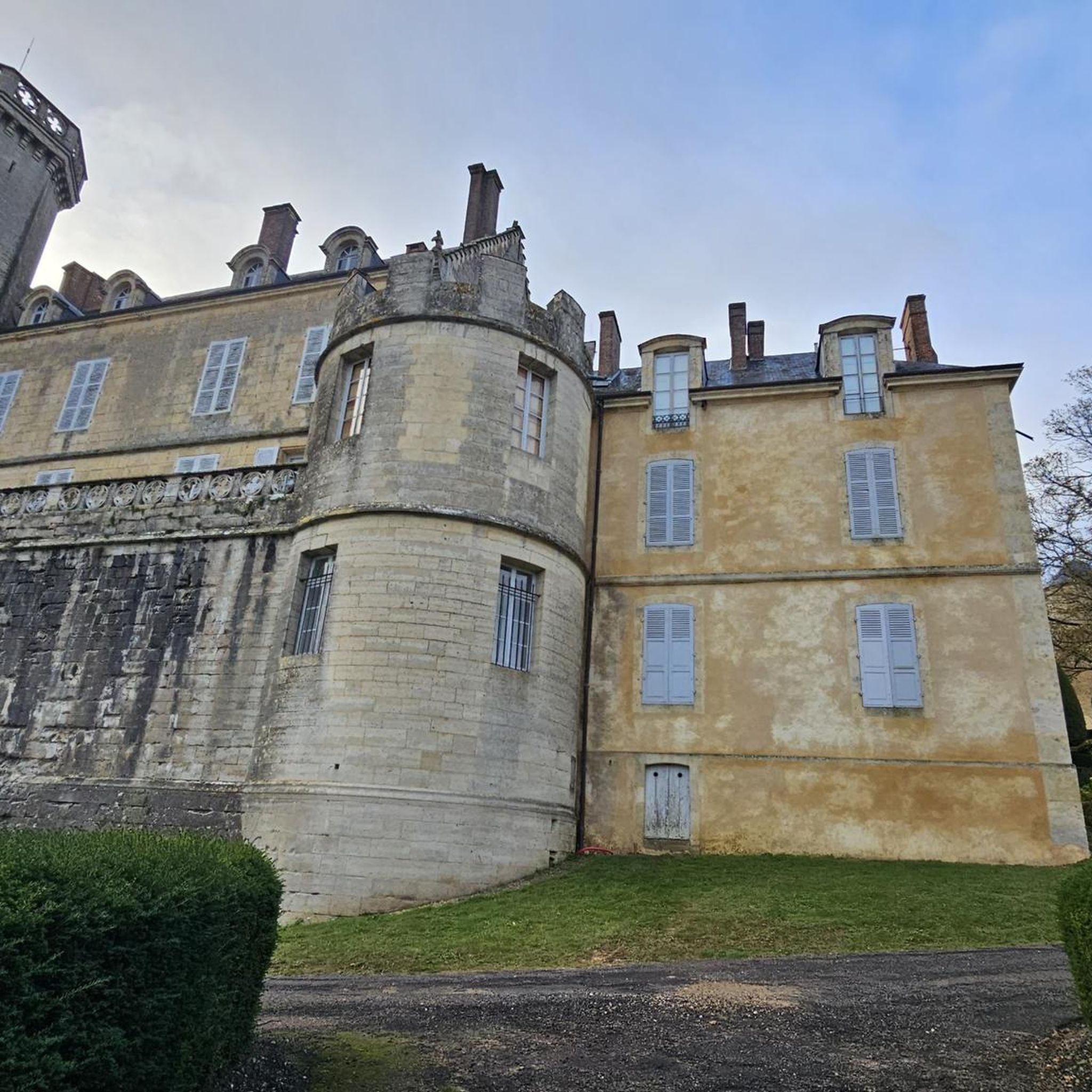
The Romanesque nave is the oldest part of the church. The choir has a stone vault with ribbed ribs, divided into two bays, in the upper part of the main altar. The stained glass window is from the beginning of the 16th century, it represents the marriage, in 1505, of Marie de Melun and John of Bruges with, behind the two figures, Saint John and the Virgin. The Gothic style sink dates from the 16th century, with a main shelf hollowed out by two round bowls. On the sides are two columns with small carved capitals. In 1625, addition of a side nave. In the 19th century, construction of the castle chapel and the sacristy, then modification of the choir. In 1505 John of Bruges had the choir rebuilt for his wedding. The Notre-Dame de l'Assomption church dates from various periods. The church was built in the 15th and 16th centuries. Originally dependent on the bishopric of Chartres, the parish of Montmirail was only attached to the bishopric of Le Mans in 1801.
0
0

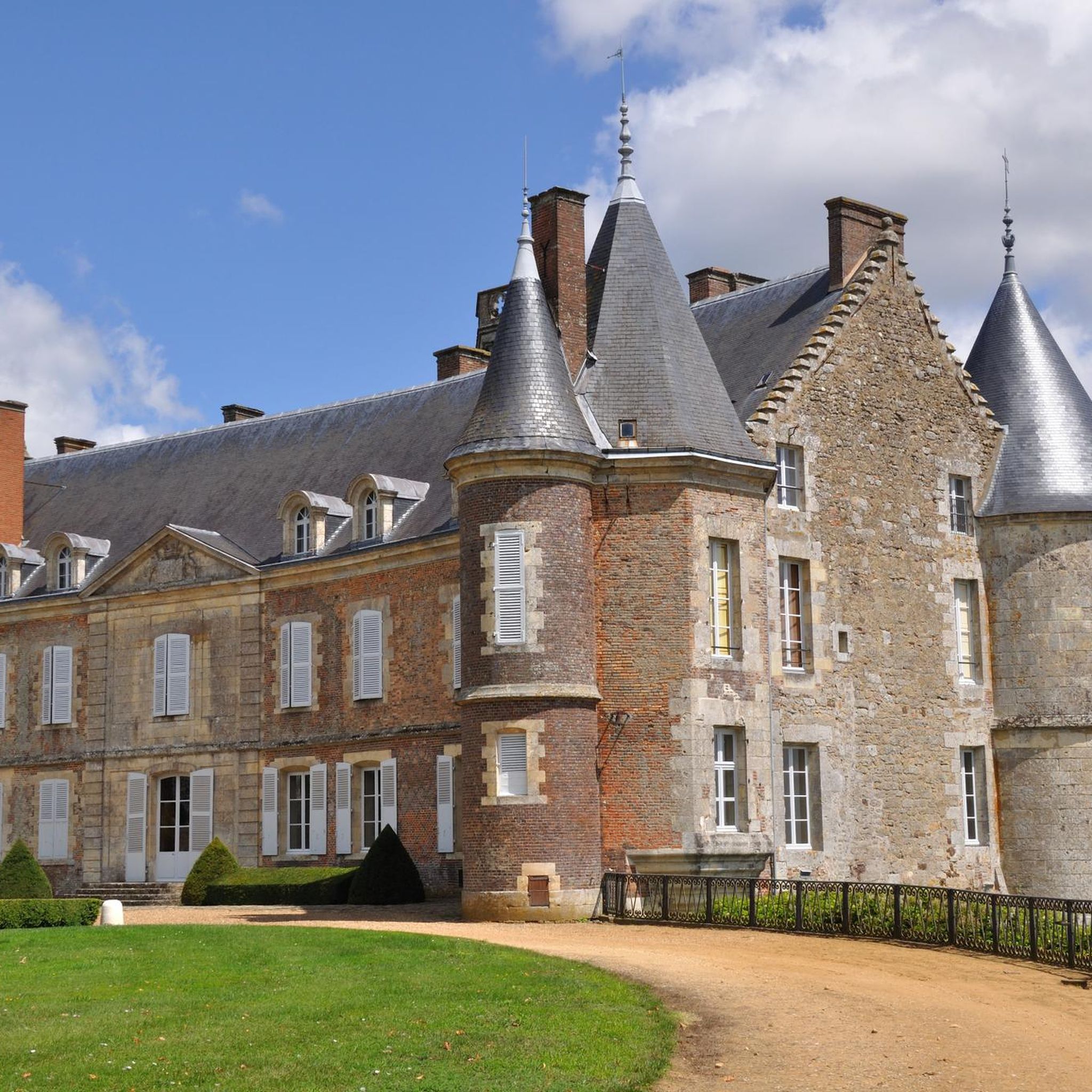
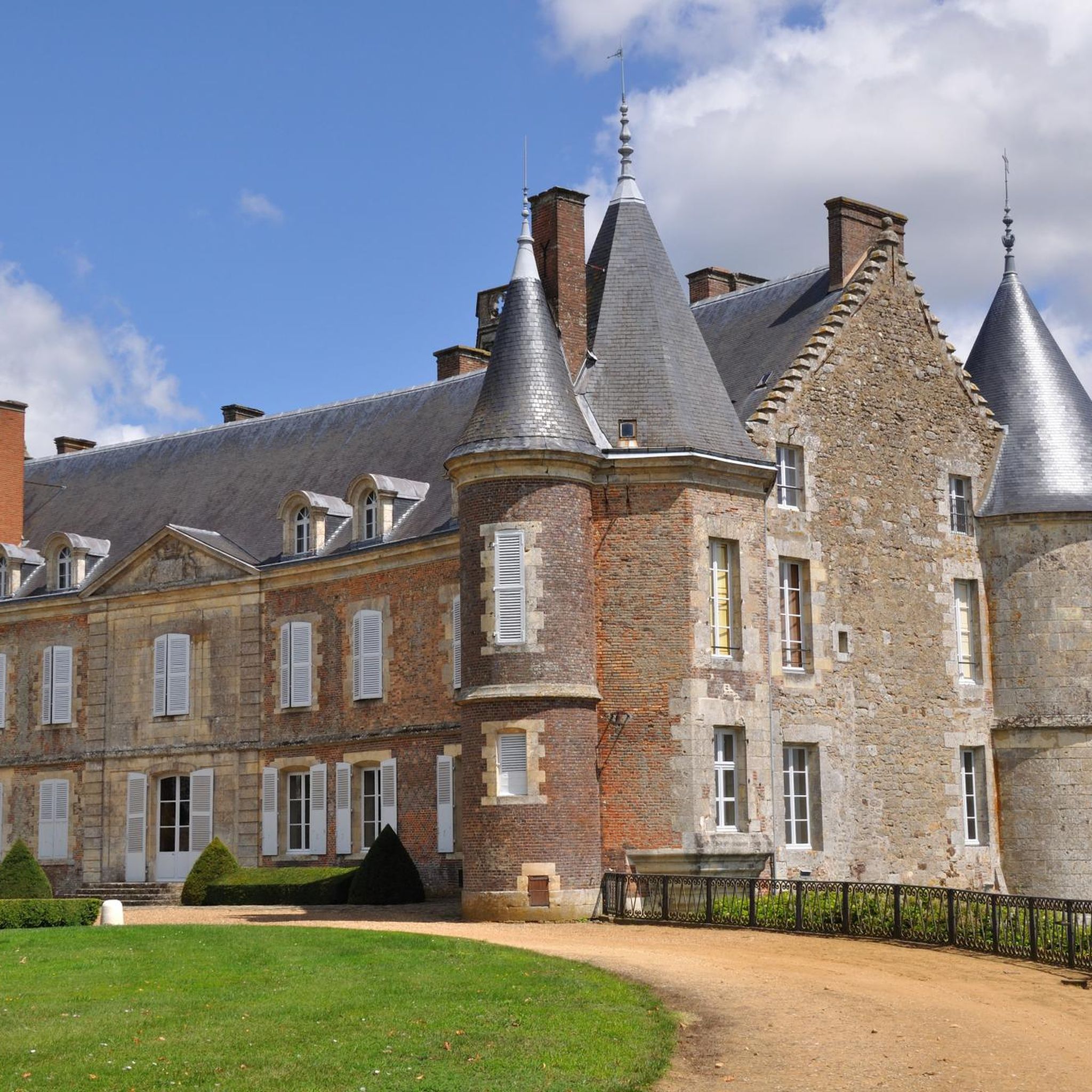
The castle of Montmirail is a striking example of the castles of the region. The good news is that you can stay there if you wish, as the castle is now open to the public as a hotel. Make it a weekend run or just appreciate its beauty as you pass by.
2
0

with water point and wc nearby! by bike it's always practical!
1
0
Frequently Asked Questions
What historical sites can I visit around Montmirail?
The region is rich in historical sites, primarily castles and religious buildings. You can explore the impressive Château de Montmirail, which is a striking example of the area's historical architecture and now operates as a hotel. Other notable historical religious buildings include the Notre-Dame Church of Chapelle-Guillaume with its robust grison pillars, and the Saint-Denis Church of Cormes, featuring parts dating back to the 11th century.
Are there family-friendly attractions in the Montmirail area?
Yes, several attractions are suitable for families. The Château de Montmirail is a great option, offering a glimpse into history. Additionally, religious buildings like the Notre-Dame Church of Chapelle-Guillaume and the Saint-Denis Church of Cormes are also categorized as family-friendly, providing cultural and architectural interest for all ages.
What kind of outdoor activities can I do near Montmirail's attractions?
The area around Montmirail offers various outdoor activities. You can find numerous routes for hiking, cycling, and mountain biking. For hiking, explore trails like the 'Château de Montmirail — loop around Montmirail' or the 'Montmirail Castle loop from Montmirail'. Cyclists can enjoy routes such as the 'Château de Semur-en-Vallon loop from Vibraye'. For more options, check out the dedicated guides for Hiking around Montmirail, Cycling around Montmirail, and MTB Trails around Montmirail.
Are there easy hiking trails around Montmirail?
Yes, there are easy hiking options available. For instance, the 'Étang de la Fenderie loop from Vibraye' is an easy 6.8 km trail, and the 'Montmirail Castle loop from Montmirail' is another easy option at 6.1 km. You can find more details and other routes in the Hiking around Montmirail guide.
What do visitors appreciate most about the attractions in Montmirail?
Visitors particularly enjoy the historical architecture and cultural significance of the sites. The Château de Montmirail is highlighted as a striking example of the region's castles, with practical tips mentioning nearby water points and restrooms. The churches are appreciated for their ancient roots, well-maintained interiors, and the sense of peace they offer.
Can I stay overnight at any of the attractions?
Yes, the Château de Montmirail is now open to the public as a hotel, offering a unique opportunity to stay within a historical castle.
What are the operating hours for the Saint-Denis Church of Cormes?
The Saint-Denis Church of Cormes is open Monday, Thursday, and Friday from 4:00 p.m. to 6:00 p.m.; Tuesday from 5:00 p.m. to 7:00 p.m.; and Wednesday from 10:00 a.m. to 12:00 p.m.
Are there any circular walks around Montmirail?
Yes, several circular walks are available. For example, you can find the 'Château de Montmirail — loop around Montmirail' (10 km, moderate) and the 'Montmirail Castle loop from Montmirail' (6.1 km, easy) among the hiking routes. These are great for exploring the area and its historical sites. More options are listed in the Hiking around Montmirail guide.
What is the architectural style of the churches in Montmirail?
The churches in the Montmirail area showcase a blend of architectural styles reflecting centuries of history. For instance, the Saint-Denis Church of Cormes has parts dating from the 11th century with a Romanesque bell tower raised during the Renaissance. The Notre-Dame Church of Chapelle-Guillaume features robust grison pillars, indicating distant roots in the Perche-Gouët region, and a painted vault. The Church of Our Lady of the Assumption of Montmirail has a Romanesque nave and a Gothic-style sink.
Are there any specific features to look for inside the Notre-Dame Church of Chapelle-Guillaume?
Inside the Notre-Dame Church of Chapelle-Guillaume, you'll find warm furnishings, a beautifully painted vault, a gallery, benches, paneling, statues, and choir woodwork. The altarpiece is adorned with a painting of the Annunciation, creating a harmonious and inviting atmosphere for prayer.
What is the best way to explore the historical buildings around Montmirail?
The best way to explore the historical buildings is often by combining visits with walks or cycling tours. Many of the churches and the Château de Montmirail are accessible and can be incorporated into a scenic route. Consider using the Hiking around Montmirail or Cycling around Montmirail guides to plan your exploration.
Most popular routes around Montmirail

Get inspired with the komoot mobile app


Explore more
Still not found the Highlight you’re looking for? See guides of the top attractions in other regions:
